The key facts
- Volker Türk warned of a human rights catastrophe due to the blockade of Taiz
- 32 civilians killed and 115 wounded in Taiz province between 1 August and 19 October (OHCHR data)
- The UN demands immediate passage of humanitarian aid and the release of detained staff of humanitarian organizations
Warning from the UN High Commissioner
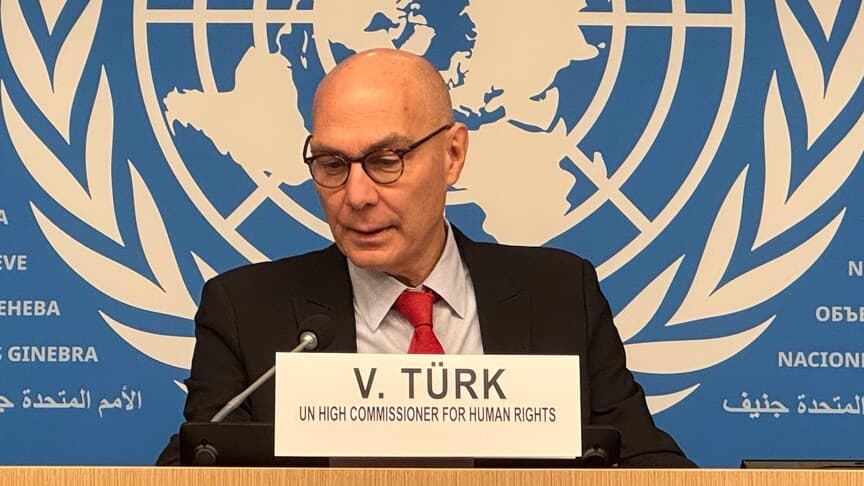
UN High Commissioner for Human Rights Volker Türk warned on Tuesday that the Houthi closure of the only supply route linking the city of Taiz with Aden puts the civilian population at 'grave risk'. In his statement, he expressed alarm over the encirclement of Taiz by the de facto authorities and noted that restrictions on humanitarian access and essential goods could lead to a human rights catastrophe.
Humanitarian consequences
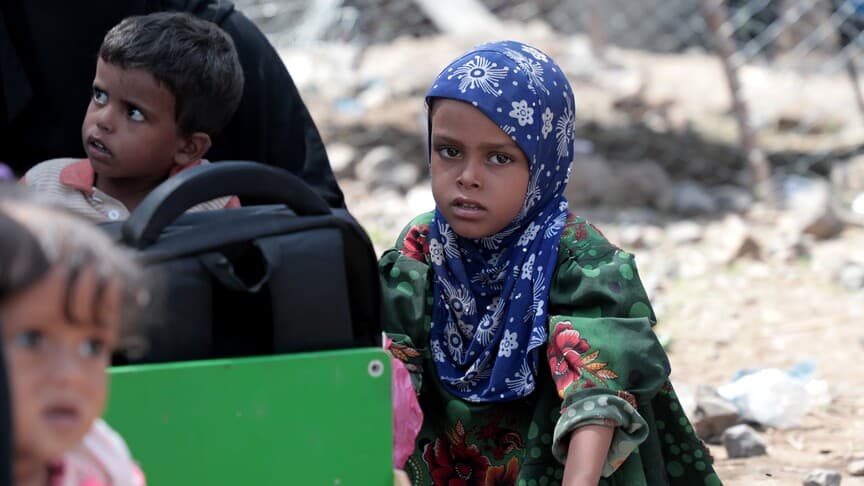
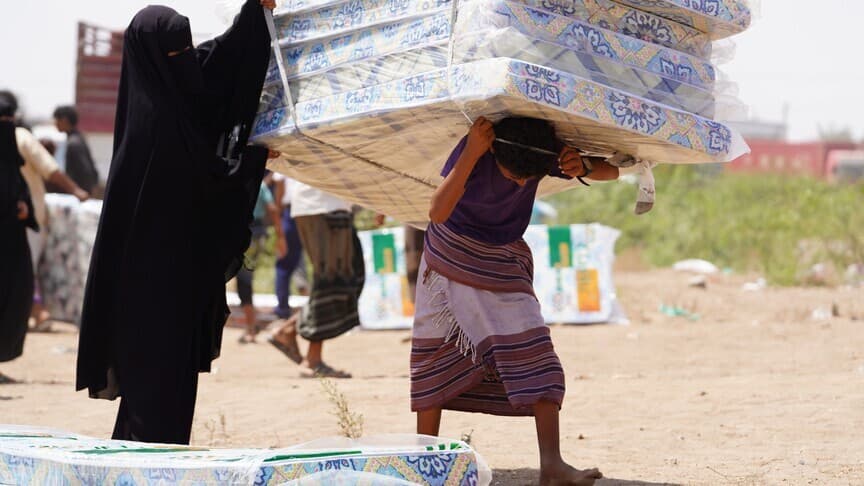
According to OHCHR, the closure of the route has led to a manyfold increase in prices for goods, leaving many residents without food and other basic necessities. The Office has also documented restrictions on safe access to water and essential goods via the Al-Dhabab route, further worsening the humanitarian situation. Türk demanded that humanitarian aid be immediately allowed into the city and ensured unimpeded passage, and that civilians wishing to leave the city be allowed to do so freely and safely.
Civilian casualties
According to OHCHR, between 1 August and 19 October, 32 civilians were killed in Taiz province, including 14 children and nine women. Over the same period, 115 civilians were wounded, among them 36 children and 34 women. As fighting approaches densely populated areas, Türk warned of growing risks to civilians and called on all parties to refrain from using explosive weapons with wide-area effects in populated areas.
Detained UN staff
Türk also reiterated the demand for the immediate and unconditional release of arbitrarily detained UN and humanitarian organization staff and called on the de facto authorities to disclose the whereabouts of those being held without contact with the outside world.