The key facts
- The US and 27 countries took part in the sixth consultative meeting on Sudan in Geneva; Massad Boulos said there is no military solution to the war
- A drone strike in Chad's Wadi Fira province killed four people and wounded at least 14
- The conflict since April 2023 has displaced more than 14 million people, and about 20 million face hunger — UN World Food Programme data
Geneva Meeting and the US Position
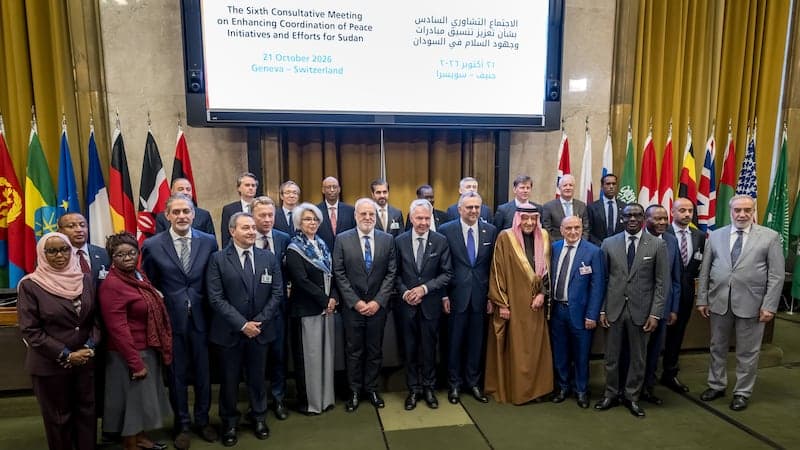
Massad Boulos, senior adviser to President Donald Trump on Arab and African affairs, said the civil war in Sudan has no military solution, and that continued fighting carries devastating costs for civilians and threatens to spread instability across the region. This week, US representatives joined participants from 27 countries at the sixth consultative meeting on Sudan in Geneva. Boulos thanked Switzerland and the UN for organizing the meeting and noted that participants spoke with one voice in favor of ending the conflict.
Diplomatic Formats
Boulos expressed support for the efforts of the 'Quintet' — the African Union, the League of Arab States, the UN, the EU and the Intergovernmental Authority on Development (IGAD) — to create an inclusive and legitimate political process led by the Sudanese themselves. According to him, these efforts complement US engagement in the 'Quartet' format, which also includes the UAE, Saudi Arabia and Egypt, aimed at achieving a humanitarian truce that could pave the way to a permanent ceasefire. During the meeting, participants called on all parties to the conflict to work in good faith on de-escalation, protect civilians and agree to a humanitarian truce. Among the countries represented were the UAE, Saudi Arabia, Egypt, Qatar, Turkey, the United Kingdom, Chad, China, France, Germany, Russia, Switzerland and South Sudan.
Spillover of the Conflict into Chad
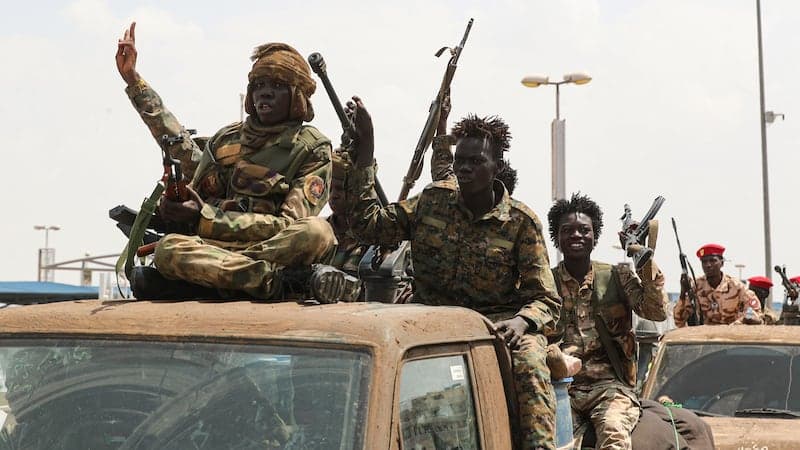
The regional consequences of the war became evident this week: a drone strike near Sudan's western border killed four people in Chad and wounded at least 14, an official of Chad's Wadi Fira province said on Thursday. The civil war, which began in April 2023 between the Sudanese Armed Forces (SAF) and the paramilitary Rapid Support Forces (RSF), has repeatedly spilled over into Chad. International efforts to end the conflict have so far been unsuccessful.
Chemical Weapons Allegations and the Humanitarian Situation
This month, African civil society organizations called on Sudan to admit international inspectors to investigate allegations of chemical weapons use by the SAF. Following a three-day forum in Dakar, the capital of Senegal, they adopted a resolution calling on the African Commission on Human and Peoples' Rights to demand that Sudan admit technical teams from the Organisation for the Prohibition of Chemical Weapons. The UN has previously accused both the SAF and the RSF of war crimes and rights violations. The conflict has produced one of the world's largest humanitarian crises: according to the UN World Food Programme, more than 14 million people have been displaced and nearly 20 million face hunger.