The key facts
- Taiz water systems serving about 3 million people, including 1.6 million children, are at risk due to fighting and diesel shortages (UNICEF)
- 12 hospitals have roughly 4 days of fuel left; 115 of 127 essential medicines have a week or less of stock (WHO)
- Number of displaced people in Yemen exceeded 250,000 as of 17 October; Taiz accounted for 76% of departures and 52% of new arrivals (UNHCR)
Water supply at risk
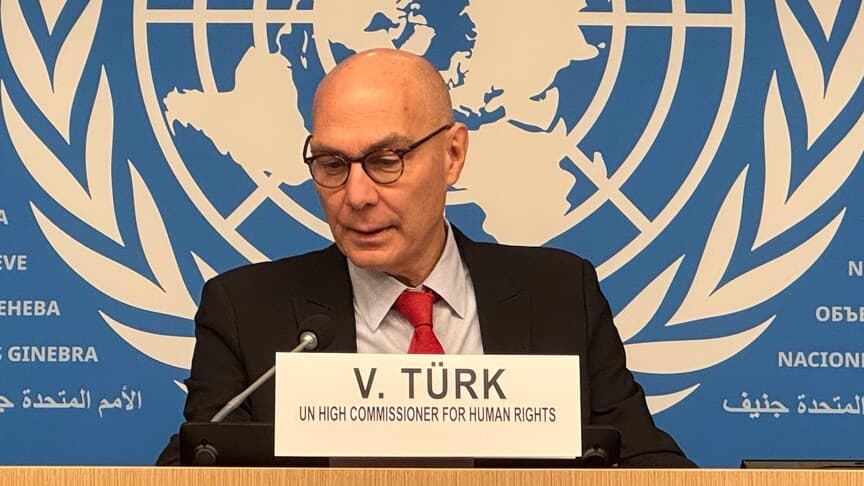
UN agencies warned on Tuesday that more than 1.6 million children in Yemen's Taiz province risk losing access to water, as fighting and fuel shortages threaten critical services. UNICEF's representative in Yemen, Aqeel Iyer, told journalists in Geneva that water systems serving about 3 million people, including at least 1.6 million children, are at risk due to fighting that has disrupted key supply routes. According to him, the diesel shortage threatens to halt water pumps, and the cost of trucked water has tripled since the last escalation.
Hunger and disease
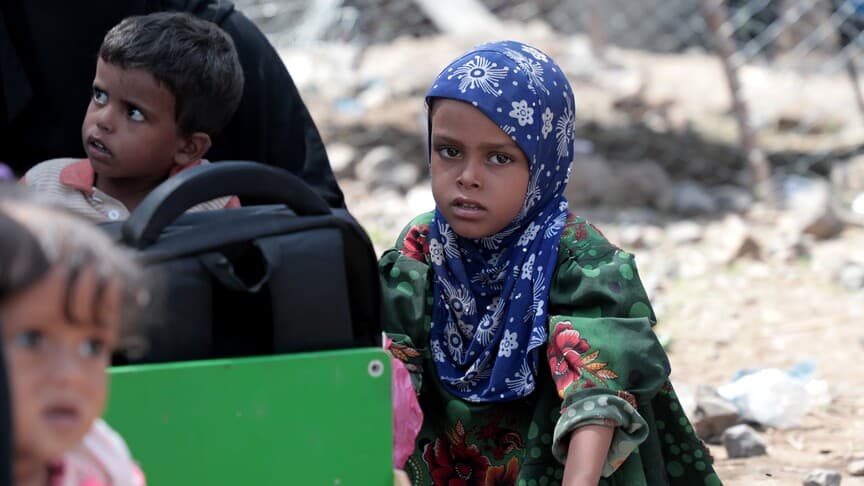
Iyer also reported that this year more than 168,000 children in Taiz were screened for malnutrition, with more than 52,000 found to be acutely malnourished — nearly one in three of those screened. He warned that for children in Taiz, hunger, unsafe water and disease are becoming an increasingly dangerous combination.
Displaced people
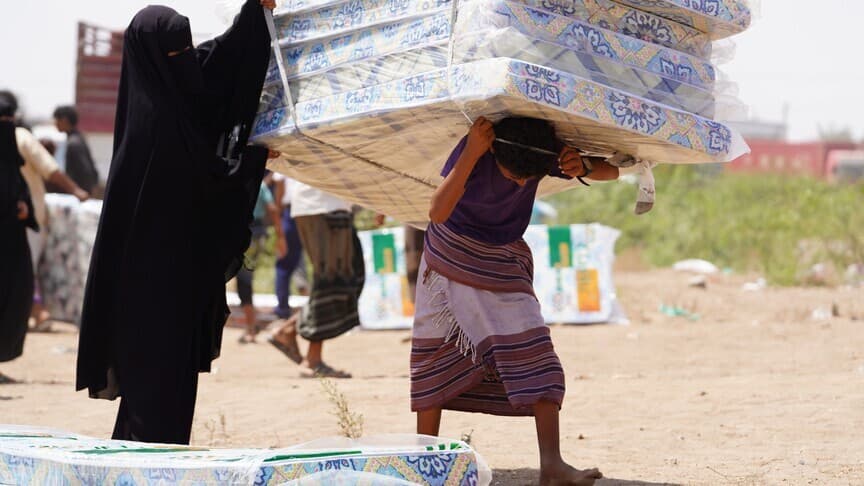
UNHCR spokesperson Matthew Saltmarsh reported that as of 17 October, the number of displaced people across Yemen had exceeded 250,000, up from nearly 213,000 reported earlier. Taiz accounted for 76% of departures and received 52% of new arrivals. According to the agency, displaced families most often cited shelter as their need, followed by food and cash assistance. UNHCR assessed 12,283 displaced households in Abyan, Aden, Marib, Lahj and Taiz, including about 2,050 households without shelter.
Health care on the brink
WHO spokesperson Tarik Jasarevic warned that 12 hospitals in Taiz have roughly four days of fuel left, and 115 of 127 essential medicines have a week or less of stock. According to the organization, the humanitarian and health crisis in Yemen is rapidly worsening, and Taiz's health system is in a state of 'critical risk'. Jasarevic noted that 1,110 dialysis patients, 192 intensive care patients and 154 newborns in incubators depend on hospitals operating without interruption. The number of suspected cholera cases per week rose from 221 to 683 between epidemiological weeks 36 and 40.
Funding shortfall
According to Jasarevic, of the $31 million needed for a 90-day emergency response, only $3.8 million has been received, leaving a shortfall of $27.2 million. UN agencies called on all parties to protect civilians, safeguard water and health facilities, and ensure safe humanitarian access to prevent further deterioration of the situation.