News

climate

News about climate: events, facts and developments on tafs uz.

38 stories

UN report: breaching the 1.5 °C warming threshold is inevitable, world heading for 2.6–2.8 °C

The annual UNEP Emissions Gap Report 2026 concludes that exceeding the 1.5 °C warming limit has become 'inevitable' due to decades of insufficient action. Under current policies, warming will reach 2.8 °C; with all pledges fulfilled, 2.6 °C. For a scenario peaking at 1.7–1.8 °C, emissions must be cut by 18% by 2030 and 69% by 2040. The forecast worsened partly because of the US withdrawal from the Paris Agreement and a 133-megatonne rise in its emissions.

5 min read

Scientist warns: global warming is accelerating and pushing ecosystems toward irreversible changes

Johan Rockström, director of the Potsdam Institute for Climate Impact Research, said at the Reuters conference that damage to coral reefs and the Amazon forests is close to an irreversible level, and the Earth's average temperature may exceed 1.5 °C within the next few years. The remarks were made ahead of the UN climate conference COP31, which will begin on November 9.

2 min read

Strongest El Niño Hits the World: Closed Iguazu Falls, Livestock Deaths in El Salvador and Threat to Coral Reefs

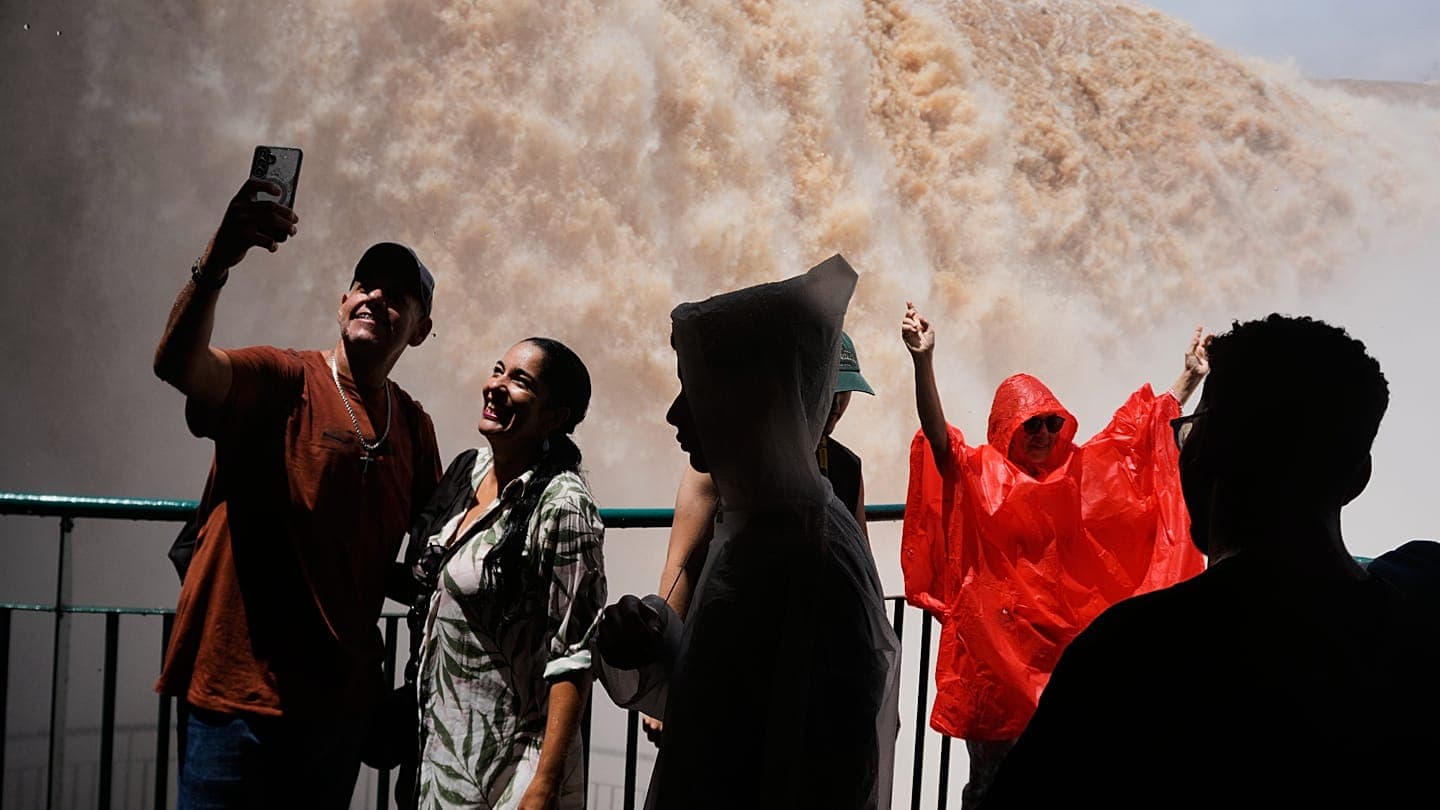
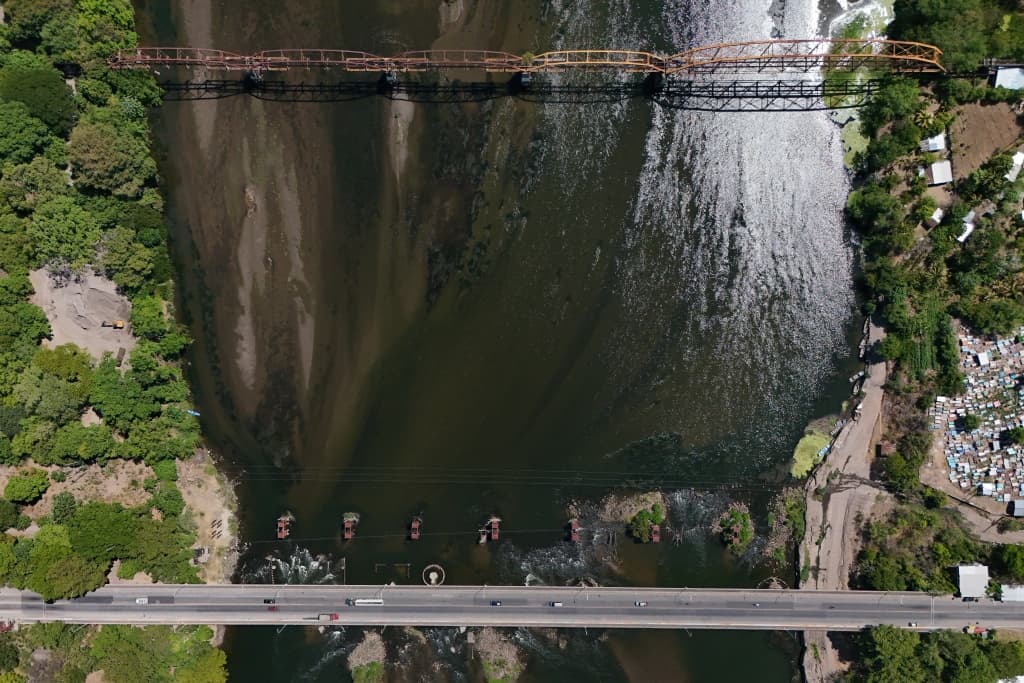
The exceptionally strong El Niño of 2026 is causing droughts, floods and threats to food security worldwide. In Argentina, trails to the Iguazu Falls are closed; in El Salvador, livestock is suffering; in Sudan, drought has affected more than half of the territory. British and Japanese meteorologists call the phenomenon a record one, NOAA has not yet declared a record but forecasts it will exceed the 1982 level.

4 min read

Turkey and Uzbekistan adapt cities to a changing climate: earthquake recovery, New Tashkent and greening the capital

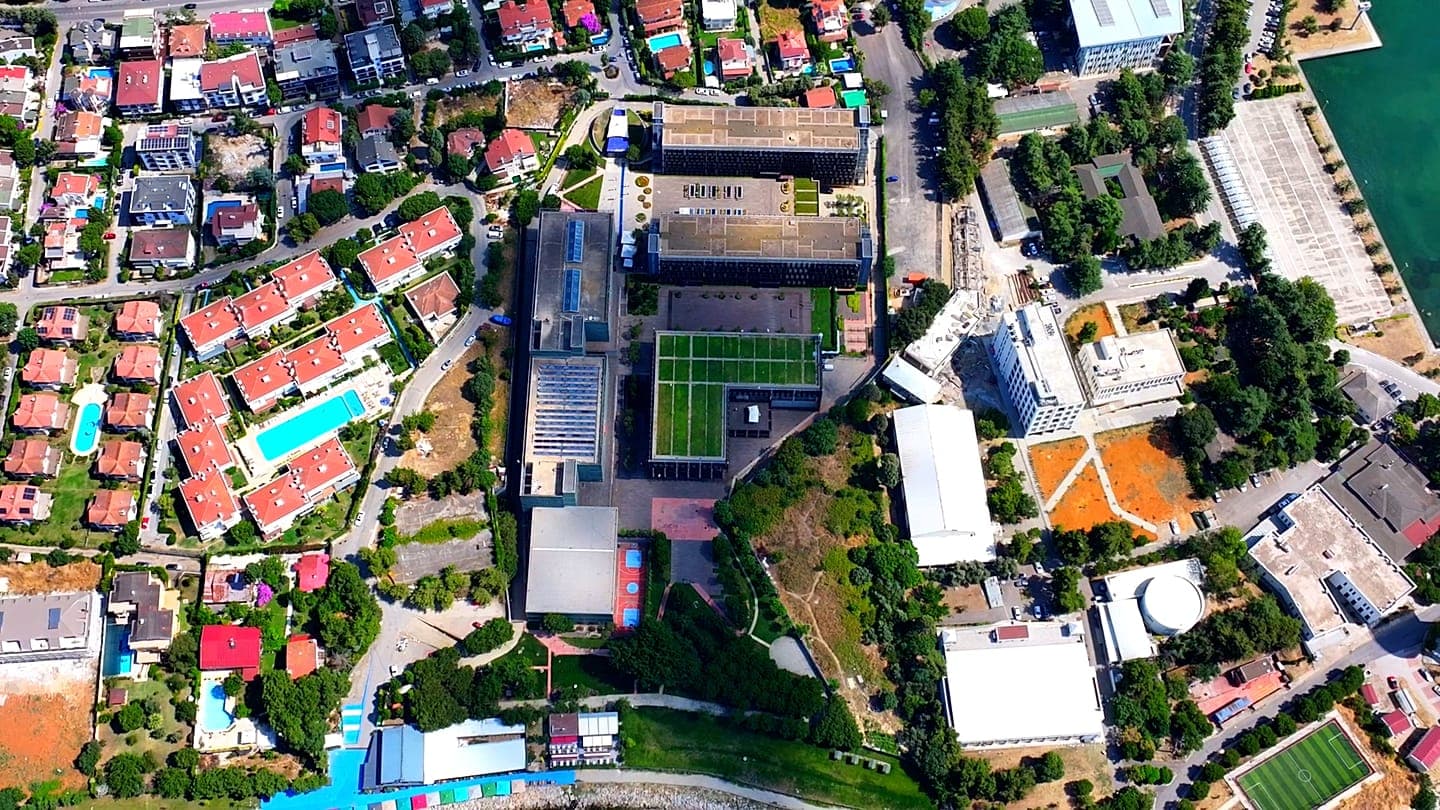
Euronews describes the approaches of two countries to urban climate resilience: in Turkey — large-scale recovery after the 2023 earthquakes and the YEK-G renewable energy certification system on blockchain; in Uzbekistan — building New Tashkent from scratch with water savings and a trigeneration plant, as well as greening the existing capital, where more than 1.35 million trees were planted from 2022 to 2026.

4 min read

A 'Rain Garden' as Home Protection from Floods: Euronews Explains How It Works and How to Create One

After floods in Catalonia, Spain, that claimed at least two lives, Euronews explains 'rain gardens' — sunken flower beds with moisture-loving native plants that absorb surface runoff, filter pollutants, and protect basements and foundations. The outlet provides step-by-step recommendations on placement, construction, plant selection, and maintenance.

3 min read

Fuel Price Rise from Middle East War Pushes Fiji Toward Solar Energy

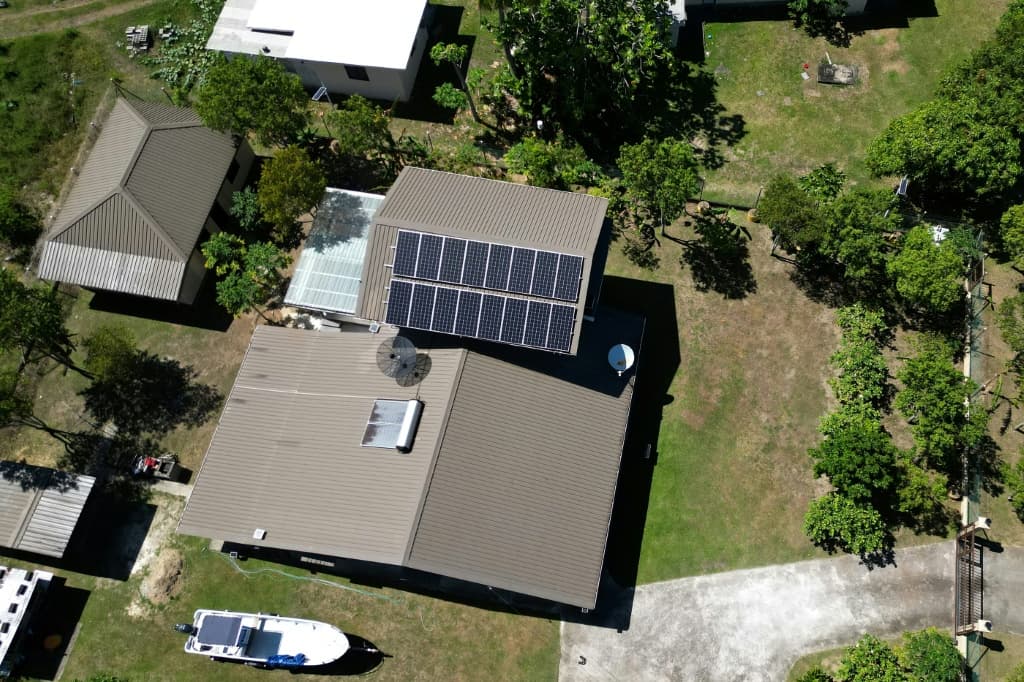
Residents of the Fijian village of Rukurukulevu are switching to solar panels due to high electricity bills amid slowed fuel supplies from the Persian Gulf after the US and Israel struck Iran in February. Fiji's government plans 90% renewable energy by 2035 and investment in solar and hydropower, but fears water and electricity rationing due to El Niño.

3 min read

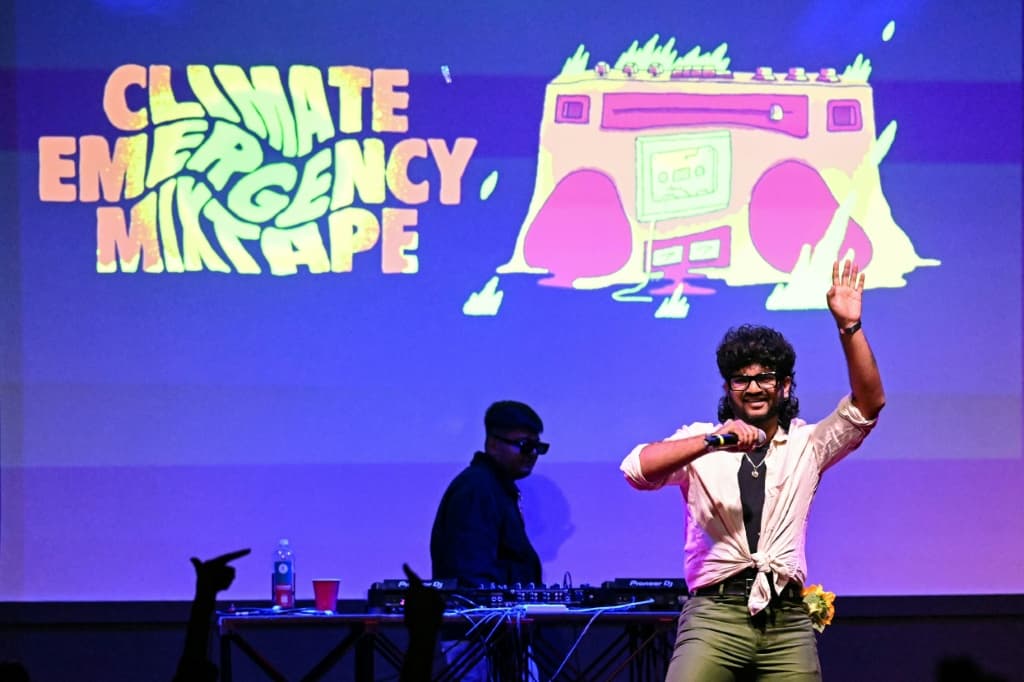
Indian rappers release 'Climate Emergency Mixtape' — the country's first multilingual album about the climate crisis

Indian rappers have recorded the 'Climate Emergency Mixtape' — according to the organizers, the country's first multilingual rap album about the climate crisis. The record includes six tracks in different Indian languages, devoted to water scarcity, floods, and the impact of climate change on vulnerable communities.

2 min read

Strongest El Niño Ever? Weather Agencies Disagree Due to Different Measurement Methods

The UK Met Office calls the current El Niño unprecedented, the Japanese meteorological agency calls it the strongest since records began in 1949, while American forecasters believe it still falls short of the largest events in their archives. The discrepancies are explained by different assessment methods: absolute temperatures, anomalies in different zones of the Pacific Ocean, and different baseline periods.

3 min read

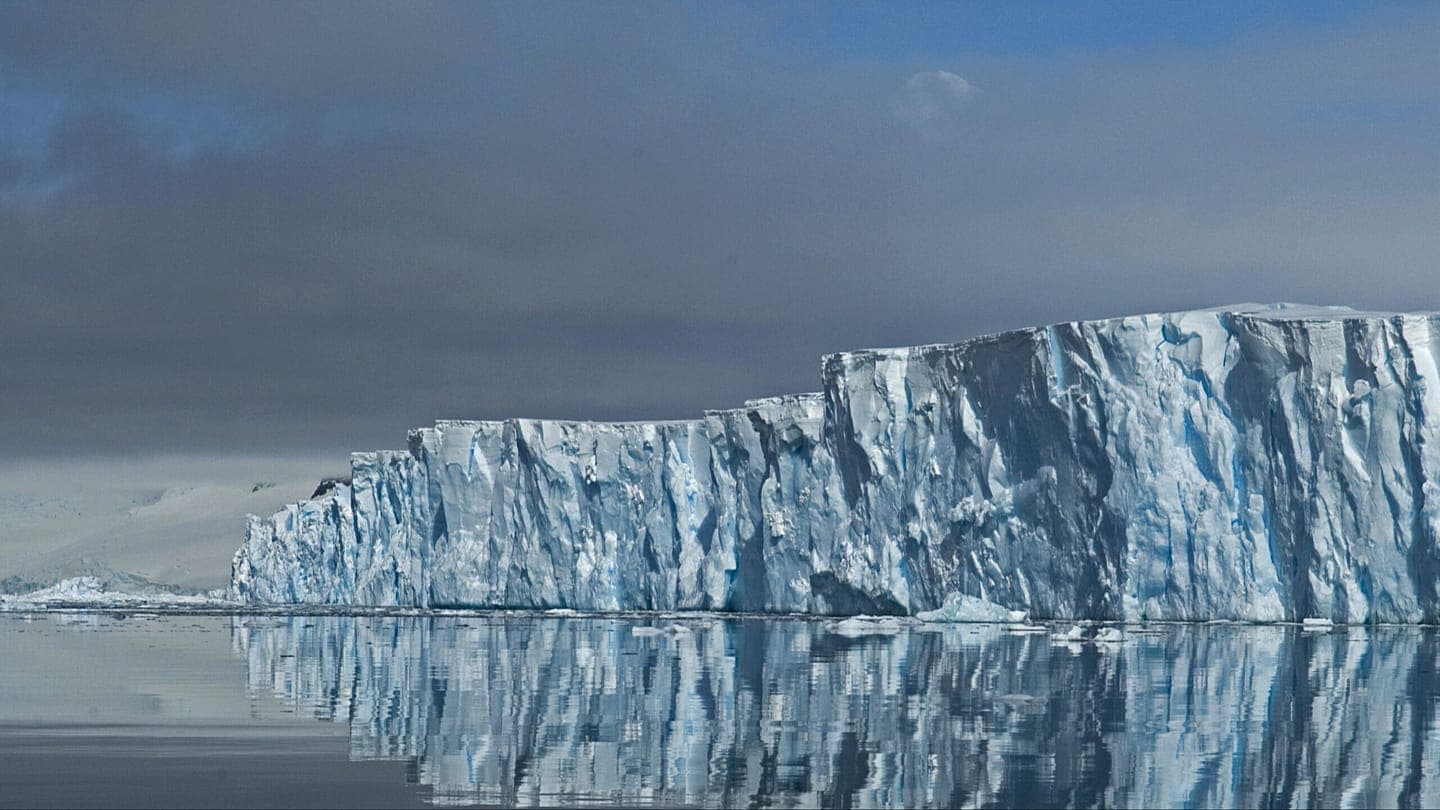
Thwaites Glacier is melting faster than previous estimates and could raise sea levels twice as much by 2100

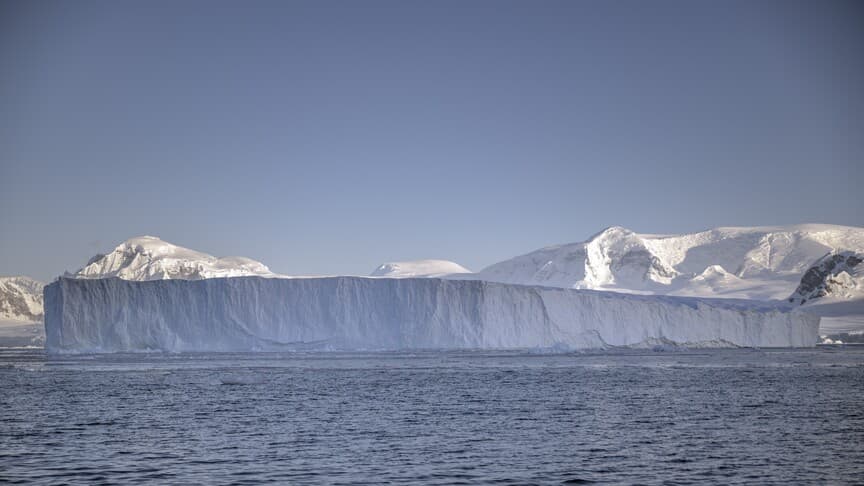
A new study in Nature Communications found that the Thwaites Glacier in Antarctica could contribute up to 30 mm to global sea level rise by 2100 — twice the previous estimate of 15 mm. The cause is 'tidal pumping': warm water penetrates beneath the ice. There is about a 60% probability that by 2100 the glacier will detach from the restraining Mugins Ridge, possibly as early as the late 2030s.

2 min read

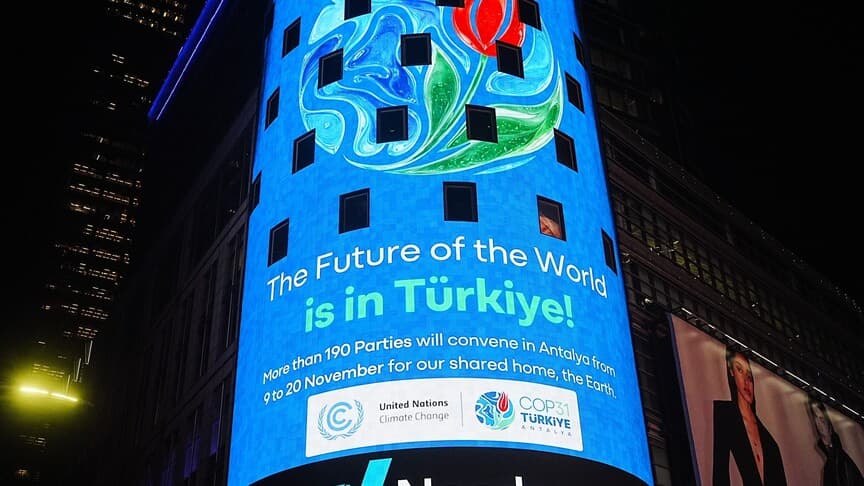
Turkey prepares to host COP31 in Antalya and pledges a consensus-based approach

Turkey reaffirmed its commitment to multilateralism and international climate cooperation ahead of the 31st UN Climate Change Conference (COP31) in Antalya on November 9–20, including a leaders' summit. Turkey's Permanent Representative to the UN, Ahmet Yildiz, outlined the priorities of the presidency at a special UN General Assembly event.

2 min read

IPCC fails to agree on release date for next global warming report

After a week of negotiations in Addis Ababa, the Intergovernmental Panel on Climate Change (IPCC) failed to agree on the publication date of its seventh assessment report. A number of countries, including Saudi Arabia, India and China, pushed for a delay to 2029, while many European states insisted on 2028.

3 min read

EU summit: leaders divided over reform of the ETS emissions trading system

At the summit in Brussels, EU leaders clashed over the future of the emissions trading system (ETS). Finland, Denmark and Sweden warned that weakening the system would undermine investment in clean technologies, while Czech Prime Minister Andrej Babiš blamed speculators for destroying Europe's competitiveness. An attempt by six countries to delay the launch of ETS2 until 2030 failed, but secured an impact assessment.

4 min read

Thwaites Glacier will keep melting even if oceans cool, scientists find

A British Antarctic Survey study showed that the 'Doomsday Glacier' in West Antarctica will lose ice for at least 150 years even with oceanic melting switched off in models. A full collapse of the ice sheet would add about 65 cm to sea level. The neighbouring Pine Island Glacier, by contrast, would recover under similar conditions.

3 min read

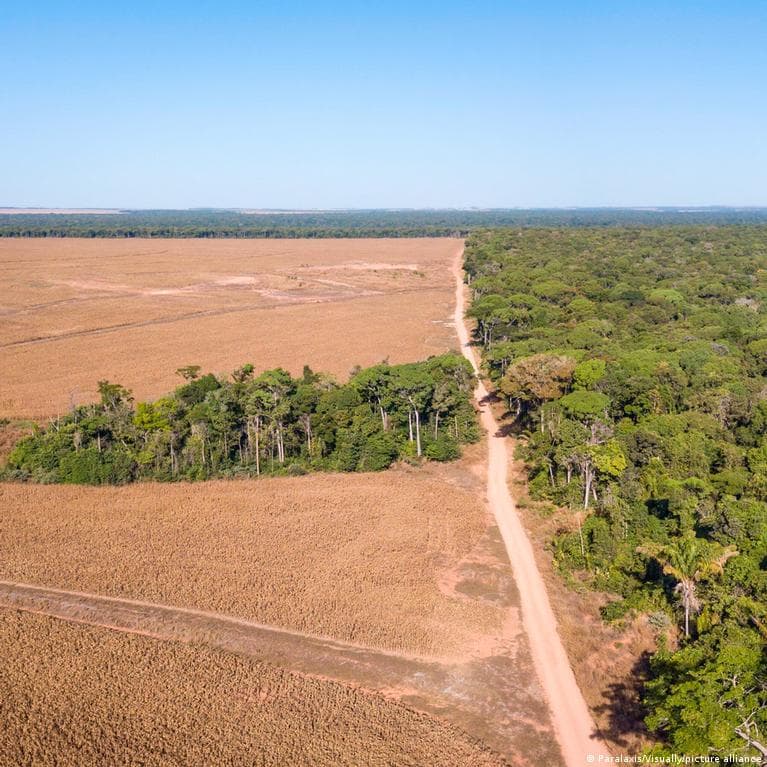
Brazil's Election: The Amazon's Fate Between Lula and Flávio Bolsonaro

In the second round of Brazil's presidential election on October 25, incumbent President Luiz Inácio Lula da Silva will face Flávio Bolsonaro, son of former president Jair Bolsonaro, who beat Lula by 2% in the first round. Experts link the election's outcome to the future of the Amazon: under the elder Bolsonaro, about 45,586 km² of forest was cleared, while under Lula deforestation fell by 41%.

3 min read

EEA report presents six 'no-regret' steps for Europe's competitiveness without undermining sustainable development

The European Environment Agency on 13 October published the report 'Competitiveness by nature', proposing six 'no-regret' measures: from climate adaptation and the circular economy to AI, education, public trust and EU leadership in global standards. According to the agency, sustainable development strengthens rather than undermines Europe's competitiveness.

3 min read

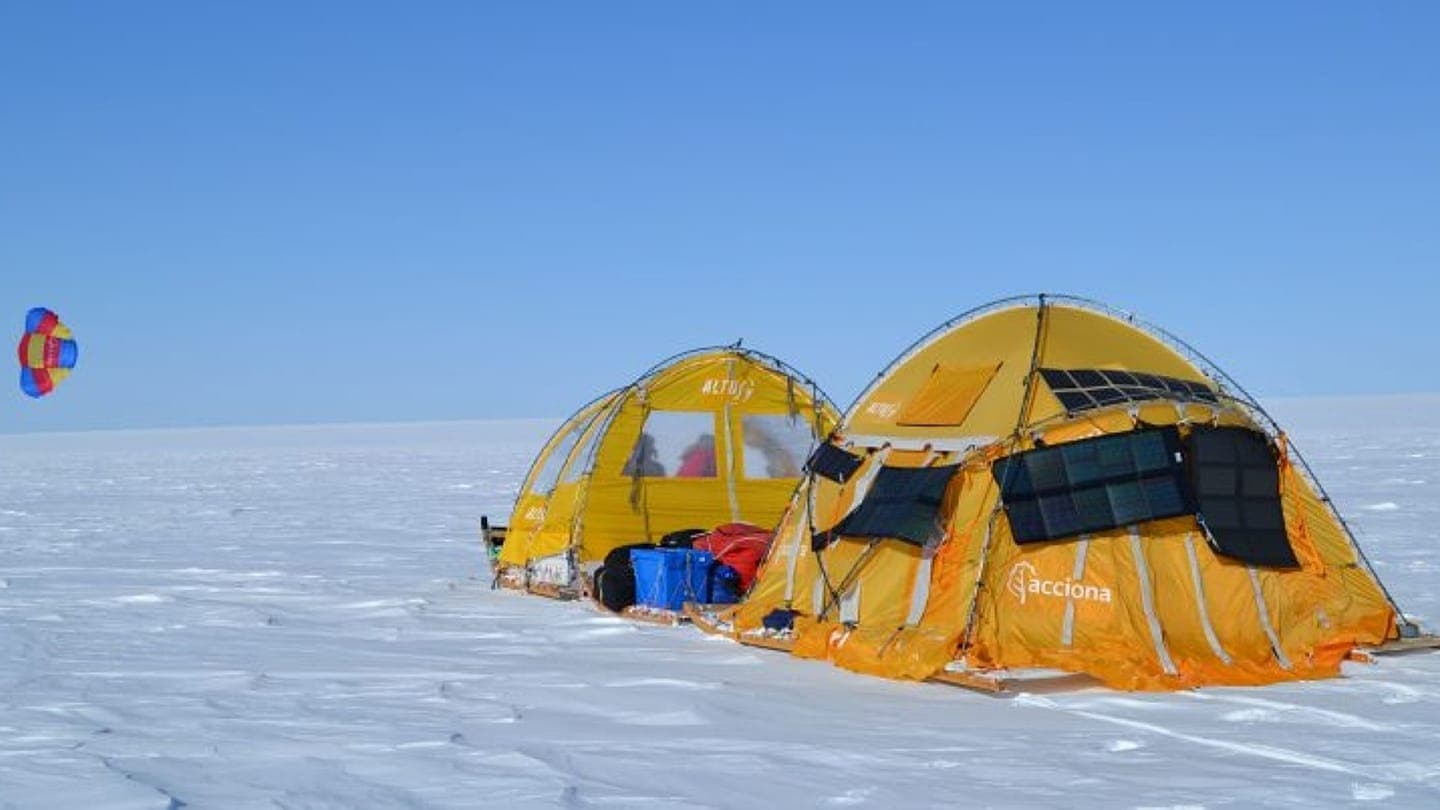
Spanish 'wind sled' expedition to cross Antarctica without fossil fuels

Polar explorer Ramón Larramendi will lead the Trineo de Viento Antártida 2026-2027 expedition: about 3,400 km across the Antarctic interior in roughly 80 days using kites and solar energy. The campaign will carry out 16 scientific projects, and the four-person crew itself will become a subject of isolation research for future space missions.

5 min read

Stanford scientists accidentally discover a way to rapidly revive bleached corals

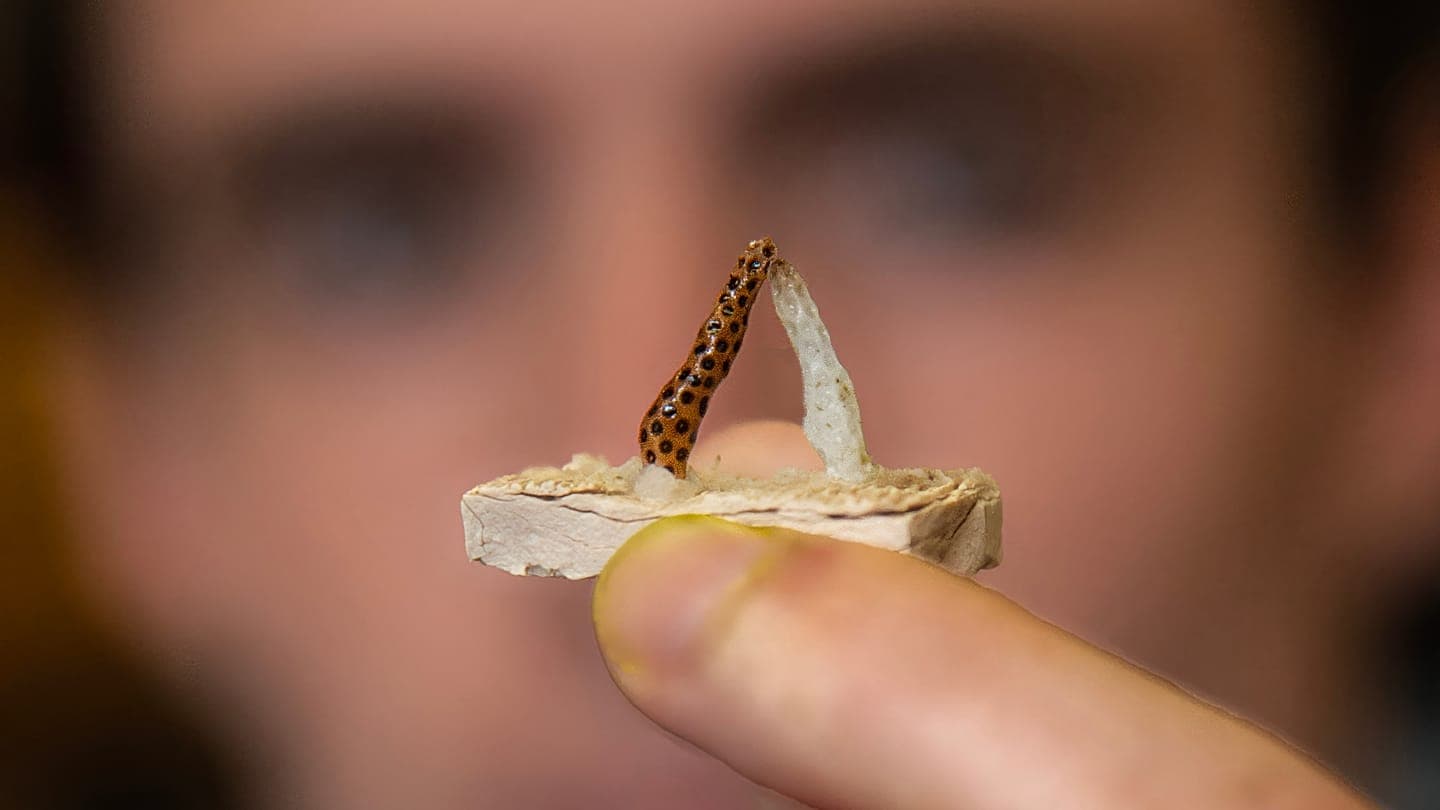
A study published in Science Advances showed that if a bleached coral is kept in contact for several days with a healthy, genetically identical fragment of the same colony, beneficial algae transfer to it through fused tissues, and it recovers in less than two months. The method is not yet applicable in the ocean because it requires 'twins,' but scientists are looking for a way to deliver the algae differently.

3 min read