The key facts
- Johan Rockström: damage to coral reefs and the Amazon forests is approaching an irreversible level
- At risk are parts of the Atlantic Ocean circulation system, including the current that influences the climate of Western Europe
- Temperature may rise by 1.5 °C relative to the pre-industrial period within the next few years
Warming accelerates, ecosystems near critical thresholds
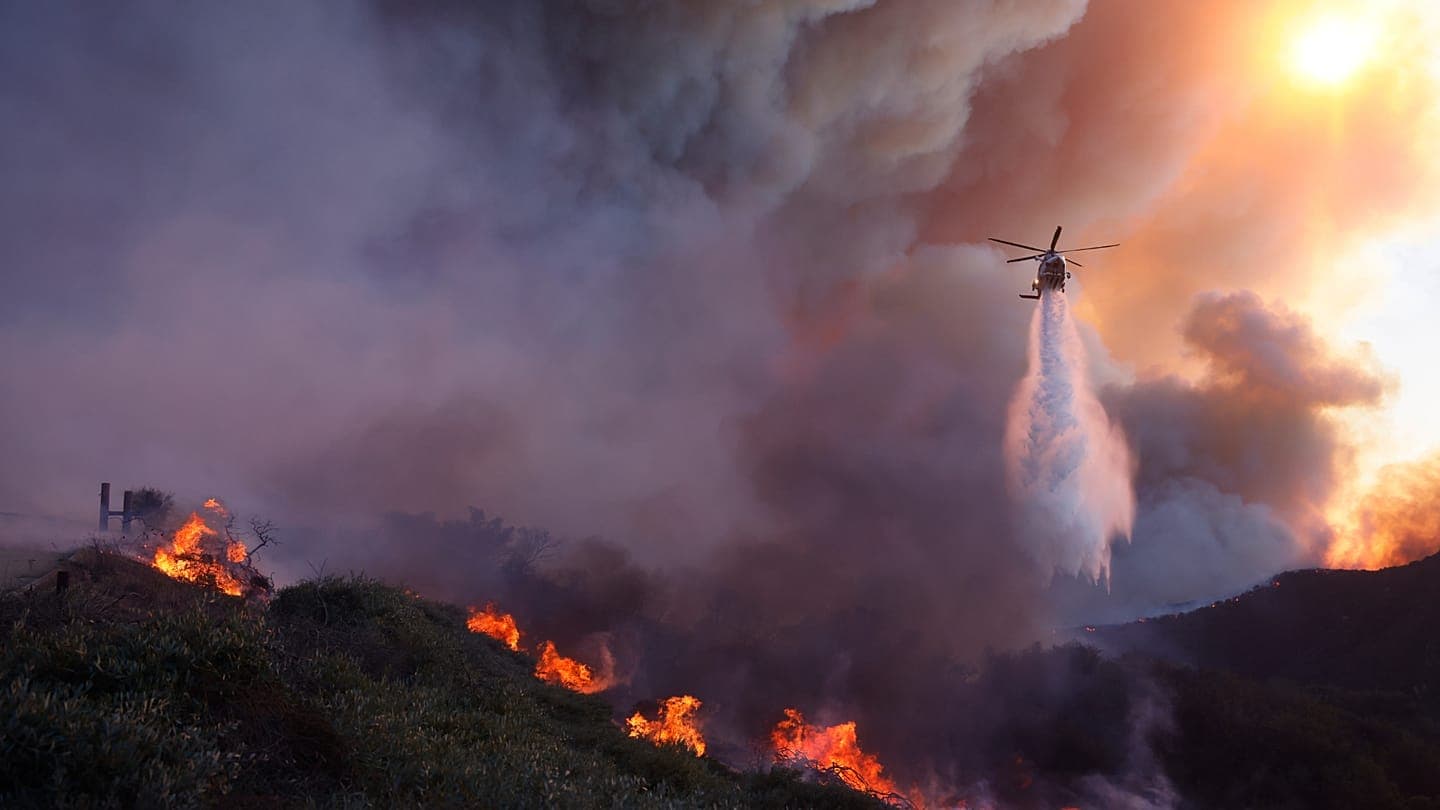
Global warming is accelerating and pushing the Earth toward critical thresholds, beyond which irreversible changes to key ecosystems are possible. This was stated by Johan Rockström, director of the Potsdam Institute for Climate Impact Research, at the Reuters European Conference on Sustainability.
Reefs, the Amazon and the Atlantic under threat
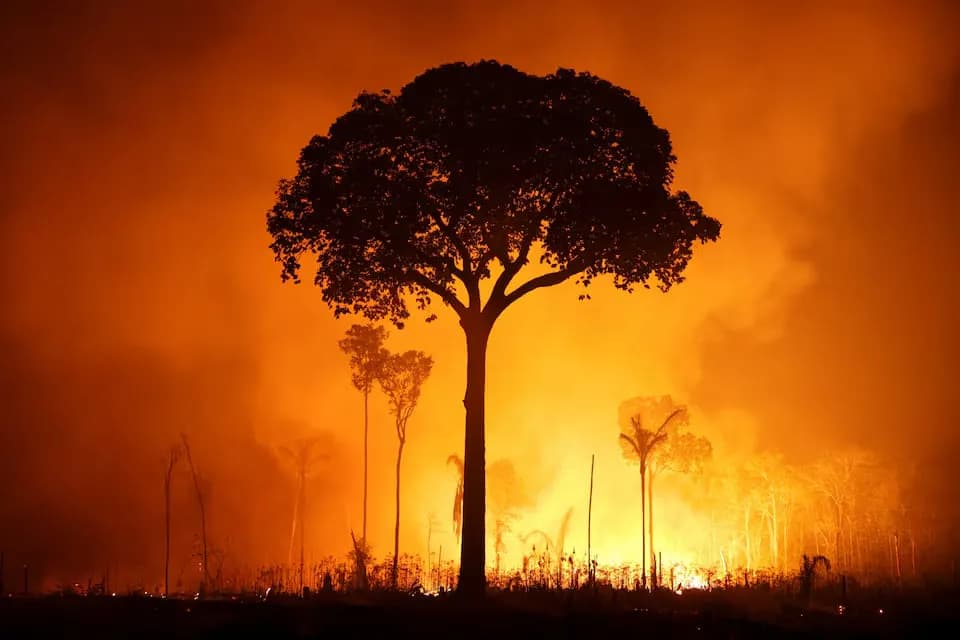
According to the scientist, damage to coral reefs and the Amazon rainforests has approached an irreversible level. In addition, individual parts of the Atlantic Ocean water circulation system are at risk of disruption, including the current that brings warm water from the Caribbean Sea and helps maintain the temperate climate of Western Europe.
Temperature forecast
Rockström noted that the latest scientific data show that within the next few years the Earth's average surface temperature may rise by 1.5 degrees Celsius compared with the pre-industrial period. This will lead to more frequent and more intense extreme weather events.
Statement on the eve of COP31
The scientist made his remarks on the eve of the UN climate conference COP31, which begins on November 9.
Calls to business and criticism of lobbying
Rockström called on companies to treat climate change and nature protection as a single direction: alongside reducing carbon emissions, he believes, it is necessary to invest in preserving and restoring biodiversity and protecting freshwater reserves. He also criticized lobbying efforts aimed at softening the rules for the phase-out of internal combustion engine vehicles, and emphasized that subsidies for petrol and diesel weaken consumer demand for electric vehicles.