The key facts
- A rain garden is a sunken flower bed with native perennials and shrubs tolerant of waterlogging, into which surface runoff is directed.
- It retains excess water and pollutants, keeping them out of storm drains and water bodies, and protects the basement and foundation.
- The garden should be placed no closer than three metres from buildings, not above a septic tank, and not near a drinking well; the most moisture-loving species are planted in the centre.
Floods in Catalonia and Growing Interest in Rain Gardens
Heavy rains and floods hit Catalonia, Spain, last week: according to Euronews, at least two people died, and residential houses and roads were flooded. The outlet reminds readers that scientists predict an increase in extreme weather events worldwide, partly linked to human-induced climate change. Against this backdrop, Euronews notes, the argument for a 'rain garden' — a solution that can help protect a home both from floods and from the effects of drought — becomes increasingly convincing: in arid regions, gardeners also turn to rain gardens and other ways of collecting rainwater.
What a Rain Garden Is and How It Works
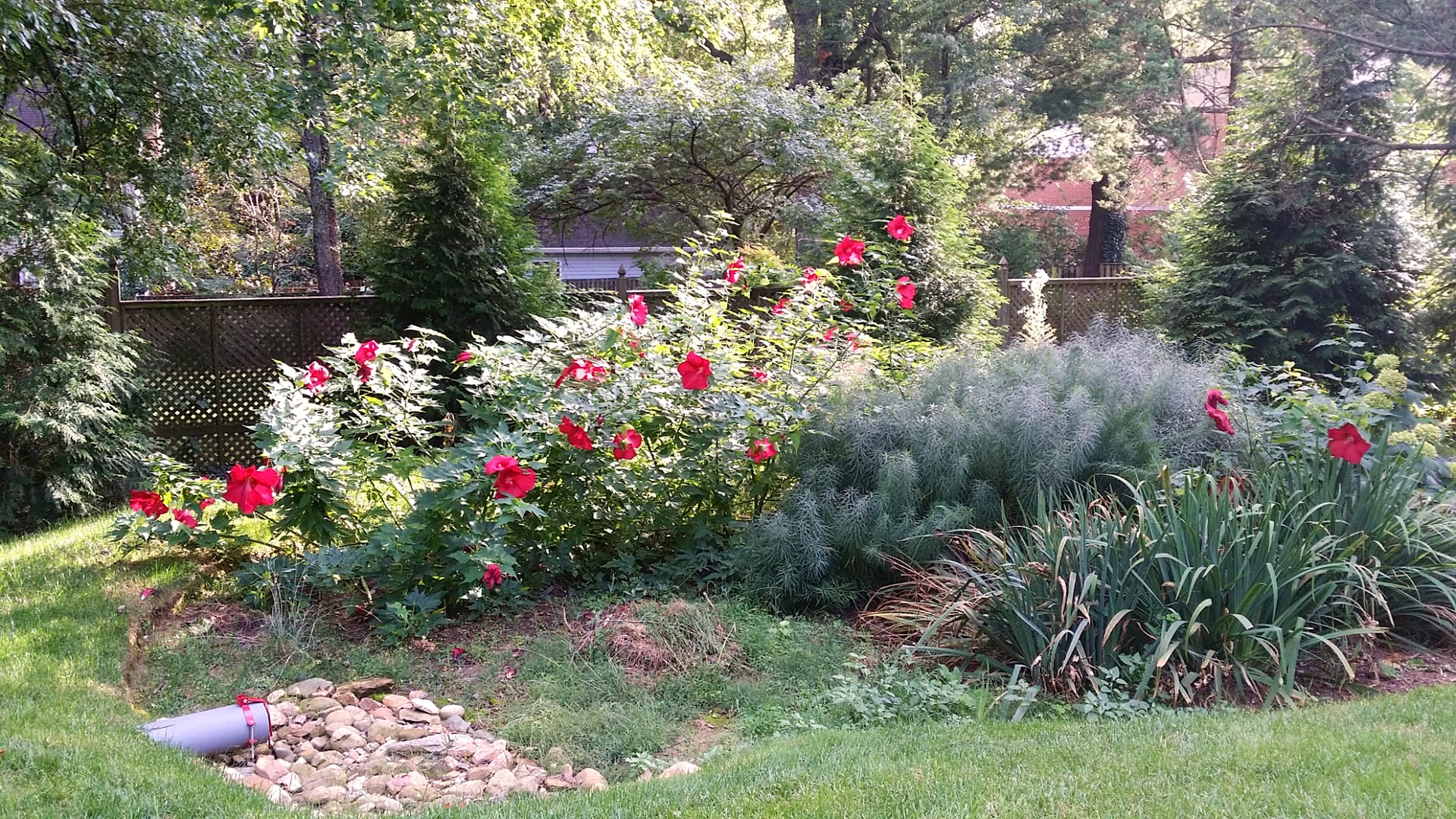
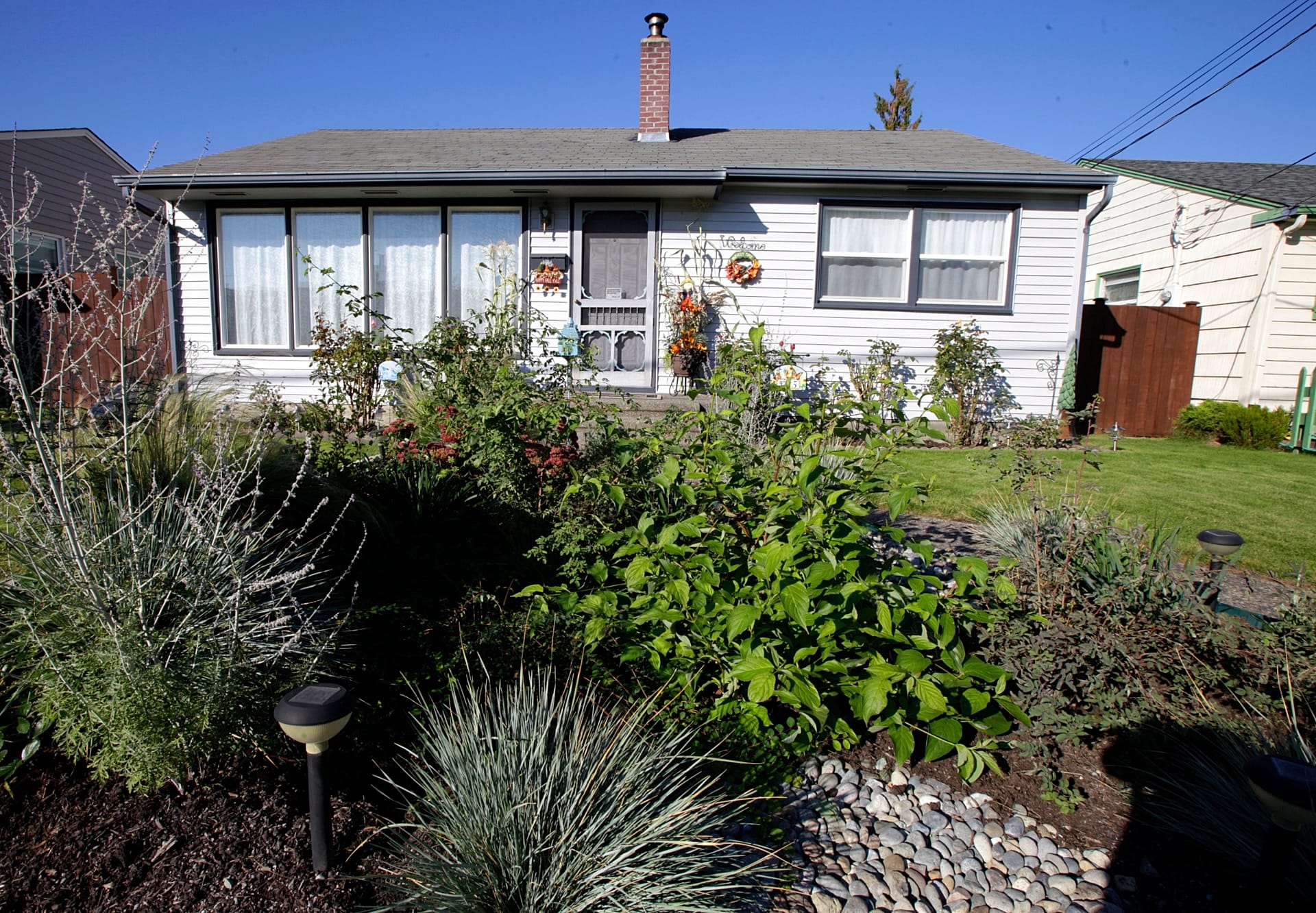
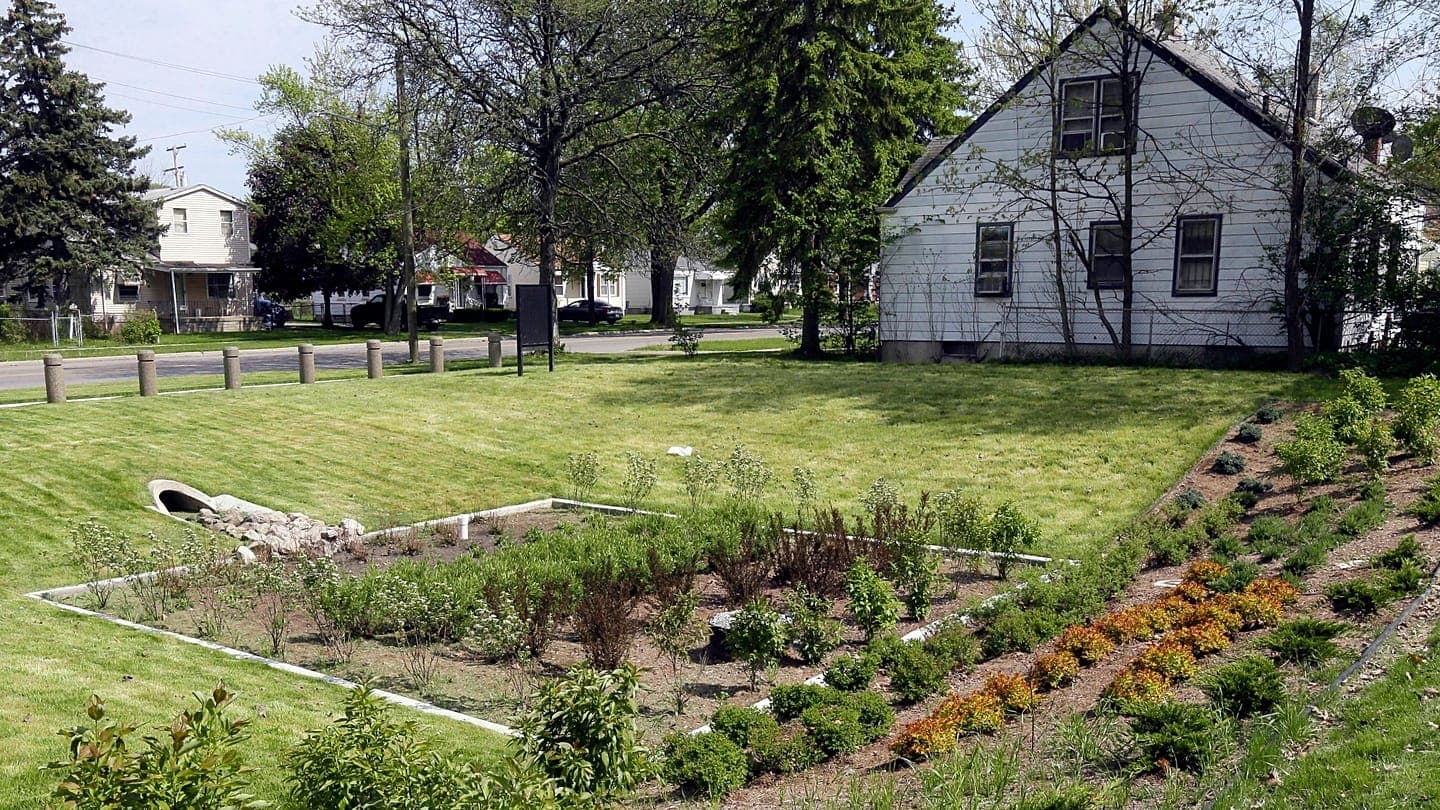
A rain garden is a sunken flower bed planted with native perennials and shrubs selected for their tolerance of waterlogging. It is placed at a point where water flows from downspouts, driveways, compacted soil, and other sources of surface runoff. The runoff feeds the plants, and as the water soaks into the soil, pollutants are filtered out: road silt, litter, pathogens from pet waste, fertilisers, and chemicals do not end up in storm drains, watersheds, and wetlands. In addition, a rain garden can prevent water from entering the basement and damaging the foundation.
How to Create a Rain Garden
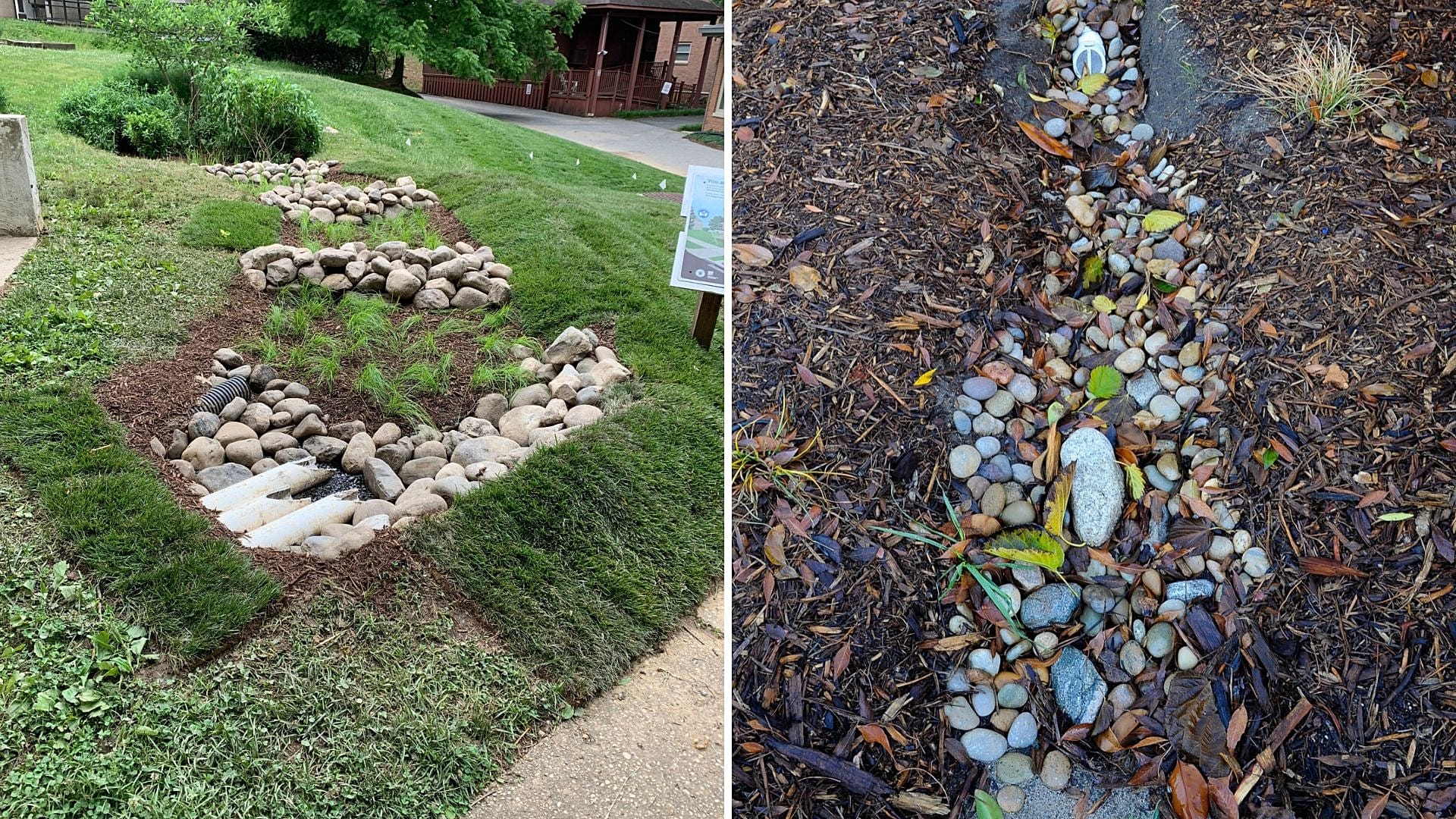
The size can be anything, but the flower bed should be located no closer than three metres from the house, garage, and other buildings, not above a septic tank or underground utilities, and not near a drinking water well; slopes and initially wet areas should be avoided. The flower bed is given the shape of a kidney, crescent, circle, or drop. The soil is either gradually sloped toward the centre so that it is 15 centimetres below the perimeter, or the entire area except the edge is dug out to a depth of 15 centimetres, forming an earthen berm of that height around the depression. Water is directed to the flower bed using a downspout extender, a slope, a ditch, or an underground PVC pipe from a distant downspout; to slow the flow, the ditch or slope is lined with stones or pebbles. Some gardeners leave the centre free of plants and cover the soil there with stones.
Plant Selection and Maintenance
It is recommended to choose native species adapted to excess moisture, and in the centre — even to bog conditions: native plants are easier to grow, require less maintenance, and provide habitat for bees, birds, butterflies, and other creatures. Euronews advises combining flowering perennials with sedges and grasses, adding shrubs and small trees if space allows, while evergreen plants help protect the site from erosion. As a resource for finding native vegetation by region, the outlet names FloraVeg.EU. Plants with the greatest moisture needs are planted in and around the centre, where water pools before soaking in, while species with moderate needs go along the raised, drier rim. In the first year, if there is no rain, plants are watered as needed until the roots become established, and weeds are removed until the plantings close the empty gaps. Once created, a rain garden requires minimal maintenance.