The key facts
- Turkey has rebuilt 450,000 homes after the February 2023 earthquakes, with attention to the climate resilience of buildings and infrastructure.
- The YEK-G system of Turkish operator EPİAŞ verifies the origin of renewable electricity using blockchain; one certificate corresponds to 1 MWh.
- New Tashkent, under construction since 2023, provides for 2,000 hectares of green zones; more than 1.35 million trees were planted in old Tashkent from 2022 to 2026.
Two approaches to climate resilience
More than half of the world's population lives in cities, where people and infrastructure increasingly face heat, floods and droughts. As Euronews reports, Turkey is embedding resilience both in the urban environment and in energy systems — from housing reconstruction to tracking the origin of 'green' electricity. Uzbekistan is working on two scales: designing New Tashkent practically from scratch and simultaneously adapting the existing capital.
Rebuilding Turkish cities after the earthquakes
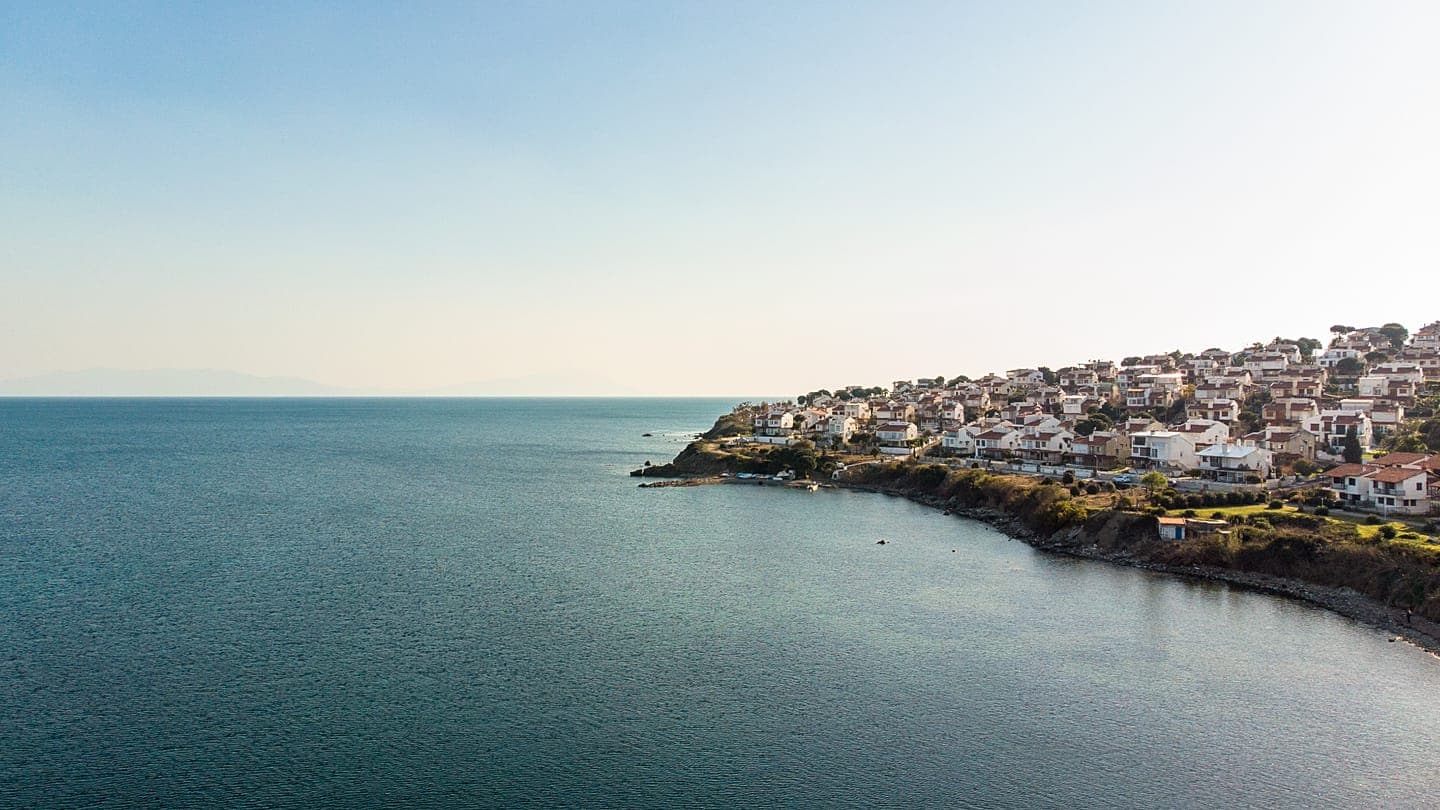
The earthquakes in southern Turkey in February 2023 damaged or destroyed hundreds of thousands of homes and forced millions of people to leave their places of residence. Emlak Konut developer CEO Yasir Yilmaz said the recovery affected drainage systems, riverbeds and transport infrastructure. 'While rebuilding the cities and 450,000 homes, we recreated the cities together with all the infrastructure and social facilities,' he said, adding that particular attention was paid to the resilience of buildings to climate risks.
YEK-G renewable energy certification
Turkish energy market operator EPİAŞ runs the YEK-G renewable energy guarantees of origin system: electronic certificates confirm that the corresponding volume of electricity was produced from renewable sources, each corresponding to one megawatt-hour. The voluntary system uses blockchain to record data from production to consumption. Energy Exchange Istanbul Vice President Mustafa Aydin gave the example of electric vehicles: 'With the YEK-G certification system, we can confirm that electricity produced at renewable energy facilities actually reaches the consumer.' Car charging can be matched with the output of solar, wind and hydroelectric power plants.
The role of education
Climate High-Level Champion Special Advisor Chris Mensah believes that infrastructure and technology are only part of preparing cities for environmental risks. 'The responsibility is not about who exactly should do this, but about building awareness from the very beginning, providing knowledge and educating people,' he said. In his view, climate education should start at an early age, and schools can help people understand the risks their cities face.
New Tashkent: a city from a blank slate
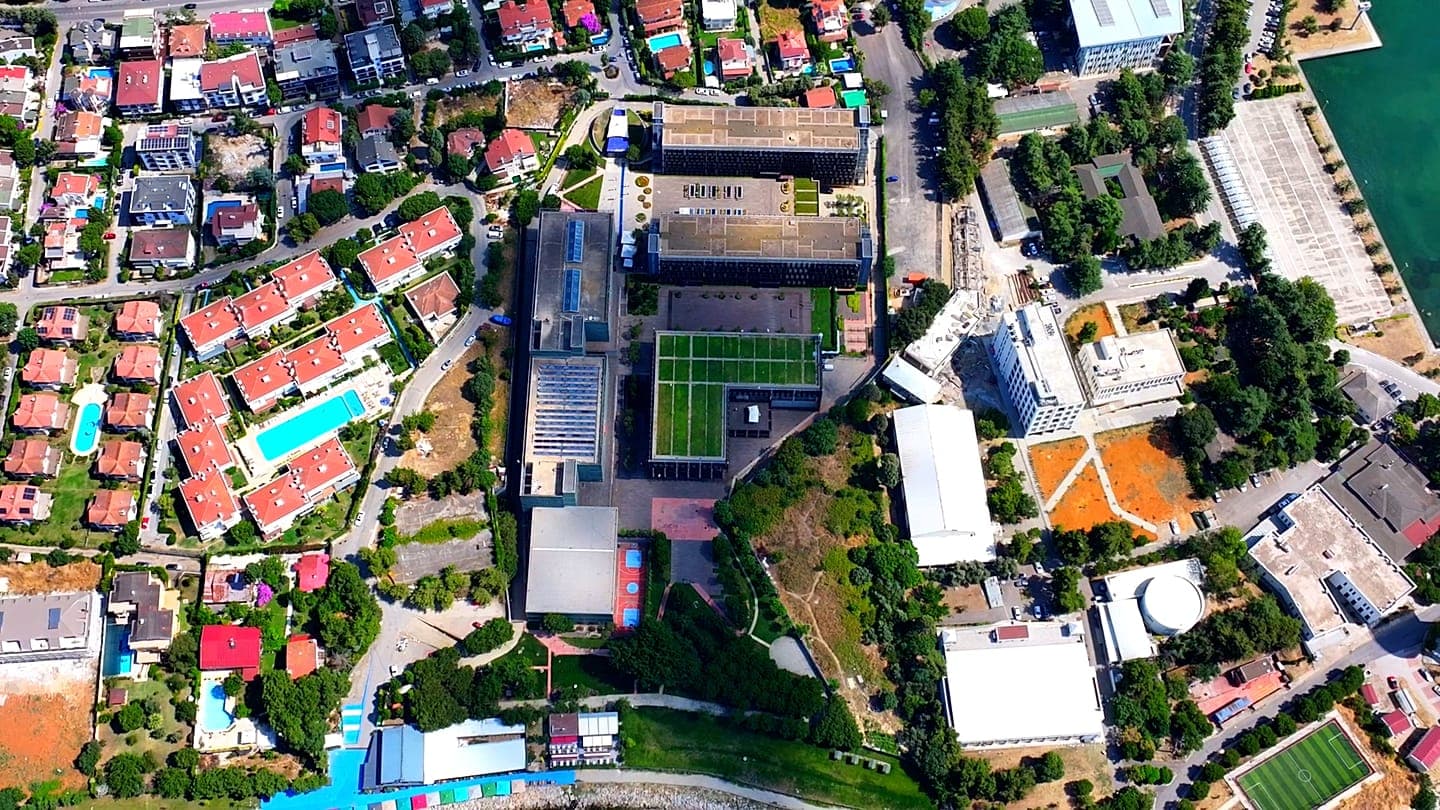
Construction of New Tashkent on the eastern outskirts of Uzbekistan's capital began in 2023. The master plan provides for 2,000 hectares of green zones and another 500 hectares of parks; several major facilities, including a trigeneration plant and an electrical substation, were commissioned in October 2026. Saidazim Sharipov, advisor to the director of the New Tashkent Directorate, said plants are selected with arid conditions in mind, drip irrigation is used, and wastewater is to be treated and reused for technical needs and greening; buildings provide for rainwater collection. Instead of lawns, adapted shrubs are used, and canal beds are reinforced to reduce water losses from seepage. Deputy director of the Directorate Sharaf Rajabov noted the installation of solar panels on rooftops across the territory. Chief project engineer Asilturk Chakmak described the operation of the trigeneration plant: 'In summer, the system provides hot water as well as chilled water for air conditioning homes. In winter, steam produced by the boiler plant is used for heating.' Part of the infrastructure is already operating, but since a significant part of the city is not yet inhabited, many systems have not yet been tested under the load of a fully functioning city.
Adapting the existing Tashkent
In Tashkent itself, existing streets and buildings leave fewer opportunities to change the urban environment. According to Uzbekistan's environmental authorities, more than 1.35 million trees and shrubs were planted in the capital from 2022 to 2026; new green belts are planned, including in the Bektemir district and along the Chirchik River. Bekzjon Egamov, chief specialist of the Tashkent City Environmental Administration, reported that in spring 2026 a green belt of 4.23 hectares with 1,415 ornamental trees irrigated by drip irrigation was created in the Bektemir district. Unlike New Tashkent, here green zones have to find a place in an already established urban environment.