The key facts
- The village of Rukurukulevu (about 400 people) was fully electrified this year, but residents complain of bills up to FJ$200–300 a month and are switching to solar panels costing about FJ$3,000
- Fiji spends up to 12% of GDP on fossil fuel imports; the goal is 90% renewable energy by 2035, with a spending plan of FJ$2 billion over a decade
- Minister Ro Filipe Tuisawau warned of possible water and electricity rationing in about four weeks if rains do not intensify by mid-November
A Village on Solar Panels
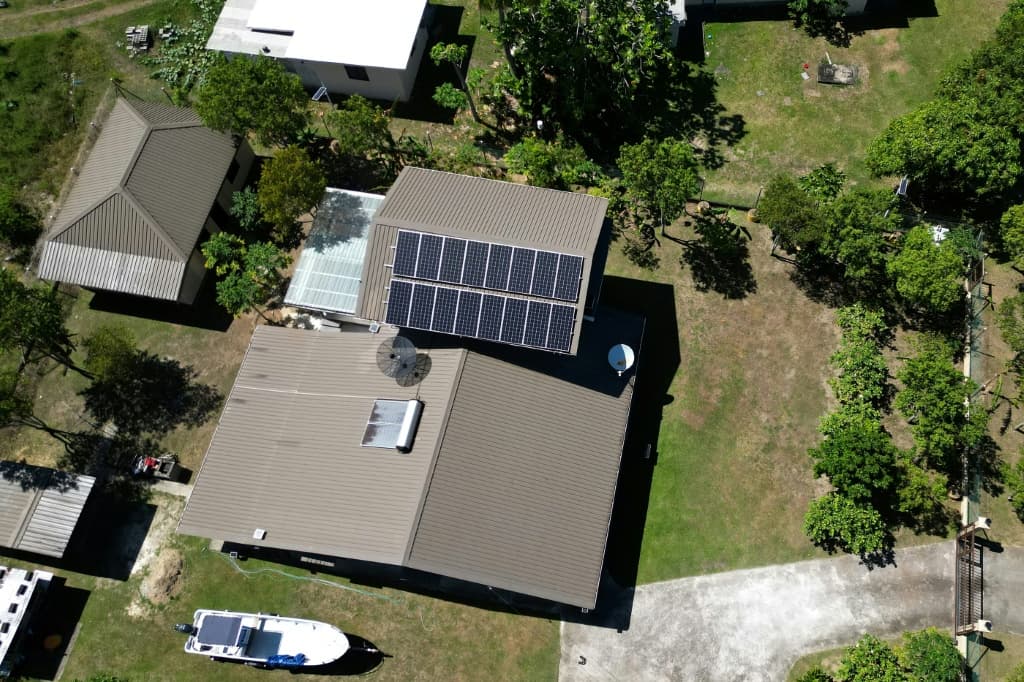
In the Fijian village of Rukurukulevu, home to about 400 people, the last building — a kindergarten right by the sea — was electrified this year. However, as AFP reports, residents are struggling with rising electricity bills amid the war in the Middle East and other factors. Village representative Vereniki Nalio said that bills in some homes exceed FJ$100 (about US$44), while the church, community halls and the pastor's house pay FJ$200–300 a month; he himself pays about FJ$60 and calls it a 'very, very high' price. Some residents have already installed solar panels: a basic system costs about FJ$3,000 — a high upfront cost, but, according to Nalio, after reports that fuel and petrol might no longer reach Fiji, the village began thinking about renewable energy. The village also hopes to install panels on public buildings to reduce overall expenses. 'The sun is already here,' Nalio said.
Impact of the Middle East Conflict
According to AFP, since the US and Israel attacked Iran in February, fuel supplies from the Persian Gulf have slowed, causing a global energy shortage and pushing residents toward renewable sources.
Pre-COP and Power Outages
This month Fiji hosted the pre-COP — a UN climate meeting where Pacific island nations demanded faster access to climate financing for renewable energy projects. The event was a prelude to the main COP conference next month in Turkey, where organizers will seek commitments from states on electrification — replacing technologies that directly burn fossil fuels (diesel cars, gas heating) with electric alternatives. Symbolically, on the second day of the meeting, a major grid failure left 4,000 participants without power.
Threat of Rationing
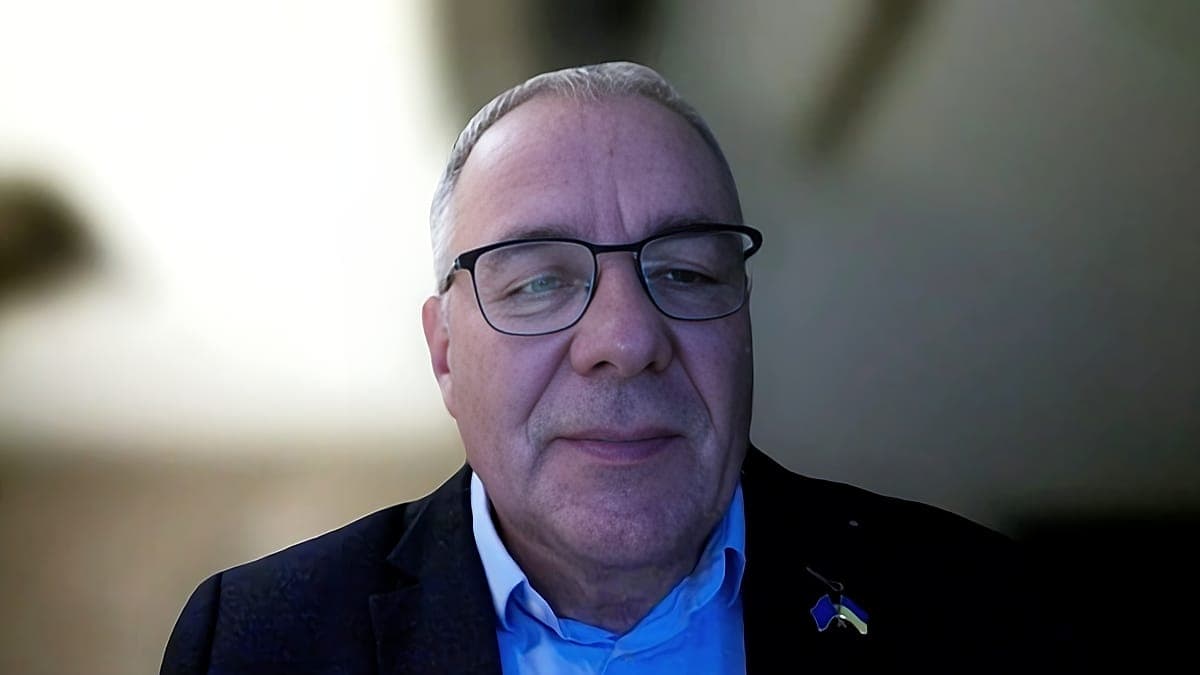
Government minister Ro Filipe Tuisawau, who oversees public works, the meteorological service and transport, linked rising energy prices to excessive dependence on fossil fuels and El Niño. According to him, the cyclical climate phenomenon is particularly strong this year and is causing Fiji's hydroelectric plants to dry up. He warned AFP that the dams 'will be in a critical situation' if rainfall does not increase by mid-November: 'We will probably move to rationing water and electricity in the next, possibly four weeks, if the situation does not change.' He added that hotels may enjoy themselves for now, 'but we will cut off their water for pools.'
Government Plans
Fiji spends up to 12% of GDP on fossil fuel imports, which Tuisawau called 'a huge drain on our resources.' The country aims to reach 90% renewable generation by 2035 and plans to spend FJ$2 billion on developing solar and hydropower over the next decade: at least FJ$460 million on solar farms in the next four years, FJ$650 million on two new dams, and more than FJ$700 million on expanding the main power transmission lines. For now, the minister admits, many islanders are facing the sharp end of the energy crisis: 'With prices, geopolitical problems and, on top of that, El Niño right now — it is a very difficult situation.'