The key facts
- El Niño has caused floods in South America and drought in Central America and Sudan
- The Met Office calls the phenomenon 'unprecedented', the Japanese agency — the strongest on record; NOAA has not yet declared a record
- 44% of reef-building coral species are threatened with extinction — a study in Nature
Scale of the Phenomenon and the Record Debate
El Niño is a natural phenomenon that occurs when water temperatures in the eastern Pacific become abnormally high; it recurs roughly every two to seven years and typically raises the average global temperature by about 0.2 °C. Estimates of the strength of the current 'Super El Niño' differ: the British Met Office calls it 'unprecedented', the Japanese meteorological agency — the strongest ever observed, yet American forecasters have not yet declared a record. According to NOAA, the strongest El Niño year in its dataset remains 1982, but the agency says the current episode will most likely surpass it. Under NOAA's updated index, an anomaly of 2.5 °C in a key Pacific region relative to the rest of the tropical waters, sustained for at least three months, would mean the most intense El Niño in the history of observations. Climatologist Emily Becker of the University of Miami noted: 'By any measure, we are dealing with a very strong El Niño,' adding that its place in history can only be fully assessed after the phenomenon ends.
Coral Reefs and Forests Under Threat
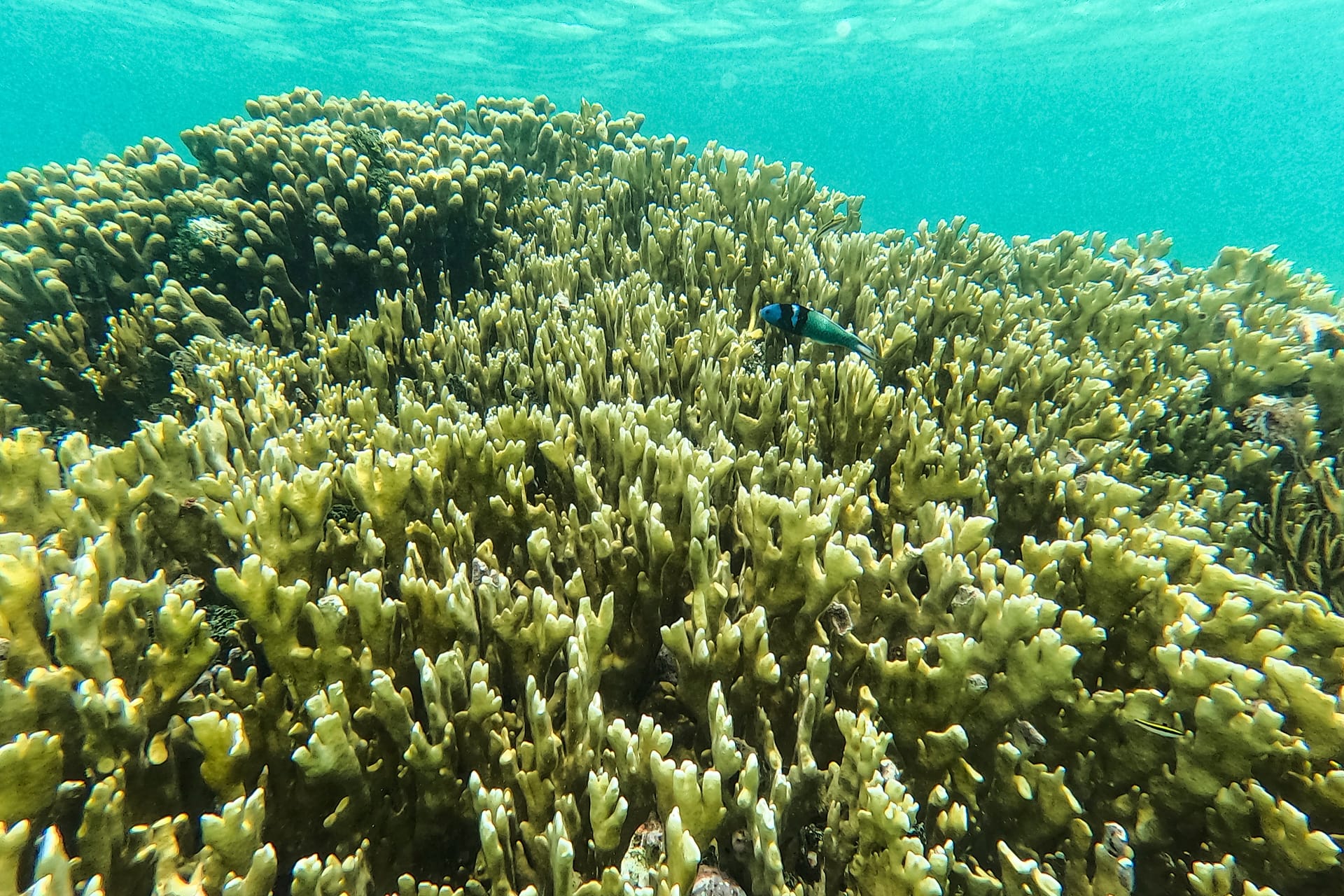
David Obura, chair of the UN expert conservation panel, said the current El Niño poses a 'terrible additional risk' to the world's coral reefs. The fourth global coral bleaching event in history, combined with El Niño, is worsening their situation. The reassessment of corals led by Obura, published in the journal Nature, showed that reef-building species have sharply declined since the last global census in 2008, and 44% of them are threatened with extinction. Forests are also at risk: according to the independent Forest Declaration Assessment, deforestation slowed last year, but progress is in question due to deteriorating conditions in Central Africa and the increased risk of wildfires in the tropics from El Niño.
Drought in Central America
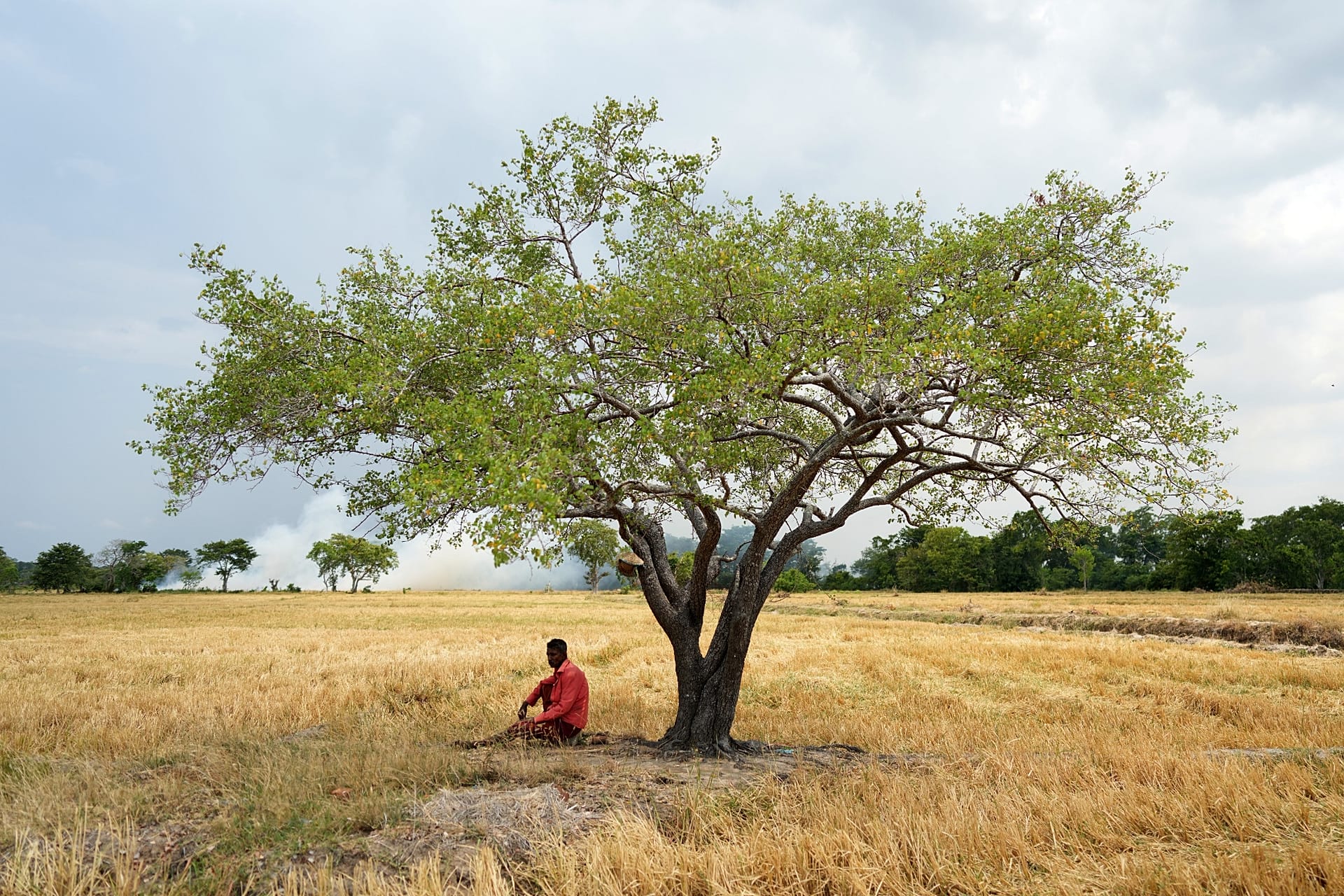
The drought caused by El Niño is damaging the Central American Dry Corridor, which stretches from Mexico to Panama. In El Salvador, where August temperatures were 4.3 °C above normal, agricultural livestock is suffering. 'Imagine how emaciated this little animal is! Why? Because there is no grass,' said 54-year-old rancher Antonio Aguilar, pointing to an exhausted cow at the livestock market in Sensuntepeque. The peak of the phenomenon is expected by the end of the year; a warmer atmosphere dries out soil faster and holds more moisture, intensifying both droughts and downpours.
Floods in South America
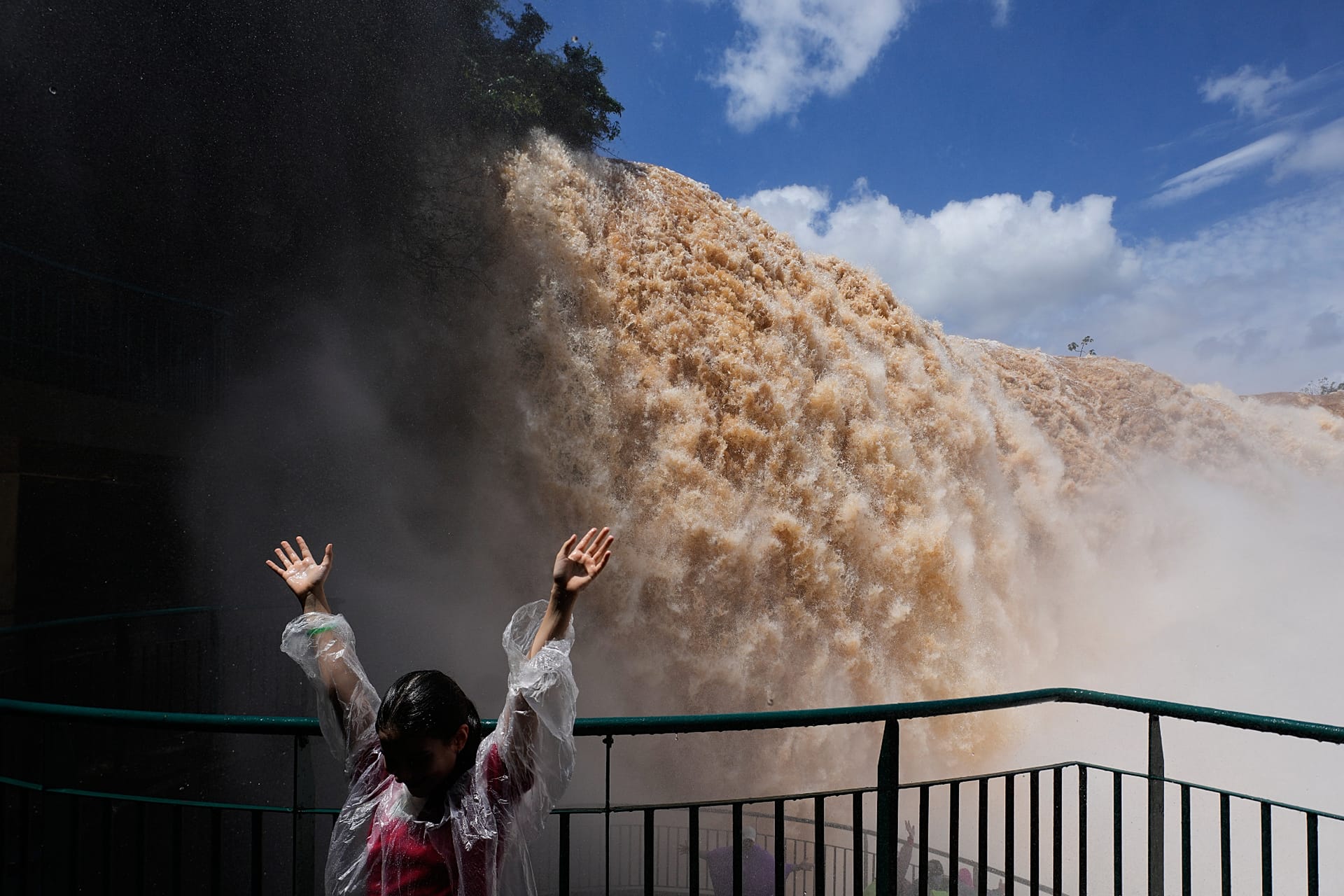
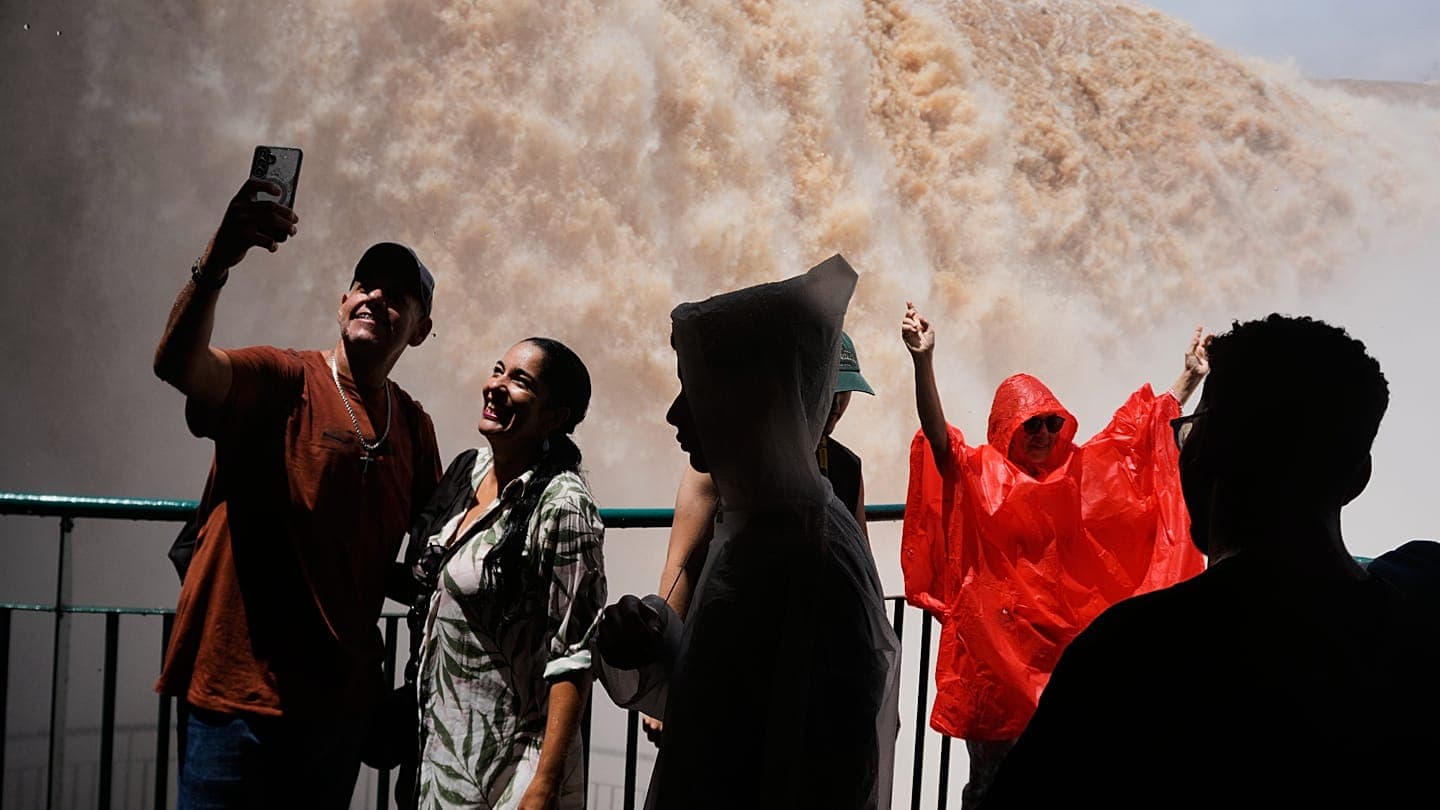
Extreme rains caused the Iguazu River to flow six times fuller than usual last week. Authorities of the Argentine park closed tourist trails, including the walkway to the 'Devil's Throat' — the largest cascade of the Iguazu Falls. On October 15, the level of the Paraná River in northeastern Argentina rose to a dangerous 4.7 meters, and evacuations began in nearby towns. Floods have also forced thousands of people to leave their homes in Paraguay and Uruguay. In previous El Niño episodes, elevated flood risk was experienced in South America, the southern United States, East Africa and Central Asia.
Risks to Poverty and Food Security
Head of the UN Development Programme Achim De Croo warned that El Niño, combined with rising energy prices and higher interest rates, could push millions of people into poverty. The drought has affected more than half of Sudan's territory, where conflict is already fueling hunger, causing local crop failures and depriving households of food and income. According to the Dutch IHE Delft Institute for Water Education, Europe's dependence on imports of basic products such as corn and beans could threaten its food security. The Central Bank of Sri Lanka warned that El Niño could undermine the island's fragile recovery from its worst economic crisis in decades: heavy rains are forecast until December, followed by a prolonged drought in early next year. De Croo called on private investors to take into account both the 'economic cost' of climate change and the 'business benefit' of fighting it.