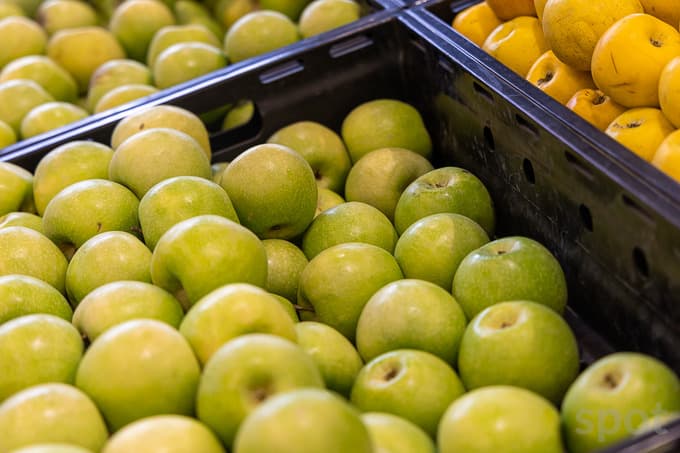
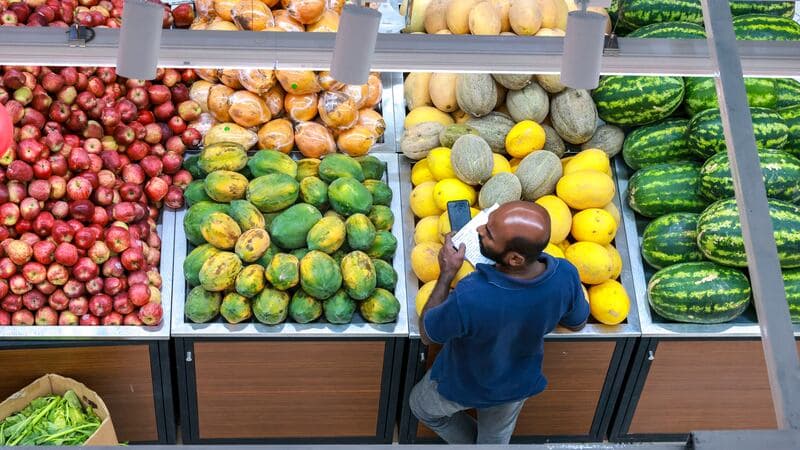
The decree was signed by Prime Minister Adylbek Kasymaliev on October 27. The measure is aimed at protecting local orchardists and selling the 2026 harvest. Uzbekistan is among the main apple suppliers to the Kyrgyz market.
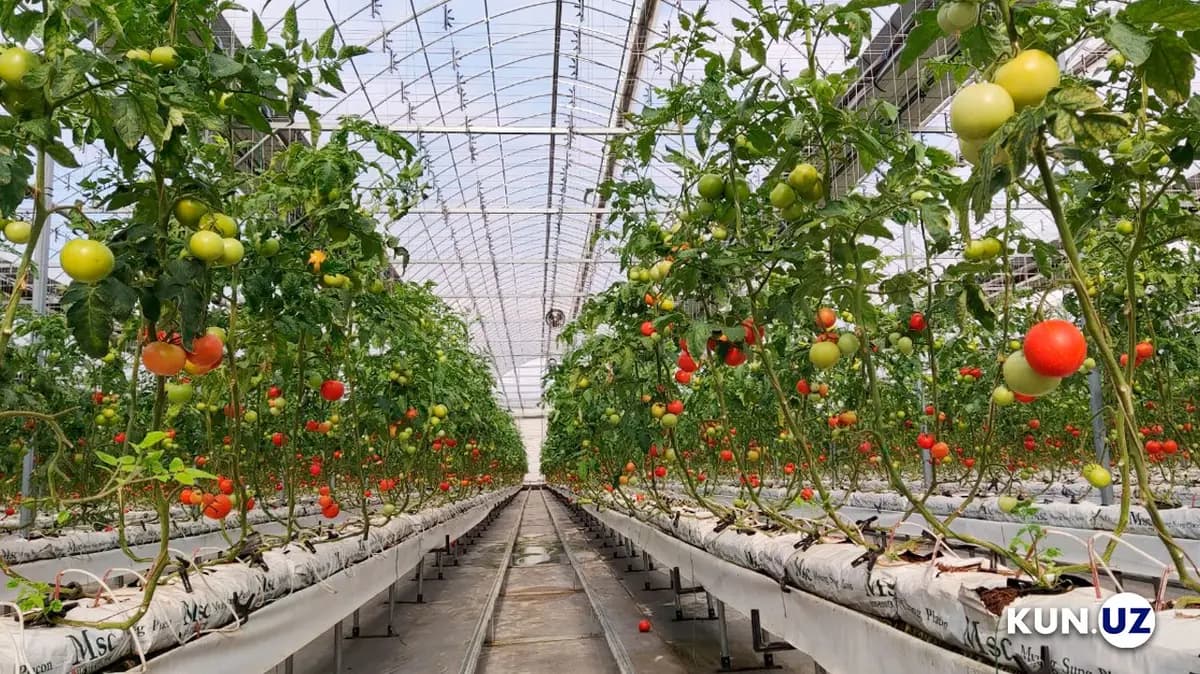
In Uzbekistan, starting November 1, a subsidy is being introduced for greenhouses that use the energy-saving «kyorpa» covering or efficient «green» heating systems. The support applies to electricity costs incurred from October to March.
Climatologist Erkin Abdullakhatov spoke about the weather for the coming week: overnight frosts down to −2 degrees in Karakalpakstan and Khorezm, daytime warming up to +25, the risk of harmful particle accumulation during calm conditions, and recommendations for vulnerable groups and farmers.
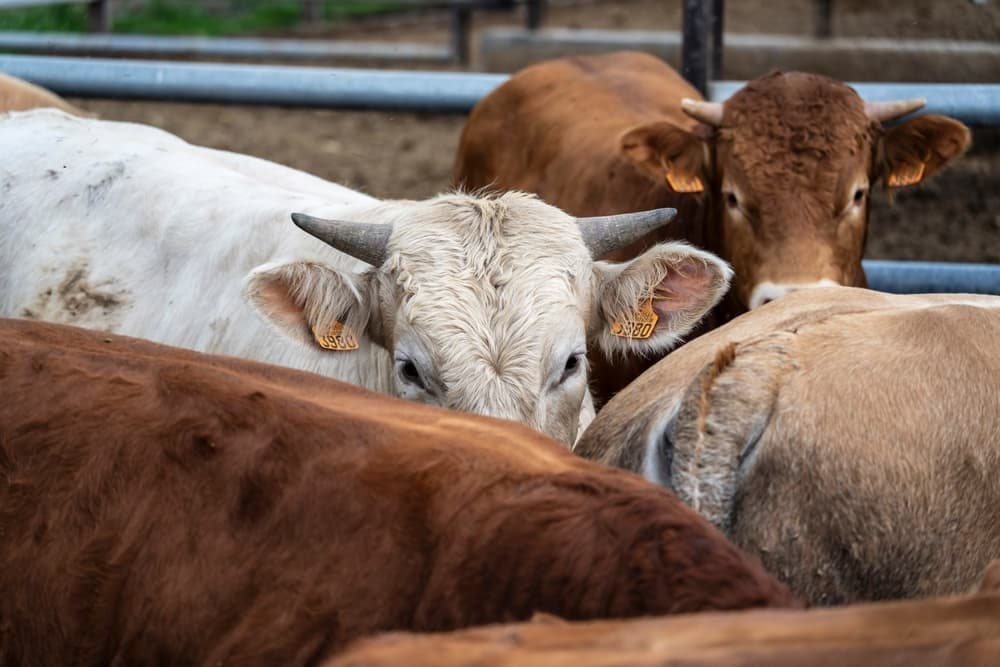
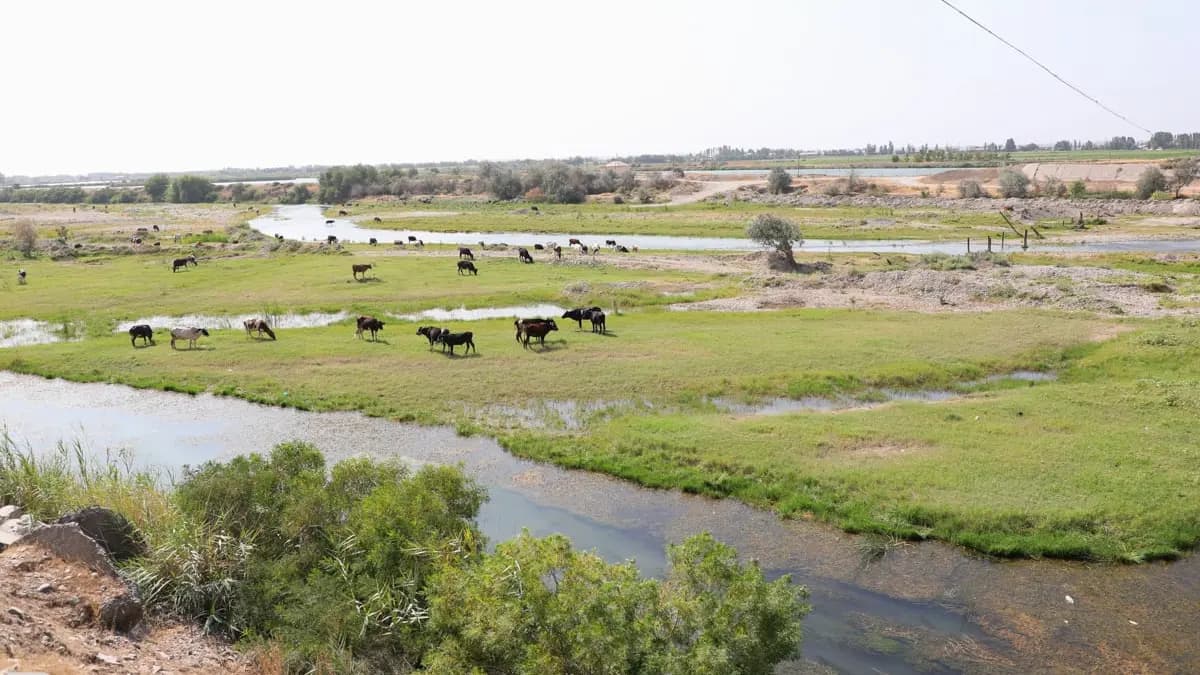
A quarantine has been imposed by an order of the regional Ministry of Agriculture after an outbreak of leptospirosis was detected at a dairy farm in the village of Staraya Ruza. A restricted zone with a radius of one kilometer has been designated, covering the villages of Glukhovo and Staraya Ruza and the settlement of the same name. Fairs, livestock removal and access by outsiders are prohibited.
Dubai authorities announced the launch of the Dubai Food Security Strategy 2030, approved by Dubai's Crown Prince Sheikh Hamdan bin Mohammed. The strategy covers five areas — availability, affordability, food quality and safety, sustainability, and support for the sector — and includes five initiatives: from developing local agriculture to reducing food waste and strengthening supply chains.
On 1 May 2026, Amsterdam became the world's first capital to ban advertising for fossil fuels and meat. Euronews examines how advertising affects eating behaviour, what experts say about the effectiveness of such bans, and why agriculture accounts for a third of global greenhouse gas emissions. As of 1 May 2026, Amsterdam has become the world's first capital to ban advertising for fossil fuels and meat. Euronews examines how advertising affects eating behaviour, what experts say about the effectiveness of such bans, and why agriculture accounts for a third of global greenhouse gas emissions.
At a seminar held at the Ministry of Economy and Finance of Uzbekistan, the Center for Economic Research and Reforms presented a study of long-term decarbonization scenarios for agriculture and forestry up to 2070. According to CERR, the agricultural sector accounts for 17.5% of the country's greenhouse gas emissions, with about two-thirds of them being methane from livestock farming. Experts also noted problems: 37% of irrigation water is lost in canals, and nearly half of irrigated land is affected by salinization.
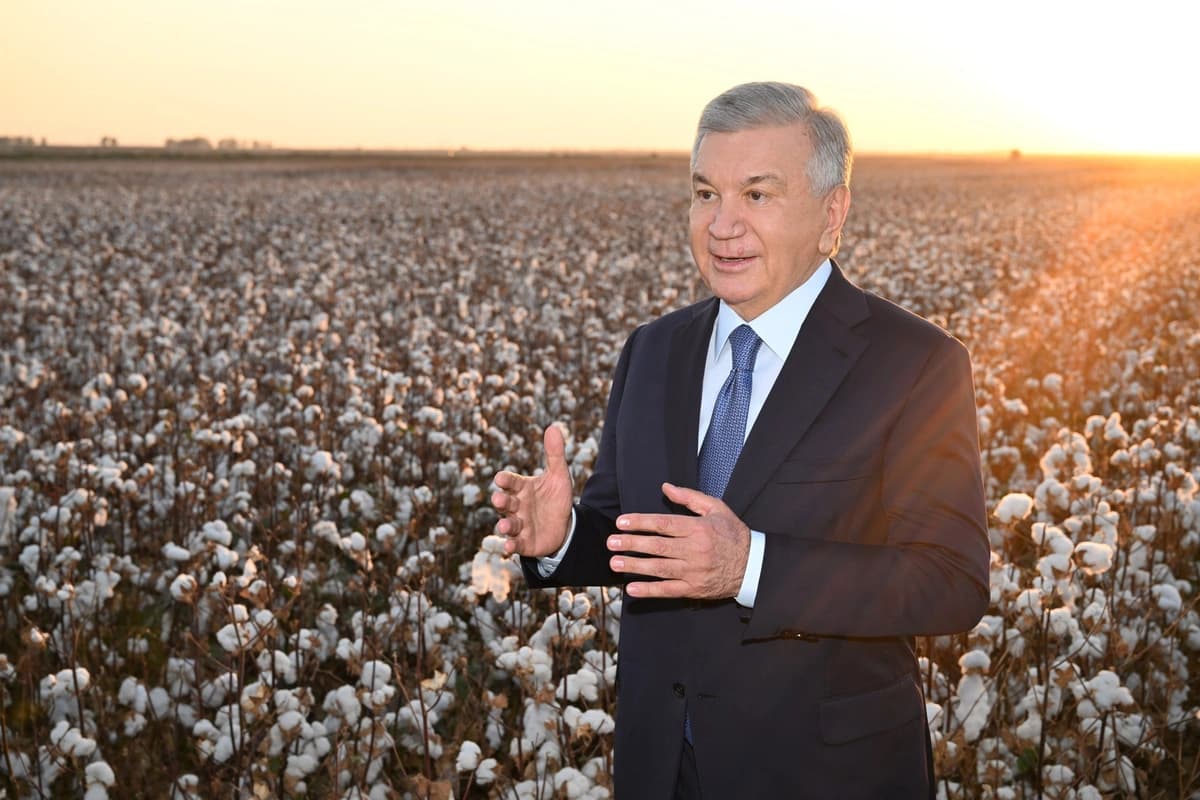
On October 21, at a meeting with entrepreneurs in Kashkadarya region, President of Uzbekistan Shavkat Mirziyoyev said the cotton harvest plan had been fulfilled at 101%, stressing that quantitative targets are not an end in themselves. According to the Ministry of Agriculture, by October 22, 4.63 million tons of raw cotton had been harvested (103% of the plan). The state order for cotton was abolished in 2020, but planned targets in the sector remain, which human rights activists criticized.
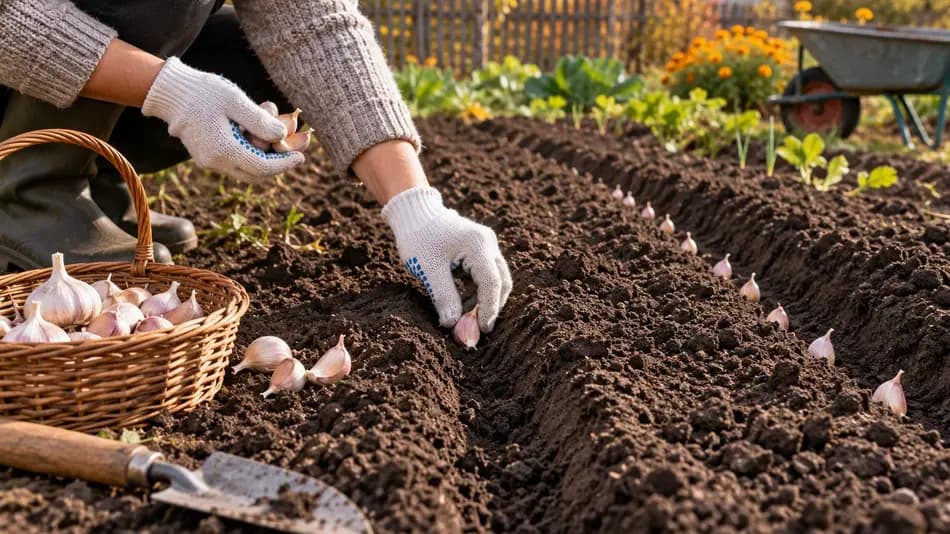
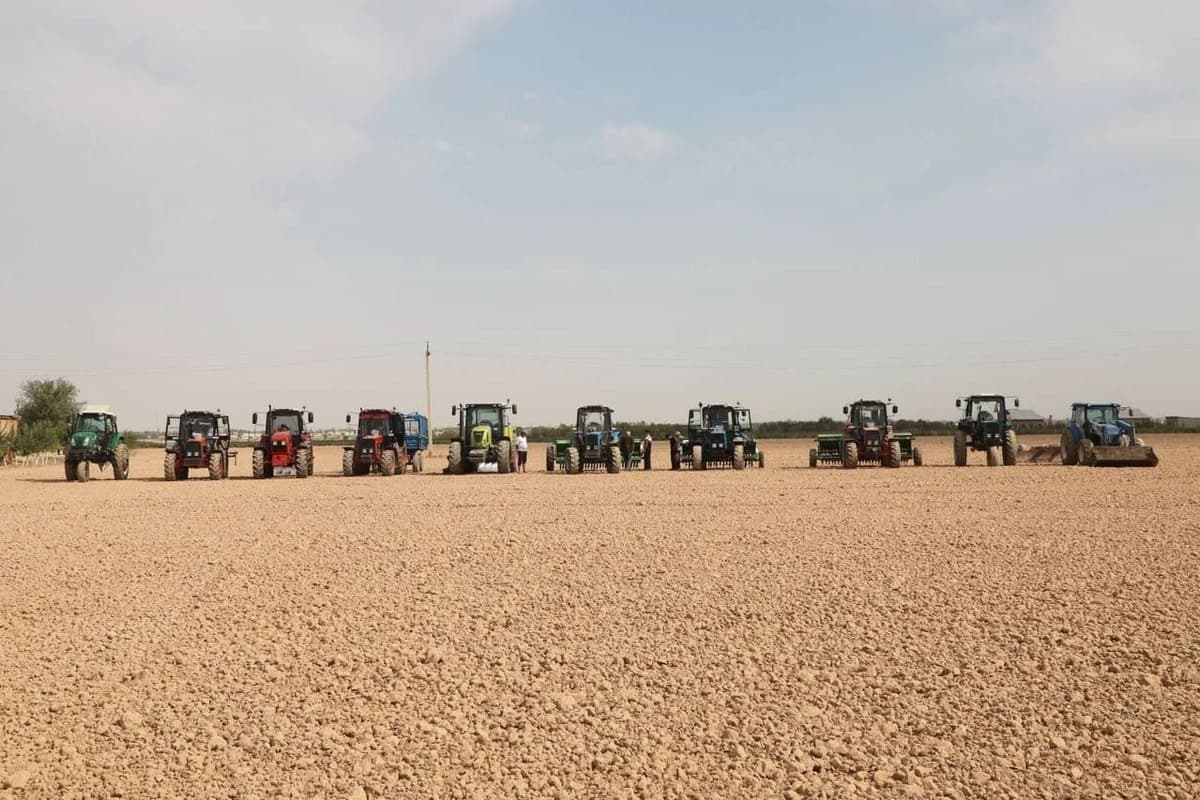
In the Vitebsk district of Belarus, at the Olgovskoye cooperative, 2.5 hectares were planted with winter garlic of the 'Krasny Maisky' variety brought from Uzbekistan. The planting is being carried out by Uzbek agronomists together with local specialists using a seeder from the Andijan joint venture Tekhmash. Two planting schemes are being tested, and the first harvest is planned for July 2027.
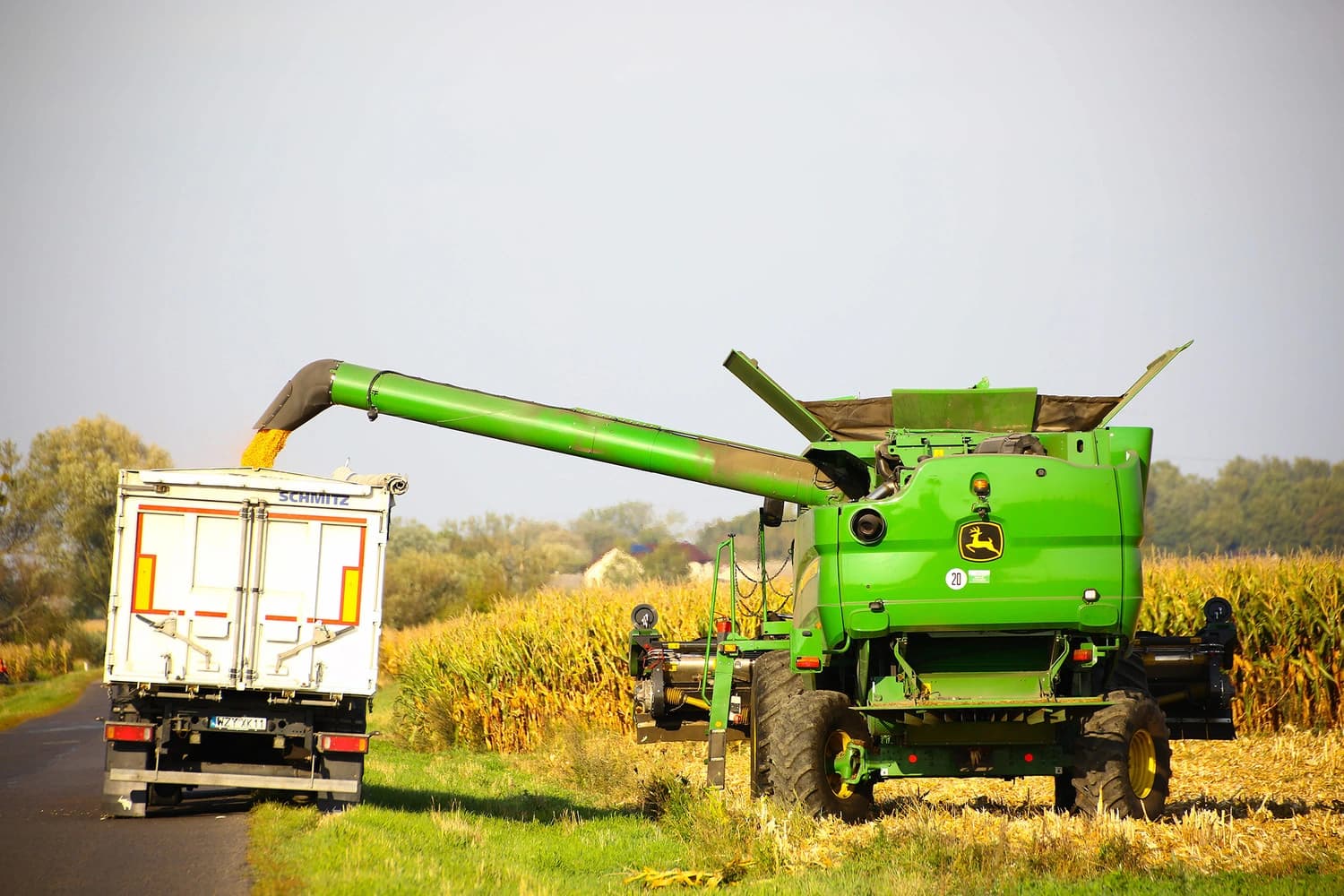
US President Donald Trump said the Department of Agriculture is launching an $8 billion aid program to pay for diesel fuel during the harvest season. He also promised additional funds after the elections and predicted that fuel prices would fall after the end of the 'war with Iran'.
Italy's Council of Ministers approved an emergency aid decree for hauliers, agriculture and fishing after mass protests over high fuel prices in the south of the country. The payments — up to 45 cents per litre, covering about 121 million litres of fuel — are to arrive within a month via the Agea agency. Some protesters have resumed deliveries, but strikes and blockades continue, and the authorities do not rule out a forced return to work.
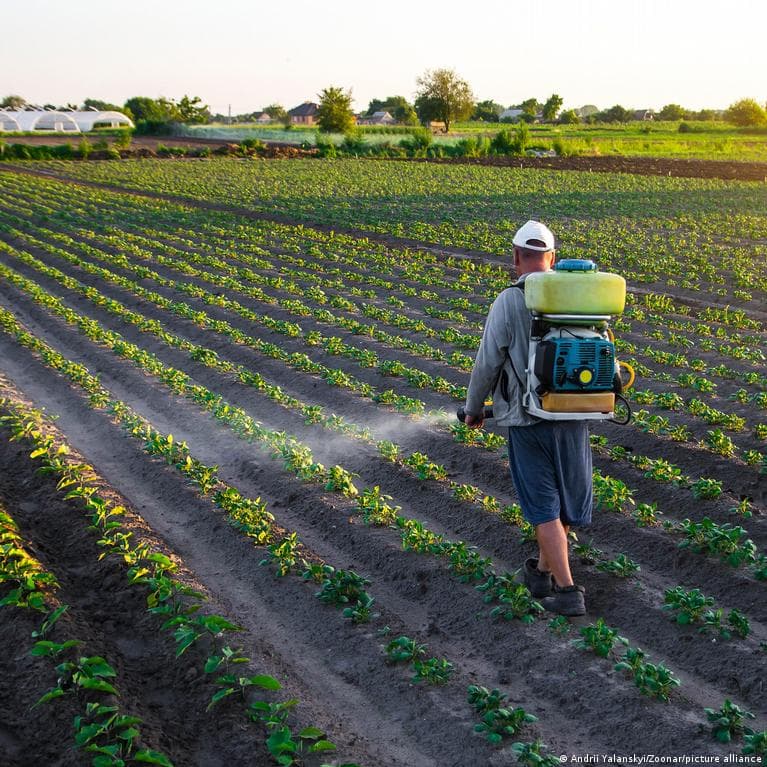
The European Commission has proposed a reform of EU pesticide regulation: indefinite approval of active substances would become the norm, while safety reviews would become the exception. The Commission cites bureaucratic delays and farmers' interests, but more than 500 scientists and UN experts are demanding an independent assessment of risks to health and the environment.
At a meeting on the socio-economic development of Kashkadarya region, Shavkat Mirziyoyev announced a World Bank-supported project to sow 100,000 hectares of pastures with drought-resistant fodder crops using drones based on Egypt's experience, the creation of livestock complexes, the introduction of new land into agricultural use, and water-saving measures.
Toxic algal blooms caused by runoff from industrial farms and record heat are striking the Mar Menor in Spain, Lough Neagh in Northern Ireland, the beaches of Brittany and the Baltic Sea, depriving fishermen and swimmers of their familiar way of life.
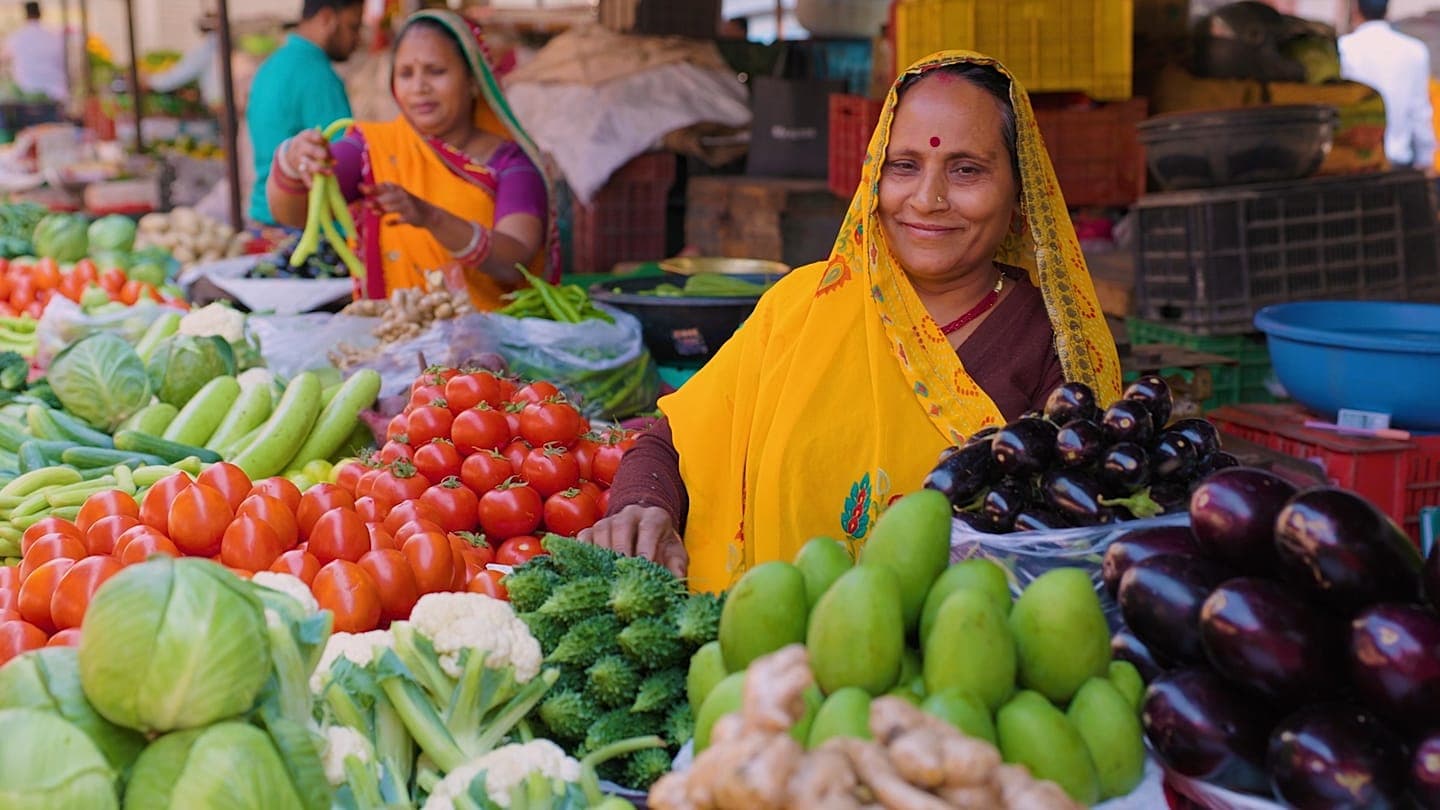
At the SIAL Paris 2026 trade fair, India acted as partner country with the 'Feeding Our Tomorrow' pavilion. ITPO Chairman Javed Ashraf spoke about the shift to sustainable farming, the role of women farmers in the UN Year of the Woman Farmer, and the prospects of the free trade agreement with the EU.
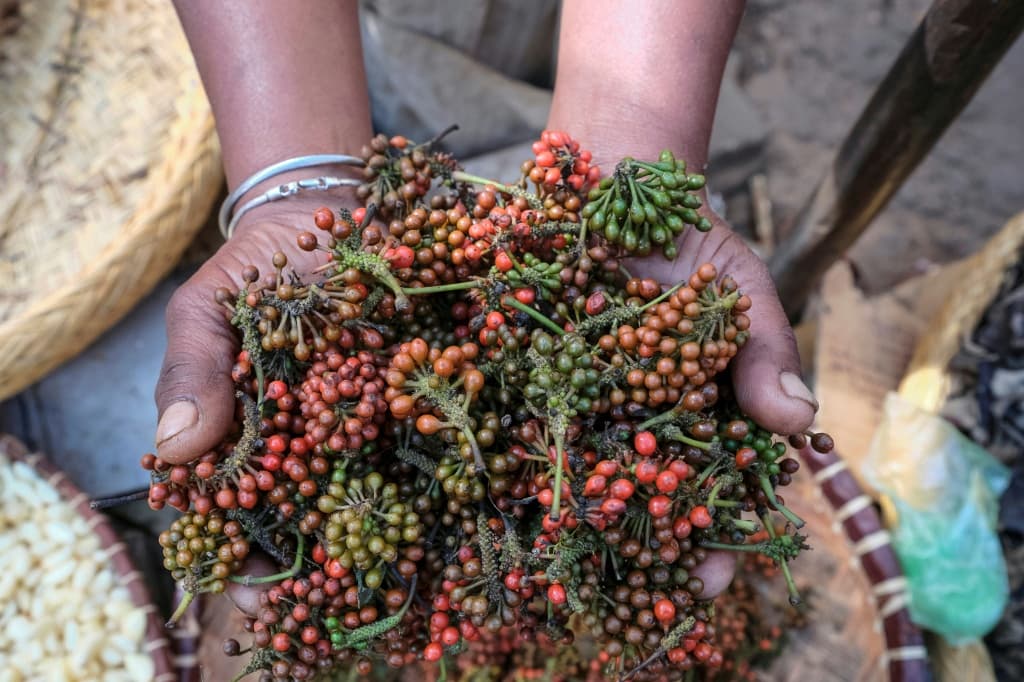
Voatsiperifery, a wild pepper endemic to Madagascar and highly prized by international chefs, is under threat: harvesters often cut down the vines together with their support trees, and the island's forests have shrunk by 27% between 1990 and 2025 according to FAO. The pepper sells in France for 150–200 euros per kilogram, but there is no national system for tracking harvesting and exports. Entrepreneurs are experimenting with plantation cultivation and organic certification.
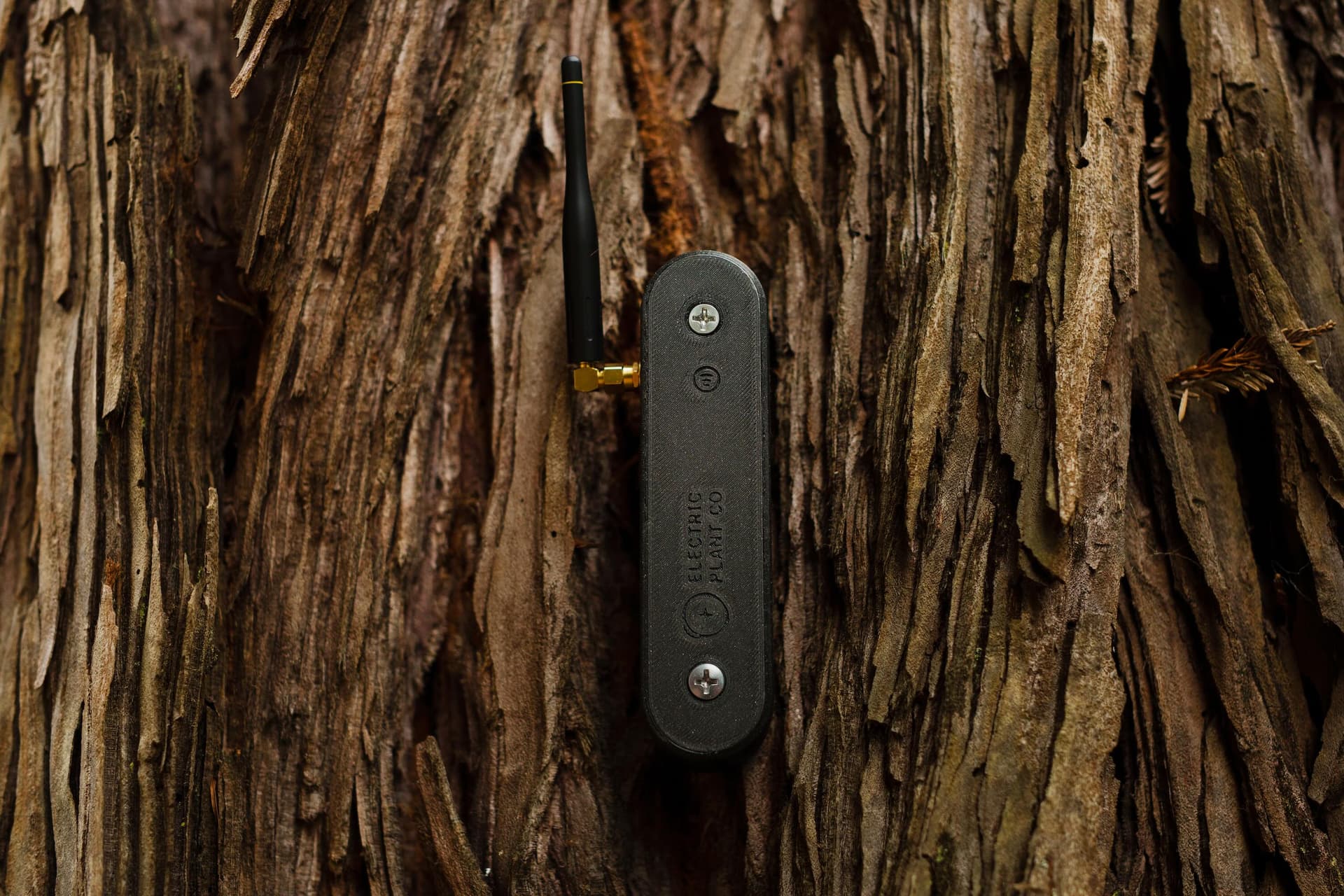
The startup Electric Plant spent three years collecting data to train the language model Bombadil to interpret plants' electrical signals and tell growers about their needs. The company raised $11.2 million in a seed round led by Onto Ventures and Climactic. The model covers about 125 species, and the sensors cost tens of dollars instead of the thousands charged by existing tools.
Representatives of six Egyptian companies — Famot, Delta, Modern Farming, SOBEK, Fruits and Pureland — at a meeting with Uzbek diplomats discussed cooperation in agriculture, livestock farming, irrigation and development of new lands. The parties agreed to organize a visit of Egyptian specialists to Uzbekistan to study opportunities and prepare concrete projects.