The key facts
- On 1 May 2026, Amsterdam banned advertising for fossil fuels and meat; similar measures are in force in Utrecht, The Hague, Zwolle, Delft and Nijmegen
- As of 1 May 2026, Amsterdam banned advertising for fossil fuels and meat; similar measures are in force in Utrecht, The Hague, Zwolle, Delft and Nijmegen
- Food production accounts for a third of global greenhouse gas emissions; animal-based products account for 81–86% of the EU food sector's emissions
- After London banned junk food advertising, weekly purchases of unhealthy food fell by almost 7%, and sweets by almost a fifth
- After London banned fast-food advertising, weekly purchases of unhealthy food fell by almost 7%, and sweets by almost a fifth
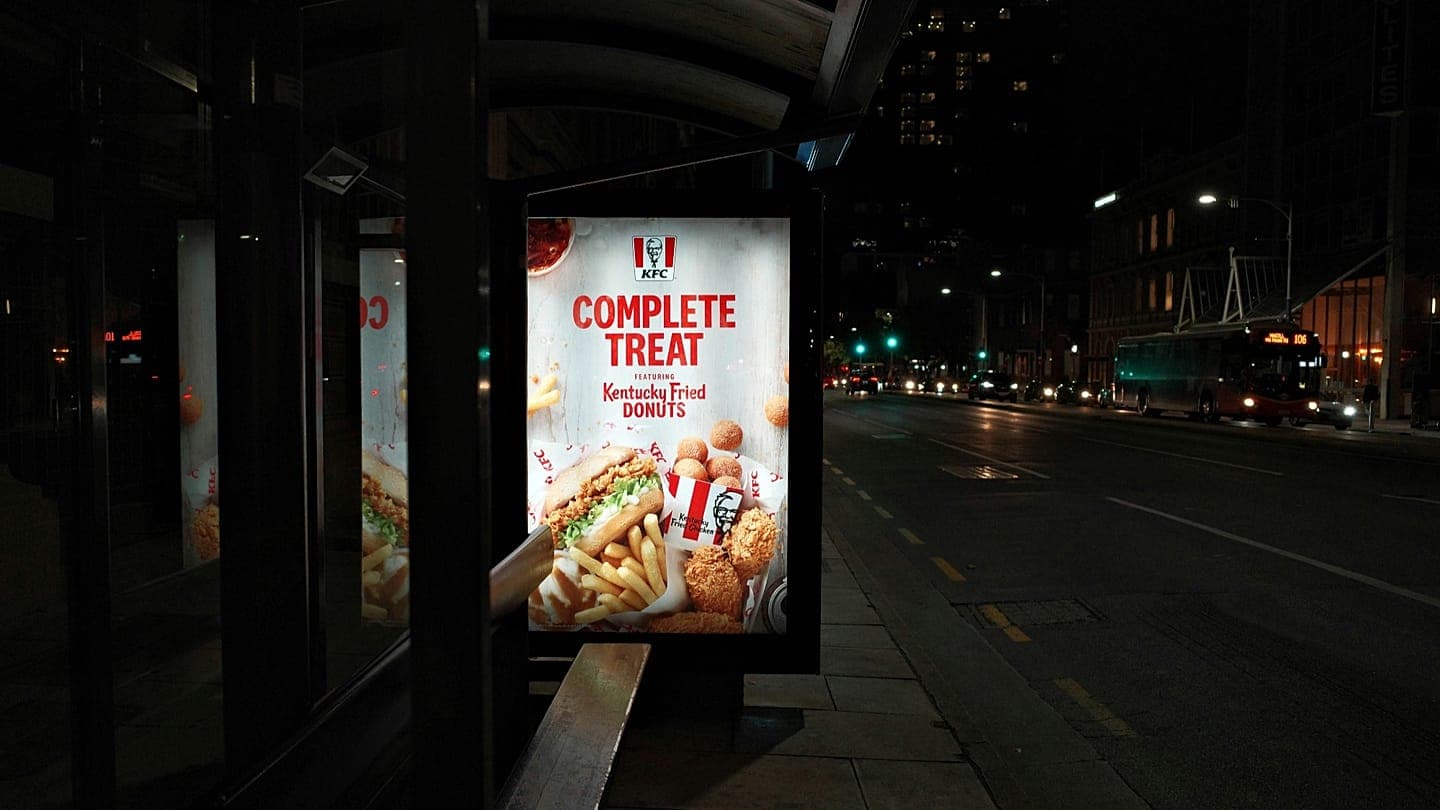
Amsterdam becomes the first city to ban meat advertising
Europe, as Euronews puts it, is entering a Amsterdam, which on 1 May 2026 became the world's first capital to ban billboards promoting fossil fuels and meat, five years after the law was first proposed. The ban is part of the city's plan to reach carbon neutrality by 2050 and, over the same period, halve meat consumption. Similar restrictions are already in force in other Dutch cities — Utrecht, The Hague, Zwolle, Delft and Nijmegen.
Why cities are taking on meat
While the climate consequences of burning fossil fuels are well known, the environmental impact of livestock farming receives less attention. According to a report by the non-profit organisation Changing Markets, individual divisions of the UN Food and Agriculture Organization (FAO) show a bias in favour of the livestock sector: senior FAO officials spoke at the World Meat Congress, and industry-affiliated scientists tried to discredit research promoting diets rich in plant-based foods. At the same time, as Euronews notes, food production and agriculture account for a third of global greenhouse gas emissions, second only to the burning of coal, oil and gas. Animal-based products in the EU, according to available estimates, account for 81 to 86 percent of food-related emissions, yet provide only about 21 percent of calories and 64 percent of protein.
Scientific context: the EAT-Lancet report and EU subsidies
In recent years, scientists have been urging governments — above all Western countries, where plant-based alternatives are available — to reduce meat consumption. The 2025 report of the EAT-Lancet Commission, prepared by 70 leading experts from 35 countries, argues that a global shift to predominantly plant-based diets could prevent around 15 million deaths a year and cut agriculture's non-CO2 emissions — methane from livestock and nitrous oxide from fertilisers — by 15 percent by 2050. Meanwhile, the EU has historically supported red meat with subsidies: according to the charity Foodrise, in 2020 animal-based products accounted for about 77 percent of EU Common Agricultural Policy subsidies — €39 billion out of €51 billion, and beef and lamb received roughly 580 times more funding than legumes.
Does advertising influence behaviour
The Amsterdam ban has sparked debate: some social media users called it repetition and the triggering of associations: she says one study showed that images of meat increase the desire to eat it, and the constant presence of such imagery cements meat as an everyday choice. She adds that advertising shapes ideas of what is considered normal and can make it easier to ignore the inner conflict between caring about the environment and continuing to eat meat. Notably, meat consumption in the Netherlands was already declining: according to a report by Wageningen Social and Economic Research, in 2024 the Dutch ate less meat than at any time in the past 20 years.
Will the ban have a real effect
Amsterdam has not yet published data on the ban's impact on meat consumption, but experts predict a link. A benchmark is the experience of Transport for London: after unhealthy food advertising was removed from the British capital's transport network, weekly purchases of such products, by estimates, fell by almost 7 percent, while purchases of sweets dropped by almost a fifth, and the effect was measured using real purchase data rather than surveys. Aspey nevertheless stresses that the effect cannot be called dramatic: a ban removes constant visual cues, but does not necessarily change the underlying causes of eating habits, and, as in the fight against smoking, such restrictions work best in combination with other measures. In her view, a sustainable diet involves significantly less meat than people in the UK currently consume, and marketing that emphasises mass-produced, cheap meat makes this transition harder.
Why it matters
The move affects the advertising industry, meat producers and city authorities across Europe: Amsterdam's precedent sets a model that other cities are already copying, although most bans currently in force cover fossil fuels and carbon-intensive industries, but not meat. The practical significance is that advertising bans are becoming part of a “set of strategies” for reducing emissions alongside a rethink of subsidies, and data from the London experience show a measurable, though moderate, effect on consumer behaviour. It is not yet known how the ban has affected meat consumption in Amsterdam itself: the city has not yet published relevant data.