The key facts
- The World Bank-supported project will cover 100,000 hectares of pastures in eight districts; sowing of drought- and salinity-resistant crops will be carried out using drones based on Egypt's experience.
- Instructions were given to create complexes for breeding 10,000 head of cattle and 50,000 head of small livestock; imported livestock sold to the population will be subject to VAT at a zero rate.
- In 2027, 550 billion soums are planned to be allocated for concreting 265 km of canals, upgrading 20 pumps, and water-saving technologies on 75,000 hectares.
Meeting on the development of Kashkadarya
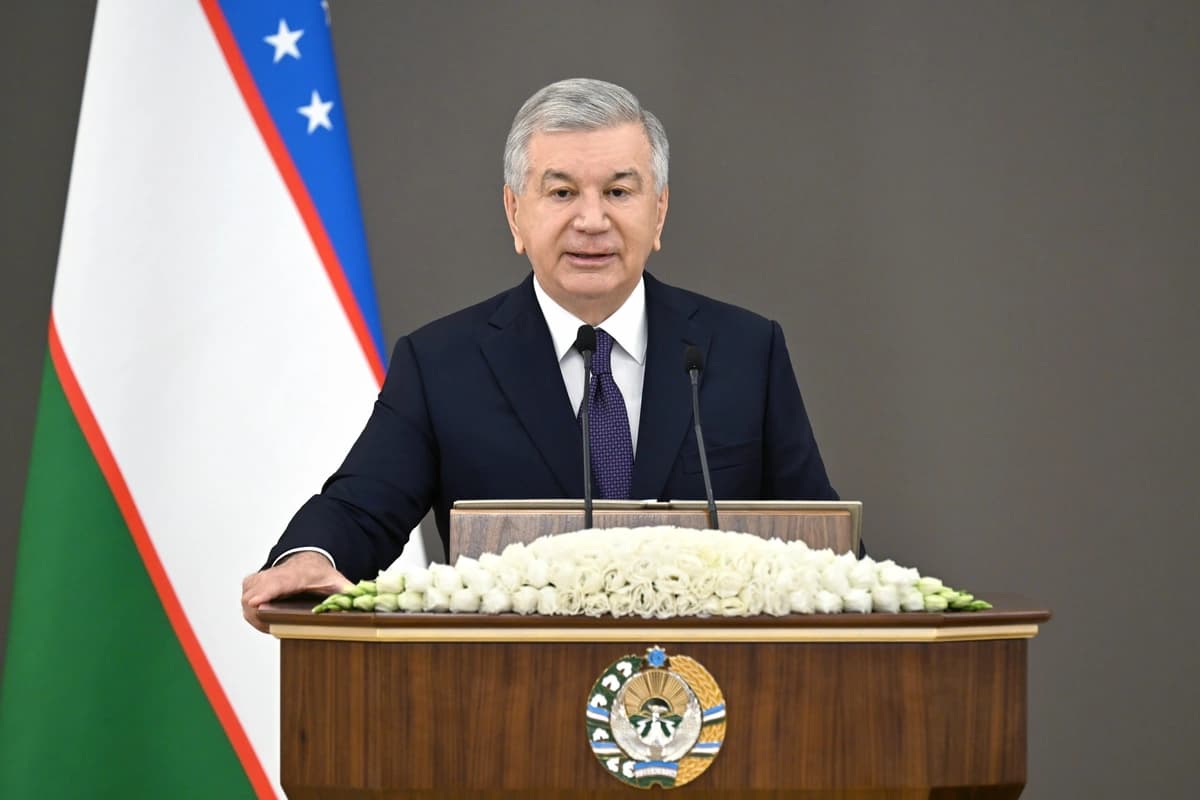
President of Uzbekistan Shavkat Mirziyoyev held a meeting on issues of socio-economic development of Kashkadarya region. According to him, there is an opportunity to provide a permanent income to 200,000 residents of the region employed in agriculture.
Fodder crops based on Egypt's experience
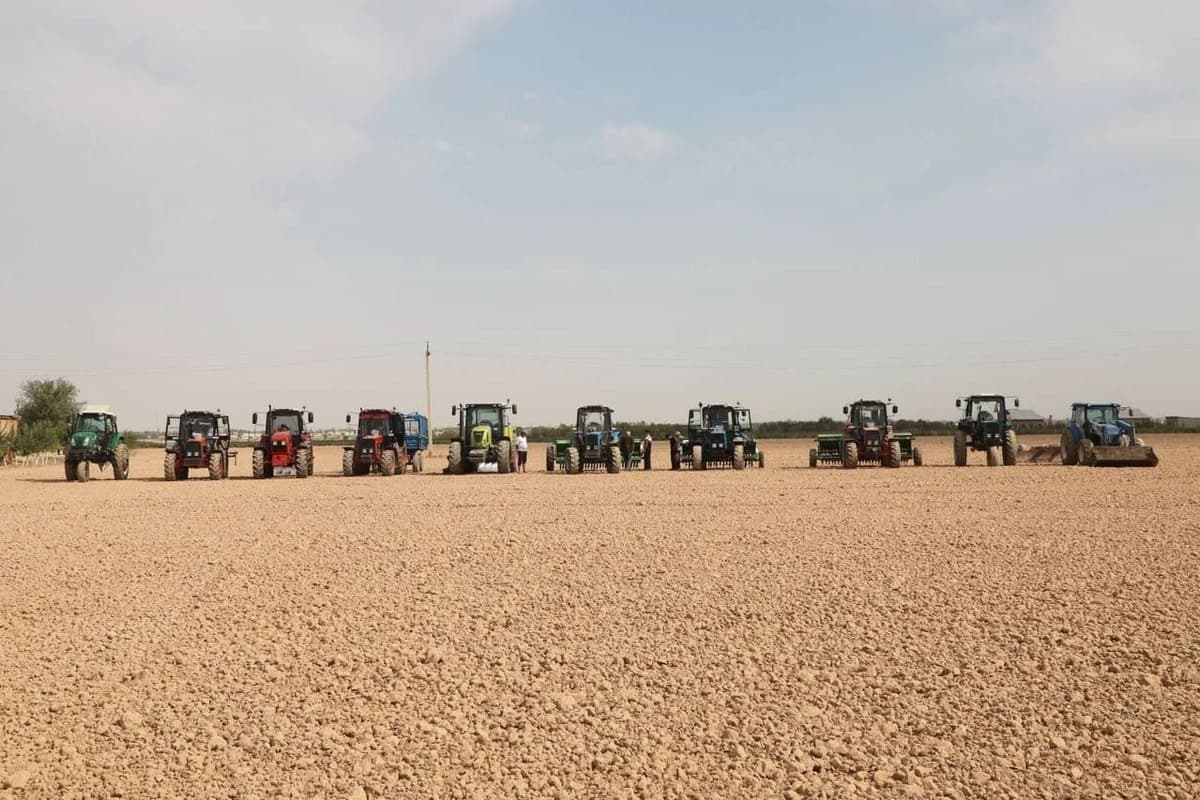
In eight districts of the region, sowing of fodder crops resistant to droughts and soil salinity will be established using drones — based on Egypt's experience. The project, implemented with the support of the World Bank, will cover 100,000 hectares of pasture land. Within its framework, instructions were given to create complexes for breeding 10,000 head of cattle and 50,000 head of small livestock. Imported livestock sold to the population will be subject to VAT at a zero rate.
Introduction of new land
In the Guzar district, based on the cluster system, 5,000 hectares of land will be introduced into agricultural use for growing cotton and the same amount for fodder crops. Officials were instructed to develop a package of benefits for introducing land into agriculture within a week. According to the president, space research revealed the possibility of using another 30,000 hectares of land for agricultural purposes in 12 districts of the region — mainly in Mubarek, Kasan and Kukdala. To develop them, 10 permanent consultants will be invited from Egypt.
Water saving and reservoirs
Measures are planned to save water during irrigation. For 2027, the task has been set to allocate 550 billion soums for concreting 265 km of canals and upgrading 20 pumps, as well as to introduce water-saving technologies on 75,000 hectares. The experience of building four reservoirs with a capacity of 50,000 cubic meters in four districts was noted. By June 1, instructions were given to create 10 more such facilities — two each in the Kasan, Nishan, Mirishkor, Kamashi and Yakkabag districts.
Intensive agriculture
In the Mirishkor district, intensive agriculture will be developed based on the experience of the Chim mahalla in the Kamashi district: it is planned to create lemon greenhouses on 20 hectares, intensive fish farms on 30 hectares and almond plantations on 50 hectares. Intensive orchards will be created on 8,000 hectares of land leased out this spring. Another 3,000 hectares are allocated for greenhouses, and 11,000 hectares for growing high-yield crops based on cooperation.