The key facts
- Electric Plant trained the Bombadil model to interpret the electrical signals of about 125 plant species
- $11.2 million raised in a seed round led by Onto Ventures and Climactic
- The sensors cost tens of dollars; according to the CEO, the system could cut water use by 20% or more
From 'cyborg plant' to startup
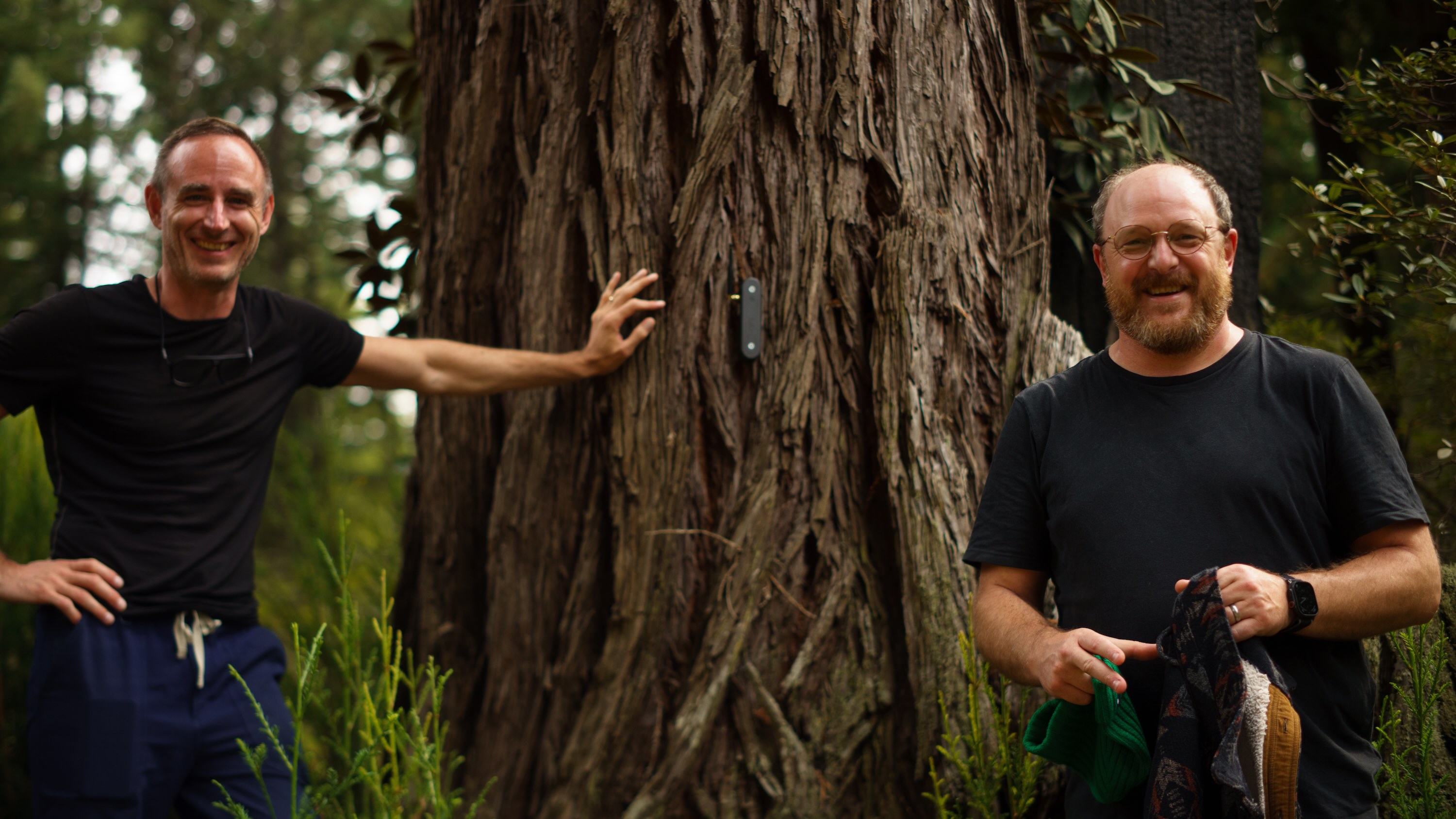
Electric Plant co-founder and CEO Justin Mast told TechCrunch that the idea came after he came across a study in which a houseplant was attached to a motorized stand: when the plant needed light, electrical signals traveled through its tissues, and a control board rolled it toward the light source. 'That was the rabbit hole entrance for me,' Mast said. He partnered with neurobiologist Lee von Kraus, who had worked with DARPA, and they founded Electric Plant, which for the past three years has been collecting data for the large language model Bombadil, which interprets electrical signals in a plant's stem and conveys information about its needs to growers. The founders believe that in the future this could lead to a tool that lets people 'talk' to plants. 'We're more listening than talking, but listening is the first step,' Mast noted.
Funding and positioning
To bring its sensors and Bombadil to market, Electric Plant recently raised $11.2 million in a seed round led by Onto Ventures and Climactic, with participation from Ponderosa, Endeavor Catalyst, Ludlow, Michigan Rise, The Fund, Schox VC, and Doug Song. Mast argues that even in the most controlled greenhouses, farmers lack a full picture of plants' needs: traditional tools — soil probes, handheld spectrometers, and satellite imagery — work, but, in his words, 'the ability to get to the inside of the plant is not very developed' and lags behind the plant's needs in real time.
How the sensors and the model work
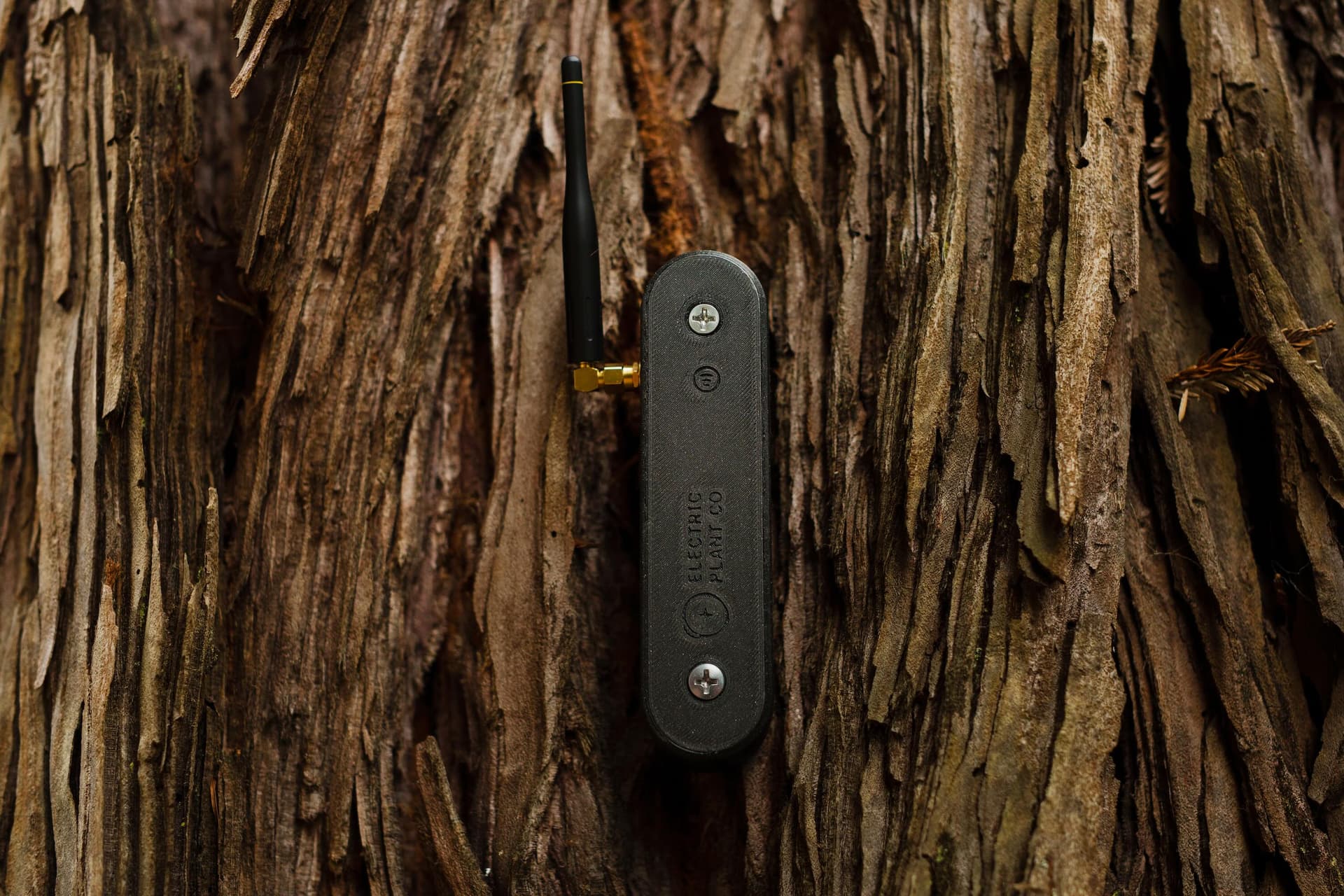
The sensors, roughly the size of an iPhone folded lengthwise, attach to the plant with stainless steel screws that must penetrate the cambium — the layer of living tissue beneath the bark — to read microvolt changes. Data is transmitted to a base station over a low-power wireless network; a couple of sensors is enough per acre. Bombadil in the cloud interprets the data and returns results to the client, who can, for example, adjust irrigation or fertilization schedules. Mast claims such a system could boost yields and cut water use by 20% or more. The model was trained on these traditional tools and can interpret signals from about 125 species — from ferns, sequoias, and tomatoes to dahlias. 'It's the most diverse model ever built on biological electrical signals,' Mast said. The sensors, he said, cost tens of dollars versus thousands for existing tools, and the company does not disclose the names of its first customers; obvious areas of application are agriculture and forestry.