The key facts
- Agriculture accounts for ~85% of nutrients entering the Mar Menor, >90% of nitrogen in Breton bays and up to 90% of nitrogen in the Baltic (HELCOM)
- Lough Neagh — the UK’s largest lake — has bloomed with blue-green algae every summer since 2023
- Hundreds of swimming bans across Europe this summer; in Brittany algae have been linked to six deaths since the 1980s
Pollution is suffocating Europe’s coasts
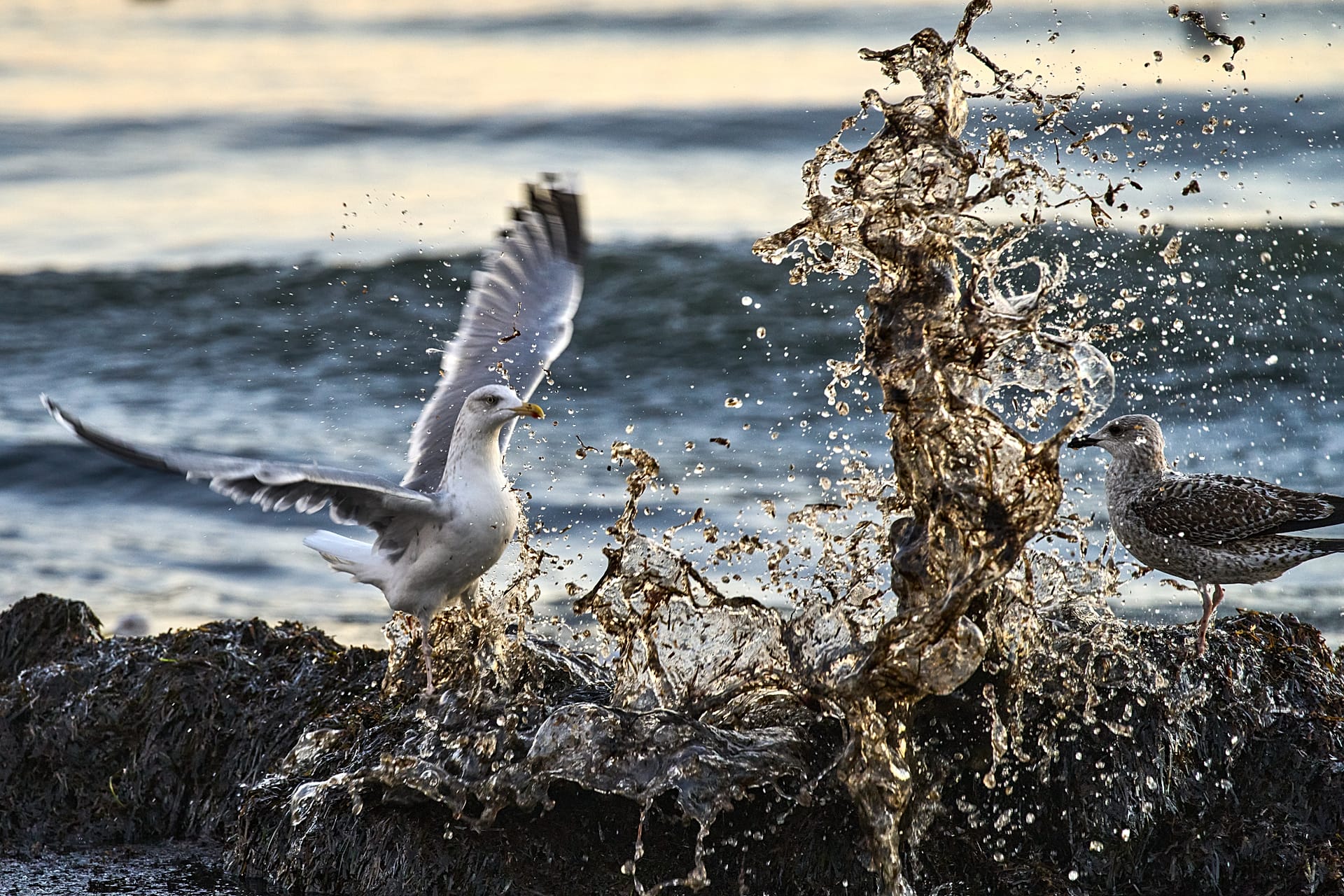
According to an investigation by the climate outlet DeSmog, published on Euronews, the coasts of France and Spain are suffocating from toxic algal blooms. Scientists name the cause of decades of chemicals entering waterways: poorly treated sewage, fertilisers and excess manure from growing industrial farms. Warming seas further accelerate the growth of algae that destroy ecosystems. Some species cause nausea, vomiting and rashes in people — this summer hundreds of swimming bans were introduced across Europe.
Mar Menor: a “sacrifice zone”
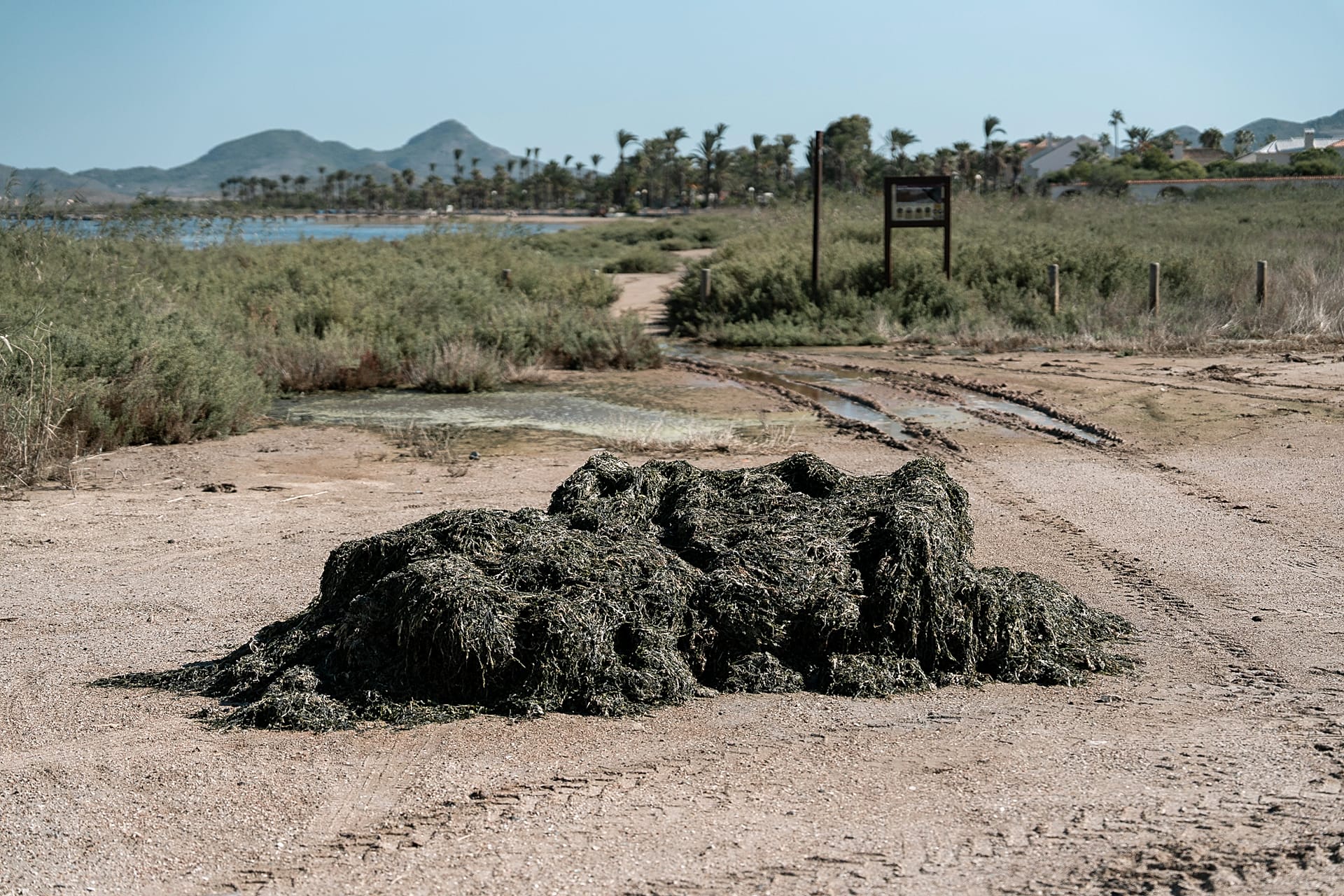
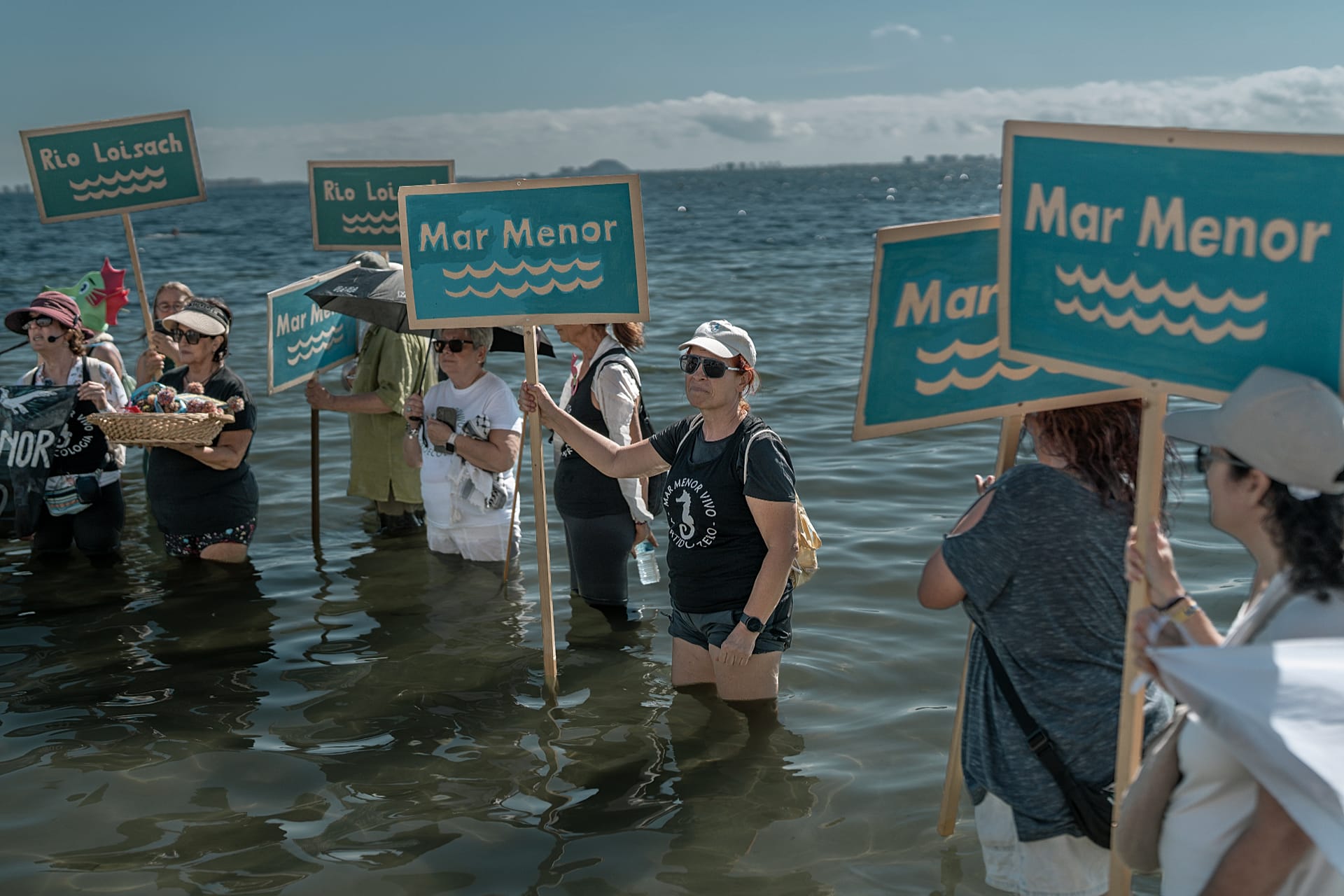
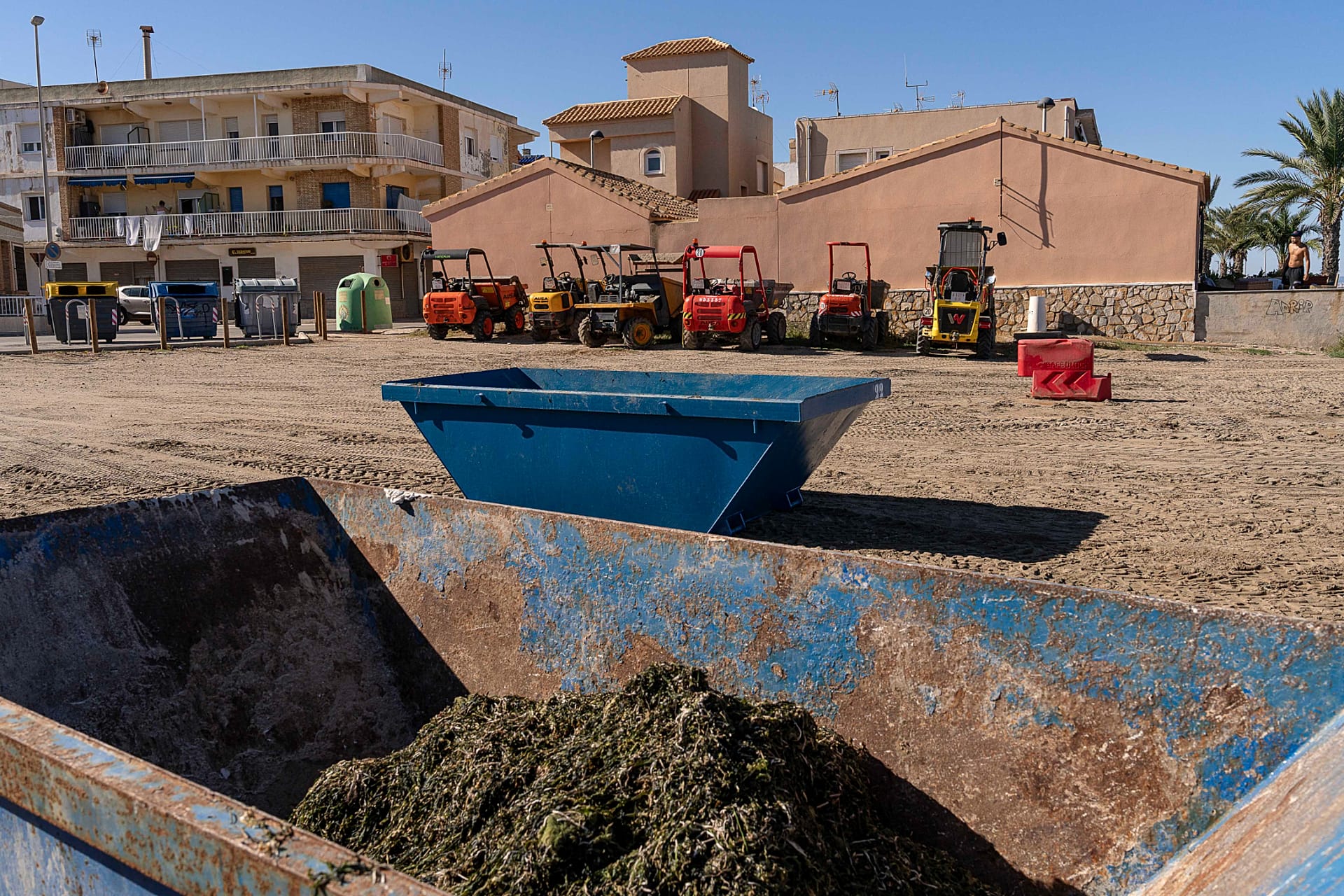
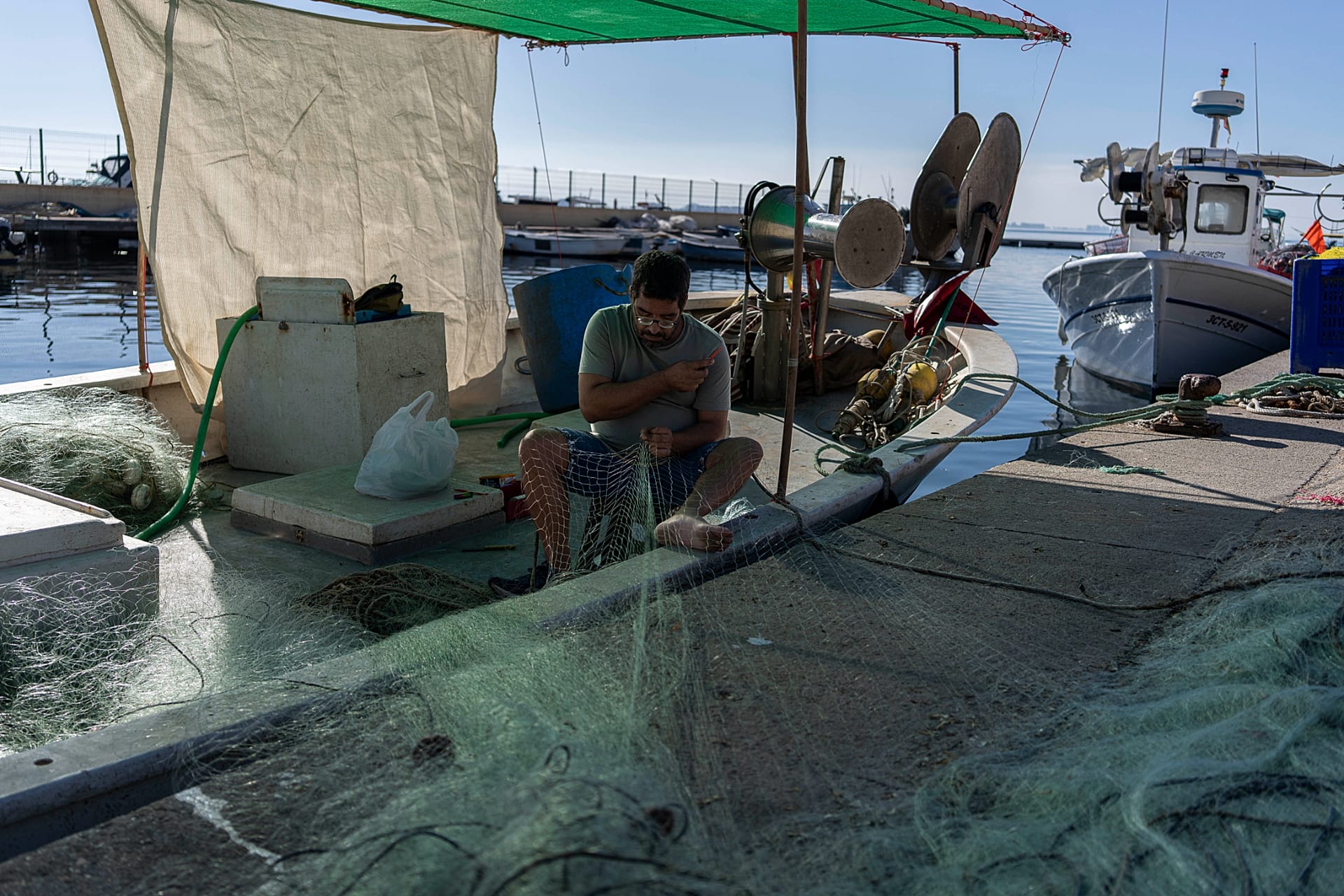
Europe’s largest salt lagoon, the Mar Menor in Murcia, which was granted legal personhood by the Spanish government in 2022, continues to suffer from agricultural runoff. Research shows that agriculture accounts for about 85% of the nutrients entering the lagoon. Biologist Pedro Luengo of Ecologistas en Acción calls the region a “sacrifice zone”. In the first three months of 2026, authorities removed more than 4,000 tonnes of algae from the shores. Fisherman Rubén Albaladejo from Lo Pagán says catches of sea bream and prawns have fallen sharply, and the water has warmed to 30 °C — “we have never seen anything like this before”. According to World Weather Attribution, climate change added about 2 °C to peak Mediterranean temperatures, whose average July temperature broke the record at 27.07 °C. Spain’s Ministry for the Ecological Transition is funding eight projects worth more than €11.5 million to reduce pollution from livestock farming under a national programme of €675 million, but by the end of 2025 only about 16% of the budget had been spent.
Lough Neagh: “the lake is dead”
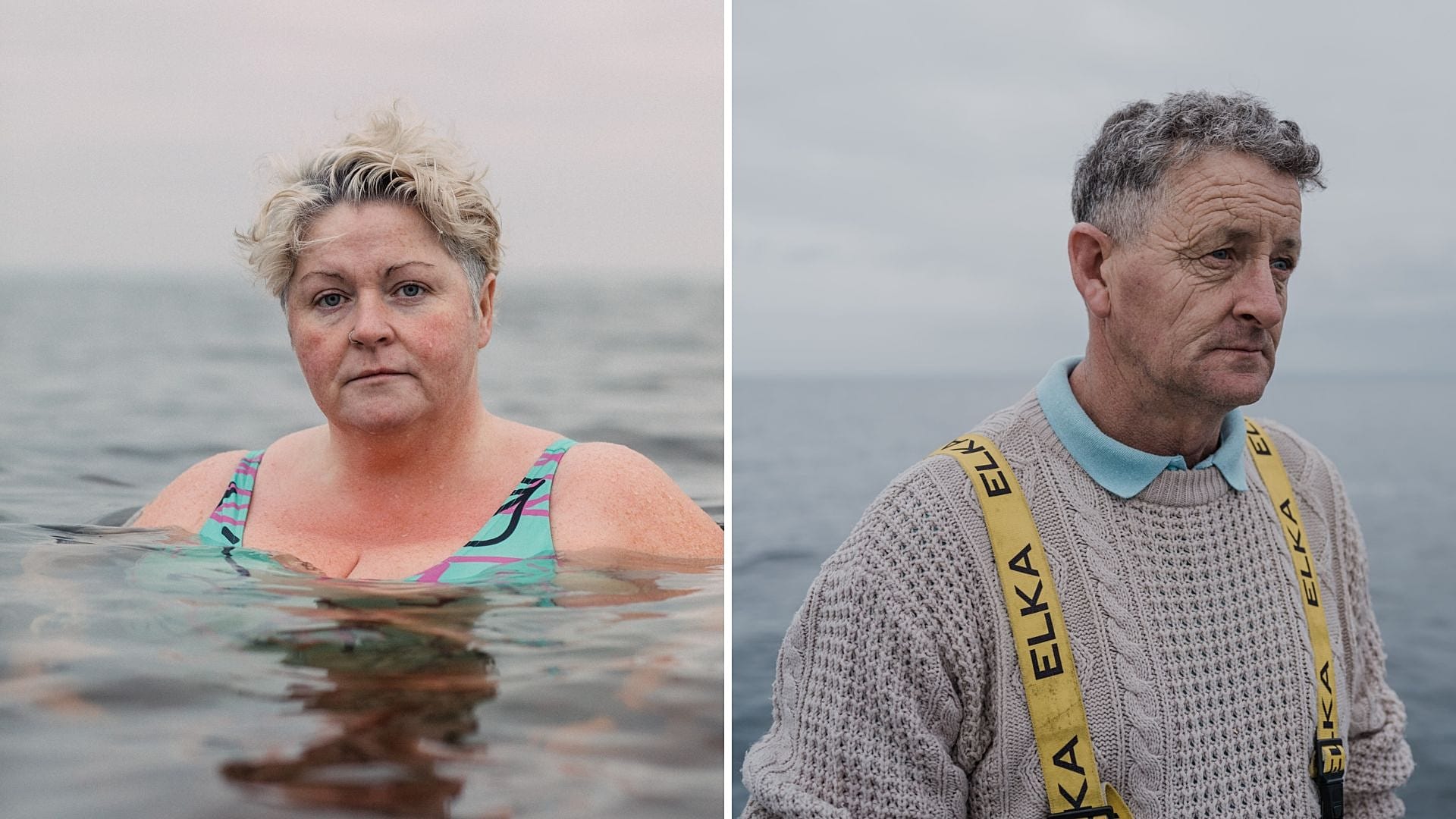
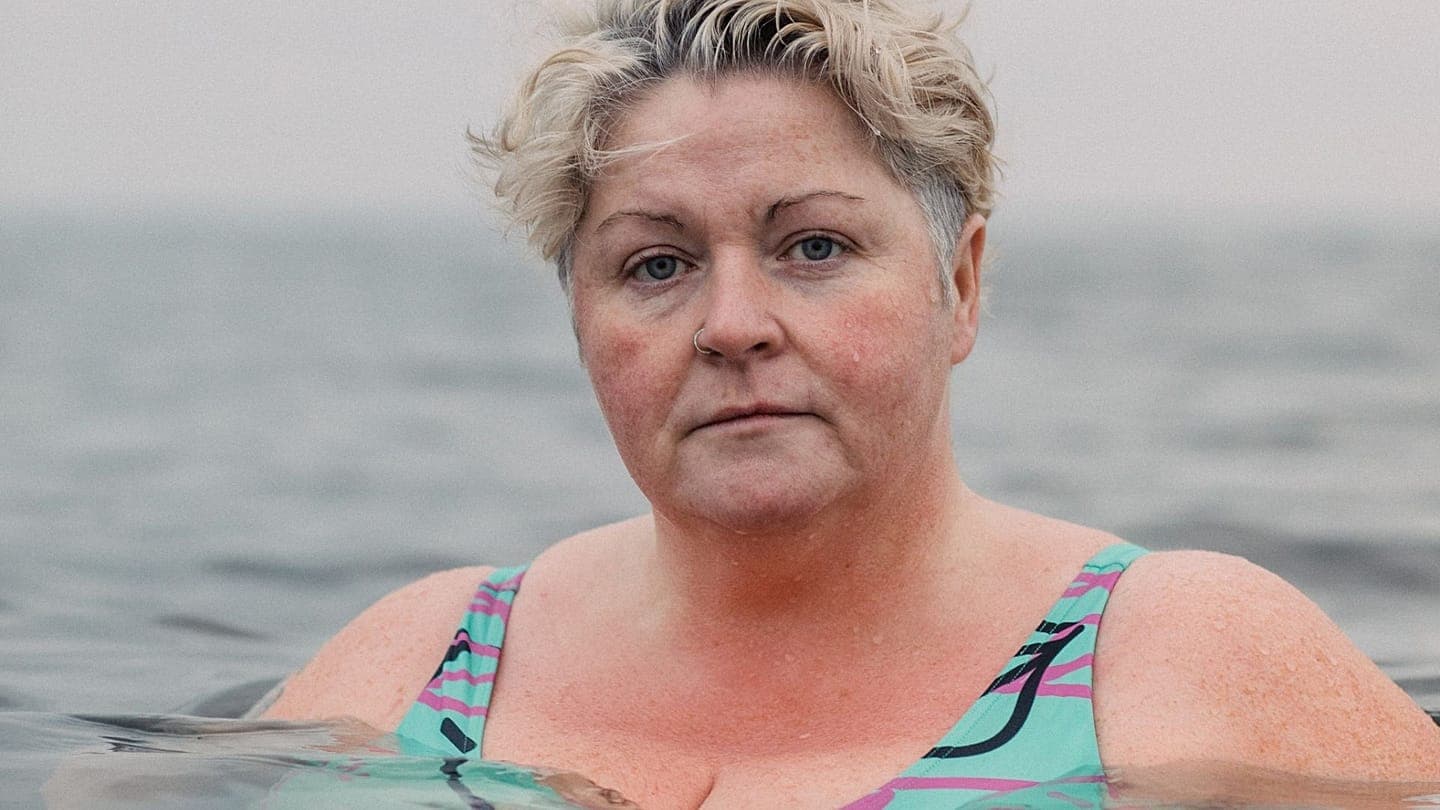
Lough Neagh — the UK’s largest lake, supplying 40% of Northern Ireland’s drinking water — has been covered with blue-green algae every summer since 2023. Fisherman Declan Coney, who has worked on the lake since 1975, calls this year the worst: “The lake is dead”. Trout and eel numbers are falling, and since the 2000s the lake has been attacked by invasive zebra mussels. Livestock farming in the region has grown with government support since 2013: poultry numbers rose by a third and pigs by 74%. Watershed Investigations and The Guardian earlier this year found traces of faeces from cattle, pigs and humans in water samples. An April report by the Office for Environmental Protection called for stronger and better-enforced regulation, while noting farmers’ efforts. Mary O’Hagan, whose wild swimming group helped people during the pandemic, closed it after the second year of blooms: “It was like the Apocalypse”.
Brittany: manure and hydrogen sulphide
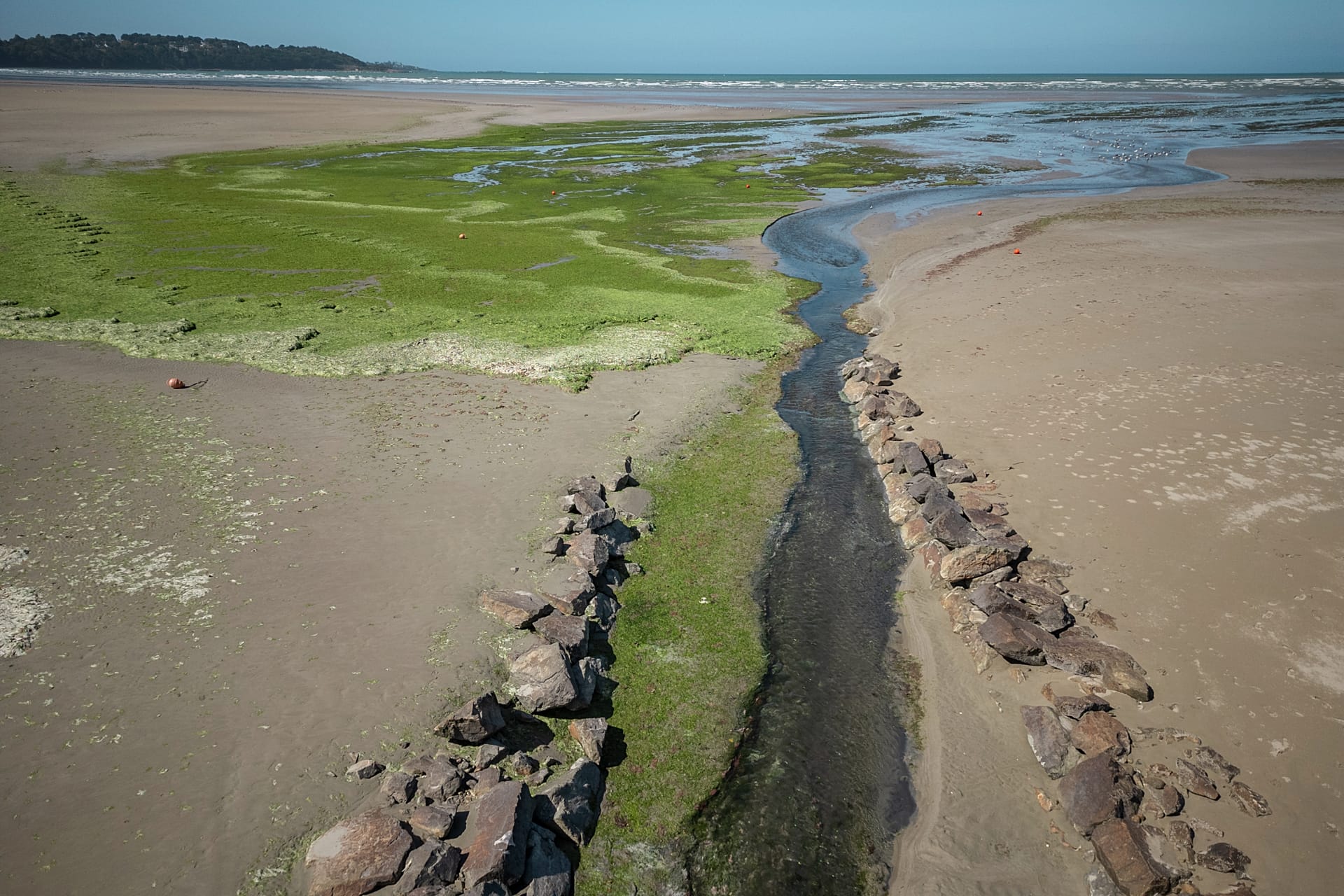
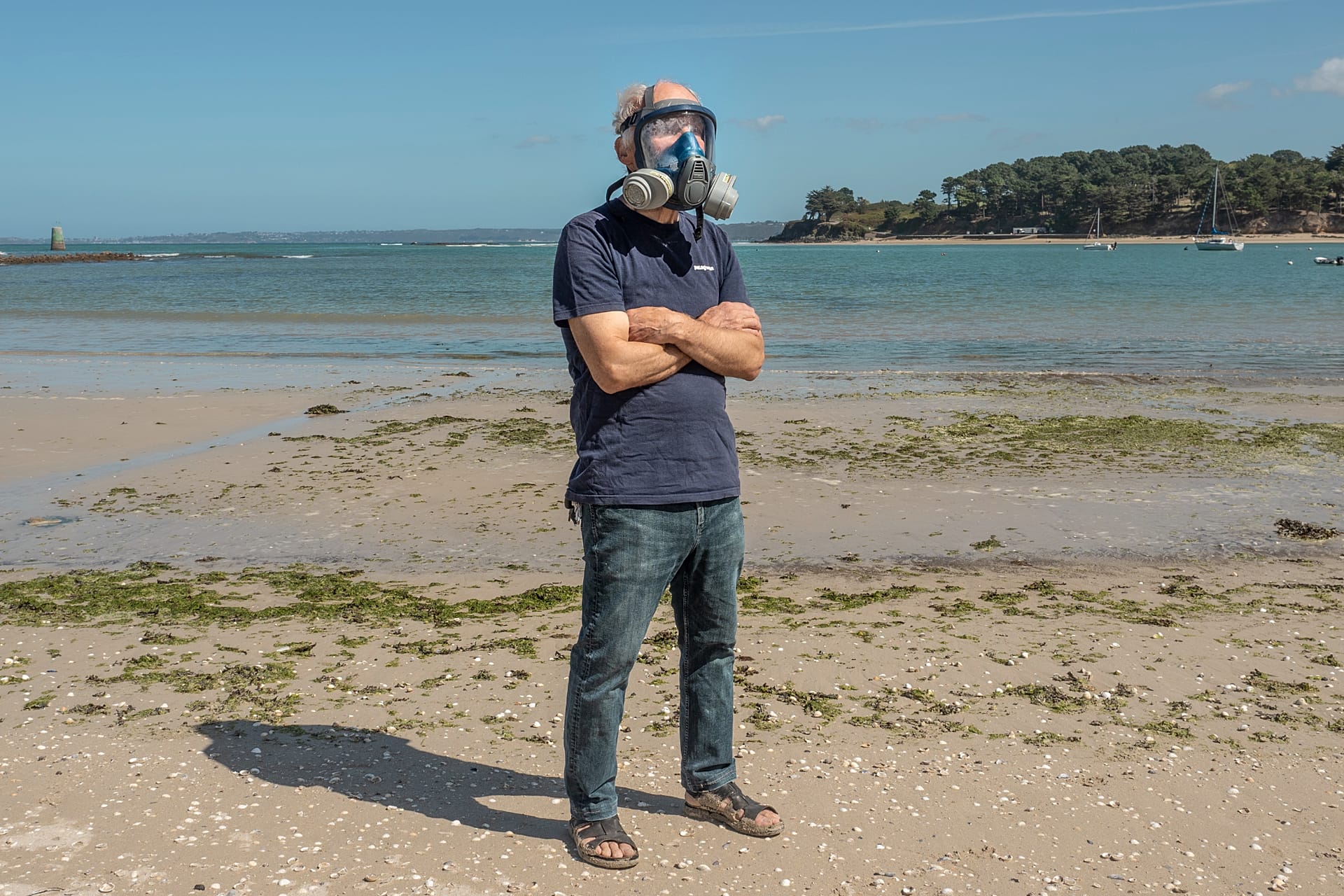
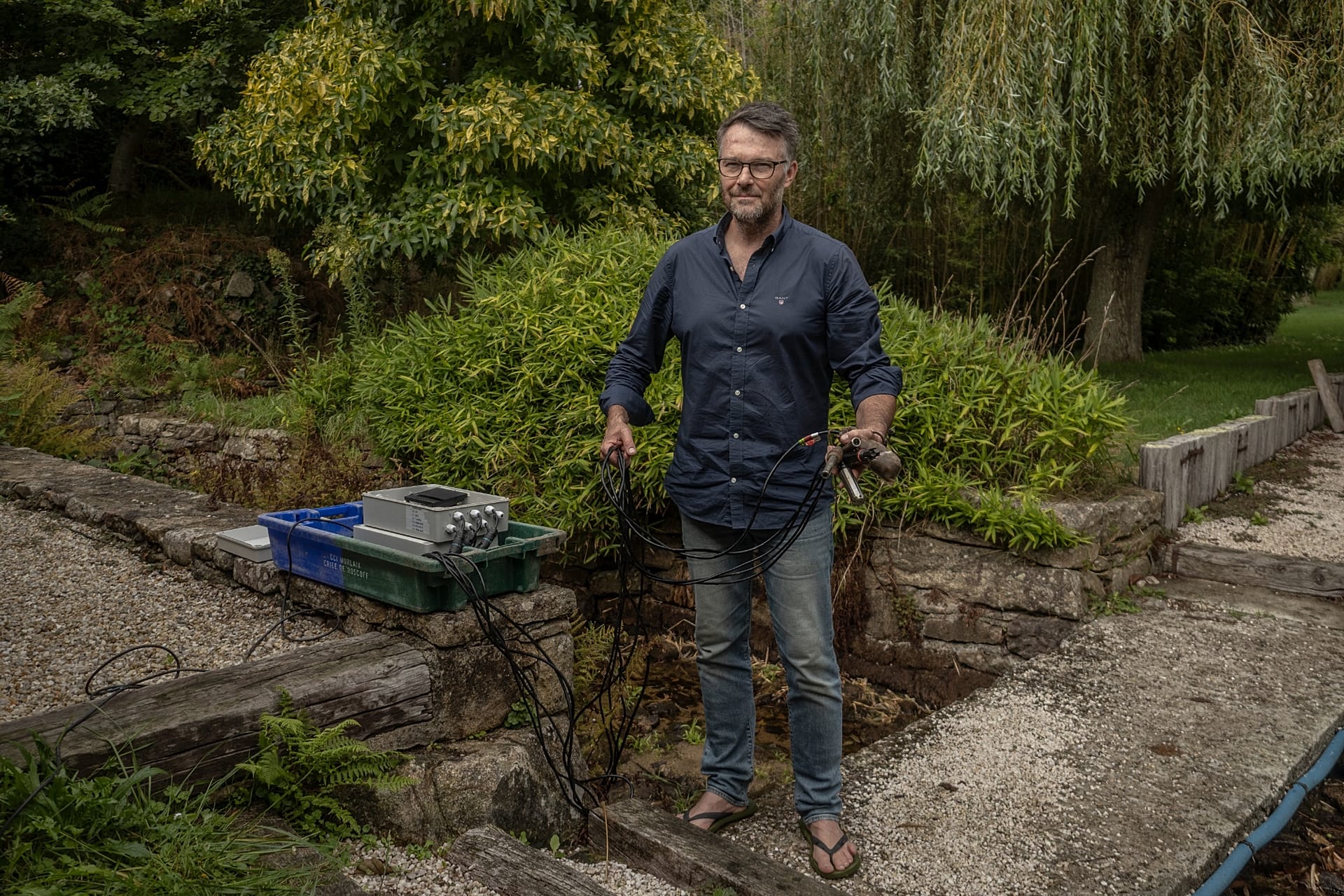
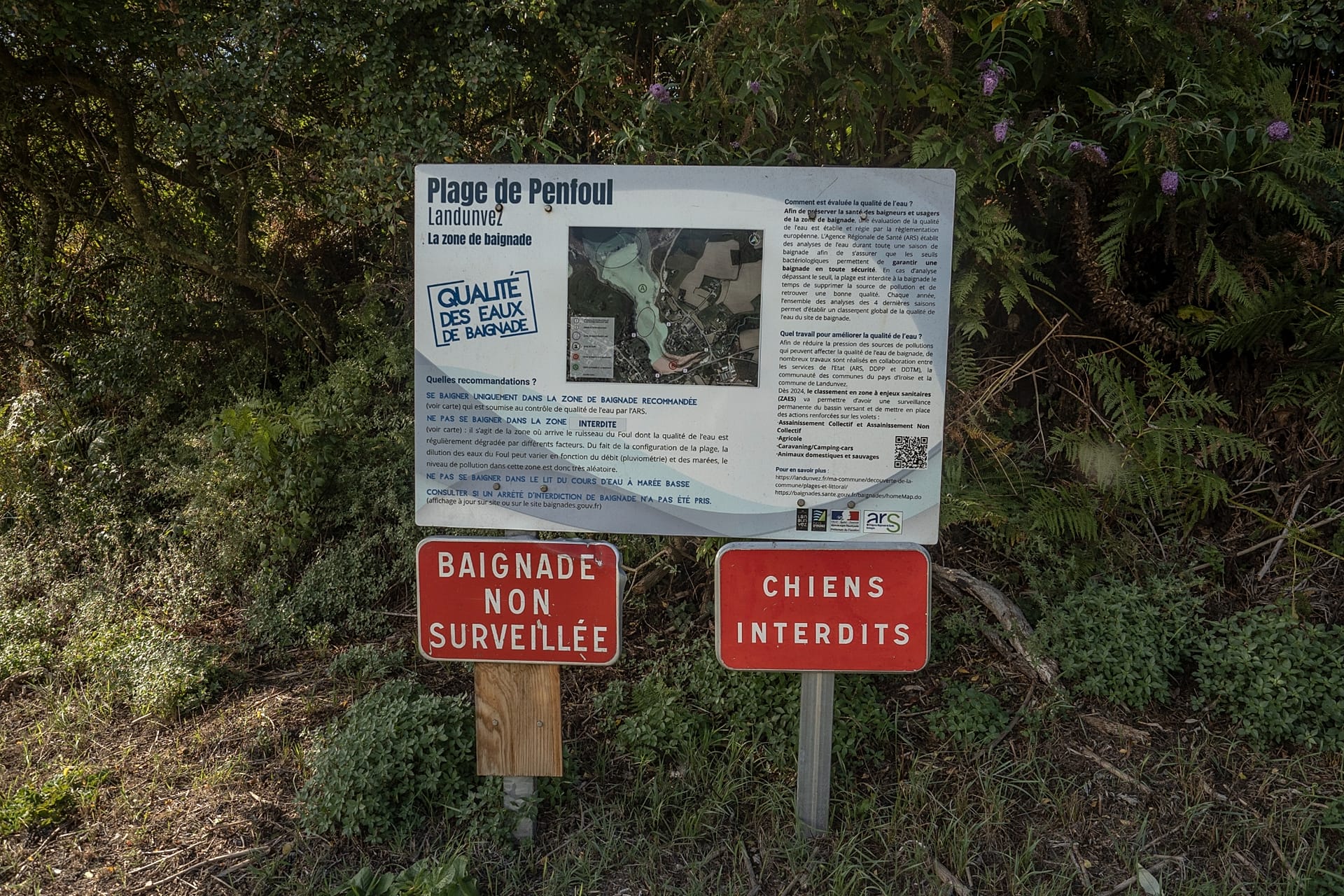
In Brittany, green “sea lettuce” algae have been linked to six deaths on beaches since the 1980s: as they decompose they release hydrogen sulphide, which in large doses blocks the airways. Eco-writer Yves-Marie Le Lay wears a protective mask on the beach when algae levels are dangerous: the peninsula covers 5% of France’s territory but has 6.8 million pigs — 58% of the national herd. The French Court of Audit established in 2021 that more than 90% of the nitrogen in affected bays is of agricultural origin. Activist Fabrice Ammon warns of bacteria accumulating in fertilised fields after drought: “One heavy downpour and there you have it”. He is developing monitoring of about 20 rivers via the La Météo Bacterio app; in several European countries blooms are reported through the Bloomin’ Algae app.
The Baltic and paths to solutions
In northern Germany, BUND volunteers take water samples from rivers twice a month to identify sources of pollution entering the Baltic. Jürgen Leicher, who has swum there for 40 years, calls the current bloom the worst of his life: “The sea was dead. No birds, no marine animals, no fish to be seen”. In June, temperatures in Germany broke records three days in a row, reaching almost 42 °C. HELCOM estimates agriculture’s share of diffuse nitrogen runoff into the Baltic at up to 90%, and phosphorus at up to 80%. Isabelle Zieger of Deutsche Umwelthilfe calls the current agricultural model the main cause of eutrophication. Professor Friedhelm Taube of the University of Kiel proposes supporting farmers in reducing nitrogen fertilisers, planting intermediate crops such as clover, and reducing livestock density to one livestock unit per hectare — roughly one dairy cow or three pigs. Luengo frames the choice for Murcia: “Either we finally destroy the Mar Menor, or we change the agricultural model”.