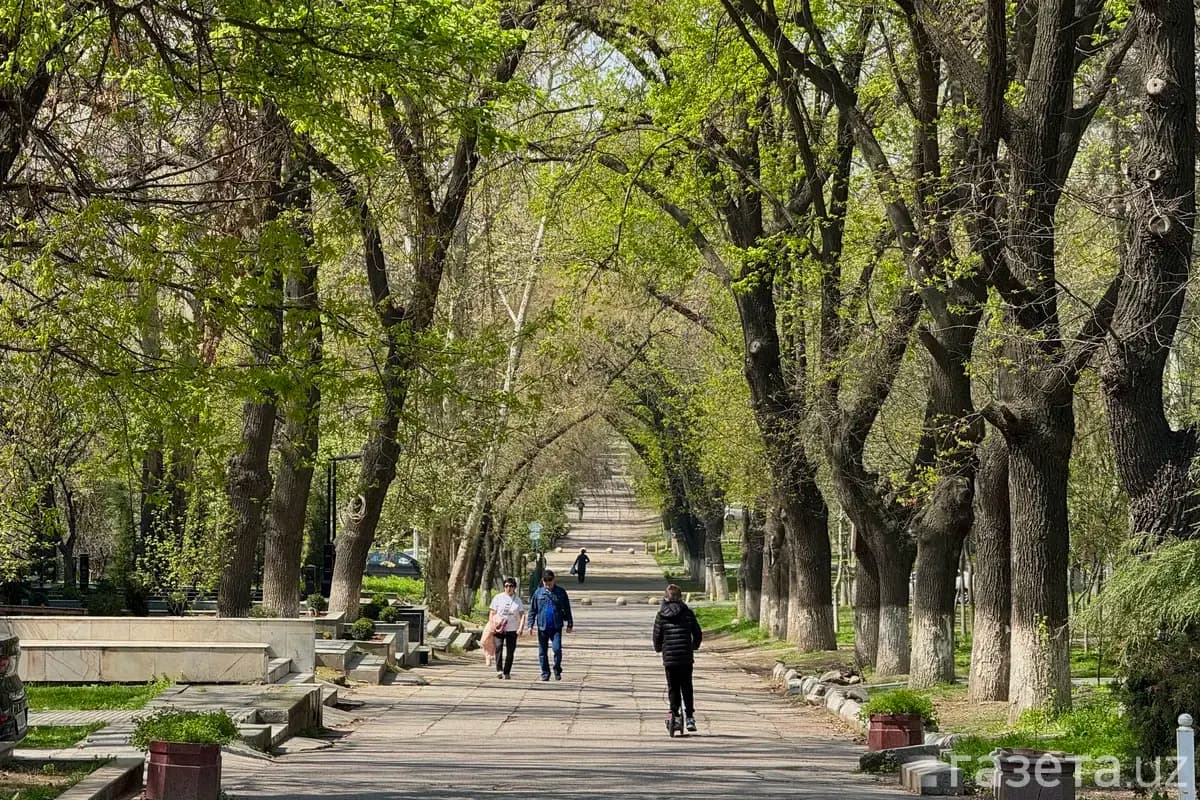
A decree by Tashkent khokim Shavkat Umrzakov dated October 19 provides for creating micro-forests on plots of 200–1000 sq. m with dense sapling planting, public gardens in planters on asphalted areas, a ban on privatizing green zones, a 'Green Lot' system from 2027, and the start of the autumn tree-planting season on November 10.
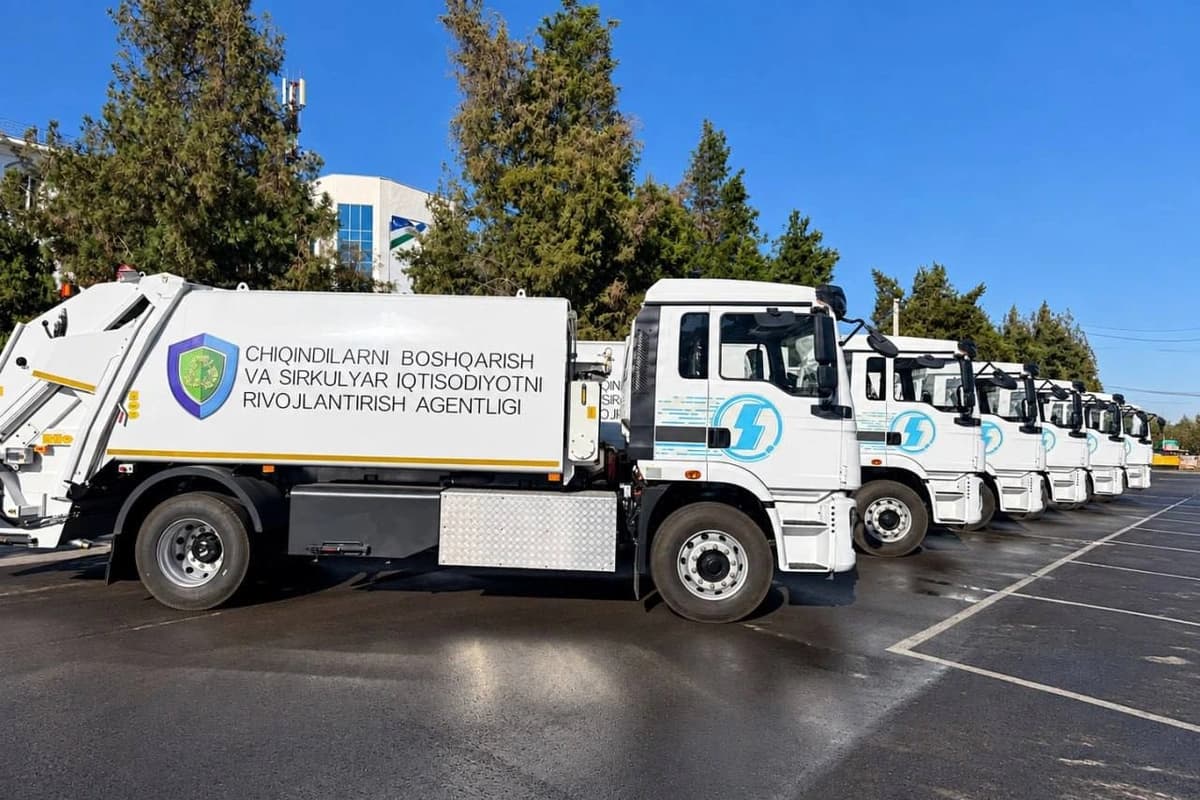
On October 20 the Legislative Chamber of Uzbekistan's Oliy Majlis adopted in first reading a draft law 'On Waste' in a new version, which will replace the current 2002 law. The document clarifies the powers of state bodies and local authorities, introduces waste classification, economic incentives for recycling and an institution of damage compensation.
Utah State University scientists in 2019–2020 relocated beavers that had been trapped for damaging property or infrastructure to two arid rivers. Over eight weeks, survival of the relocated animals was below 40% versus 80% for a local control group of 24 beavers. Meanwhile, 17 new dams appeared on the Price River and three in San Rafael. The results were published in Animal Conservation.
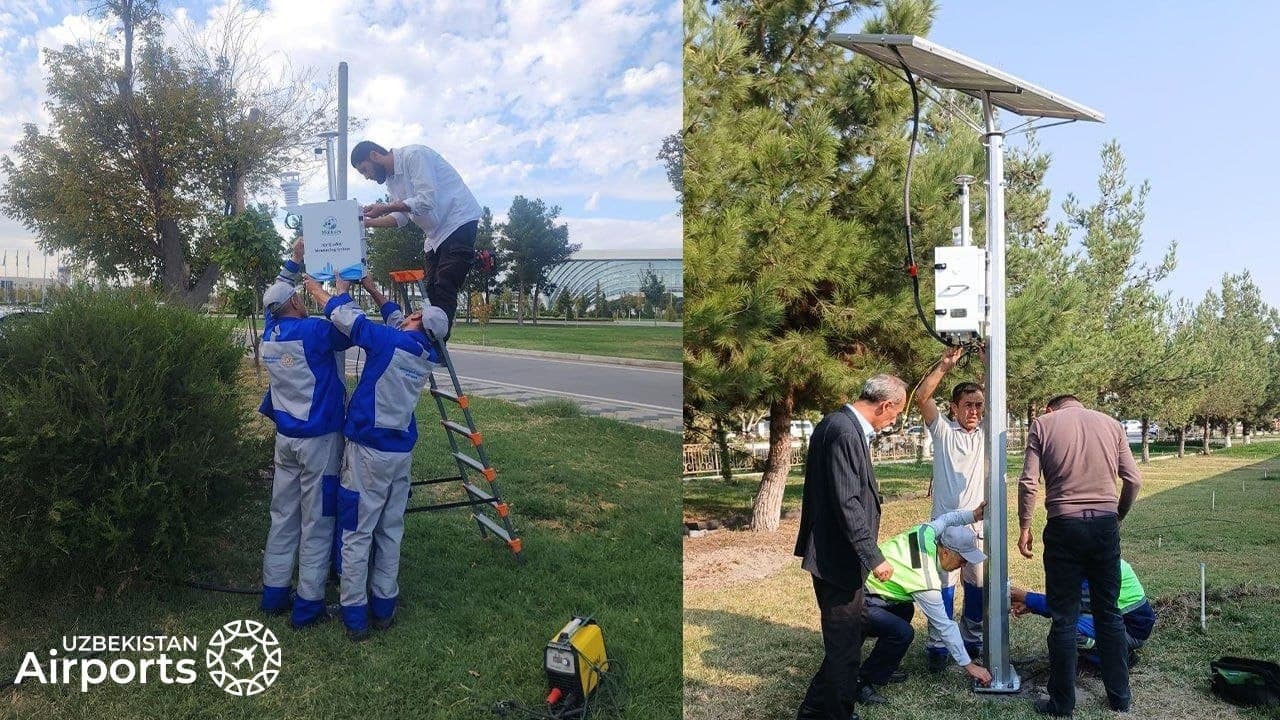
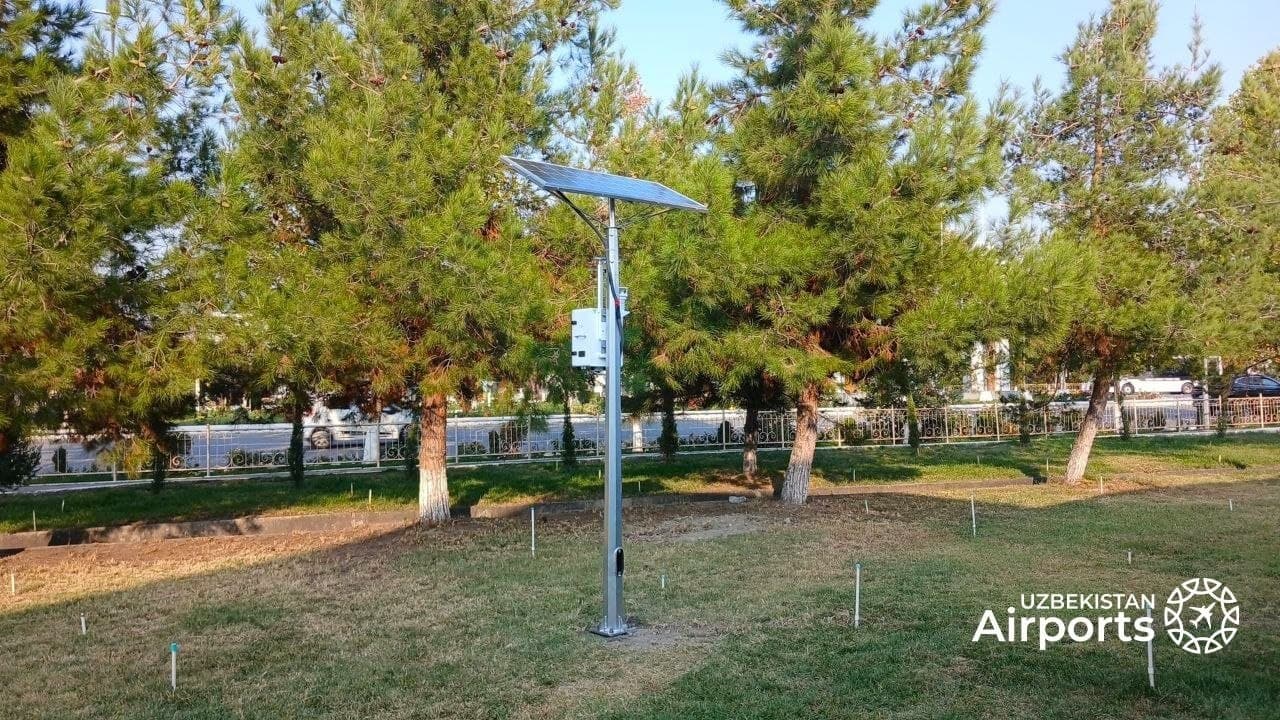
Uzbekistan Airports is implementing an automatic atmospheric air monitoring system near the country's airports. A station has already been installed in Fergana, and in Samarkand the installation and adjustment of similar equipment has been completed. The stations measure concentrations of pollutants, including nitrogen dioxide, sulfur dioxide, carbon monoxide, ozone, ammonia, hydrogen sulfide, as well as PM2.5 and PM10 particulate matter, and automatically transmit data to the unified geoinformation database of the environmental monitoring system.
An environmental photography contest dedicated to nature and the interaction between humans and the environment has announced its results. Belgian documentary photographer Alain Schroeder received the award for best photo story in the ‘Rescuing Orangutans’ category, shot on the Indonesian island of Sumatra. Among the winners are also works by Jan Pokluda featuring a red-breasted thrush and by Imre Potó depicting a night forest.
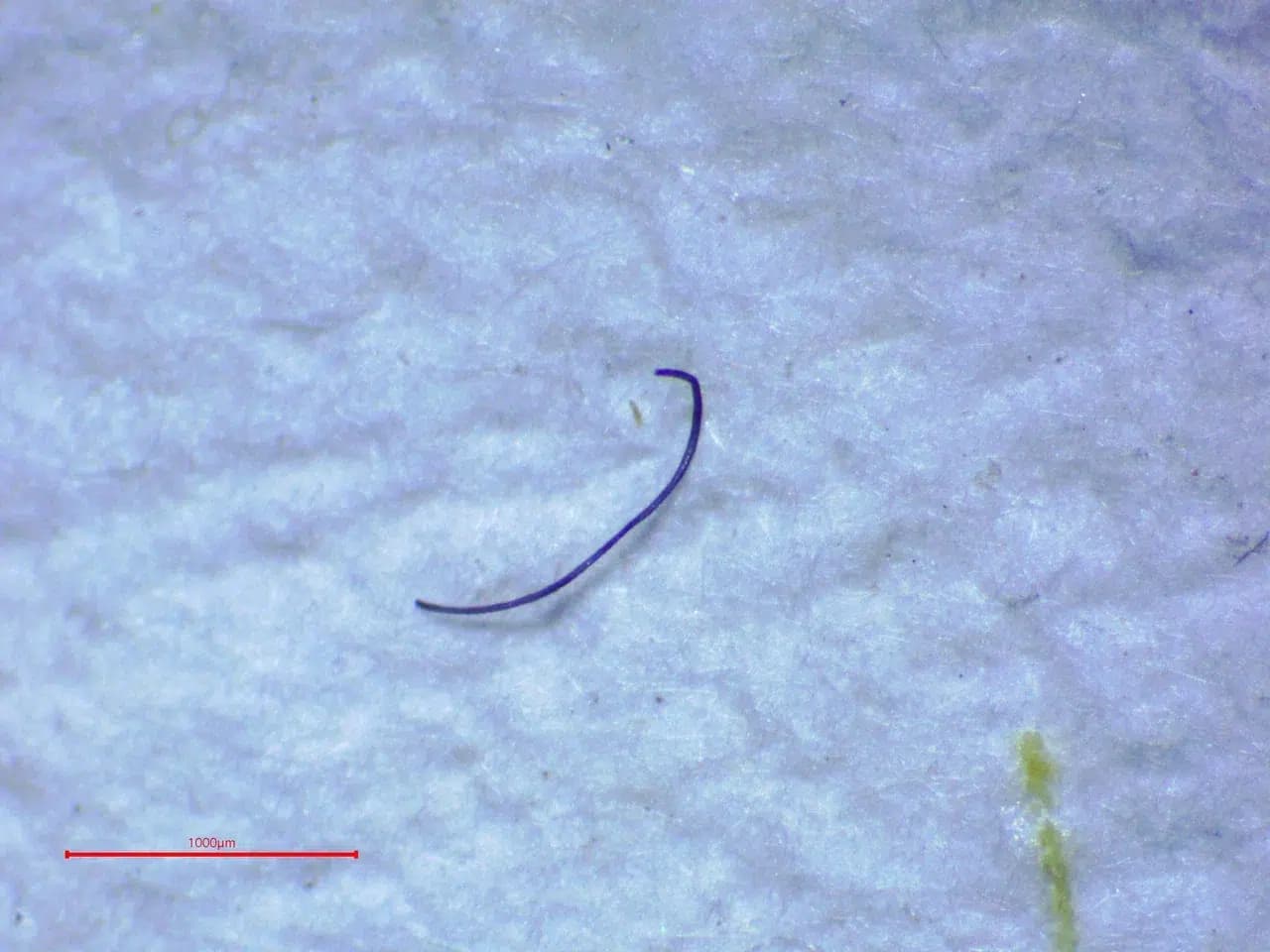
A study published in the journal Pollutants covered the territory from the Altai foothills to the Arctic Circle. Snow samples were collected in 2021–2023 at 23 stations. Scientists noted an increase in average microplastic content, a predominance of fibers, and a rise in the chemical hazard index of polymers while the potential ecological risk remained low.
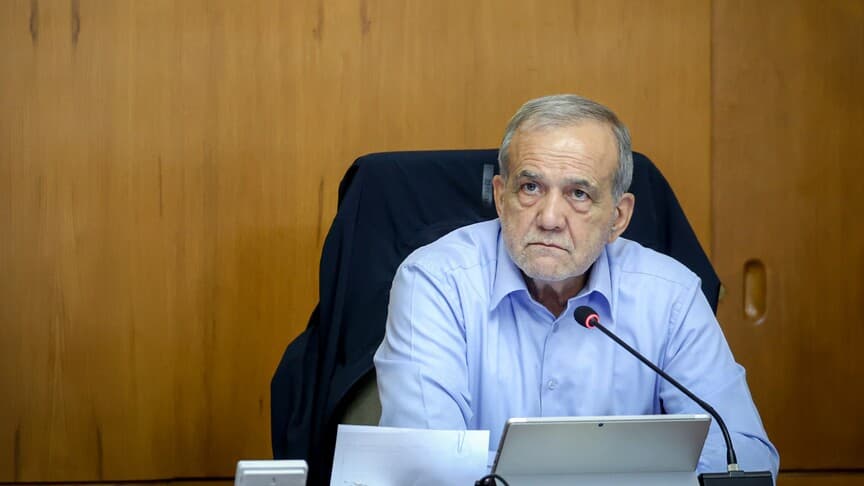
Speaking at the COP17 leaders' summit in Yerevan, Iranian President Masoud Pezeshkian stated that the American-Israeli war against Iran is causing serious damage to the country's ecosystems and called for international mechanisms to protect biodiversity. The presidents of Kazakhstan and Kyrgyzstan also spoke.
Uzbekistan Airports announced the installation of automatic air quality monitoring stations near Fergana Airport (October 15) and Samarkand Airport (October 9). The equipment measures pollutant concentrations and meteorological parameters, with data transmitted to a unified geoinformation database. The project is being implemented with Malkam Environmental Technologies, and stations are planned at other airports as well.
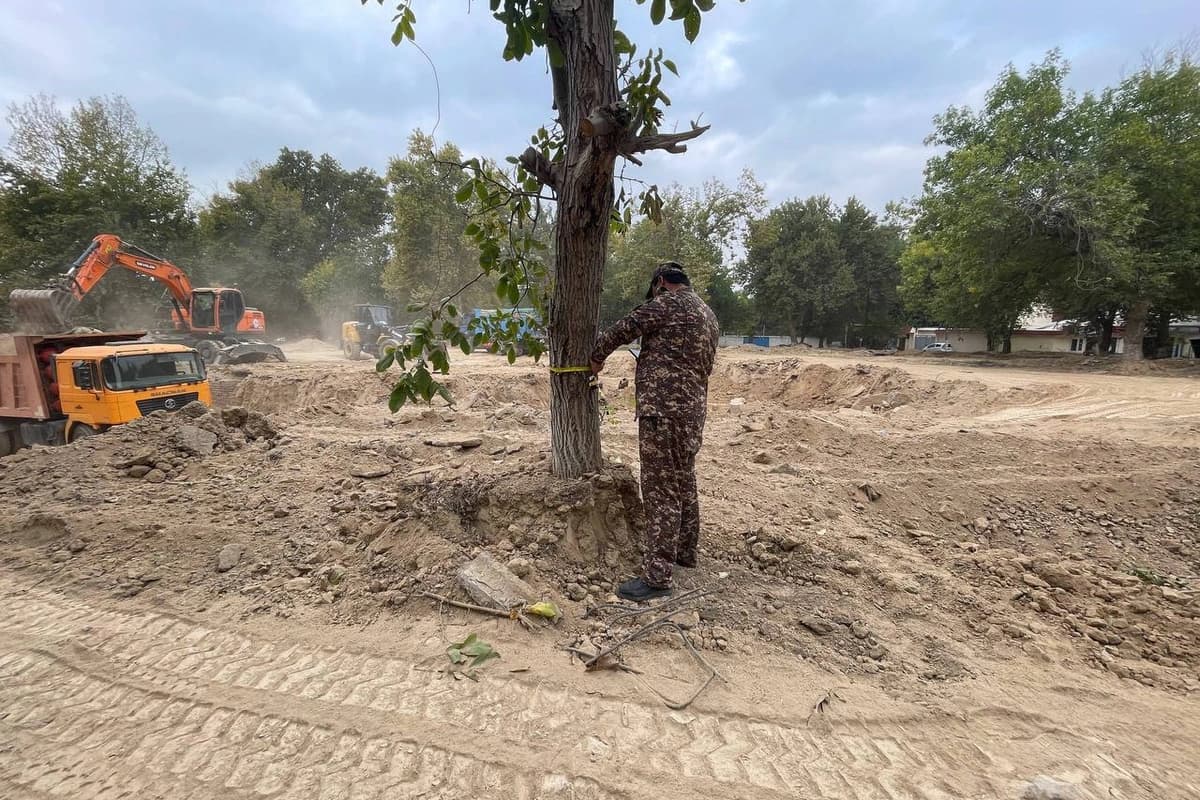
The Tashkent Main Department of Ecology reported that during the construction of an artificial reservoir in the Kurgantepa mahalla of the Uchtepa district, three Chinese elm trees and one mulberry tree were cut down without permission. The damage under Article 37 of the law is estimated at 27 million 280 thousand soums, and an administrative protocol is being drawn up. The khokimiyat had previously stated that the existing trees were planned to be preserved.
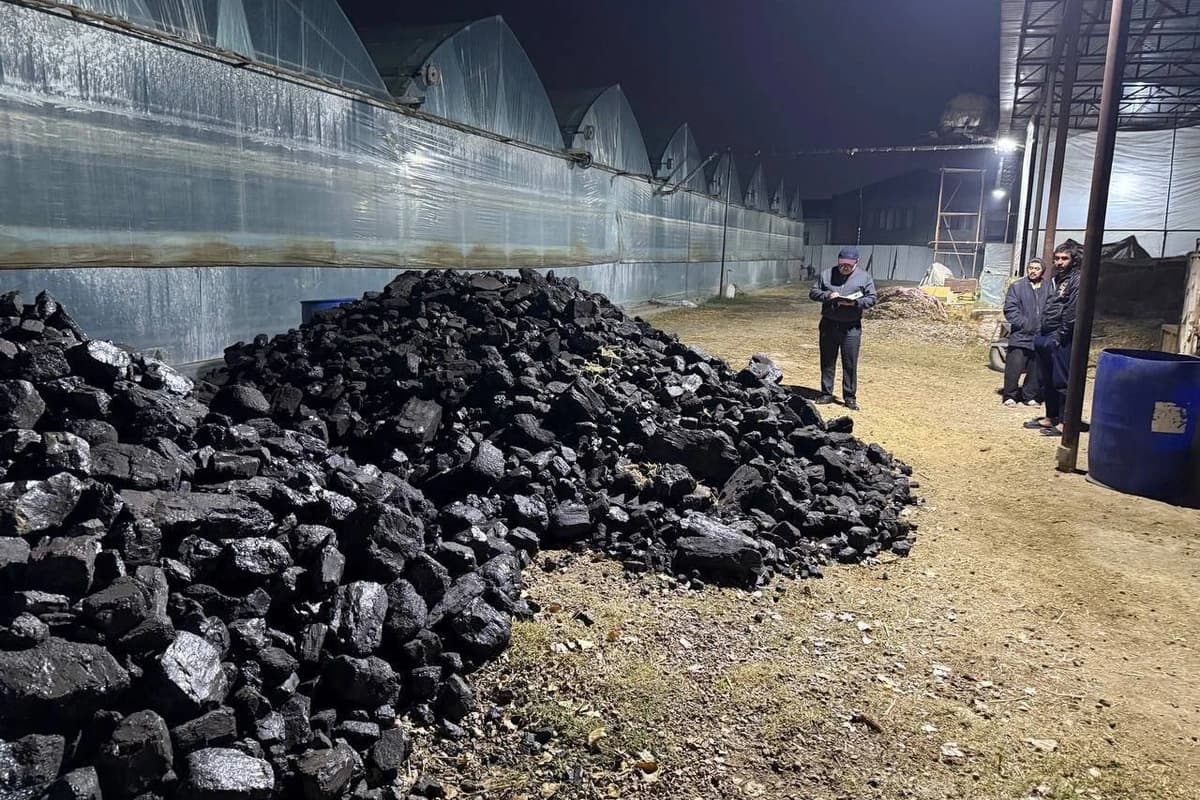
The Ecology Committee reported a rise in complaints from Tashkent residents about emissions from coal-fired greenhouses. Greenhouse owners declared their readiness to modernize their facilities and proposed switching to gas, electricity, geothermal and solar energy with online emissions monitoring.
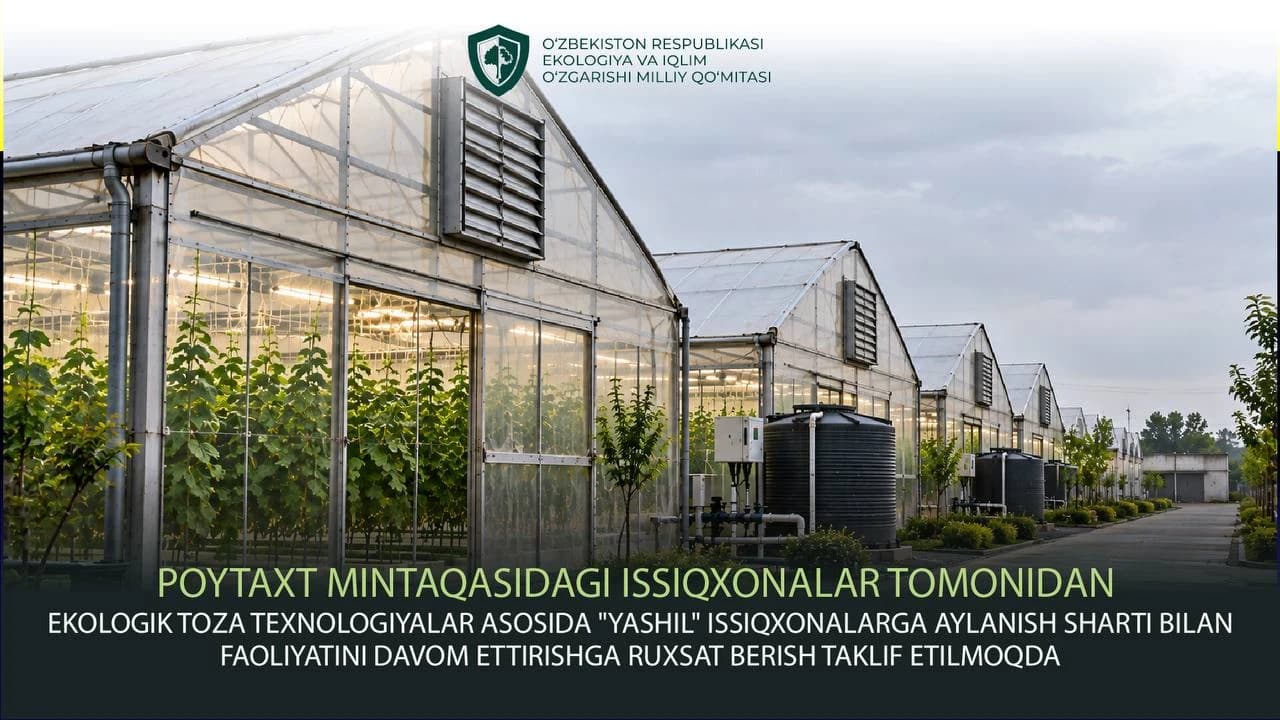
The National Committee on Ecology and Climate Change of Uzbekistan reported proposals from greenhouse operators in Tashkent and the Tashkent region to transition to 'greenhouses' using gas, electricity, and alternative energy sources; if not feasible, coal heating with filters would be permitted. Tests of filters based on Chinese technology conducted on September 30 and October 8 showed non-compliance with emission standards. Subsidies and tax incentives are being prepared for 'greenhouses,' while the ban on greenhouses without eco-friendly heating in the capital region will remain.
At a presentation to the President of Uzbekistan on 13 October, a proposal was made to introduce a special environmental regime for greenhouses in Tashkent and five adjacent districts: permitted heating sources, a transition away from solid fuel by 1 December, continuous emission monitoring from 15 October to 15 March, and financial support measures.
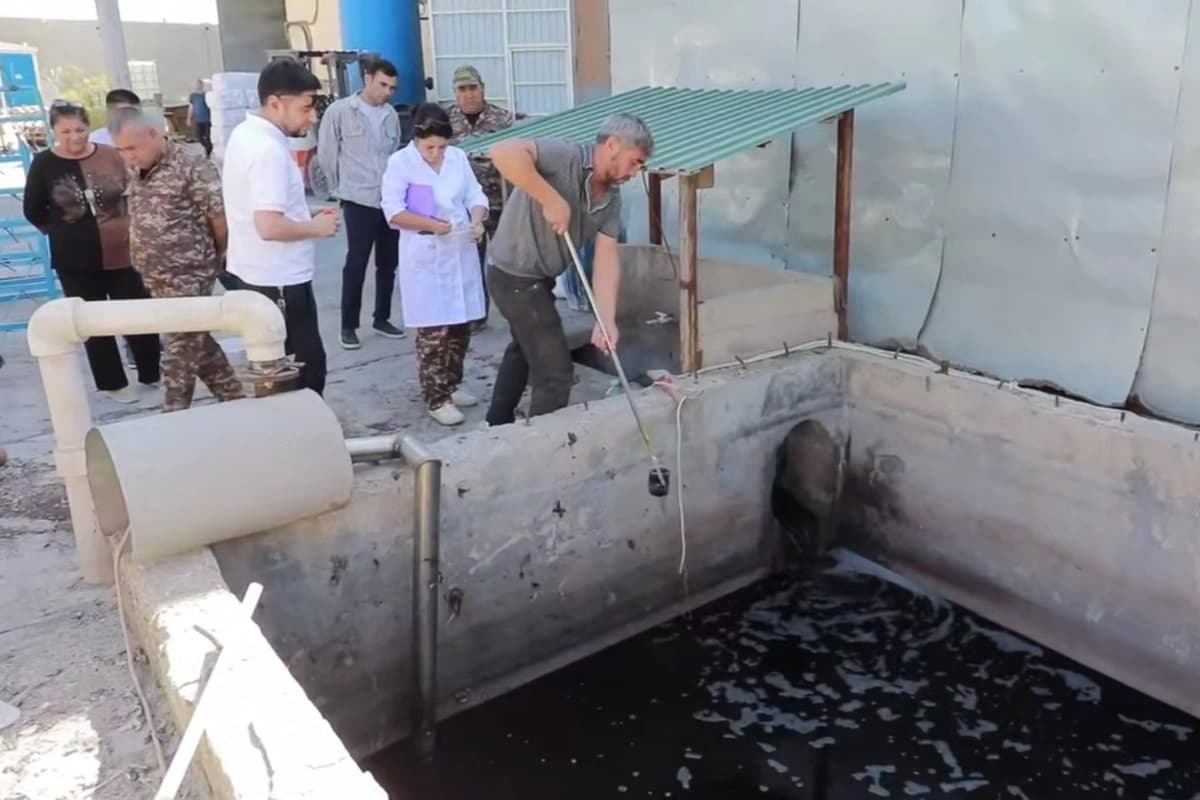
An Eco Police inspection of the Chirchiq city wastewater treatment plant showed that the facility was accepting wastewater from textile and chemical enterprises containing dyes, while treatment efficiency dropped to 27.7%. Wastewater from Gazalkent was discharged directly into the river. The Ecology Committee has assessed compensation payments and is preparing a lawsuit for the economic court.
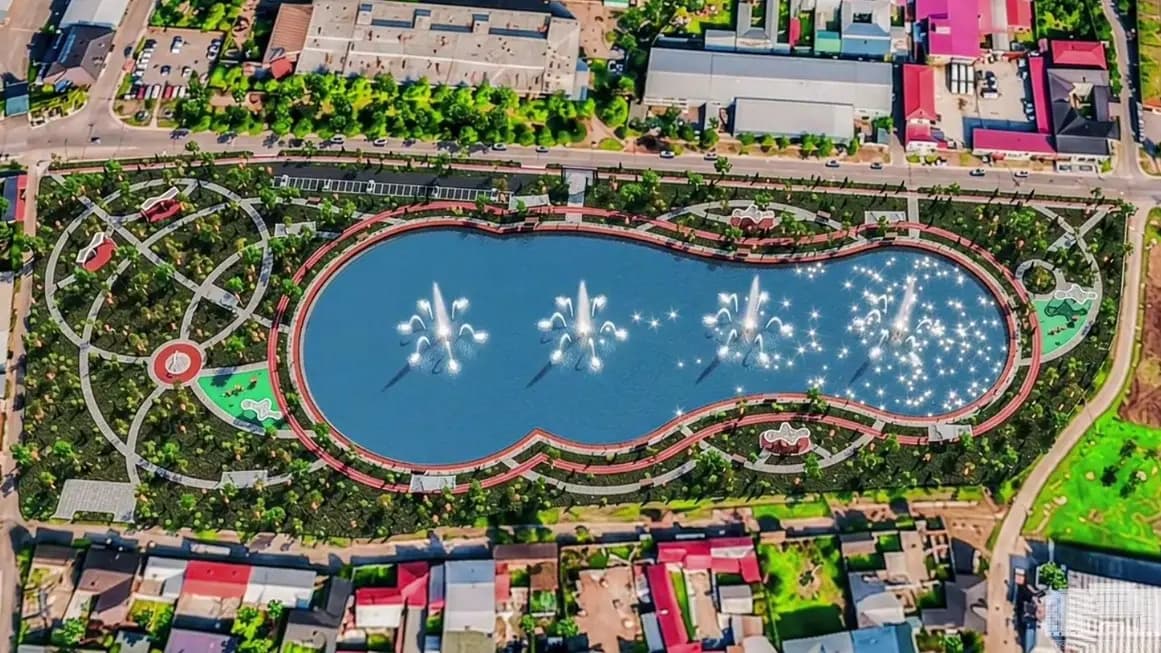
Construction of an artificial lake with a fountain has begun on 17,000 square meters in the Kumaryk mahalla of the Sergeli district of Tashkent. The project is part of an initiative to create 12 artificial reservoirs in all districts of the capital. More than 30% of the main works have been completed, with completion planned by the end of the year.
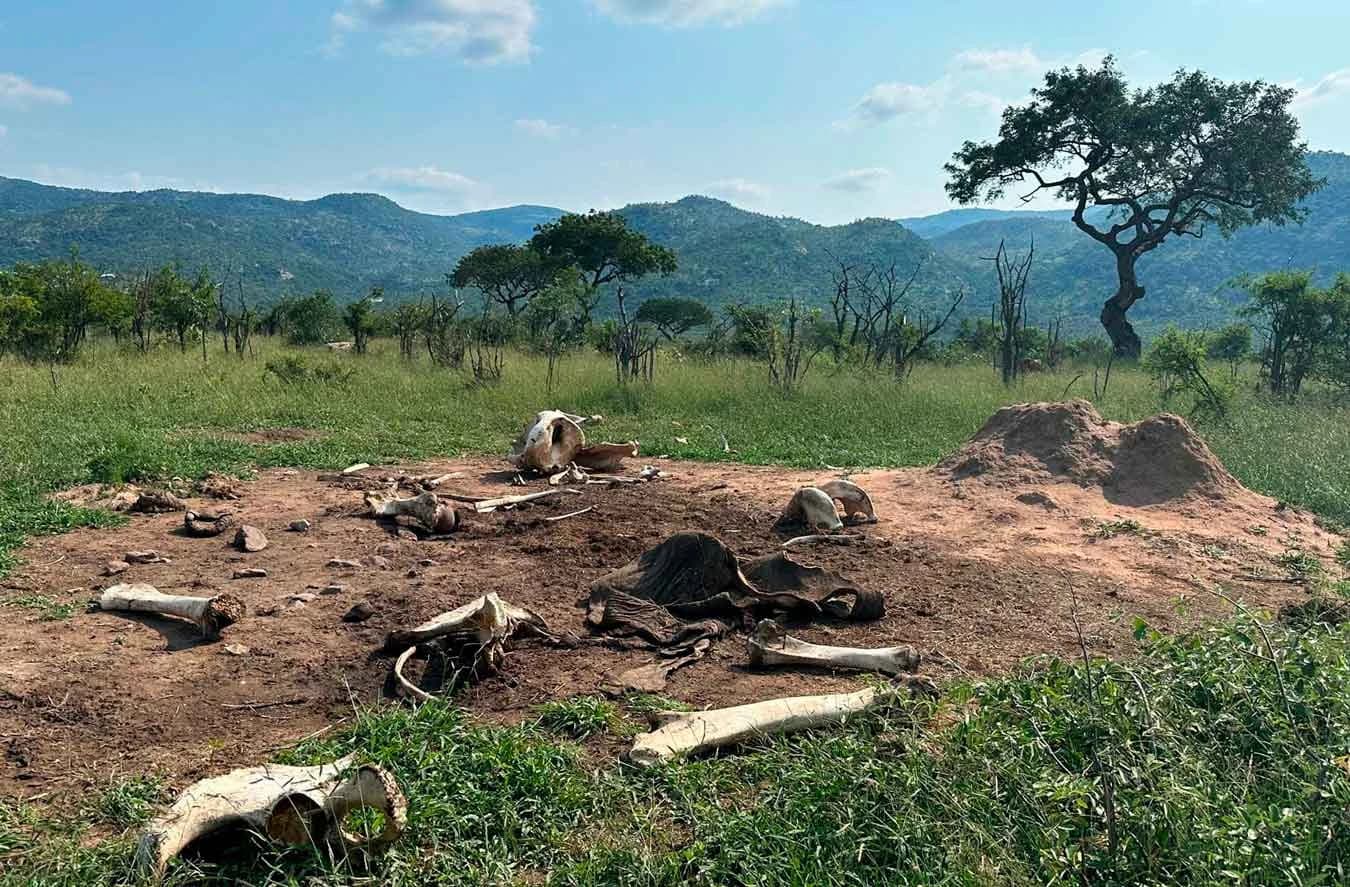
An international team led by a scientist from the University of California, Santa Barbara studied 40 elephant carcass sites and found that the remains alter soil composition and animal behavior for years. Ammonium concentrations near fresh remains were on average 31 times higher than in control plots, and impalas and lions fed there about three times more often — an effect that lasted more than seven years.
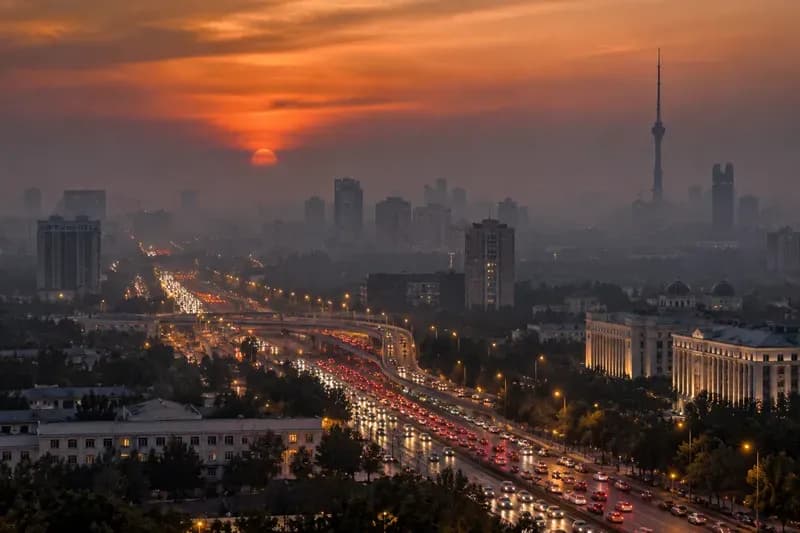
In Tashkent, air quality is expected to worsen on the evening of October 14. The pollution index may reach 100–150 points, which is considered an unhealthy level for sensitive groups of the population, according to the National Commission on Ecology and Climate Change. The highest concentration of pollutants is forecast between 22:00 and 23:00 in the northern and western parts of the city. The causes may be weak wind and temperature inversion, which cause pollutants to accumulate near the ground. People with respiratory illnesses and other sensitive groups are advised to limit prolonged outdoor stays and intense physical activity.
A special environmental regime for greenhouse farms has been proposed for Tashkent and five adjacent districts. Farms will be required to use cleaner energy sources, with emissions monitored including via drones. The measures were presented to President Shavkat Mirziyoyev. Burning tires, plastics, bitumen, fuel oil, used oils and waste is prohibited; solid-fuel greenhouses must switch to permitted energy sources by December 1. From October 15, 2026 to March 15, 2027, continuous environmental monitoring is planned, with data transmitted in real time to the National Ecology Committee. Subsidies of up to 50 million soums per hectare and preferential loans of up to 3 billion soums for seven years are proposed. A separate block concerns relocating greenhouses to Surkhandarya region, where 940 hectares have been allocated in the Surkhon-Agro free economic zone, with $100 million in investment targeted for 2027.