The key facts
- Relocated beavers: survival below 40% over 8 weeks, versus 80% for a control group of 24 local beavers
- 20 new dams appeared: 17 on the Price River and 3 in San Rafael
- Only about a quarter of the relocated beavers remained; the dams' impact on fish has not yet been studied
The beaver relocation experiment
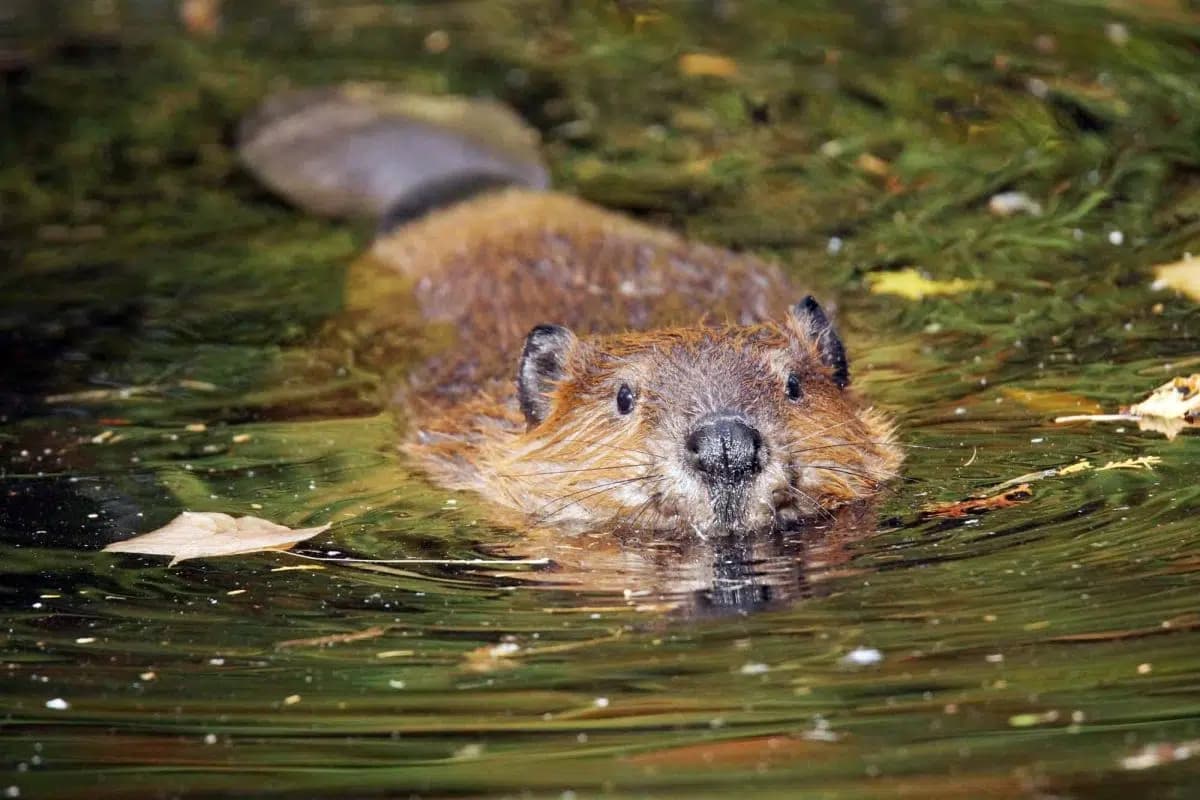
Scientists at Utah State University conducted an experiment in 2019–2020: beavers previously trapped for causing damage to property or infrastructure in other areas were relocated to two rivers in an arid region. The researchers sought to answer whether natural beaver dams can improve the habitat of local unique fish. The results were published in the journal Animal Conservation.
Why beaver dams are needed
Beavers are often called ecosystem 'engineers'. Their dams slow the water flow, promote its spread across the surroundings and the formation of marshy areas, and also create calm and deep ponds that are important for fish. During droughts, the importance of such places increases.
The relocation was harder than expected
Over eight weeks of observation, the survival rate of the relocated animals did not even reach 40%. In the control group of 24 beavers that originally lived in the area, the rate was 80%. Some animals died due to predators, some for unknown reasons; some lost the tracking devices fitted to them, so it is impossible to count every animal that disappeared from observation as dead. About a quarter of the relocated beavers stayed at the release site, while the rest left in search of more suitable territories. According to the scientists, in similar relocations almost half of the animals usually remain.
20 new dams and further plans
Despite the difficulties, the researchers note that the goal of increasing the number of dams was achieved: 17 new dams were counted on the Price River and three in San Rafael; some were built next to already existing artificial structures. The scientists suggest that the beavers that left the area may have settled on other damaged sections of the same river basins and provided benefits, but this hypothesis has not yet been confirmed. The researchers now intend to study how the new dams affect fish habitat conditions. It is too early to conclude that river ecosystems have been fully restored.