The key facts
- Eco Police inspected the treatment plant on September 14–23 following complaints about red-colored water in the Chirchiq river
- Treatment efficiency dropped to 27.7%, and wastewater from Gazalkent flowed into the river untreated
- Compensations were assessed at a 10-fold rate; materials were sent to law enforcement agencies, and a lawsuit is being prepared
Inspection following social media complaints
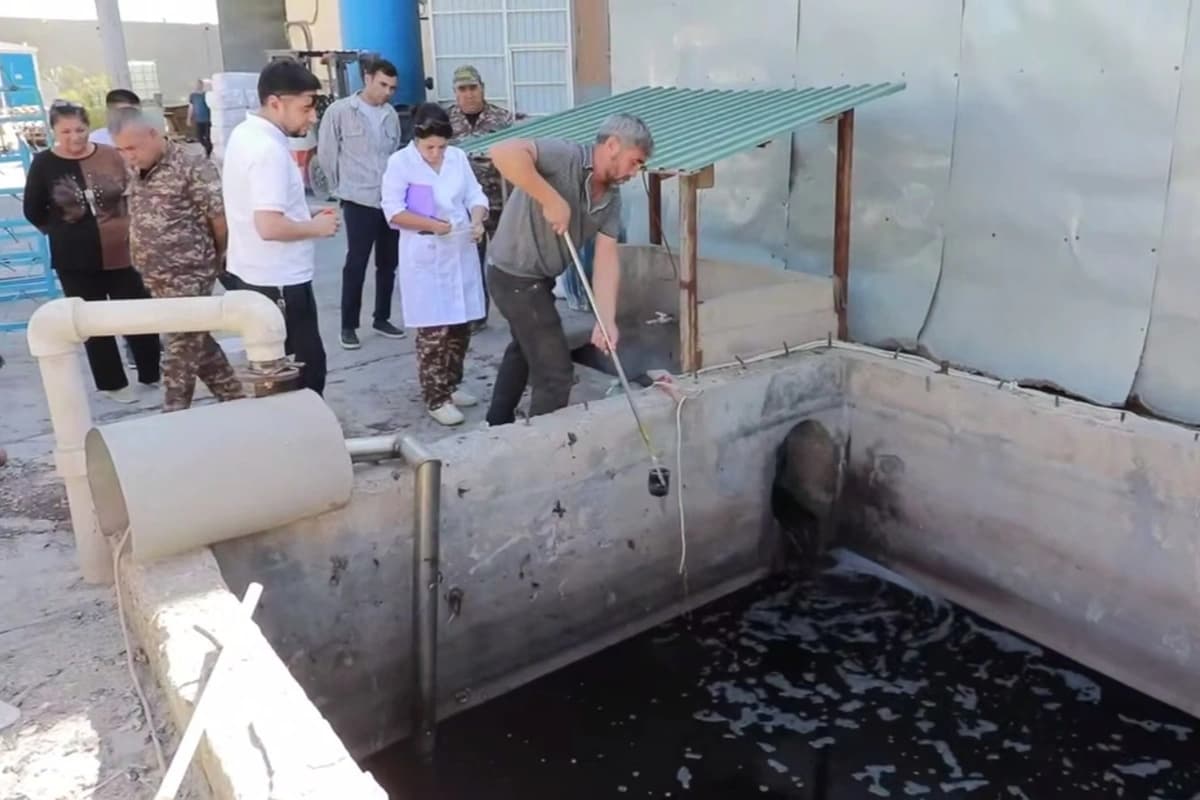
The National Committee for Ecology and Climate Change is preparing a lawsuit in connection with the discharge of wastewater into the Chirchiq river, the committee's press service reported. The reason was complaints on social media about red-colored water flowing into the river. Eco Police officers inspected the Chirchiq city wastewater treatment plant for 10 days, from September 14 to 23, with notification of the business ombudsman.
Identified violations
According to the committee, the enterprise was accepting wastewater that did not match its specialization in biological treatment: water from textile enterprises using dyes, and wastewater from chemical enterprises with pollutant concentrations exceeding standards. Due to malfunctions in the aeration and sludge settling systems, the treatment plant's efficiency dropped to 27.7%. In addition, wastewater from the village of Gazalkent was discharged directly into the Chirchiq river. The committee recalled that legislation prohibits discharging wastewater containing dyes and substances that hinder biological treatment into the municipal sewerage without preliminary treatment, and if such cases are identified, the discharge must be stopped immediately.
Compensations and lawsuit
Based on the identified violations, payments were calculated under paragraph 17 of the Regulation on the assessment of compensation payments for environmental pollution, which provides for the recovery of compensation at a 10-fold rate compared to base rates for the illegal discharge of waste. Additional payments were also assessed for failure to submit payment reports from the third quarter of 2025 to the second quarter of 2026, as well as compensation for failure to install a background monitoring station.
The enterprise's response and next steps
Representatives of the company 'Toshkent viloyati suv ta'minoti', which operates the treatment plant, were presented with the inspection report, but the head of the facility refused to sign it. The inspection materials have been sent to law enforcement agencies for legal assessment, and the committee is preparing a statement of claim for the economic court to recover compensation payments.