The key facts
- Greenhouses using solid fuel are proposed to switch to permitted energy sources by December 1; an exception applies to farms meeting strict technical requirements.
- From October 15, 2026 to March 15, 2027 — constant environmental monitoring: data from sensors and cameras is transmitted in real time to the Ecology Committee's system, with drones used.
- Financial support: subsidies of up to 50 million soums per hectare, preferential loans of up to 3 billion soums for 7 years, grants of up to 100 million soums for households.
Special environmental regime for greenhouses
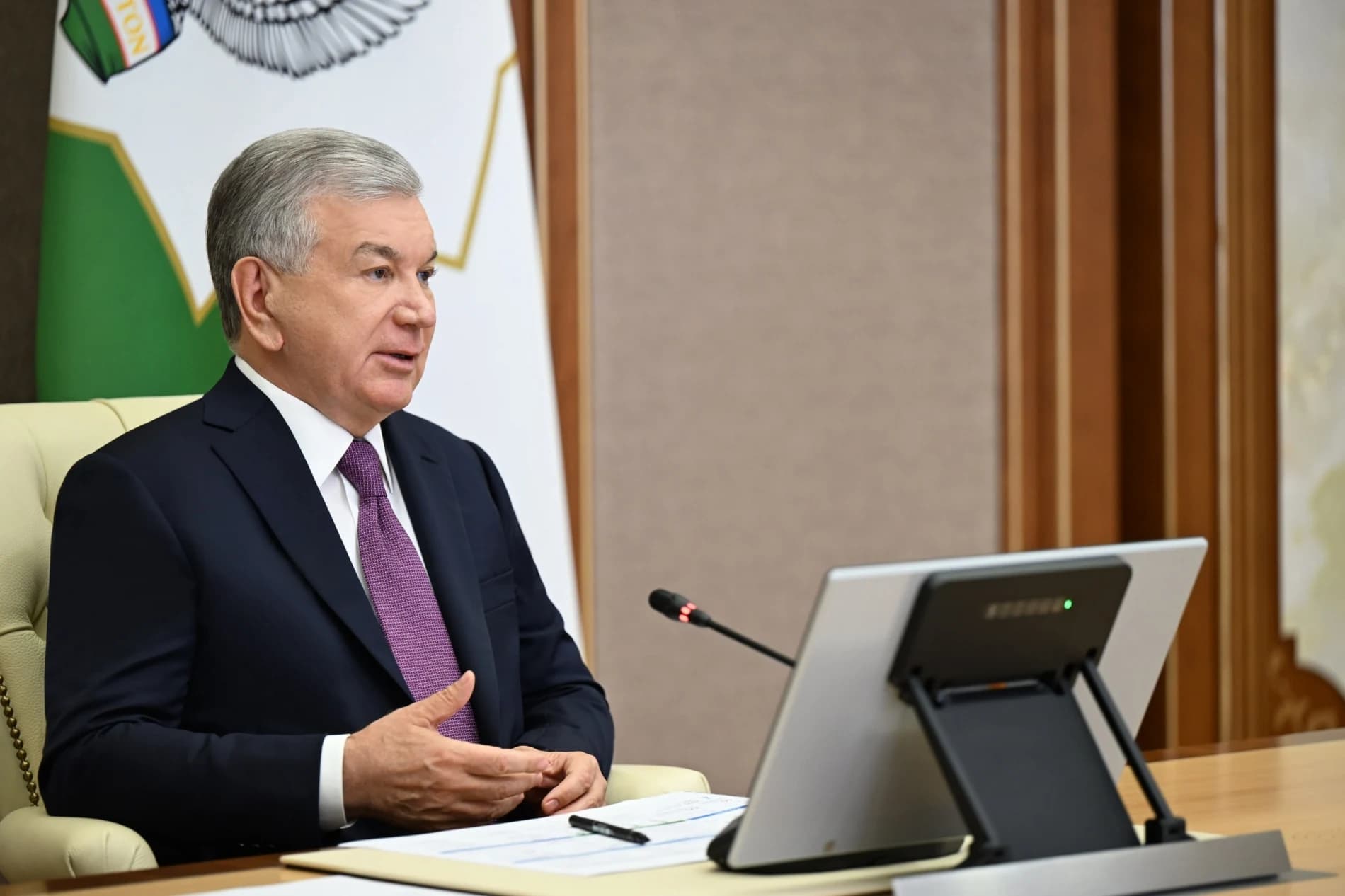
On October 13, at a presentation to Uzbekistan's President Shavkat Mirziyoyev, a proposal was considered to introduce a special environmental regime for greenhouses in Tashkent and five adjacent districts, his press service reported. Last year, a special commission inspected greenhouses and helped some farms switch to environmentally clean energy sources, but some farms still use coal. In autumn and winter, due to weakened winds and temperature inversion, greenhouse emissions can accumulate in the capital and its surroundings.
Permitted and prohibited energy sources
Natural gas, electricity, geothermal and solar energy, as well as waste heat from thermal power plants, are permitted for heating. Burning tires, plastics, bitumen, fuel oil, used oils and waste is not allowed. Greenhouses using solid fuel are proposed to switch to permitted sources by December 1. An exception may be made for farms that meet strict technical requirements: fuel storage in enclosed premises, availability of automated boilers, effective dust and gas cleaning equipment and a backup generator, safe collection of ash and slag, and chimney height compliance with established standards.
Emission monitoring with drones
From October 15, 2026 to March 15, 2027, constant environmental monitoring will be conducted in greenhouse farms: monitoring the operation of dust and gas cleaning equipment, emission volumes and compliance with fuel type requirements. Data from measuring instruments and video surveillance equipment will be transmitted in real time to the information system of the National Ecology Committee. Drones and members of the public will be involved in the monitoring. If lack of cleaning equipment, excess emissions or use of prohibited fuel is detected, enforcement measures are provided, up to stopping the greenhouse's operations.
Financial support and incentives
To help farms adapt, financial support measures have been developed: subsidies of up to 50 million soums per hectare for installing environmentally friendly and energy-efficient equipment, and preferential loans of up to 3 billion soums for a term of seven years. For greenhouses at households, it is proposed to reduce land and property taxes by 50% by 2030, exempt them from turnover tax and compensate half of the electricity costs consumed by energy-saving systems. Also considered are grants of up to 100 million soums for households in Tashkent and adjacent territories to introduce 'green' energy sources, preferential loans of up to 300 million soums for building new 'green' greenhouses and up to 150 million soums for modernizing existing ones. In 50 mahallas specializing in greenhouse farming, environmentally safe greenhouses are planned to be created for families in need.
Filter tests failed, ban remains
Earlier, on October 12, the National Ecology Committee reported on proposals from entrepreneurs to allow coal heating with the installation of modern boilers and filters. The pilot filtration system based on Chinese technologies presented by farms failed the tests: measurements on September 30 and October 8 revealed emissions not meeting the standards. Entrepreneurs must refine the sample, after which specialists will conduct repeated measurements. The agency emphasized that the ban on operating greenhouses without environmentally safe heating systems in the capital region will remain.
Related measure: payments to families in need
According to Kun.uz, a draft presidential decree on strengthening social support for families in need during the heating season has been put up for public discussion until October 28. According to the draft, during the 2026/2027 heating season, including November, families in need are planned to receive one-time financial assistance of 1 million soums; the funds must be transferred to citizens' social or bank cards by November 30, 2026.