The key facts
- Neither Netanyahu nor Eisenkot won a majority in the Knesset: the blocs hold 53, 48 and 19 seats respectively
- Neither Netanyahu nor Eisenkot received a majority in the Knesset: the blocs hold 53, 48, and 19 seats respectively
- Netanyahu publicly stated that his directive to the army, the 'Mossad' and the security services is the overthrow of the regime in Tehran
- Washington, according to American media reports, is preparing new strikes, but has ruled out action before the midterm elections on November 3
- According to American media reports, Washington is preparing new strikes but has ruled out action before the midterm elections on November 3
Divided attention
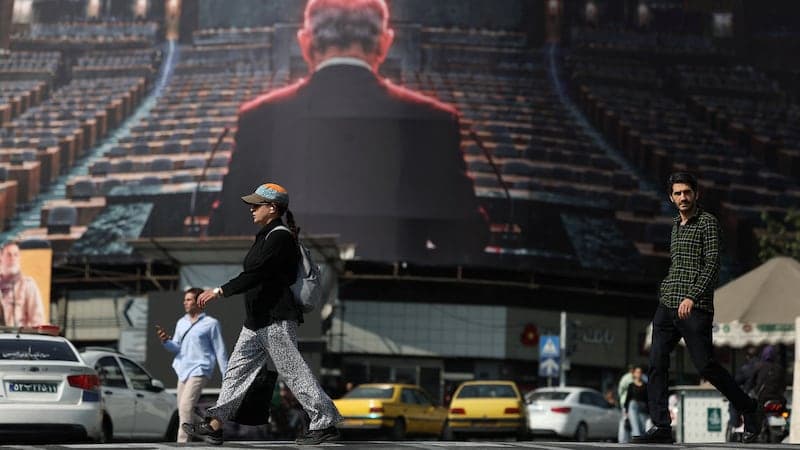
Iranians are following the Israeli elections with a mix of anxiety, close attention and apathy — this is how The National describes the atmosphere after two conflicts between Israel and Iran in two years. 'I wonder why I, as an Iranian, have to follow other countries' elections more than our own,' an opponent of the Tehran authorities living abroad told the outlet, asking for anonymity for security reasons.
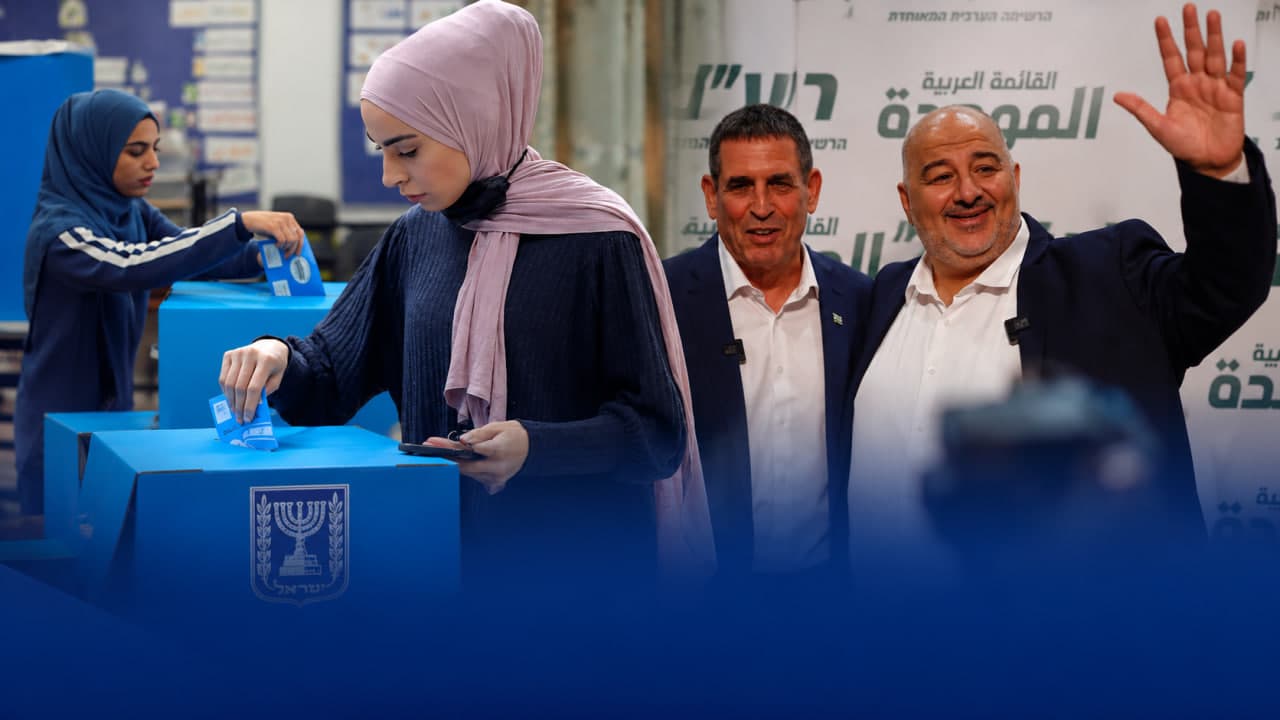
What is known about the voting results and Netanyahu's position
After the vote count, a struggle to form a government began in Israel: neither Benjamin Netanyahu nor his main rival Gadi Eisenkot won a majority. The pro-Netanyahu bloc holds 53 seats, the anti-Netanyahu bloc 48, and the Arab factions 19. Netanyahu has publicly declared the overthrow of the clerical system of power in Tehran his goal, without explaining how to achieve it. 'There is only one way to eliminate this threat once and for all: the overthrow of the regime in Iran. And that is my directive to [the army], the Mossad and the security services,' he said last week. Eisenkot, according to The Times of Israel, told Israeli Army Radio that he sees no 'critical' reason for new strikes on Iran, and accused Netanyahu of being unable to lead another military campaign.
An unfinished conflict and expectations of new strikes
The conflict, which began on February 28, has decreased in intensity but is not definitively over: a series of ceasefires has not brought lasting peace against the backdrop of a deadlock in negotiations between the US and Iran. American media reported that the US was preparing new strikes, although Washington ruled out action before the midterm elections on November 3. Some Iranians predict a resumption of military operations regardless of whether Netanyahu forms a government. 'If Bibi loses, the other party won't start a war right away. But Israeli foreign policy won't change, so this [will only] give Iran a breather before the new government starts a war,' an Iranian living abroad believes. A Tehran political observer, in a conversation with The National, sarcastically remarked that he follows the Israeli elections 'the same way as the elections in Guinea-Bissau': in his view, the decision to go to war against Iran outweighs the views of any individual prime minister of a country with a population of about 10 million.
Official Tehran and a weary society
Iranian state media followed the voting closely: the IRGC-affiliated Tasnim agency wrote about 'confusion and uncertainty on the Zionist political scene.' Officials, meanwhile, dismissed the significance of the elections. 'It makes no difference to us who will lead a regime that has brought our region nothing but violence and slaughter,' Foreign Ministry spokesman Esmaeil Baghaei said on Monday, before the elections. Many residents of the country, according to The National's interlocutors, have limited their news consumption out of fatigue from contradictory reports: 'The news simply doesn't provide real information — will there be another war or not? Will there be a ceasefire or not?' said one critic of the authorities in Tehran. Society has been weakened by years of war and economic crisis: the American blockade of Iran's ports has worsened already sky-high inflation, and in the shadow of the war, according to the UN and human rights groups, a tightening of repression is underway, with a sharp rise in arrests and executions of opponents of the regime.
Divisions among Iranians themselves
Attitudes toward a possible war inside Iran are divided. Tehran-based political analyst Javad Heyrannia noted that the 'man on the street,' critical of the regime, and part of the middle class do not support foreign intervention: their experience has led them to conclude that it 'does not bring democracy and is not in the interests of the people.' At the same time, according to him, there is also a part of society that supports Netanyahu — people who believe that 'Netanyahu is the only one who can truly destroy the Islamic republican regime.' An Iranian living abroad explained that such hopes are not always tied to sympathy for Israel: some Iranians believe that protests, dissent, and reform have not worked, and that foreign intervention is the only remaining option. According to The National, at least 8,000 people were killed in the January anti-government protests, which became the biggest challenge to the system since 1979, and a UN fact-finding mission stated last monththat the suppression of the protests, with killings, torture, and enforced disappearances, constitutes a crime against humanity. There are also those who see a possible departure of Netanyahu as a chance for a 'reset': Mohammad Ali Seyedkhanaei, founder of the Tehran-based think tank Nation's Diplomacy, called him a 'clever politician' responsible for a 'staggering' number of deaths in the region, and suggested that if Netanyahu were defeated, Iran could reconsider its policy and build relations with the region on a new basis.