The key facts
- In the election results, Netanyahu's bloc won 53 seats, the opposition 48, and the Arab parties 19 out of 120; 61 are needed for a majority
- Tibi says the Joint Arab List is ready to support an Eisenkot government from outside, without joining the coalition
- The Central Elections Committee has finished counting special ballots; official results will be announced later
A scenario attributed to Netanyahu
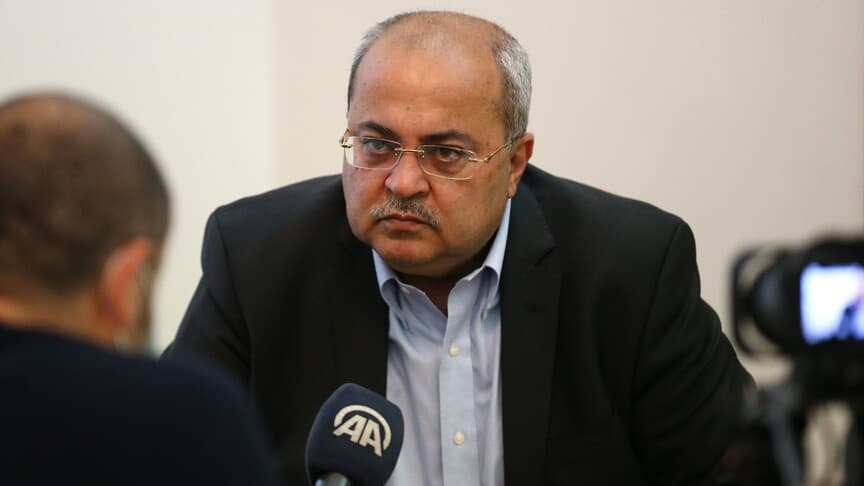
Ahmad Tibi, leader of the Joint Arab List parliamentary faction, said in an interview with the Turkish Anadolu agency that Israeli Prime Minister Benjamin Netanyahu is seeking new elections in order to hold on to power. According to Tibi, Netanyahu wants to remain prime minister of a transitional government and, after the US midterm elections, 'start a war against Iran in cooperation and coordination with Donald Trump, and then hold another election.' This is the lawmaker's claim, not a confirmed fact: the publication contains no other confirmation of such a plan.
The opposition's proposal and the role of the Arab parties
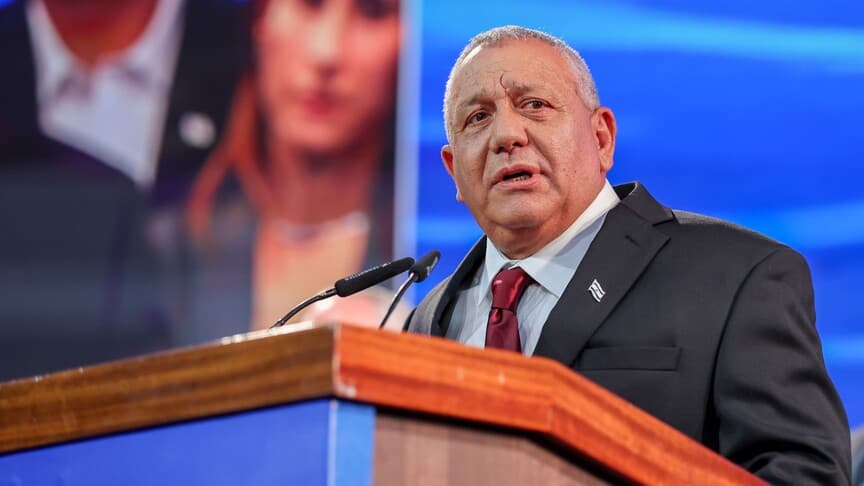
Tibi called on the opposition parties to quickly announce the formation of a government led by Yashar party leader Gadi Eisenkot and promised the support of the Joint Arab List. He stressed that the list does not intend to join the government but is ready, through arrangements with the opposition, to provide a 'safety net' for toppling Netanyahu's government, and that in exchange for parliamentary support the Arab lawmakers would seek commitments meeting the needs of their communities. Tibi also allowed for coordination with Mansour Abbas's Raam faction of the Joint Arab List, naming the overthrow of the current government as a shared goal.
The balance of power after the election
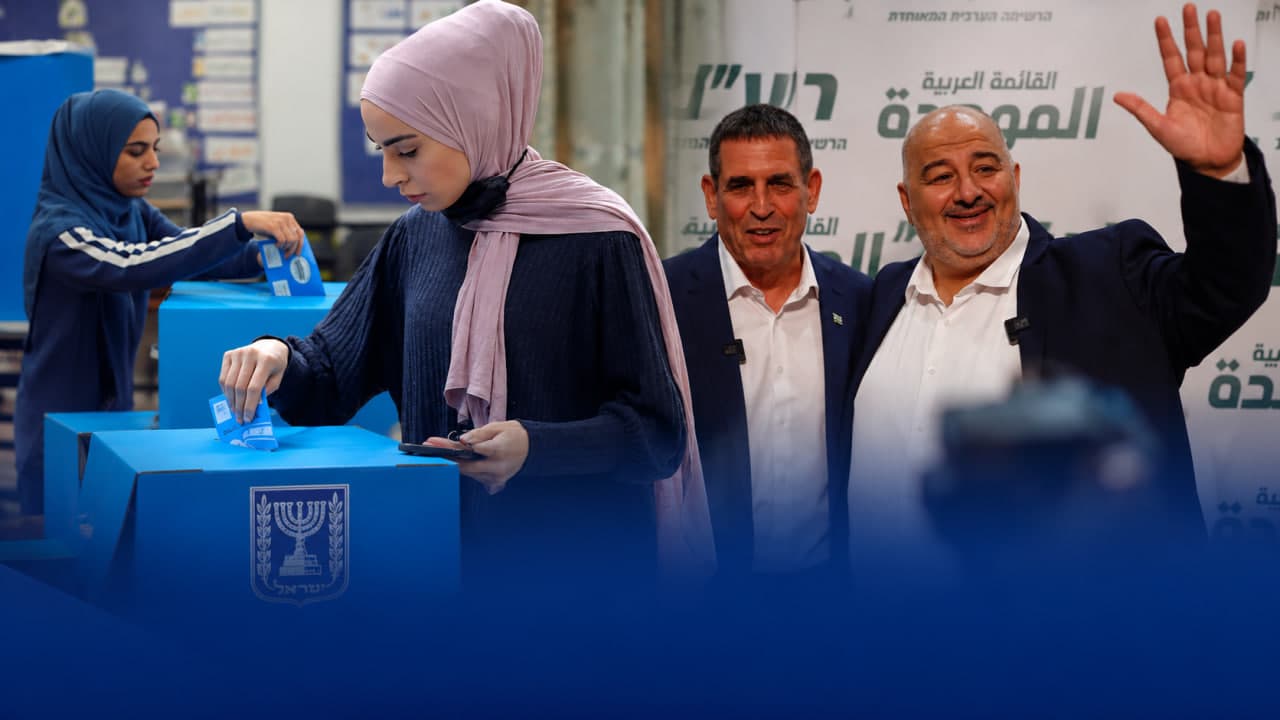
The interview came after Tuesday's parliamentary elections, in which neither Netanyahu's bloc nor the opposition won an outright majority: according to the latest figures, Netanyahu's bloc won 53 seats, the opposition 48, and the Arab parties 19 in the 120-seat Knesset; a majority requires at least 61 seats, which puts the Arab parties in a potentially pivotal position in forming a government. Tibi called the high turnout of Arab voters an achievement that prevented Netanyahu from forming a government, and said that Itamar Ben-Gvir 'will never again be police minister.' He also rejected accusations from Netanyahu's camp of fraud by Arab voters, calling them a campaign aimed at suppressing Arab turnout and delaying the publication of official results, citing the Central Elections Committee's position that the accusations will not affect the announcement of the results.
What happens next and what remains unknown
The Central Elections Committee announced on Thursday that the counting of special ballots was complete; the official final results will be published later. President Isaac Herzog is expected, after receiving the official results, to hold consultations with the parliamentary factions before tasking one of the lawmakers with forming a government. For now this is only the expected procedure: neither the candidate for the mandate nor the composition of a possible coalition has been determined, and Tibi's statement about a 'war with Iran' remains his personal assessment of Netanyahu's intentions. Tibi also expressed hope that the opposition leaders would overcome their internal disagreements and rejected the possibility that Yisrael Beiteinu leader Avigdor Lieberman would leave the opposition bloc, describing his behavior, in Tibi's words, as typical pressure on Eisenkot aimed at securing a stint as prime minister.