The key facts
- Turnout among Arab voters in Israel in the 2026 elections is described as historically high
- According to current counts, Arab parties hold about 19 parliamentary seats
- Neither bloc has secured 61 votes; the count has been delayed by more than 400,000 'double-envelope' ballots
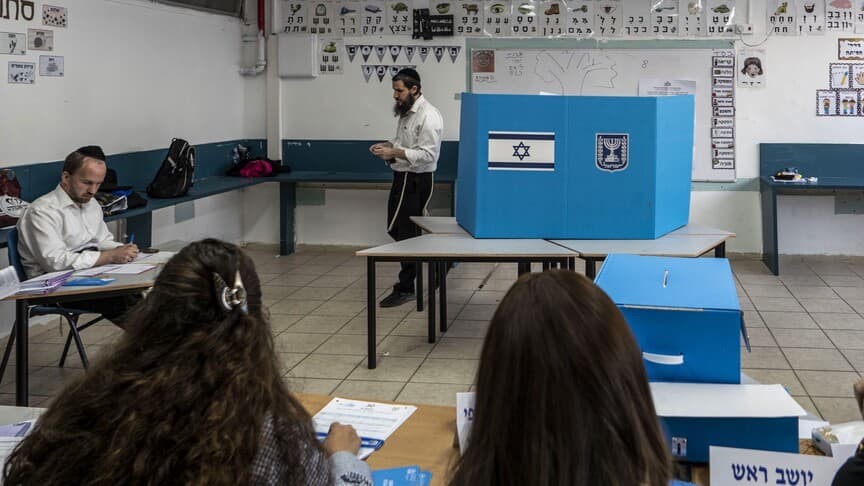
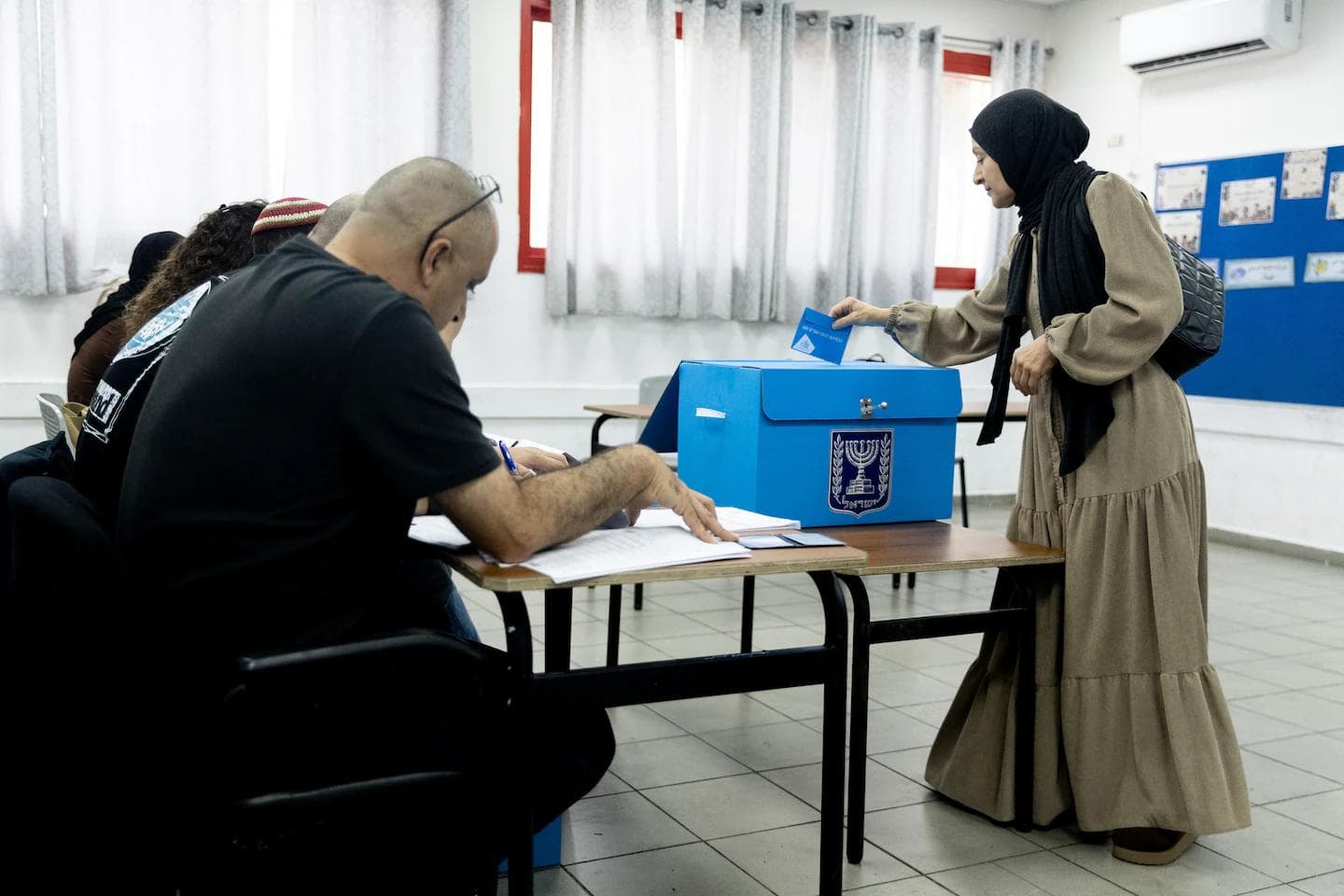
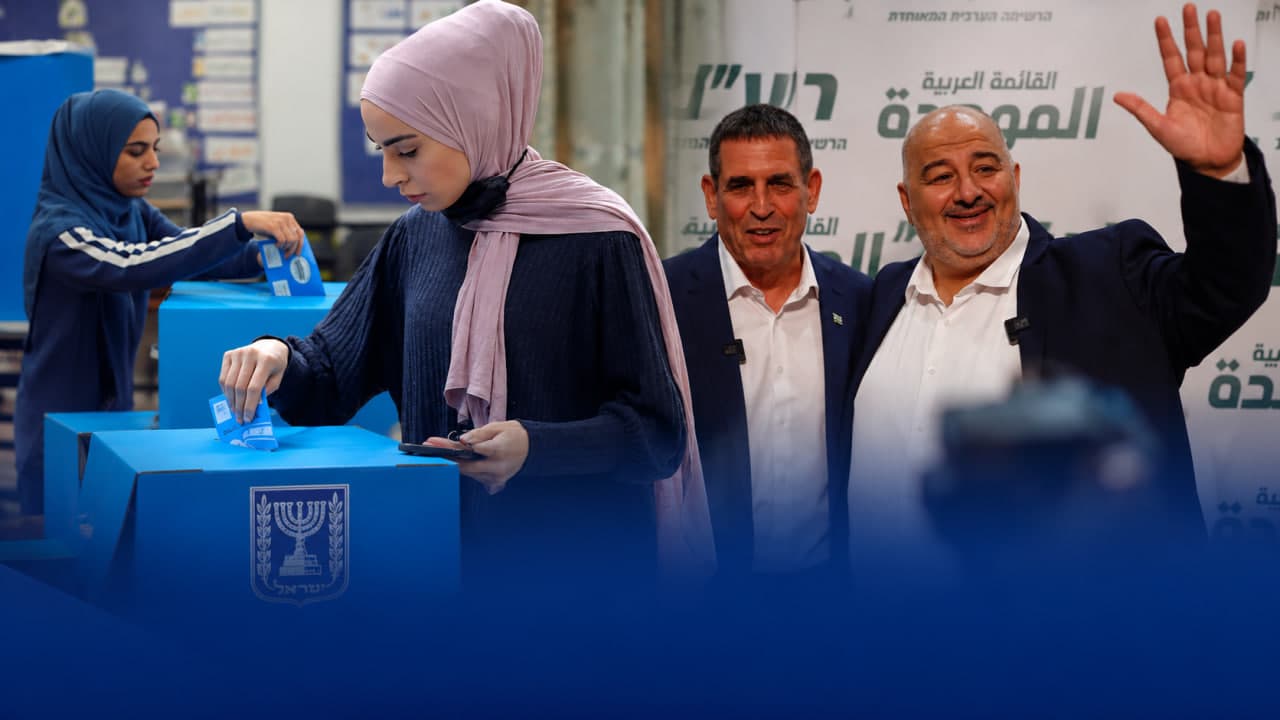
Arab voters turned out at polling stations in record numbers
In Israel's parliamentary elections, Arab citizens of the country, who make up, according to the Kun.uz outlet, at least 21% of the population (about 2.2 million people), showed an unusually high turnout. In the cities where they live, attendance at polling stations was described as extremely high: people came from the morning. Prime Minister Benjamin Netanyahu, according to the outlet, reacted to the activity of Arab voters with irritation and urged his supporters to 'leave home and vote quickly'.
Why the count has been delayed
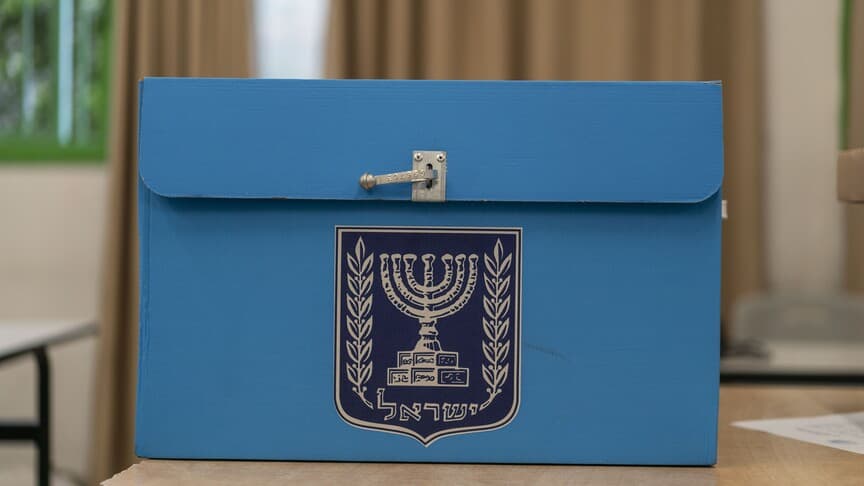
It was initially expected that the results would be counted quickly, but part of the votes has still not been processed. These are the so-called 'double-envelope' ballots — votes of soldiers, diplomats, people in hospitals, prisoners, and citizens voting outside their registered polling station. By various estimates, there are more than 400,000 of them. The procedure takes time: the first envelope bears the voter's name and address, it is checked whether they voted at their main polling station, and only then is the ballot from the second envelope counted. Meanwhile, Israeli citizens abroad cannot vote in elections — this is the rule under the country's system.
What the balance of power in parliament means
According to current counts, Arab parties are receiving about 19 seats in the Knesset. Neither the ruling bloc nor the opposition has yet secured the 61 votes needed to form a majority, which leaves the Arab electorate with significant political weight. The outlet notes that Arab voters are traditionally active and support their own parties, and that these elections became a legitimate opportunity for them to express their position against the Netanyahu government's policy toward Palestine. Kun.uz separately emphasizes: Arabs are not represented in the Israeli government, but thanks to the functioning democratic institutions it is impossible to strip them of their voting rights. The final results remained uncertain at the time of publication — the counting of 'double-envelope' ballots was still ongoing.