The key facts
- Netanyahu's bloc has 53 seats and Eisenkot's opposition 48, with 61 needed; the Arab parties are heading for a record 19 seats
- The elections committee asked the Shin Bet to investigate claims that the Raam party received money from Qatar; the party and Qatar deny the accusations
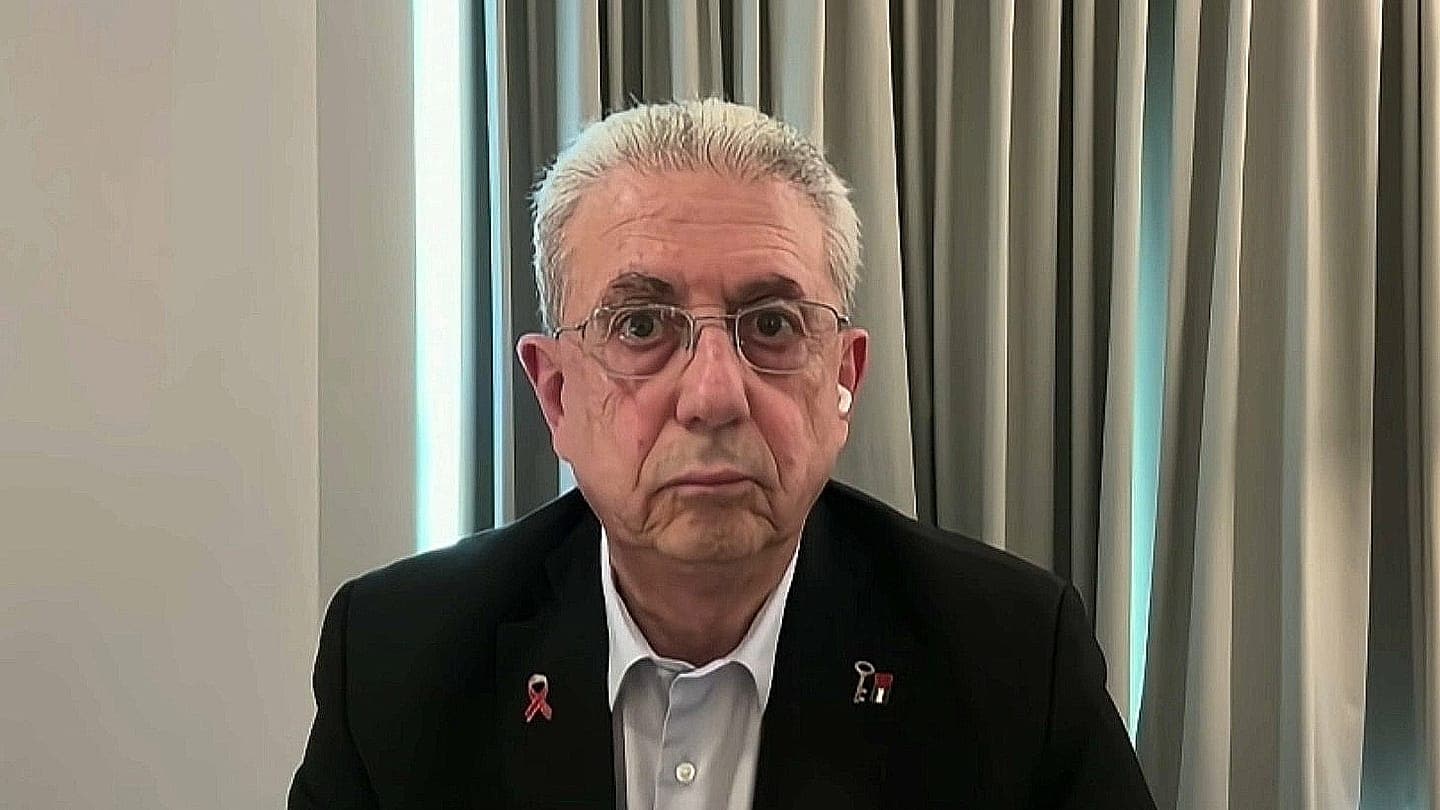
- Joint List leader Yousef Jabareen is ready to back the opposition in toppling Netanyahu, but without joining the government
Accusations against the backdrop of an uncertain result
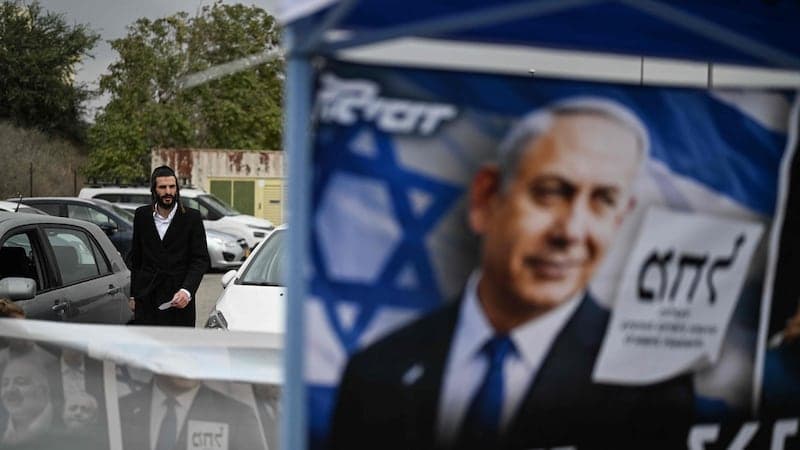
Two days after Israel's elections — the first since the Hamas attacks of October 7, 2023 — the vote count is nearing completion, and neither the bloc of incumbent Prime Minister Benjamin Netanyahu nor the opposition led by former army chief of staff Gadi Eisenkot has a majority. According to AFP, with almost all votes counted, Netanyahu's bloc has 53 seats and Eisenkot's opposition 48, while 61 are needed to form a government. Against this backdrop, Netanyahu's camp on Thursday unleashed a stream of accusations of foreign funding against the Arab parties without presenting evidence — which the agency sees as an attempt to neutralize the factions that could become the key to forming a government.
The substance of the accusations and the parties' reactions
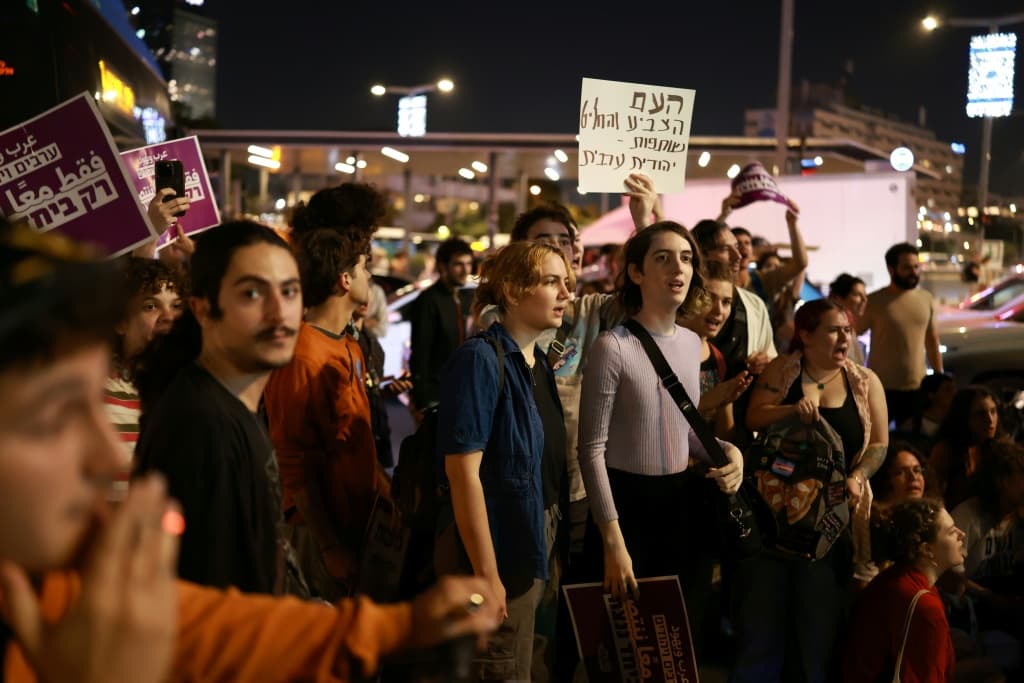
The chairman of the Central Elections Committee, conservative Supreme Court Justice Noam Sohlberg, asked the Shin Bet (the general security service) to verify claims that the Arab party Raam received money from Qatar — a Persian Gulf state that maintains channels of communication with Hamas. The Likud party called the situation a 'political earthquake' and declared that 'the elections were stolen.' Raam leader Mansour Abbas rejected the accusations, saying the party 'has nothing to do with this matter,' and welcomed the investigation. Qatar called the accusations 'ludicrous and dangerous.' The Joint List, which unites three Arab parties, accused Netanyahu and his allies of an 'incitement campaign' that, in its words, betrays their fear of the political power of Arab citizens.
The positions of the Shin Bet, the president and the opposition
The Shin Bet stressed that the investigation is not complete but is not intended to 'cast a shadow or assign blame to an entire sector' that voted 'democratically and lawfully.' President Isaac Herzog called for an investigation but warned against stigmatizing the entire Arab community, which turned out to vote in unprecedented numbers. Eisenkot said he had been informed by the Shin Bet and the elections committee, and that 'it is too early to understand what happened and whether anything happened at all,' but at the same time accused Netanyahu of a 'coordinated, organized campaign to delegitimize the election results.' Left-wing candidate Yair Golan also said the prime minister is trying to challenge the outcome of the vote after failing to secure a majority.
Arab parties as the key to a coalition
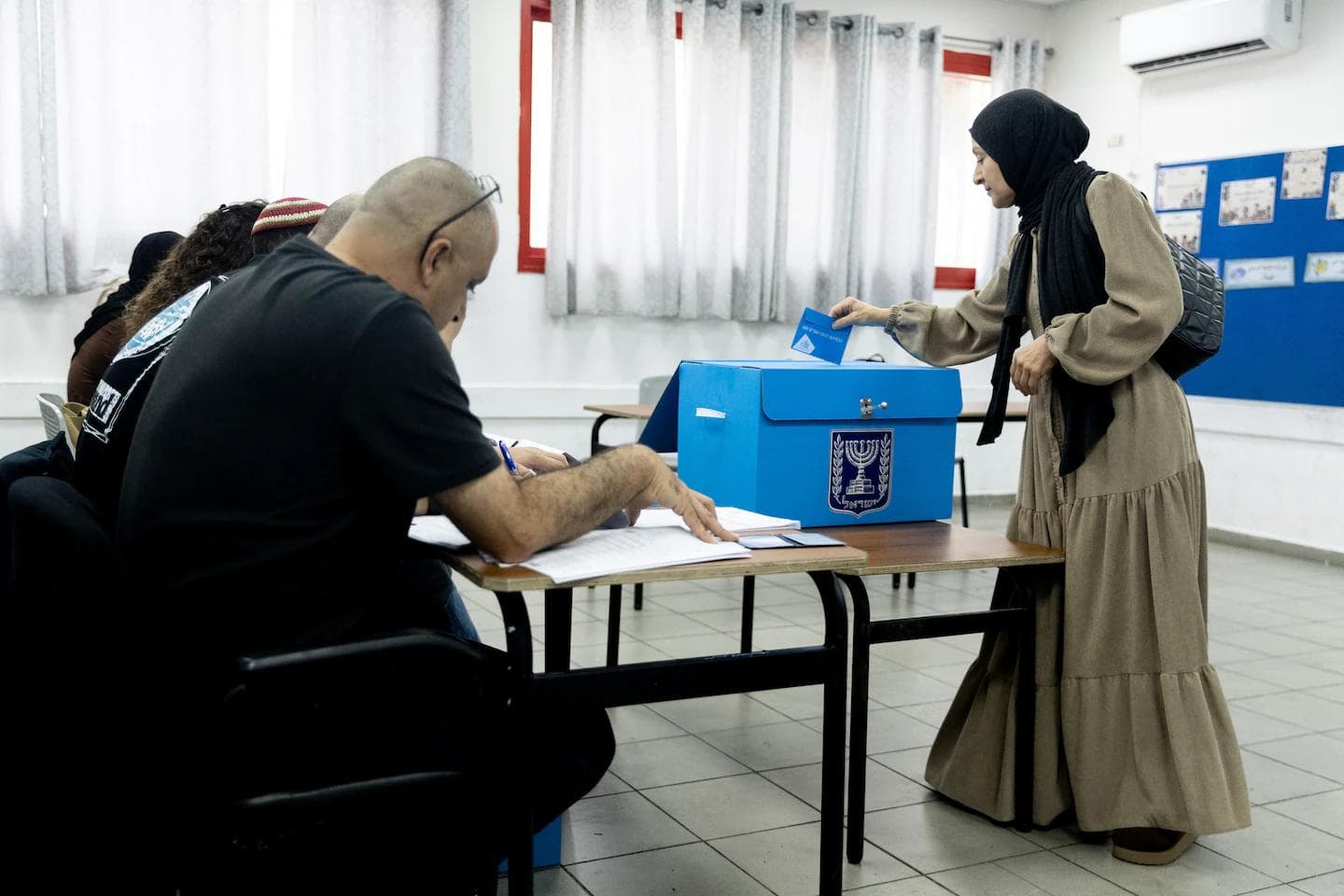
The stakes are high: the two Arab factions are heading toward an unprecedented 19 seats between them, and their votes would be enough to push the opposition bloc past the 61-seat mark. Nevertheless, Eisenkot has so far not done so after Netanyahu's relentless attacks, in which he warned his right-wing Jewish base that voting for the opposition would bring Arabs to power. The head of the Joint List, Yousef Jabareen, told AFP he was ready to cooperate with the opposition to unseat Netanyahu, but without joining its government. National Security Minister Itamar Ben Gvir went so far as to call for the leaders of the Arab parties to be arrested 'immediately.'
Claims of fraud on election day
A separate line of accusations concerned election day itself: Netanyahu claimed that Arab parties had been 'caught with envelopes of cash,' and Likud spread these claims throughout Thursday. Police reported the arrest of three suspects, but the elections committee described it as an isolated local incident. Acting director general of the Central Elections Committee Dan Livne said any suggestions of large-scale violations were 'completely baseless.' AFP also notes that Netanyahu himself has long been shadowed by accusations connected with Qatar: last year two of his aides were arrested on suspicion of receiving money from that country, and before October 7, 2023, the prime minister for years tacitly supported Qatari funding of Hamas's rule in Gaza in the name of stability.