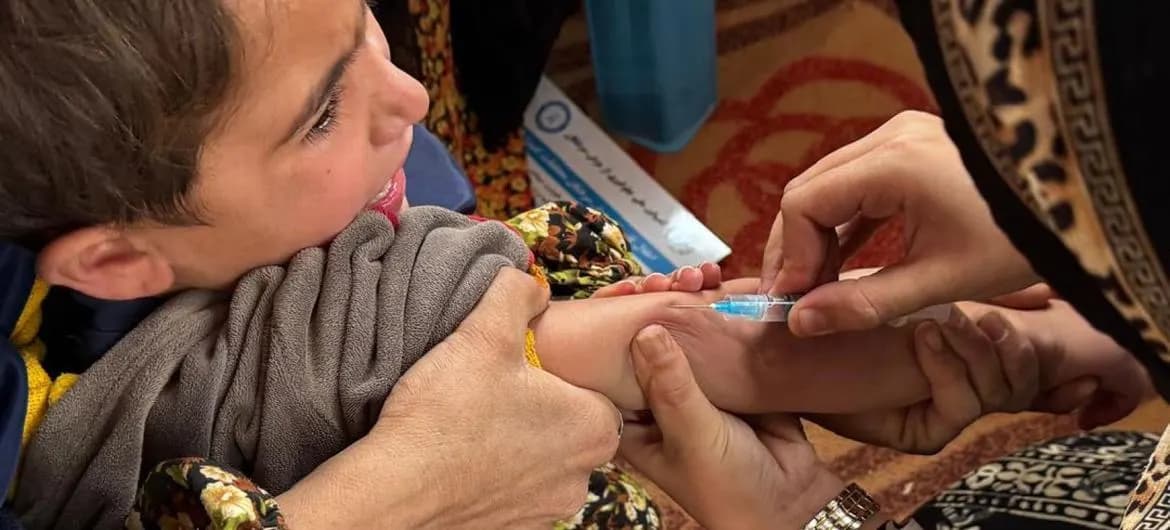
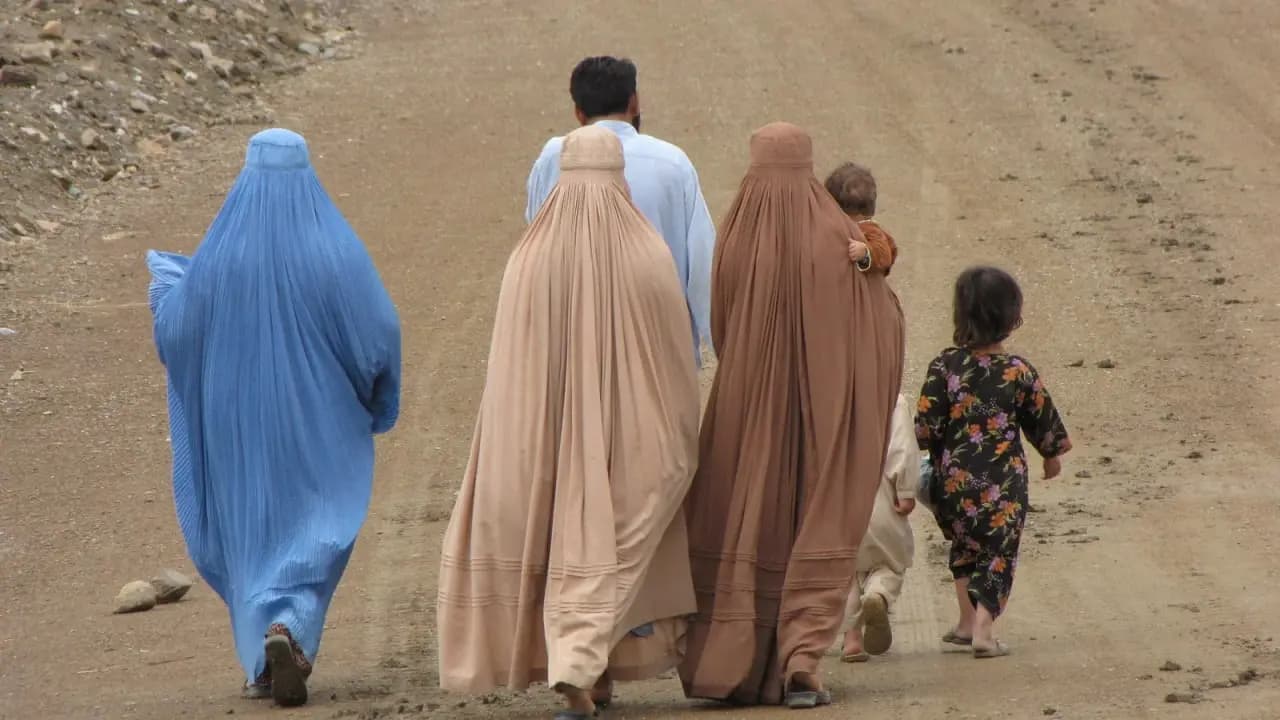
UNICEF reported on October 26 that, with the support of the government and people of Japan, it is providing children in Afghanistan with vaccines and medical assistance, with a particular focus on polio prevention. According to the fund, more than 21 million people in the country need humanitarian assistance.
At a UN Security Council briefing marking the 30th anniversary of Graça Machel's report, UNICEF Executive Director Catherine Russell reported more than 38,000 verified grave violations in 2025 and urged the Council to act immediately. For the first time, the majority of violations were committed by government forces.
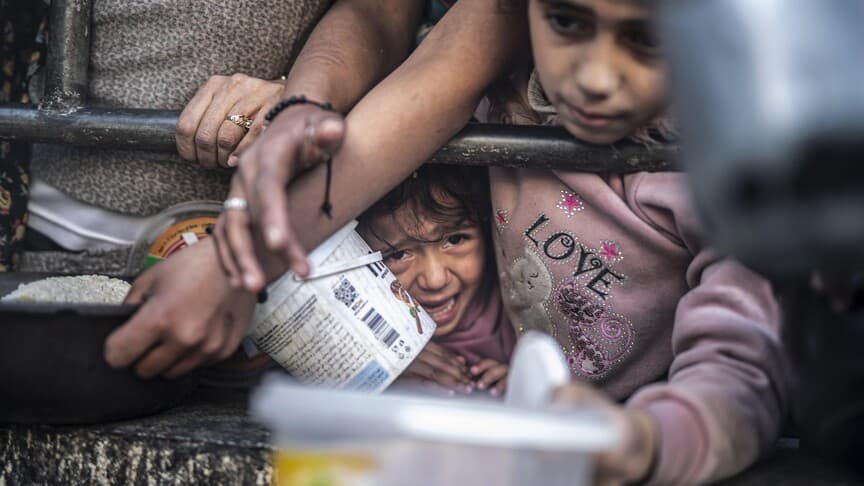
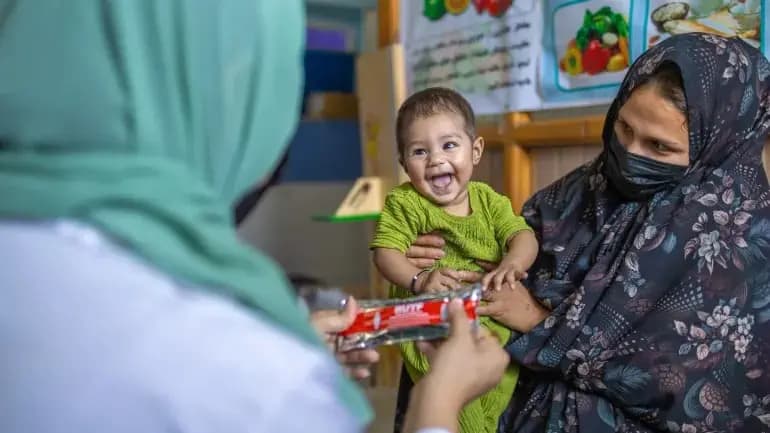
The UN Children's Fund reported that the logistics hub in Termez ensures uninterrupted deliveries of therapeutic nutrition and medicines to Afghanistan, where, according to forecasts, more than 4 million children may need treatment for acute malnutrition in 2027.
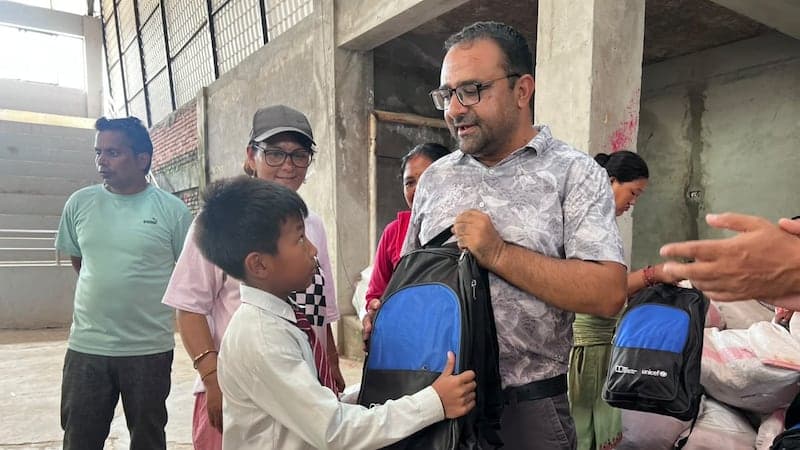
Rajendra Dawadi, principal of Tribhuvan Trishuli school in Nuwakot, evacuated 900 students 11 minutes before the disaster struck. A month after the flood that killed at least 1,455 people, classes have resumed in Unicef tents and at a sports base — more than 95% of children have returned.
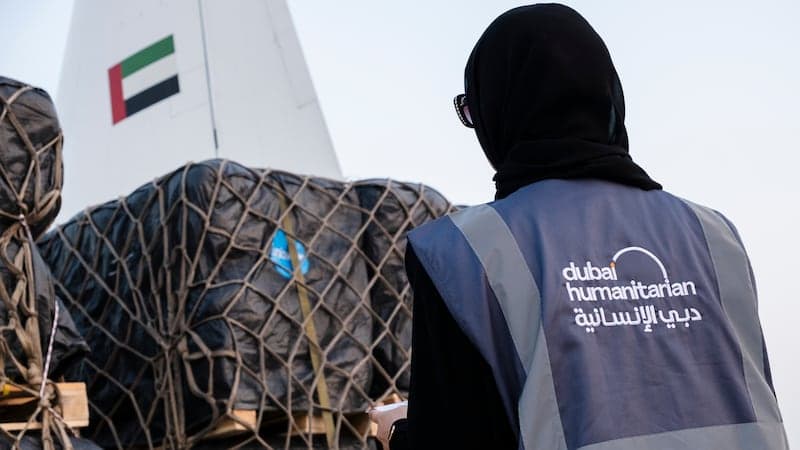
Dubai Humanitarian has launched a new air operation to deliver winter humanitarian aid to Gaza. The first flight carrying thermal blankets for UNICEF arrived in El Arish (Egypt) for onward transfer to Gaza. The operation is carried out on the directives of Sheikh Mohammed bin Rashid, with at least three more flights on C-130 aircraft planned.
Following a two-day summit in Uzbekistan attended by representatives of more than 100 countries, the Samarkand Declaration was adopted, calling for investment in healthcare, education and child protection. According to UNICEF, two thirds of the tracked child-related SDG indicators are behind schedule.
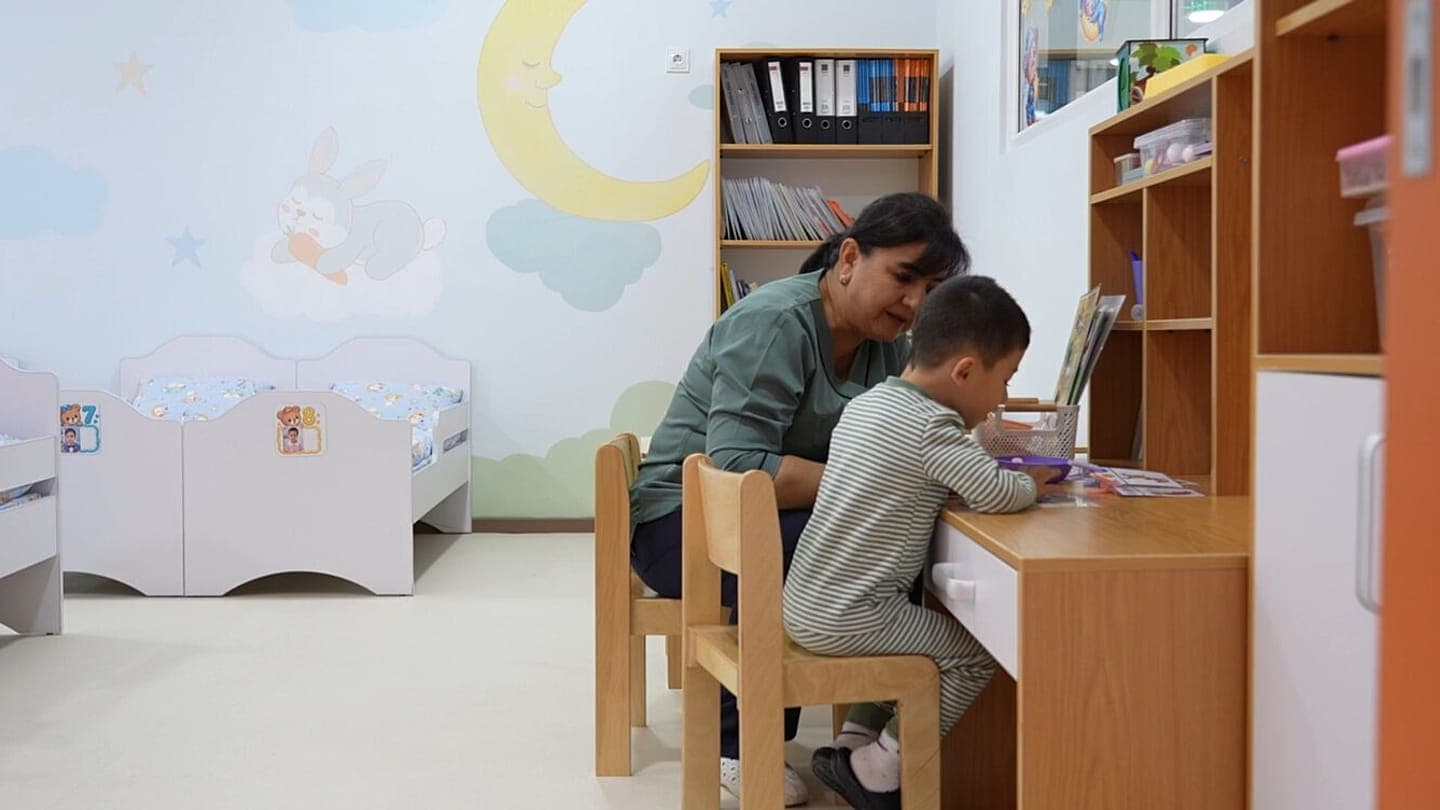
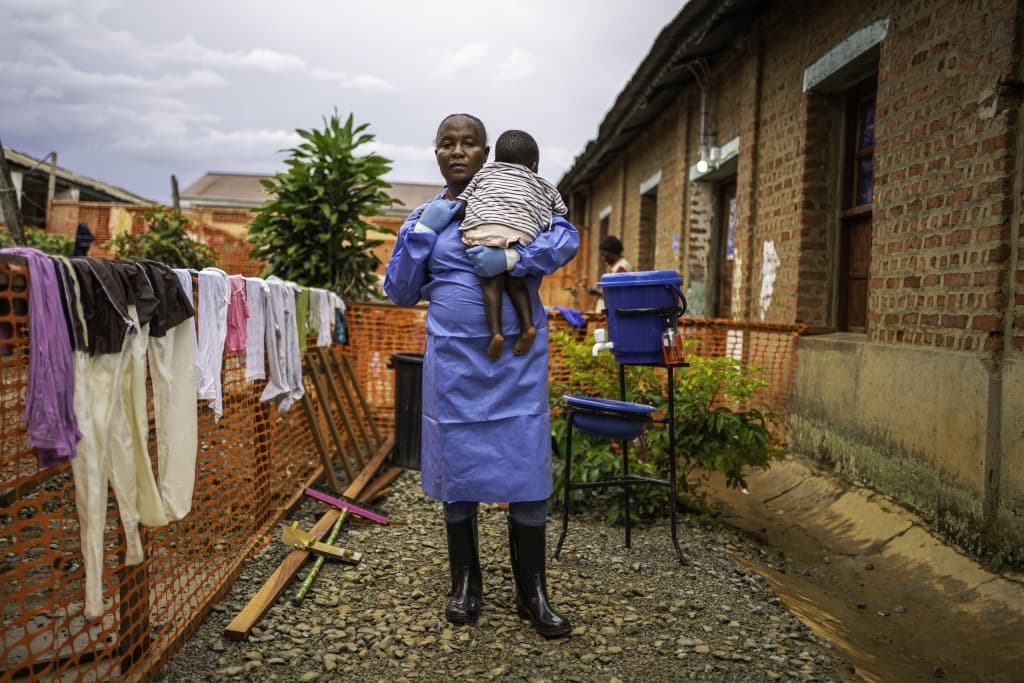
Five months into the Ebola epidemic in DR Congo, the deadliest in the country's history, 12 emergency nurseries have been opened for children who lost their parents. 8,200 new orphans have been registered; the disease has claimed 4,687 lives out of 9,704 infections.
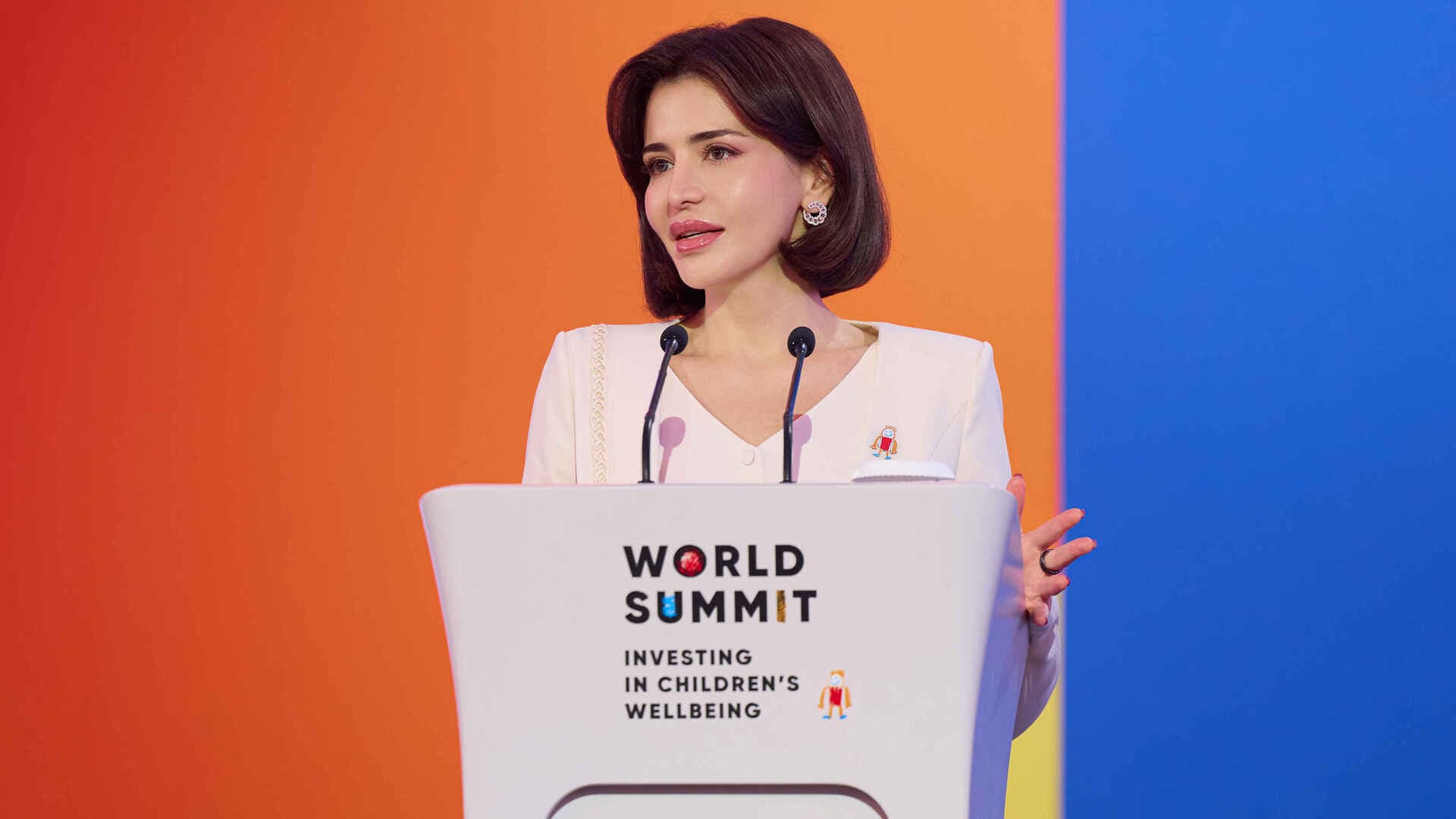
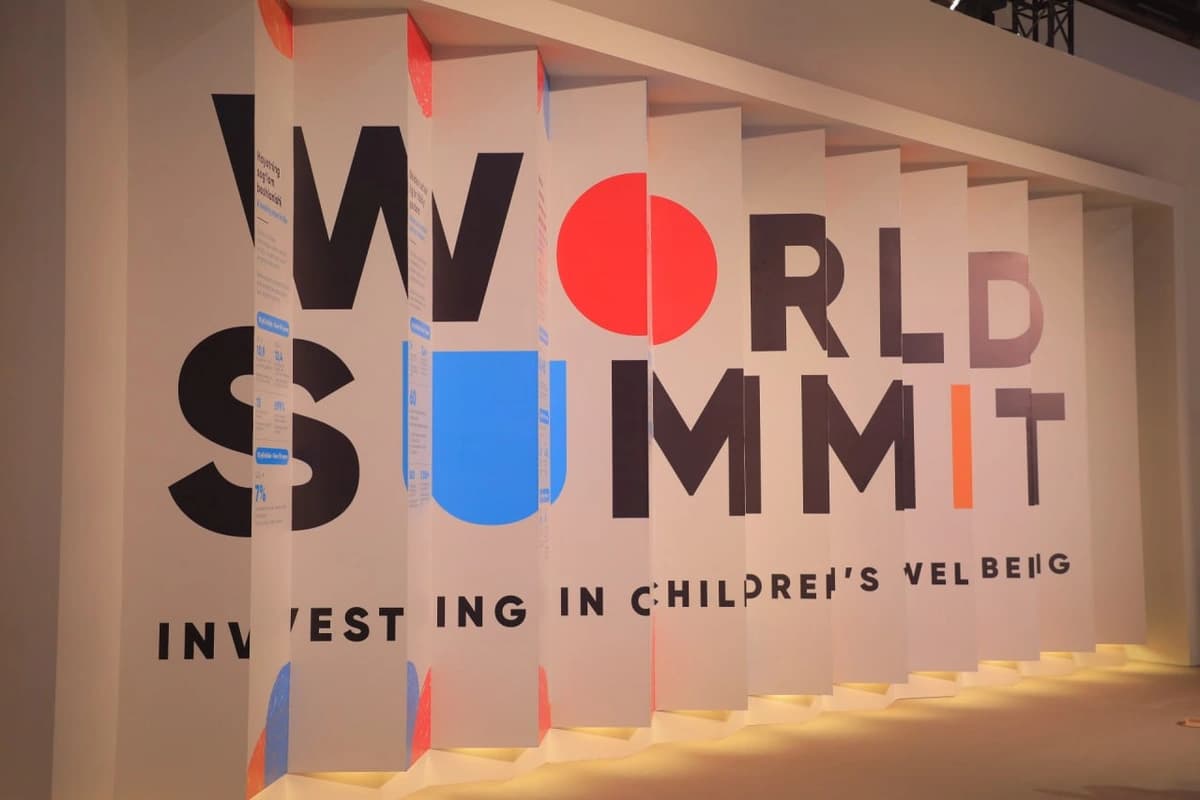
The two-day world summit 'Investing in Children's Well-Being' concluded in Samarkand. At the closing ceremony, Shahnoza Mirziyoyeva announced the adoption of the Samarkand Declaration, which includes eight commitments by states in the areas of social protection, healthcare, education and online safety. Participants emphasized the gap between promises and their implementation. The next venue is Manila, where the second Global Ministerial Conference will be held in November. The world summit 'Investing in Children's Wellbeing' concluded in Samarkand. At the closing ceremony, Shahnoza Mirziyoyeva announced the adoption of the Samarkand Declaration, which includes eight commitments by states in the areas of social protection, healthcare, education and online safety. Participants emphasized the gap between promises and their implementation. The next venue is Manila, where the second Global Ministerial Conference will be held in November.
On 21–22 October, Samarkand is hosting the World Summit 'Investments in Child Well-Being' and the II International Congress on Pediatric Oncology. Around 600 representatives from more than 100 countries are taking part. The organizer is Uzbekistan together with the UN, UNICEF, WHO and the World Bank. The adoption of the Samarkand Declaration is expected.
On October 21, the World Summit 'Investments in Children's Wellbeing' began in Samarkand, organized at Uzbekistan's initiative together with the UN, UNICEF, WHO and the World Bank. Discussions cover pediatric oncology, social protection, education and combating violence. The Samarkand Declaration is expected to be adopted as an outcome.
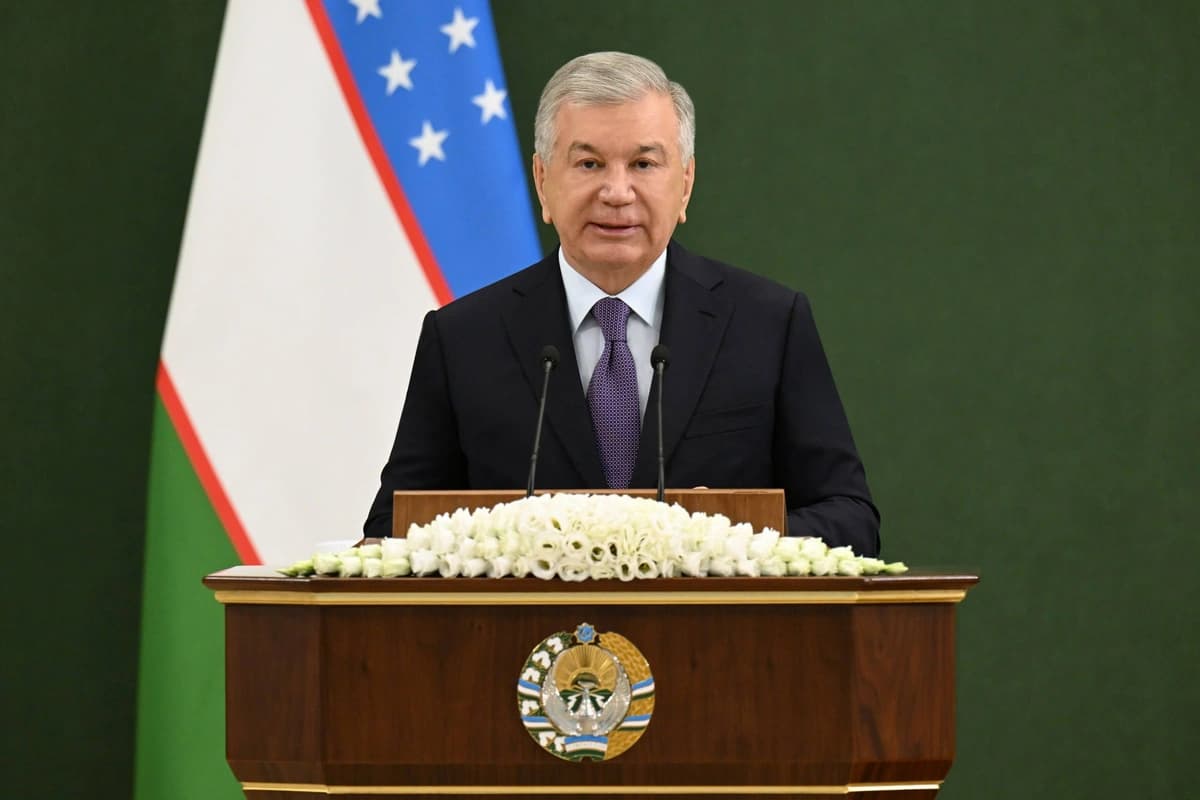
The President of Uzbekistan spoke at the opening of the 'Investments in Child Well-Being' summit in Samarkand, thanking the UN, UNICEF, the World Bank and WHO. He cited data on child poverty falling almost fourfold, preschool enrollment rising from 27.7% to 78%, and higher education access from 9% to 45%. Mirziyoyev proposed expanding international cooperation on pediatric oncology, ensuring a safe digital environment for children, and forming the Samarkand Platform for practical interaction.
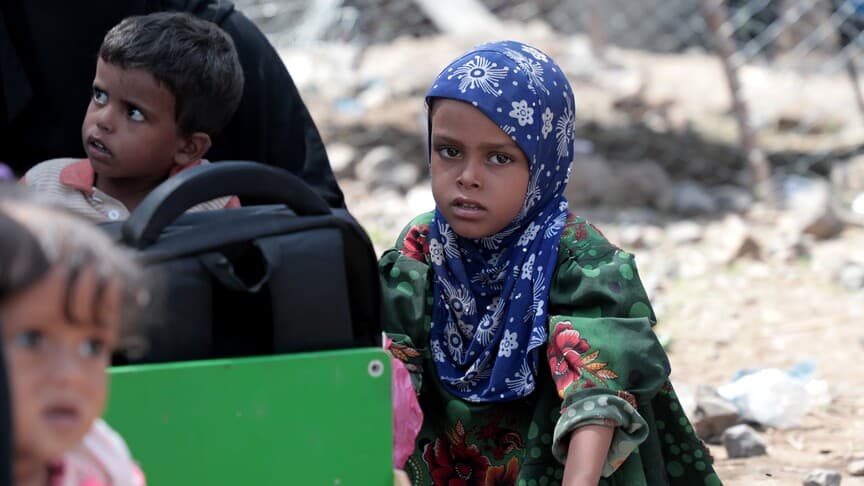
UN agencies warned that in Yemen's Taiz province, water systems serving about 3 million people, including at least 1.6 million children, are at risk due to fighting and fuel shortages. The cost of trucked water has tripled, 12 hospitals have roughly four days of fuel left, and the number of displaced people across the country has exceeded 250,000.
Acting Head of the UNICEF Office in Uzbekistan Geoffrey Ijumba welcomed the signing of a law aimed at improving the system of protecting children from all forms of violence. According to him, the changes expand state legal aid for affected children and strengthen accountability in educational institutions. The upcoming opening of the 'Najot' center based on the Barnahus model was also noted.
On the occasion of International Day of the Girl, UNICEF reported that in Afghanistan 28.7% of women aged 20–24 were married before age 18, and in some regions up to 50%. The organization links early marriages to the ban on girls' education after 6th grade and calls on the Taliban authorities to open schools.