The key facts
- On 21–22 October, Samarkand is hosting the World Summit on Child Well-Being and the II International Congress on Pediatric Oncology
- Participation of around 600 representatives from more than 100 countries
- The adoption of the Samarkand Declaration on investments in child well-being is expected as an outcome
Summit in Samarkand
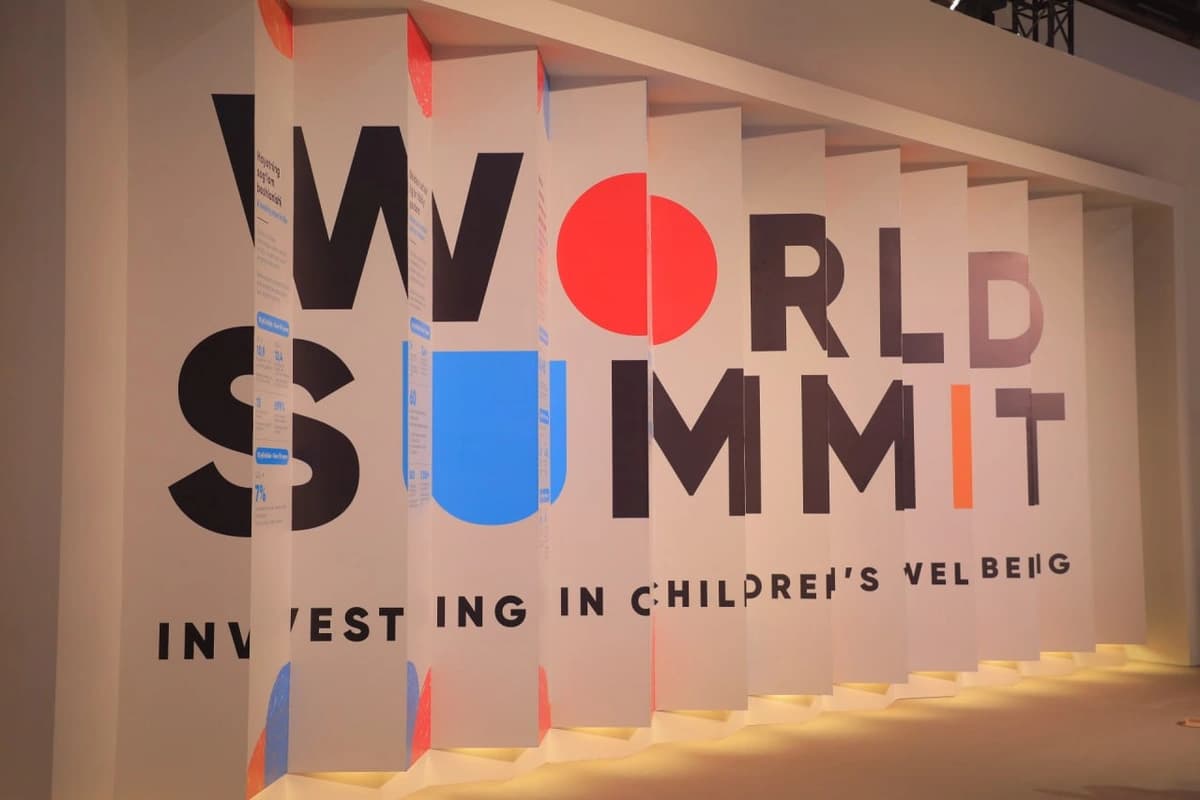
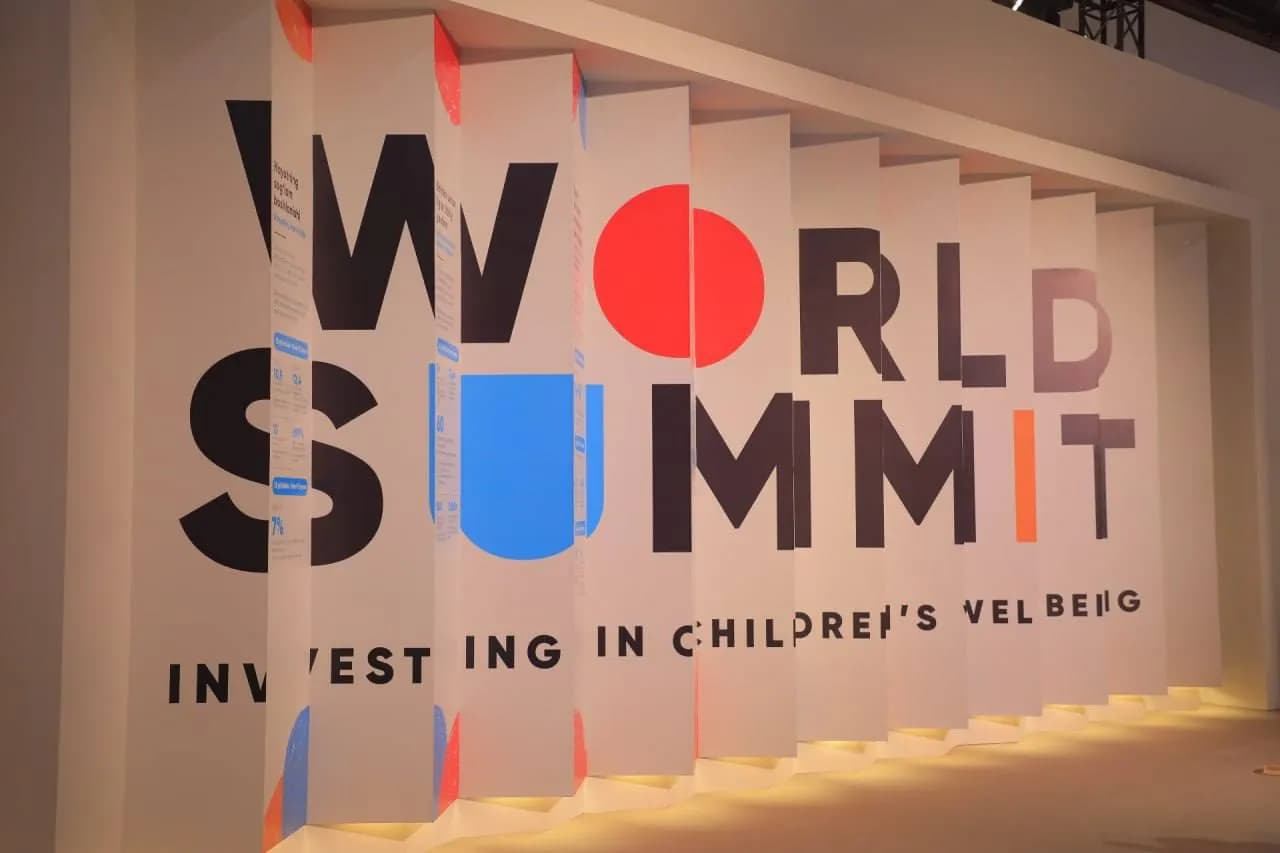
On 21–22 October, Samarkand is hosting the World Summit 'Investments in Child Well-Being: Towards Sustainable and Equitable Development for Future Generations', as well as the II International Congress on Pediatric Oncology. The events are attended by around 600 representatives of states and governments, heads of international organizations and experts from more than 100 countries.
Organizers and Theme
The summit is organized at the initiative of Uzbekistan jointly with the Special Representative of the UN Secretary-General on Violence against Children, UNICEF, WHO and the World Bank. The main theme of the discussions is turning investments in child well-being into real opportunities: quality education, medical care, protection from violence and equal opportunities for development.
Practical Program
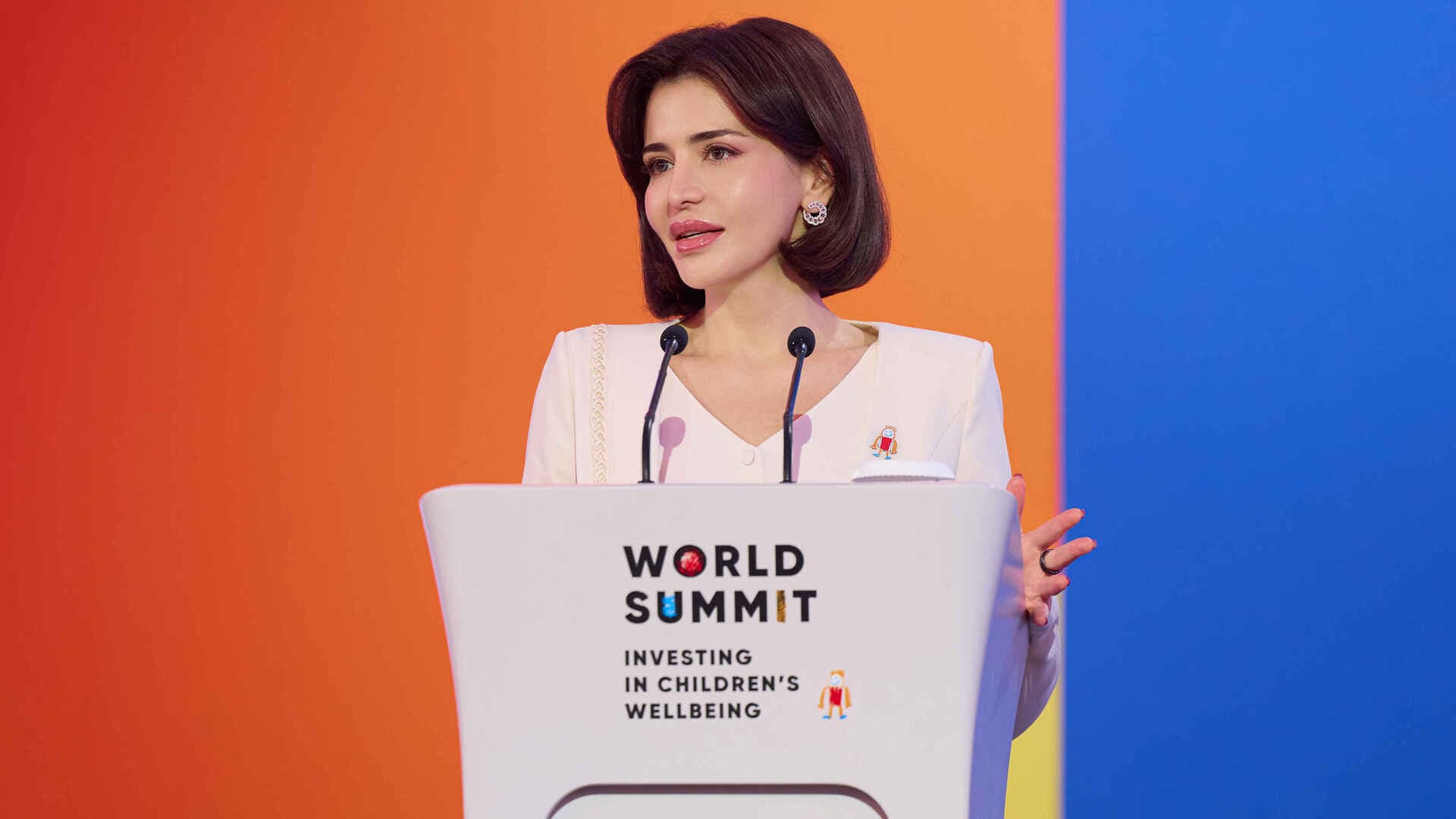
At the summit, cooperation agreements are being signed, and international approaches and practices are being discussed. Foreign delegations are being shown social facilities, inclusive centers and pilot projects of the National Agency for Social Protection in the regions of Uzbekistan. 'Investing resources, attention and technology in the younger generation is the best investment a country can make,' emphasized the agency's First Deputy Director Shahnoza Mirziyoyeva.
Exhibition and Outcomes
As part of the summit, an exhibition dedicated to Uzbekistan's reforms in the fields of child health care, education and social protection has been organized. The exhibition 'The World Through a Child's Eyes' demonstrates the results of state policy through the everyday lives of children, their needs and opportunities. As an outcome of the summit, the adoption of the Samarkand Declaration on investments in child well-being is expected.