The key facts
- The Samarkand Declaration was adopted: 412 million children live in extreme poverty, and closer coordination of services is needed.
- UNICEF: two thirds of the tracked child-related SDG indicators are behind schedule on the way to 2030.
- WHO: every year cancer develops in approximately 400,000 children; survival is over 80% in wealthy countries versus less than 30% in many low- and middle-income countries; the target is at least 60% by 2030.
Samarkand summit adopts declaration on support for children
The global summit in Uzbekistan concluded with the adoption of the Samarkand Declaration, which calls for greater investment in healthcare, education and child protection, as well as closer coordination of services that often operate in isolation. According to figures presented at the forum, 412 million children live in extreme poverty. Representatives of more than 100 countries took part in the two-day meeting. The Declaration calls for strengthening social protection systems, nationally determined targets and regular reporting on the quality and effectiveness of services for children. According to UNICEF, two thirds of the child-related UN Sustainable Development Goal indicators tracked by the organization are behind schedule, raising concerns about achieving the 2030 goals.
Access to services is not enough
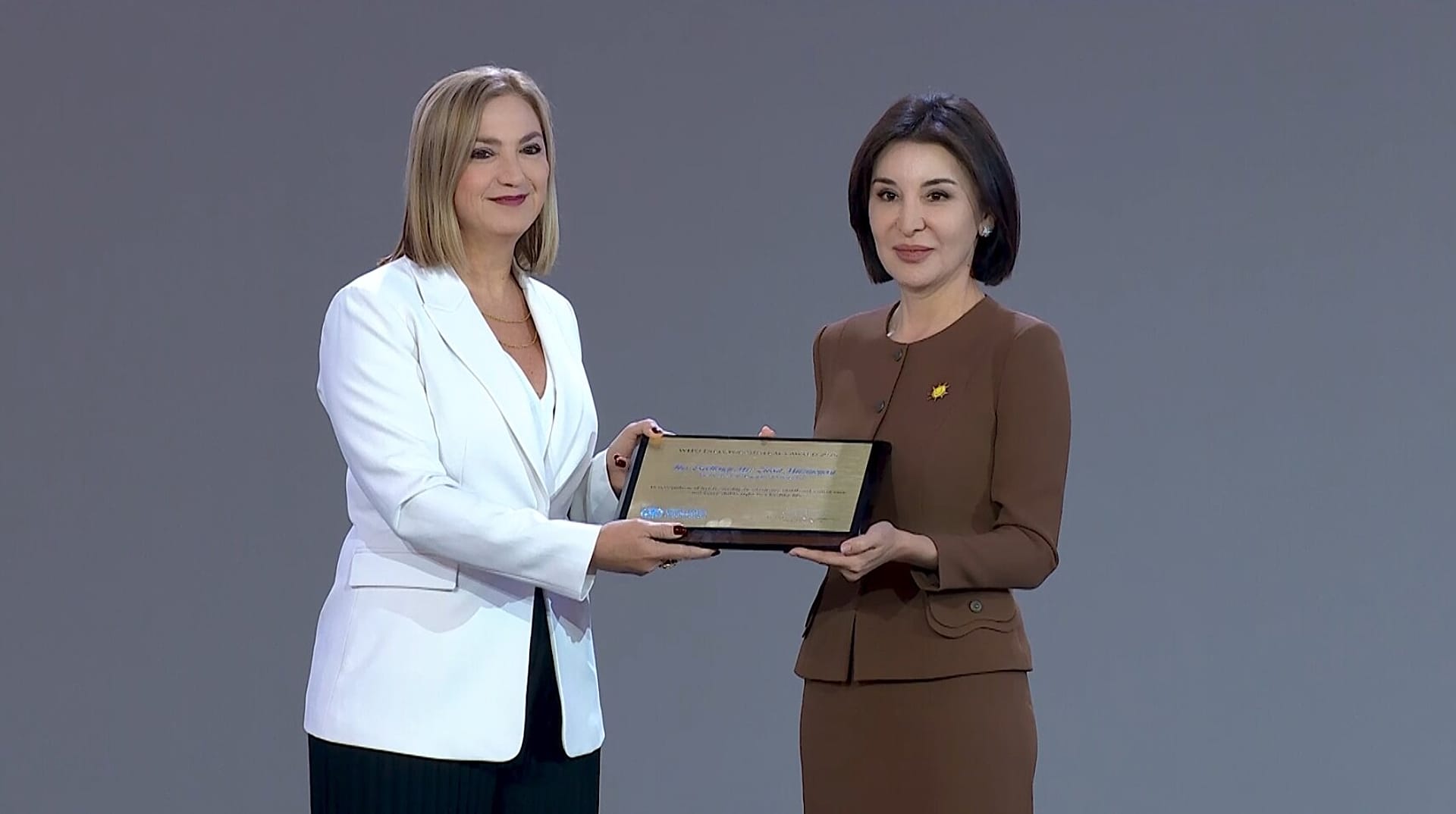
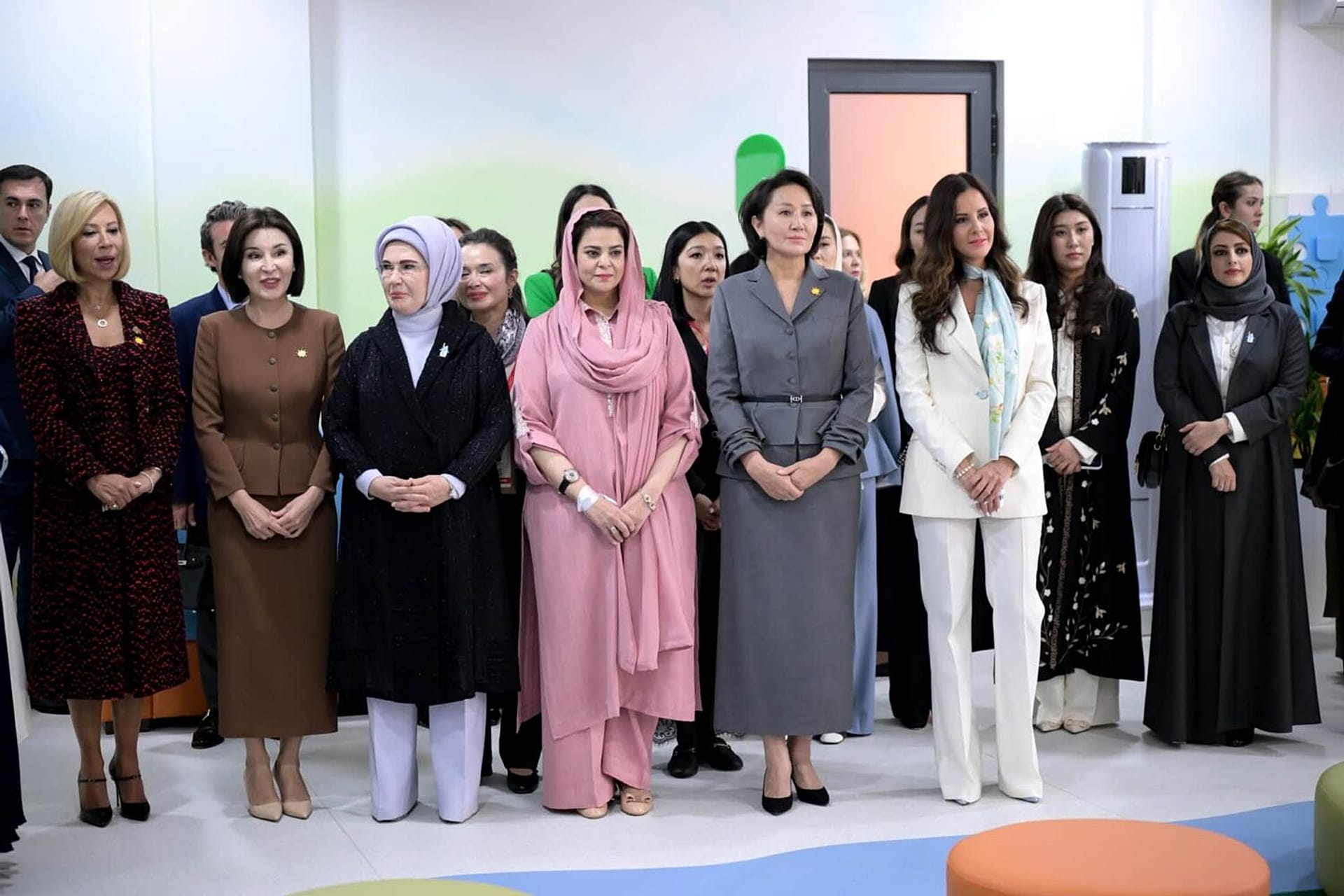
Summit participants noted that providing access to basic services does not guarantee that children will receive the help they need. UNICEF Regional Director Edouard Beigbeder, in a comment to Euronews, called for investing not by sector but in a complementary way, and also investing in social workers and medical professionals, not only in infrastructure. First Lady of Uzbekistan Ziroat Mirziyoyeva, who received the WHO Director-General's award for 2026 for her contribution to the fight against childhood cancer, called for integrating medical, social and psychological support so that parents do not have to turn to different institutions. First Lady of Turkey Emine Erdogan questioned whether traditional indicators reflect children's real experience: attending school does not always mean quality education, the absence of hunger does not mean adequate nutrition, and the absence of violence does not mean love and respect. Rebecca Smith, head of child protection at Save the Children International, noted that children face violence at home, in conflict zones and increasingly online, and stressed the importance of being able to seek help without stigmatization.
Uzbekistan's experience and the Imkon center
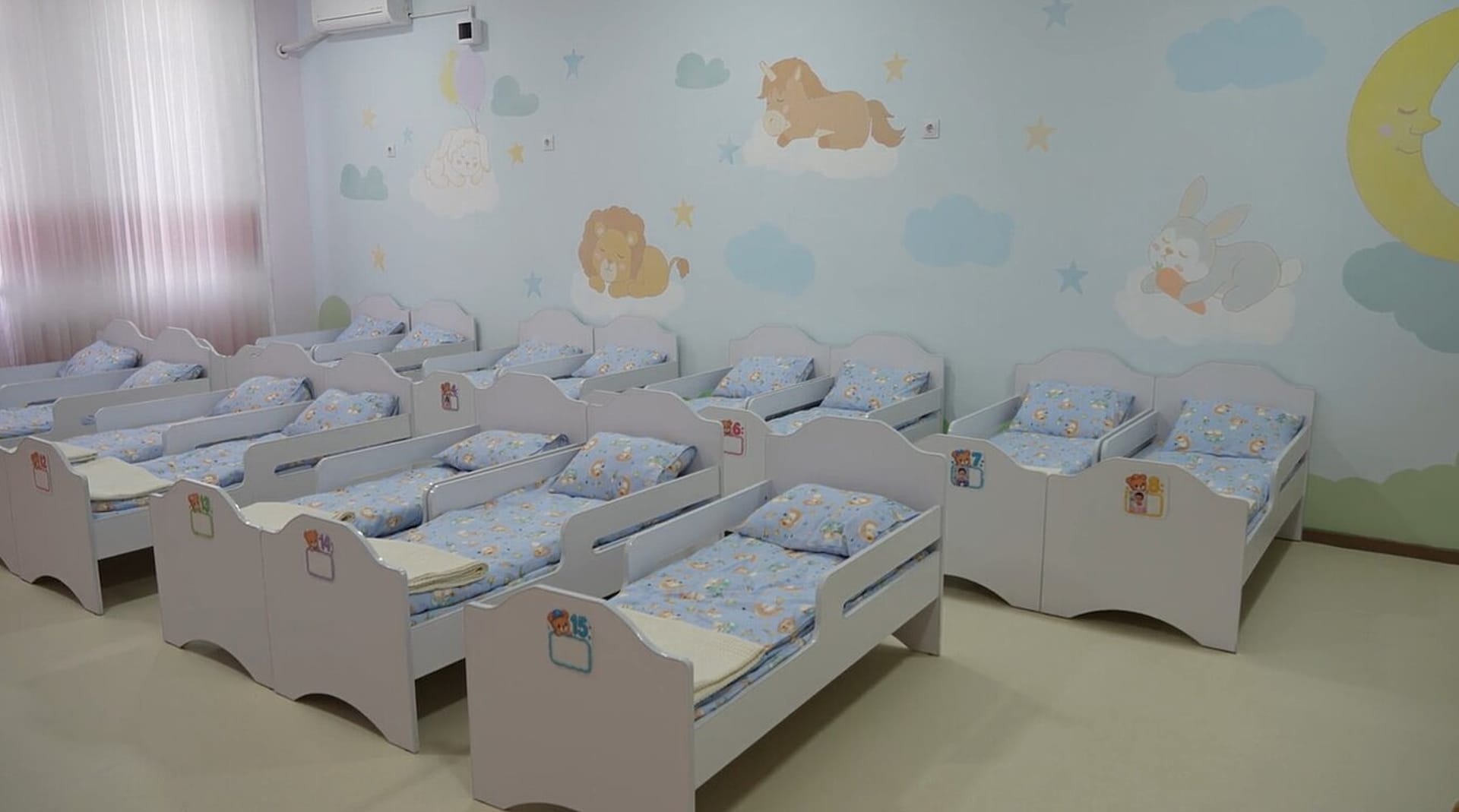
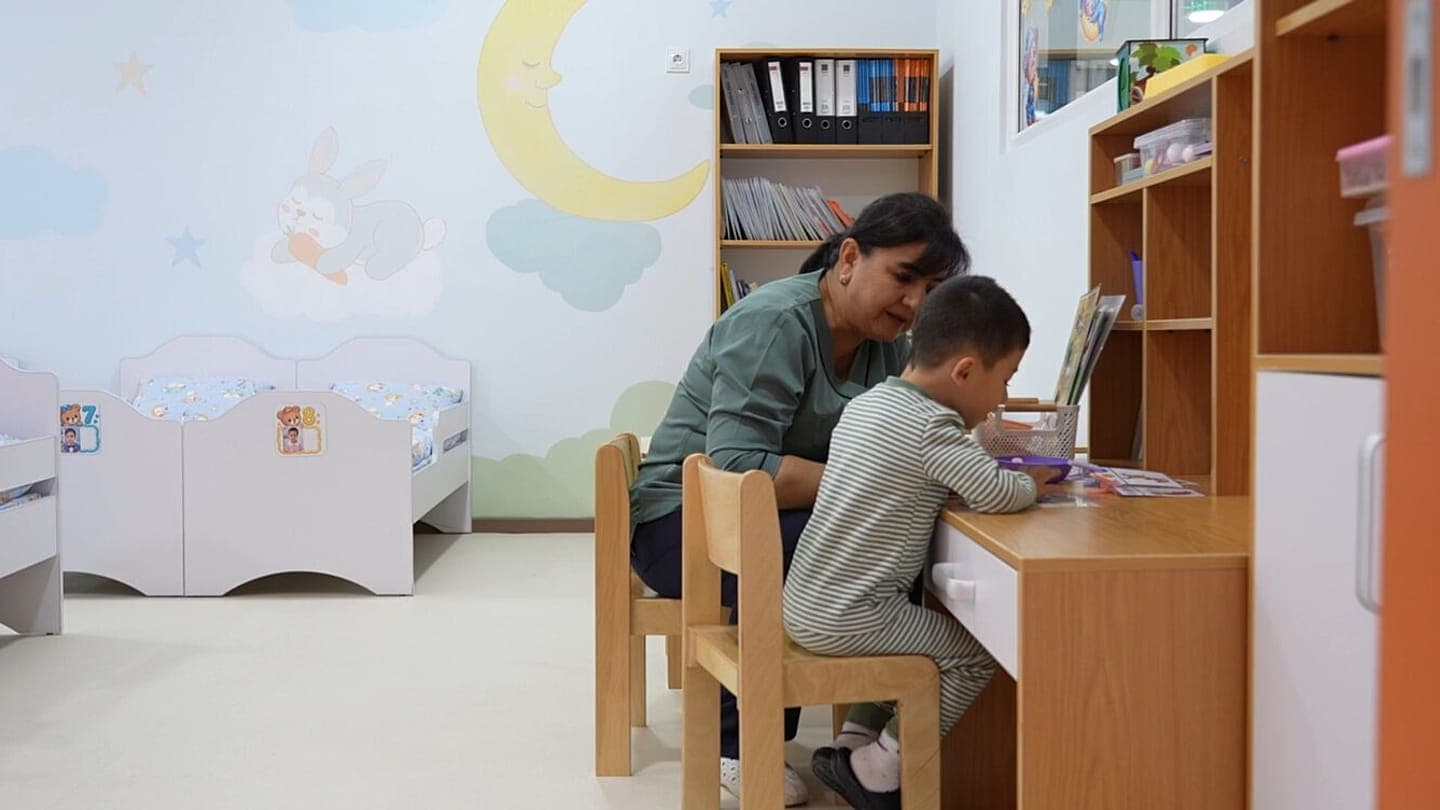
Uzbekistan presented its approach to service integration at the summit. President Shavkat Mirziyoyev stated that children's well-being should be measured by the quality of their lives today, not by their future economic contribution. According to the figures he cited, preschool education coverage rose from 27.7% to 78%, and the number of inclusive schools increased fivefold over two years. First Lady of Lebanon Nehmat Aoun, who attended the events, told Euronews that countries should learn from each other's experience. Guests also attended the opening of the Imkon rehabilitation center in Samarkand, which combines preschool education with medical, psychological and pedagogical support for children with disabilities: the center is designed for 150 children and can provide outpatient rehabilitation for up to 100 children aged three to 18 per month.
Childhood cancer as a reflection of global inequality
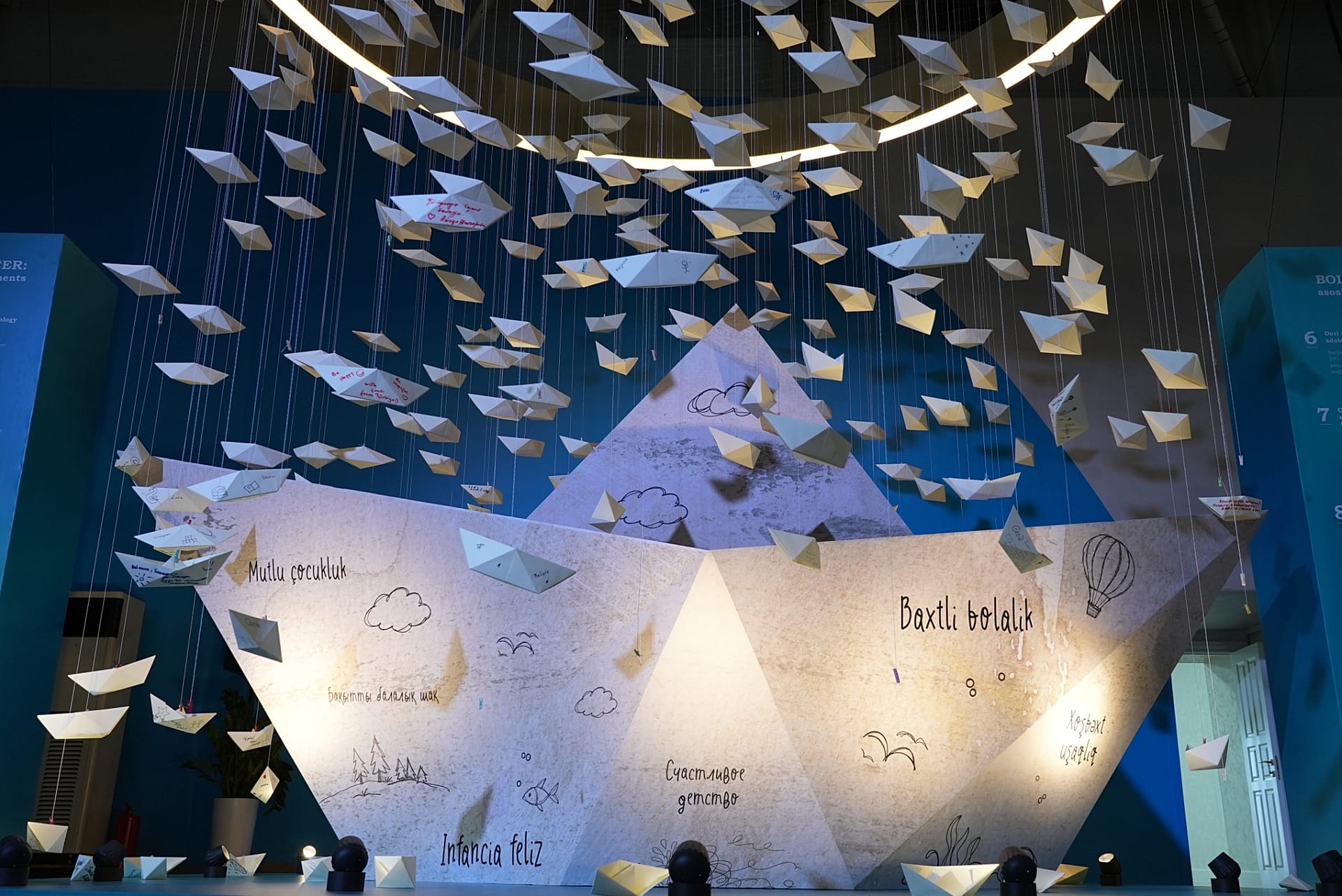
A parallel international congress in Samarkand discussed inequality in early diagnosis, specialized treatment and access to life-saving medicines. According to WHO data, cancer develops in approximately 400,000 children and adolescents every year; in high-income countries more than 80% are cured, whereas in many low- and middle-income countries it is less than 30%. Carlos Rodriguez-Galindo, Executive Vice President of St. Jude Children's Research Hospital, called delayed or missed diagnosis one of the main obstacles and said the only way forward is a comprehensive package of measures: early diagnosis, specialized care, reliable access to medicines and ongoing support for families. WHO has set a goal of achieving survival of at least 60% for children with cancer by 2030. The congress announced the creation of a Global Network to Support Children with Severe and Life-Threatening Diseases, uniting first ladies and spouses of heads of state; the First Lady of Uzbekistan will lead it for two years, and she also proposed an international mechanism to improve children's access to essential medicines. The exhibition 'The World Through a Child's Eyes' presented initiatives linking healthcare, education, social protection and family support.