The key facts
- UNICEF highlights the important role of the Termez logistics hub in the continuous delivery of aid to Afghanistan
- According to a forecast by UNICEF and Action Against Hunger, in 2027 more than 4 million children may need treatment for acute malnutrition — the highest figure in five years
- The number of provinces with critical levels of malnutrition may rise from 7 in 2025 to 14 in 2027
The Termez hub ensures the delivery of aid
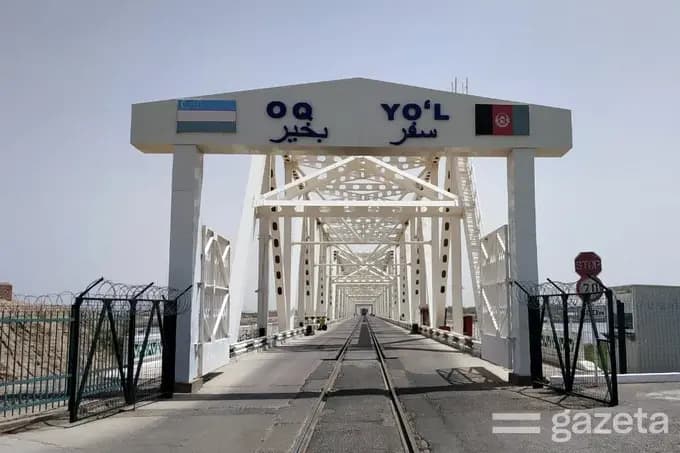
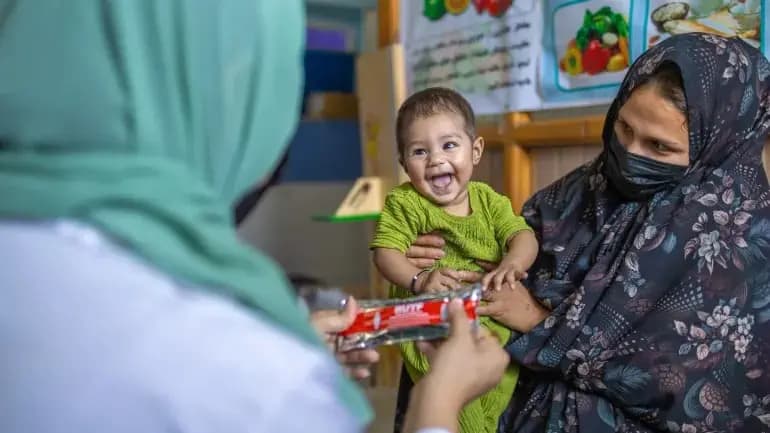
The United Nations Children's Fund (UNICEF) reported that through the logistics hub in Termez food products and essential medicines are being delivered to Afghanistan for children and families. The organization emphasized that the hub plays an important role in the uninterrupted supply of therapeutic nutrition and medicines, and that timely delivery of cargo is crucial, since millions of Afghan children are at risk of malnutrition. This was reported by the outlet Daryo.uz, citing UNICEF.
How the hub is organized
The regional humanitarian logistics hub in Termez was established in October 2021 by the Office of the United Nations High Commissioner for Refugees with the support of the government of Uzbekistan. It is located about two kilometers from the Afghan border, which allows cargo to be delivered into the country quickly. Its infrastructure is used by UN system organizations, including UNICEF and the World Food Programme.
Forecast of worsening malnutrition
At the same time, UNICEF and the organization Action Against Hunger presented a report on October 15 with a warning: in 2027, more than 4 million children in Afghanistan may need treatment for acute malnutrition — the highest figure in the past five years. According to the forecast, about 1.09 million children will suffer from severe malnutrition, which is 16% more than in 2026, while almost another 3 million will suffer from moderate malnutrition, and malnutrition may affect nearly 1.3 million pregnant and breastfeeding women. The number of provinces with critical levels of malnutrition, according to IPC analysis, may grow from seven in 2025 to ten in 2026 and 14 in 2027 — more than a third of the country.
Causes of the crisis and a call for funding
Among the cited causes are a lack of adequate nutrition and safe drinking water (only one in three children aged 6 to 24 months receives the necessary combination of nutritious foods, and almost half of households have difficulty accessing safe water), outbreaks of preventable diseases, including acute watery diarrhea and measles, as well as disruptions in cross-border supplies that delay the delivery of therapeutic foods. “We know which measures work, and we know that timely action saves lives. Sustainable and predictable funding is needed now,” said the UNICEF representative in Afghanistan Tajudeen Oyewale. The director of Action Against Hunger in Afghanistan Coby Rietveld noted, after a visit to Helmand, the serious strain on nutrition services. The organizations called for stable funding of services in the areas of food, nutrition, healthcare, water supply and sanitation.
Significance for Uzbekistan
For Uzbekistan, this event is significant because the Termez hub, established with the support of the country's government, has been recognized by UNICEF as a key link in aid delivery — that is, the country is directly involved in mitigating the humanitarian crisis at its border. The projected increase in the number of provinces with critical malnutrition from 10 in 2026 to 14 in 2027 means that, logically based on the data presented, the load on the hub and the volumes of transport across the border will grow. In practical terms, this concerns residents of the southern regions of Uzbekistan, through whose infrastructure the cargo passes, as well as the sustainability of cross-border supplies, disruptions in which, according to the organizations' assessment, directly delay children's treatment.