The key facts
- The summit brought together representatives of more than 100 countries; over two days the Samarkand Declaration is expected to be adopted — the basis for a national strategy to support family and children.
- UNICEF tracks 48 child-related SDG indicators through 2030, two-thirds of which are behind schedule.
- Uzbekistan presented data on its social reform: child poverty fell from 21.5% to 5.4%, preschool enrollment rose from 27.7% to 78%, and the last large orphanage was closed.
The Samarkand Summit and the Samarkand Declaration
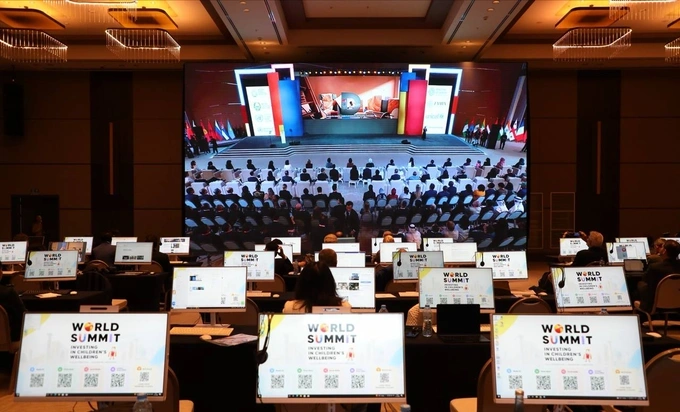
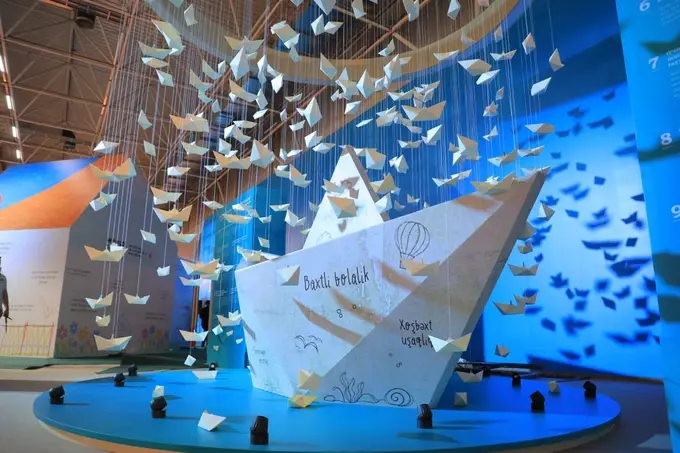
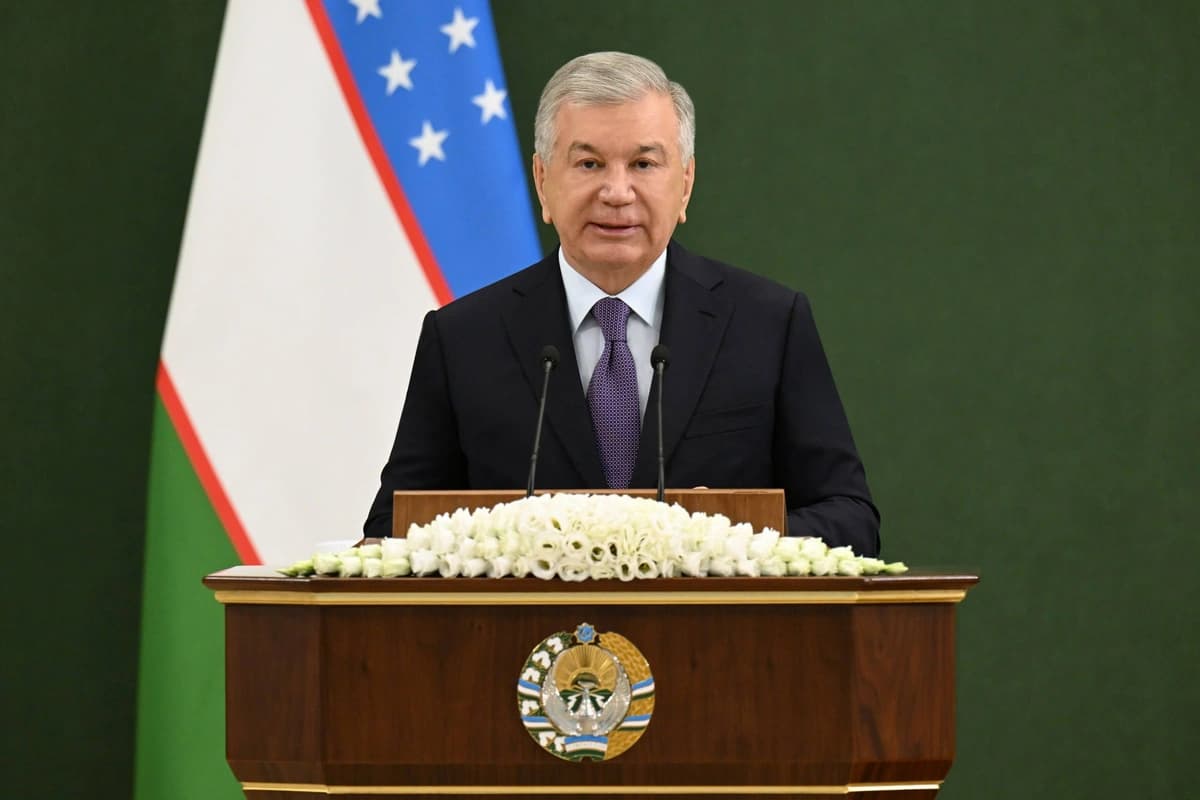
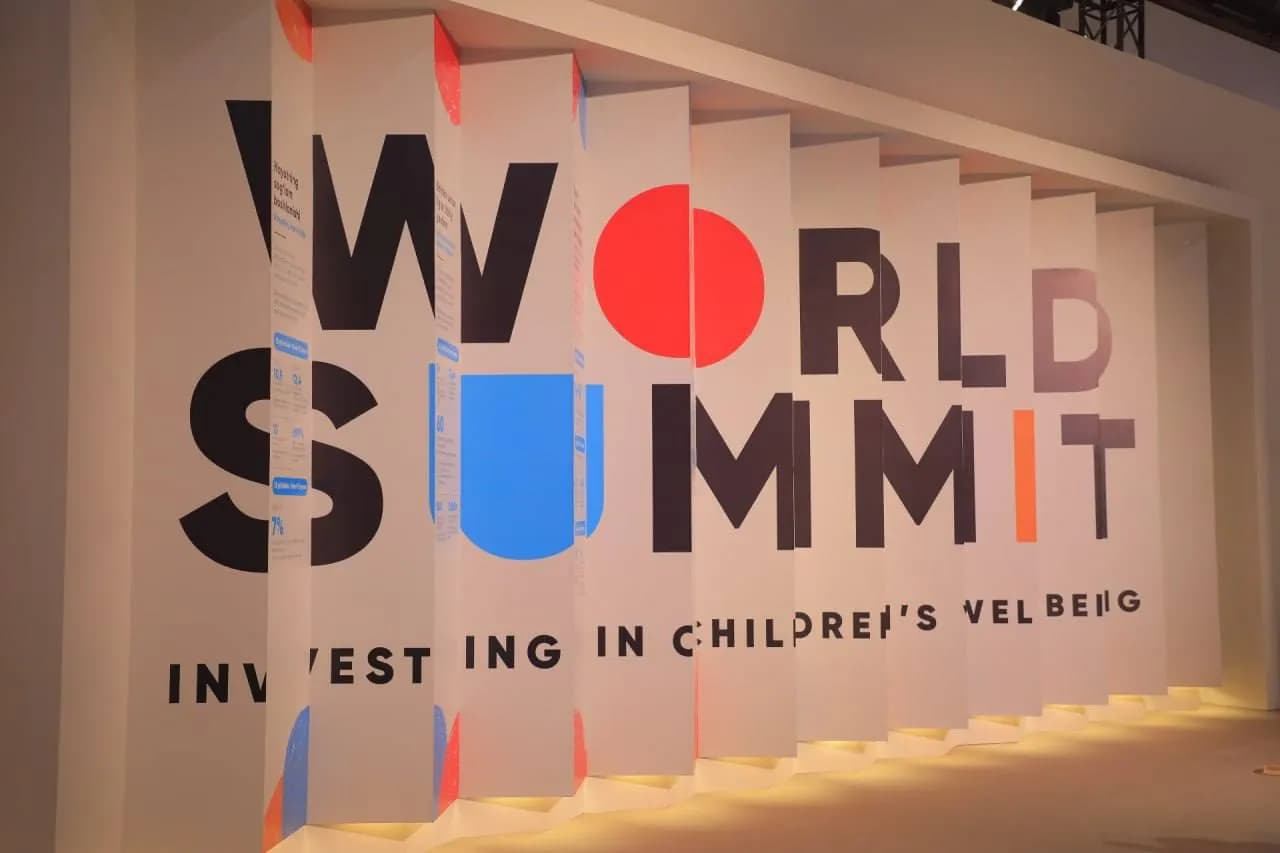
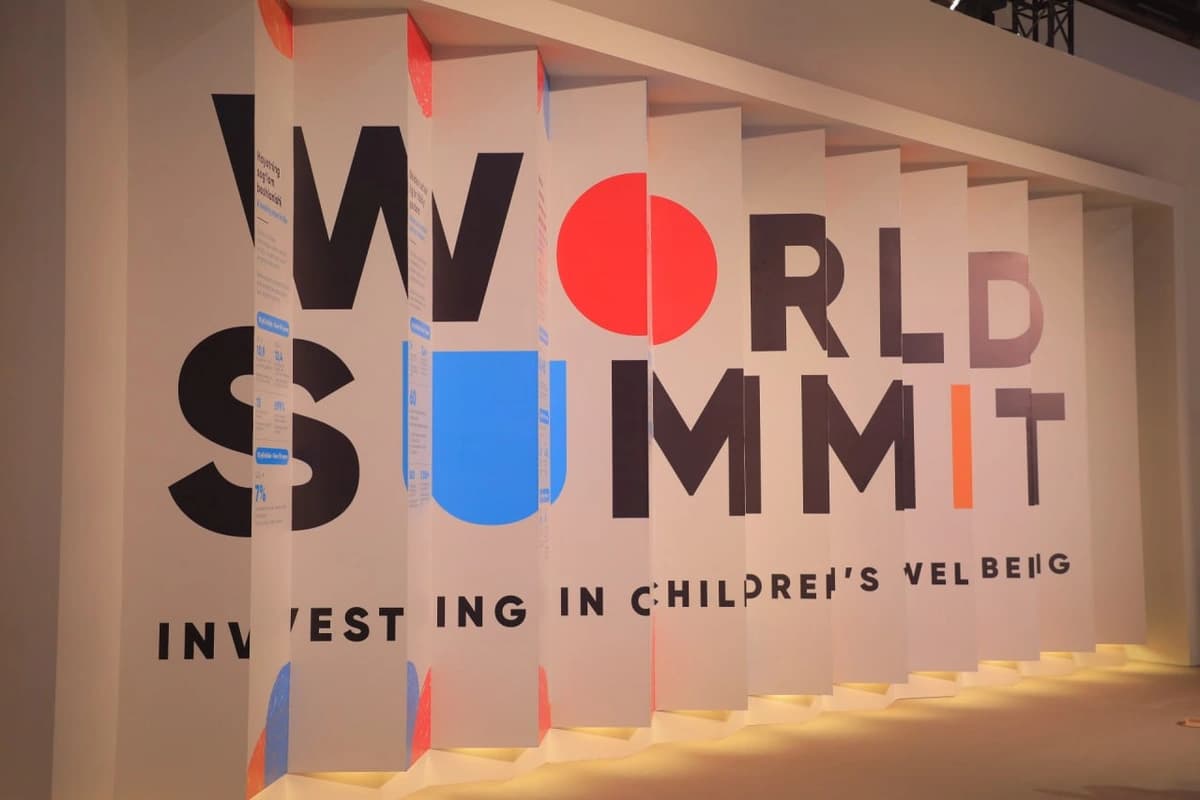
The World Summit 'Investments in Children's Wellbeing' opened on October 21 in Samarkand, bringing together representatives of more than 100 countries. It was organized by Uzbekistan together with the UN Secretary-General's Special Representative on Violence against Children, UNICEF, WHO and the World Bank. Over the two days, the Samarkand Declaration is expected to be adopted, which should serve as a guide for the National Strategy for Supporting Family and Children being developed, according to an address by President Shavkat Mirziyoyev, read out by press secretary Sherzod Asadov. The president proposed five areas for discussion: investment from early childhood, including early detection and treatment of childhood cancer; narrowing the gap in preschool and school education; a safe environment, including online; expanding and targeting social protection; and children's participation and consideration of their views in decision-making. He also proposed creating a platform for cooperation among all stakeholders.
Data on social support in Uzbekistan
The session presented data on the development of the social support system: 5,600 assistants work in schools helping children with disabilities; inclusion centers have conducted more than half a million therapeutic and developmental sessions over 2.5 years; the round-the-clock children's helpline receives more than 7,500 calls a month; 277 children in difficult situations received shelter and specialist support. Over two years, the number of foster families doubled, and the number of children in them grew from 1,400 to 11.8 thousand. The number of types of social services increased from 26 to 140, child poverty fell from 21.5% to 5.4%, and preschool enrollment rose from 27.7% to 78%. The country operates 208 'Inson' social service centers, and about 9,000 social workers assess families' needs and draw up individual support plans.
UN calls: financing and SDG lag
President of the 81st session of the UN General Assembly Philémon Yang — Khalilur Rahman highlighted four priorities: putting children above procedures, building systems around the child, reaching the most left-behind, and backing promises with financing. According to him, UNICEF tracks 48 child-related Sustainable Development Goal indicators through 2030, and two-thirds of them are behind schedule, even though four years remain until the deadline. Every year, cancer is diagnosed in approximately 400,000 children and adolescents: in high-income countries more than 80% of patients are cured, while in many low- and middle-income countries less than 30%. Rahman called for striving toward the WHO goal of at least 60% survival worldwide by 2030. 'One declaration does not vaccinate a child. One promise does not pay a teacher's salary. Applause cannot buy the necessary medicines. Political commitment becomes credible when it goes through the budget process,' he noted. The address of UN Secretary-General António Guterres was read out by UN Resident Coordinator in Uzbekistan Sabine Machl: he called the discussion of childhood cancer an example of unacceptable inequality and noted that developing countries are 'drowning in debt' and SDG progress is insufficient. UN Deputy Secretary-General Amina Mohammed called for making children's wellbeing a priority of national budgets, advancing the 'SDG stimulus,' and listening to children themselves.
The First Lady on childhood cancer and the 'Mehrli maktab' system
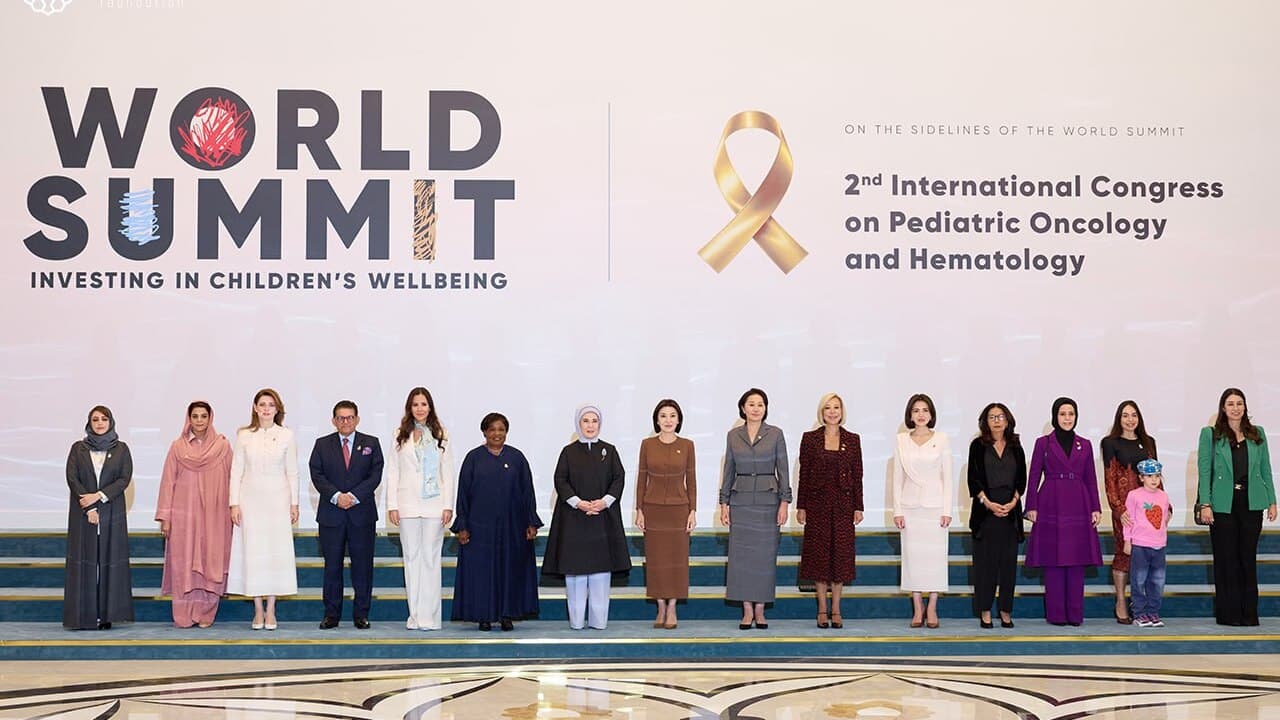
First Lady of Uzbekistan Ziroat Mirziyoyeva recalled that the first congress on pediatric oncology was held two years ago in Tashkent under the motto 'From Facts to Action,' and that the second international congress within the summit is a continuation of the high-level event held last year at the UN General Assembly session, organized with WHO and St. Jude Children's Research Hospital. She cited global data: more than 400 million children live in extreme poverty, nearly 1 billion live in countries at greatest risk from climate change; in developed countries more than 80% of children with cancer recover and 96% of them have access to medicines, while in other countries fewer than 30% recover and only 29% of sick children are provided with the necessary drugs. Mirziyoyeva proposed four steps: innovative solutions for early diagnosis with delivery to the primary care level in remote areas; narrowing the gap in access to medicines and treatments; strengthening psychological support for parents; and turning the registry of sick children into a basis for training personnel, treatment and research. According to her, the time from suspicion of illness to the start of treatment in the country has been reduced from 130–160 to 10–18 days, and the availability of medicines rose from 33% to 88%; the 'Mehrli maktab' system has been created with hospital schools, where children study and receive psychological support during treatment.
Protecting children from violence and Uzbekistan's reforms
UN Special Representative on Violence against Children Najat Maalla M'jid said that nearly 1 billion children live in multidimensional poverty, and three out of four children worldwide are not covered by any social protection. Violence against children, she said, is growing everywhere, including within circles of trust. She noted that in some countries the economic losses from violence against children can be up to six times the health budget or reach 11% of national GDP. First Deputy Director of the National Agency for Social Protection Shahnoza Mirziyoyeva said that last year Uzbekistan joined the Bogotá Call to Action and became the first in Central Asia to join the Pathfinding initiative. The region's first 'Barnahus' center has been launched in the country, where children who have survived sexual violence receive medical, psychological and legal assistance in one protected place. Liability has been introduced for the first time for child neglect, online grooming, cyberbullying and stalking; sexual crimes against minors are punishable by up to life imprisonment. According to her, the last large orphanage in the country was closed this year, and the state supports care leavers up to age 23 — with housing, university scholarships and a support program. Institutions for children with behavioral difficulties, which, in her words, 'resembled prisons more than anything,' have been reoriented toward rehabilitation, education and prevention.