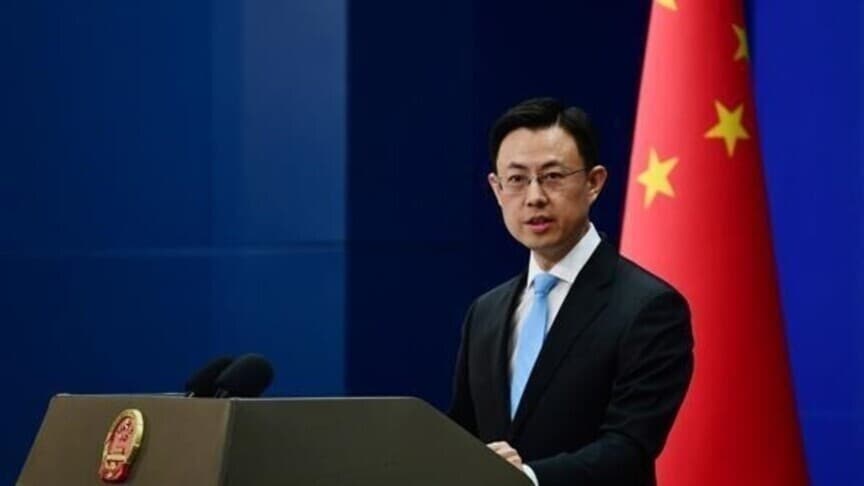
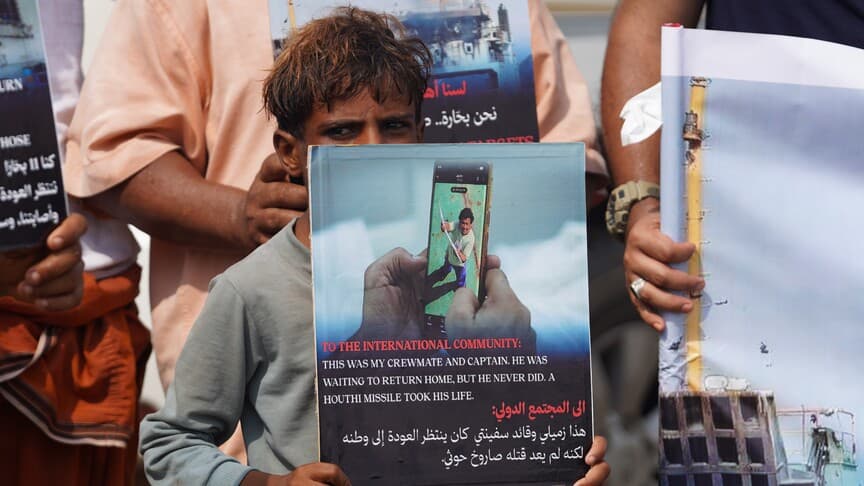
China's Foreign Ministry called on the parties to resolve disputes through dialogue after Yemen's Houthis claimed attacks with ballistic missiles and drones on targets in Saudi Arabia, including Abha airport and the Ministry of Defense.
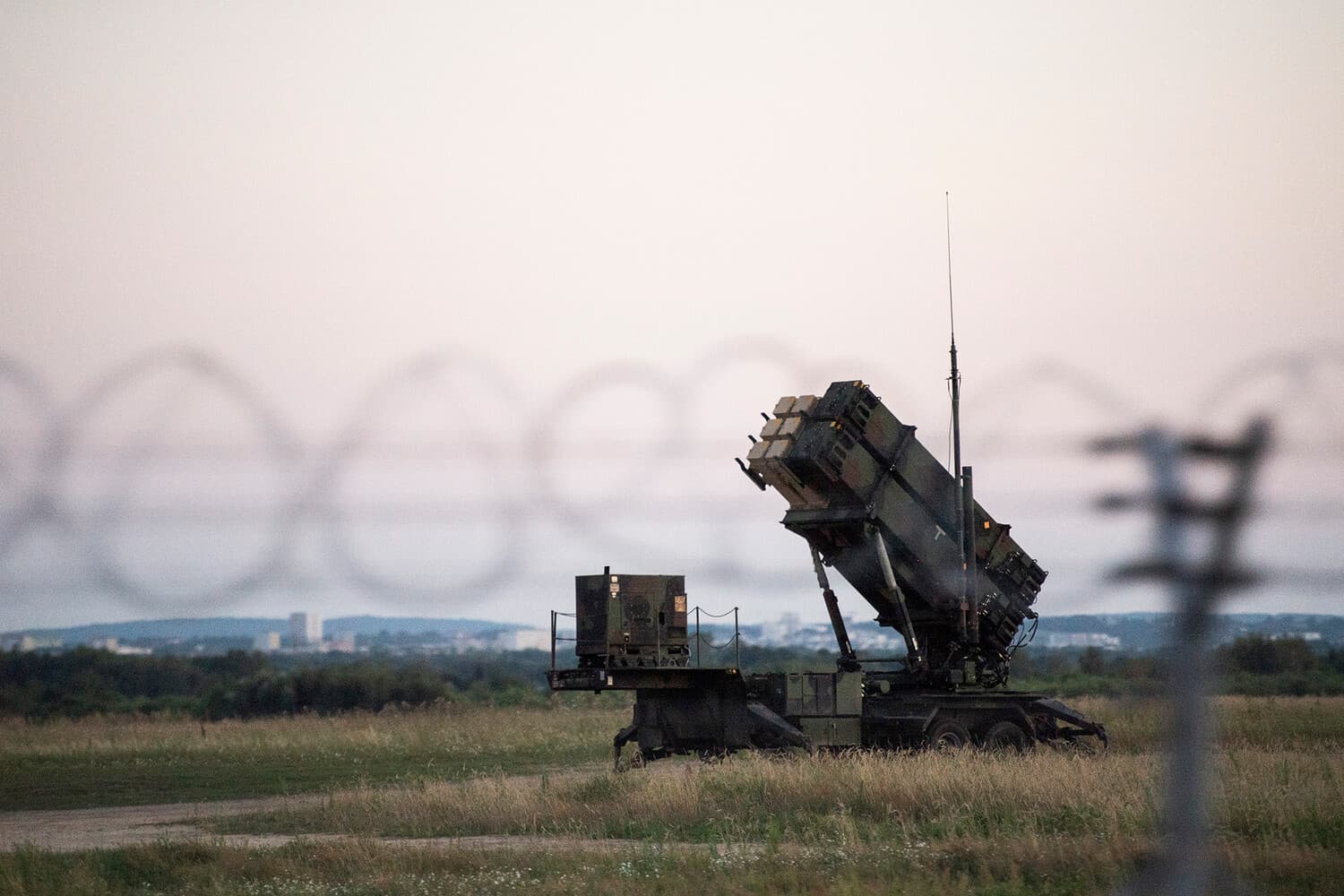
Citing sources, The Wall Street Journal reports that the US is sending an additional Patriot air defense system to Israel from Texas, and in November an additional carrier strike group is expected to arrive in the Middle East. The steps are being taken in case hostilities against Iran resume. CNN previously reported an urgent evacuation of diplomats from the region.
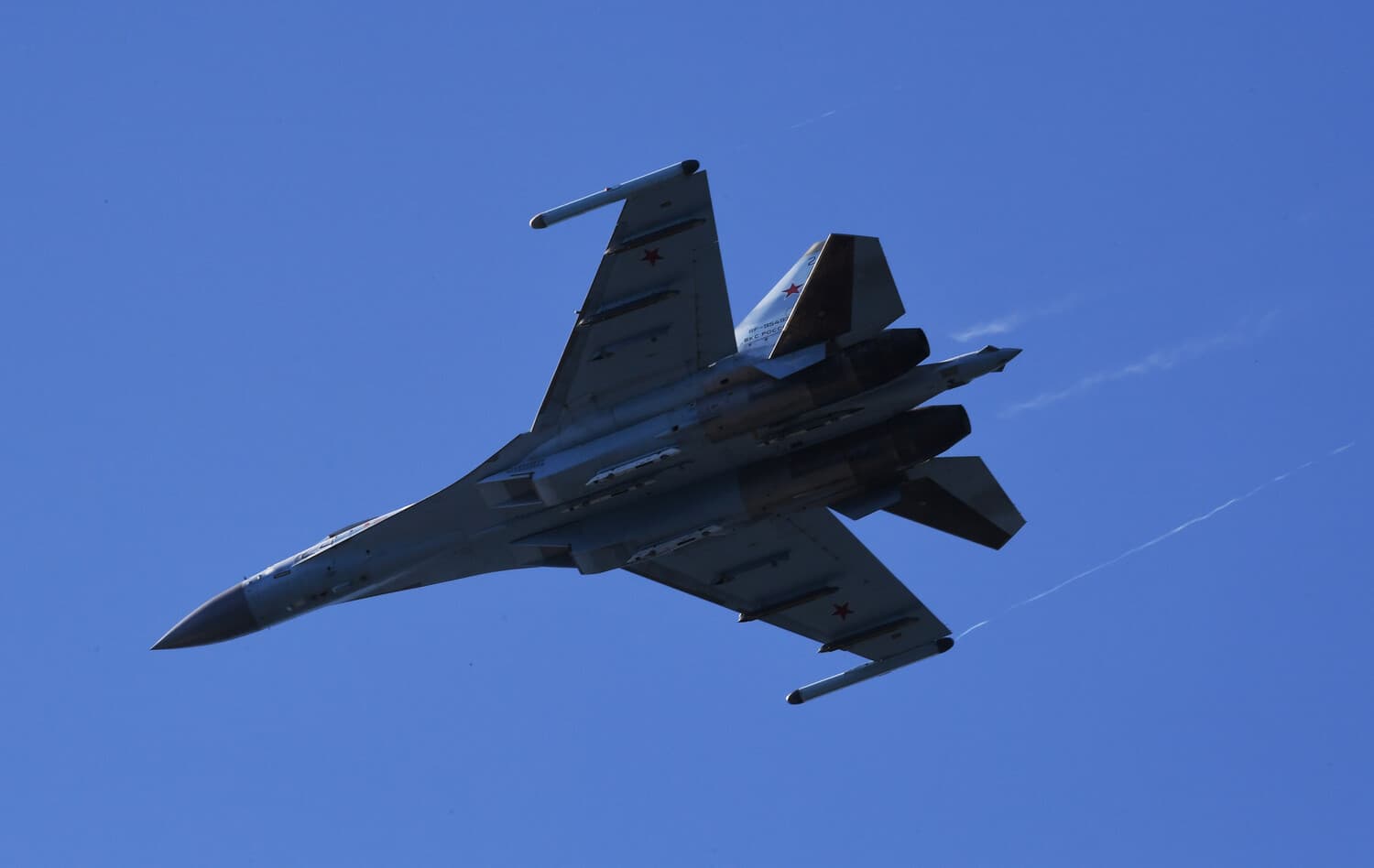
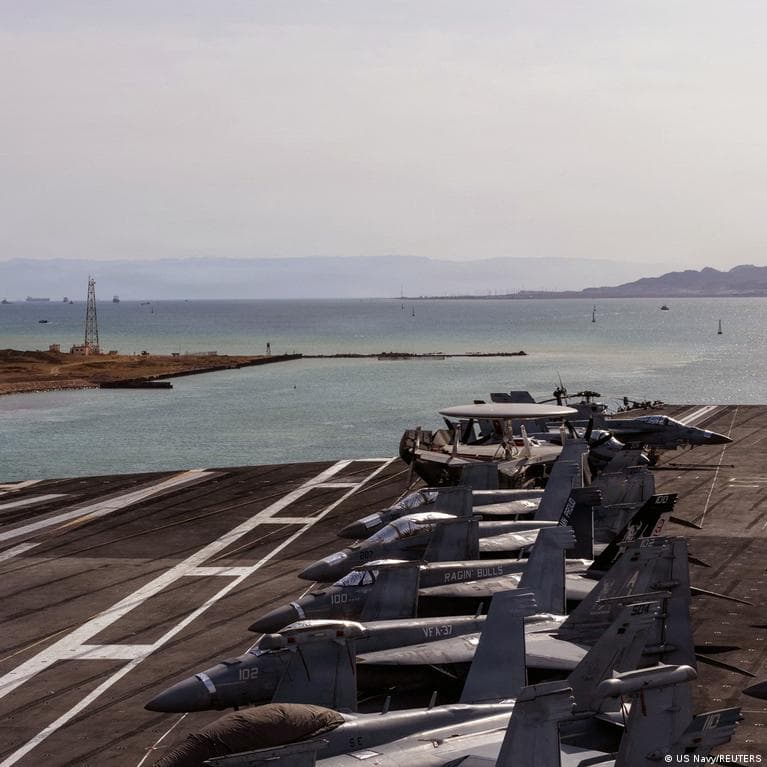
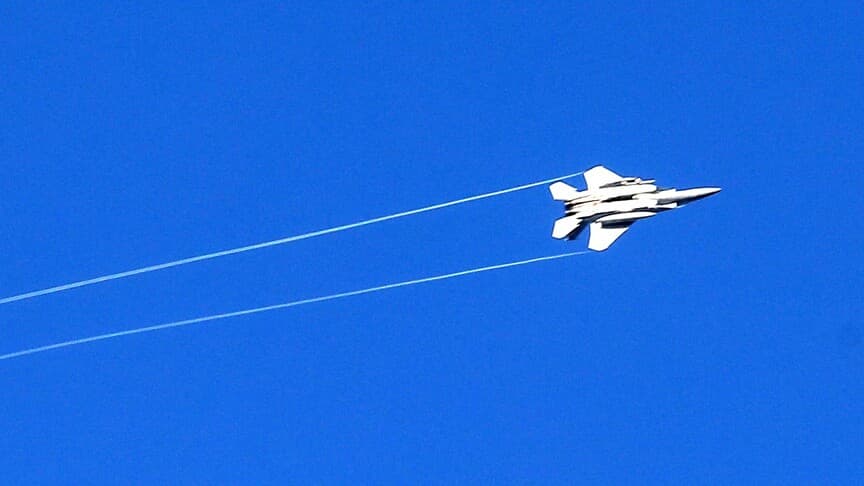
US Central Command reported continuous flights of combat aircraft in the Middle East region. F-35, F-16, F/A-18 fighters and A-10 attack aircraft are involved, with the main burden falling on the carrier-based aviation of two aircraft carriers and an amphibious assault ship in the Arabian Sea.
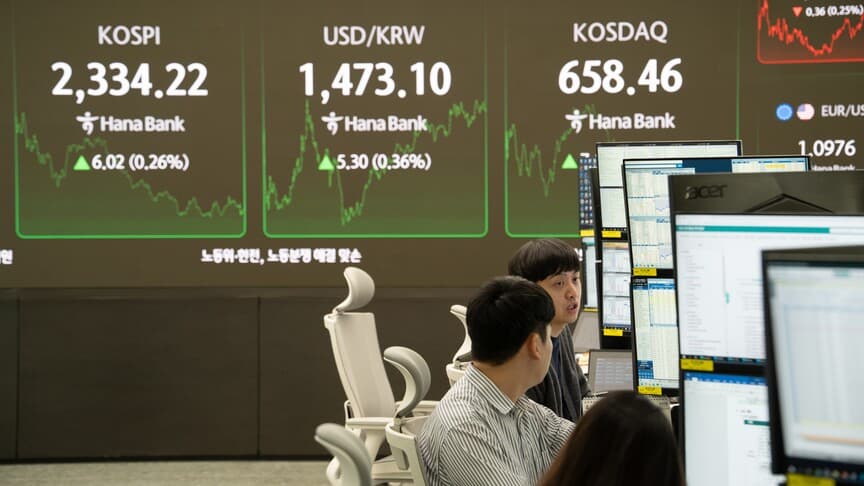
According to Anadolu, the week ending October 23 closed with declines in US and European indices, and Monday opened mixed. Markets are under pressure from doubts about the returns on AI investments, geopolitical risks surrounding the US and Iran, and weak consumption data. Investors' attention is focused on decisions by the Fed, the ECB and the Bank of Japan. According to Anadolu, the week starting October 23 ended with declines in US and European indices, and Monday opened mixed. Markets are under pressure from doubts about the return on AI investments, geopolitical risks surrounding the US and Iran, and weak consumption data. Investor attention is focused on the decisions of the Federal Reserve, the ECB and the Bank of Japan.
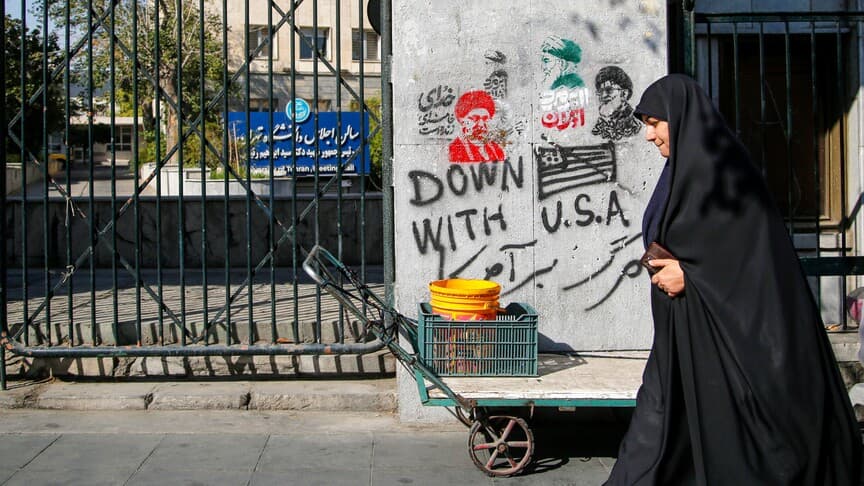
Speaker of the Iranian Parliament Mohammad Bagher Ghalibaf said on Sunday that the United States has become 'bogged down in the quagmire because of its own miscalculations' in the war against Iran, and that it is up to Washington itself to find a way out. Tensions in the region persist after the war began in late February: the ceasefire and the memorandum on a final peace agreement have not resolved the conflict due to disagreements over shipping in the Strait of Hormuz.
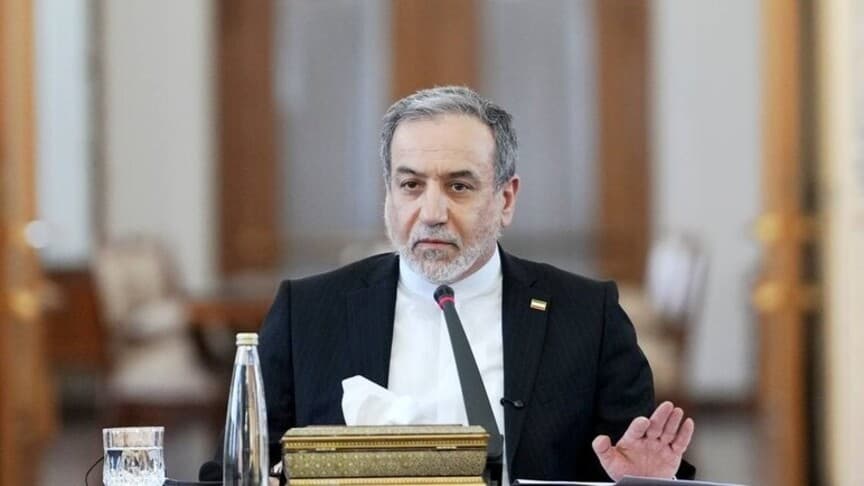
Iran's Foreign Minister Abbas Araghchi said that the recent war with the United States and Israel has changed everything in the region, including the regime governing the Strait of Hormuz. Tehran insists on its right to control the passage of vessels, while Washington demands free navigation. Talks to resolve the conflict have stalled amid rising tensions.
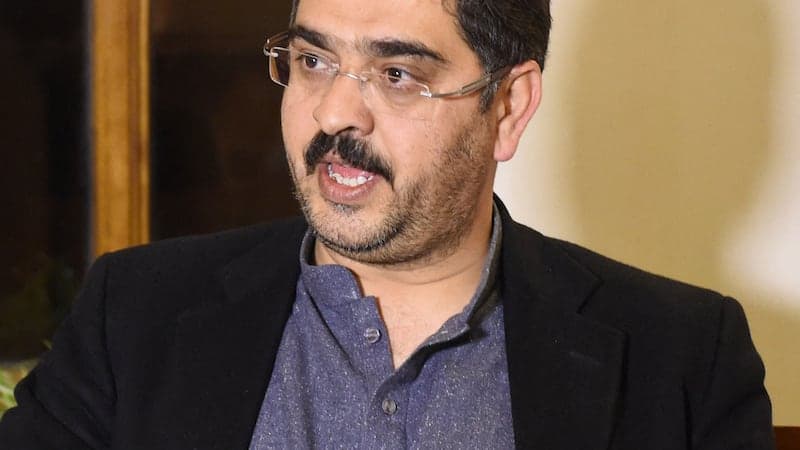
Former caretaker Prime Minister of Pakistan Anwaar-ul-Haq Kakar told The National in an interview that the extreme positions of Washington and Tehran are blocking a settlement of the war. He warned of the risk of renewed strikes and severe economic consequences for Pakistan, and also spoke about the role of the Mecca defense pact with Saudi Arabia and Turkey. Former caretaker Prime Minister of Pakistan Anwaar-ul-Haq Kakar said in an interview with The National that the maximalist positions of Washington and Tehran are blocking the settlement of the war. He warned of the risk of renewed strikes and severe economic consequences for Pakistan, and also spoke about the role of the Mecca defense pact with Saudi Arabia and Turkey.
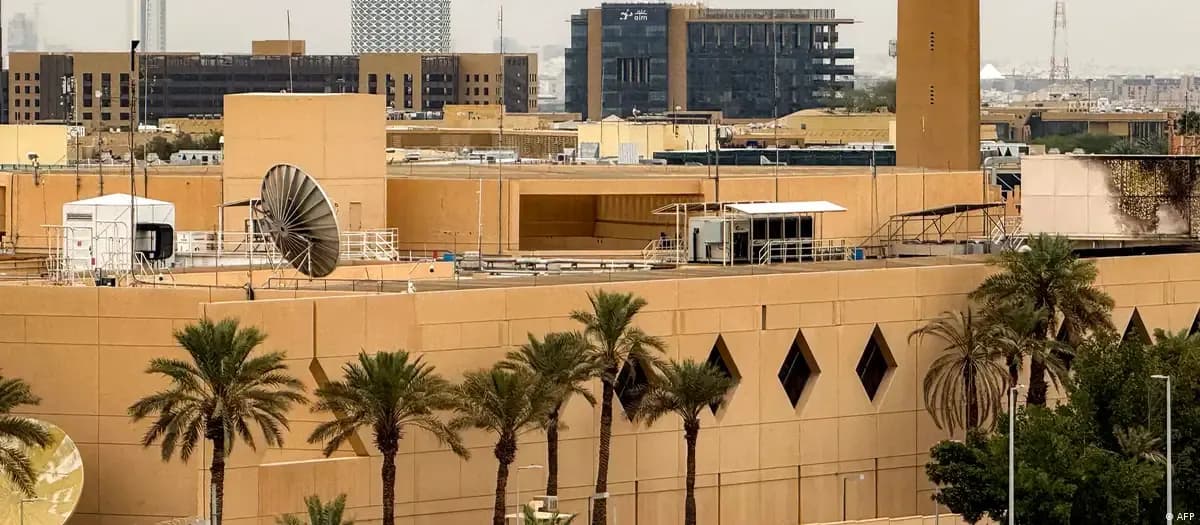
US authorities have ordered non-emergency-essential staff at the embassy in Saudi Arabia and their family members to leave the country. Similar directives have been given to diplomats' families in the UAE, Jordan, Qatar and Bahrain; staffing changes have also been made in Lebanon. The measures are being taken amid concerns about attacks by Yemen's Houthis and tensions linked to Iran.
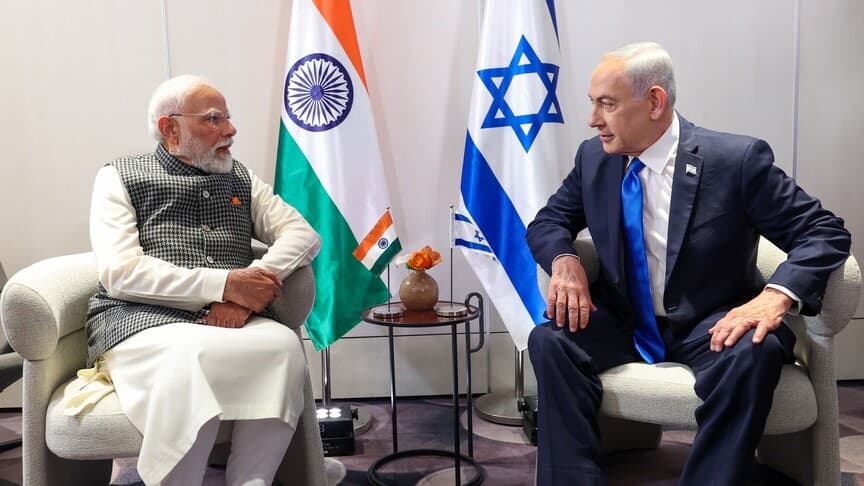
Indian Prime Minister Narendra Modi and Israeli Prime Minister Benjamin Netanyahu held a phone call, during which they discussed the development of bilateral relations and the situation in the Middle East. According to Modi's office, the sides reaffirmed their commitment to an 'exceptional strategic partnership' and agreed to stay in touch.
The US dollar remains persistently strong contrary to the Trump administration's expectations, while rising energy prices due to Middle East tensions add pressure on households ahead of the November 3 midterm elections.
US markets closed higher on Wednesday, but Asian trading began with a selloff on Thursday amid Middle East tensions and doubts about the returns on AI investments. Brent rose to $110.7 per barrel, and French 10-year bond yields exceeded 5%. Meta reported net profit growth of 264%, Tesla a decline of 43%.
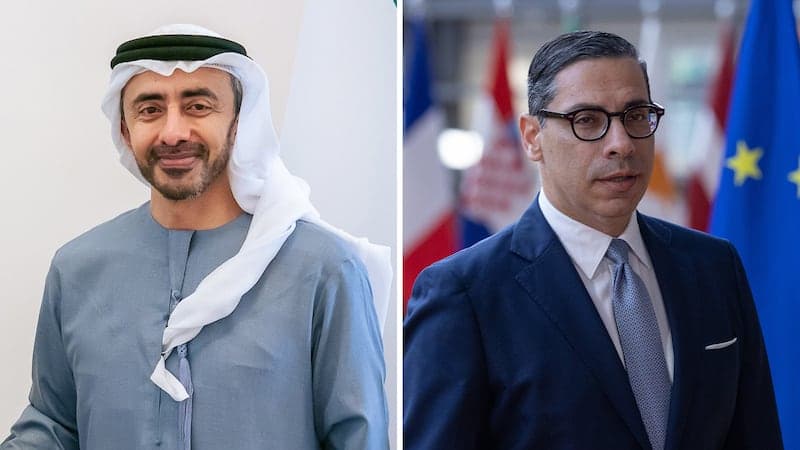
UAE Foreign Minister Sheikh Abdullah bin Zayed held a phone call with his Cypriot counterpart Dr Constantinos Kombos. The parties discussed bilateral relations and the deteriorating security situation in the Middle East, the state agency Wam reported.
According to the New York Times and Axios, the US and Israel have developed plans for a 'short but intense' operation against Iran, including nuclear facilities and energy infrastructure. Tehran declares readiness to respond and continues negotiations through Qatar. Escalation is expected after the US midterm elections on November 3.
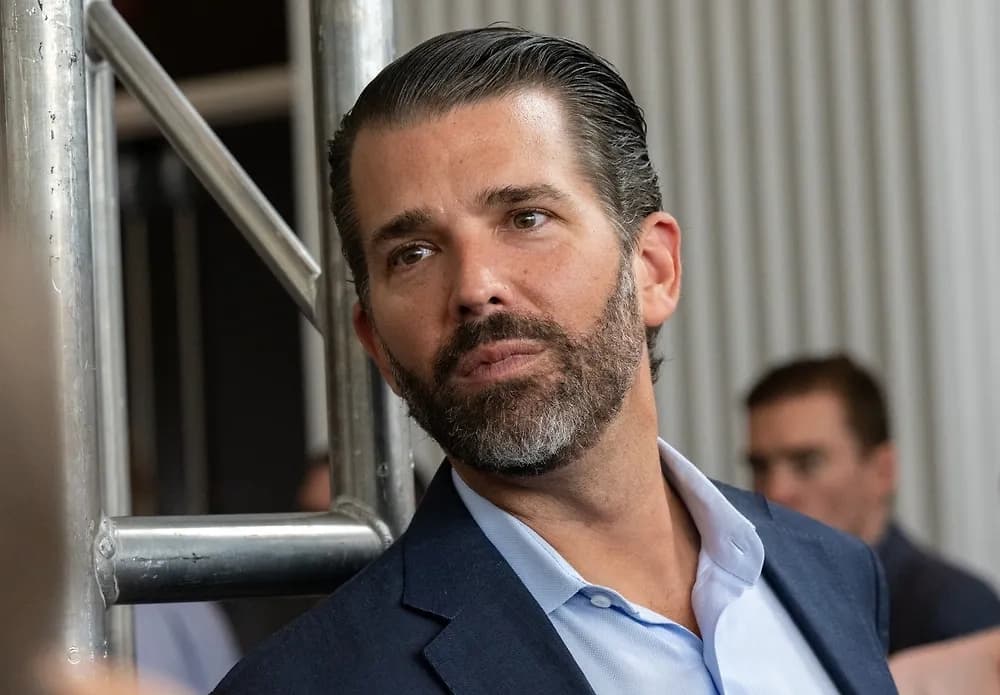
According to The Atlantic, citing sources, Donald Trump Jr. did not support the military operation against Iran from the very beginning and expressed his displeasure to his father, but does not intend to criticize him publicly. Skepticism about the war was also voiced within the administration — by JD Vance, John Ratcliffe, and Marco Rubio. According to a Pew Research Center poll, 65% of Americans disapprove of Trump's actions regarding Iran.
Dozens of Israeli fighter jets with refueling aircraft flew over Syria and Iraq overnight into Tuesday, approaching Iran's border, Channel 12 reports citing American sources. The operation coincided with Pentagon chief Pete Hegseth's visit to Israel. The Financial Times writes that Netanyahu earlier ordered preparations for a major offensive against Iran, which was canceled after Trump's objections.
Jordan and Saudi Arabia signed an updated protocol in Riyadh reorganizing the Higher Coordination Council, replacing the joint committee. During talks between foreign ministers Ayman Safadi and Faisal bin Farhan, Amman condemned Houthi attacks and affirmed solidarity with Riyadh. Bilateral trade in 2025 exceeded $4 billion.
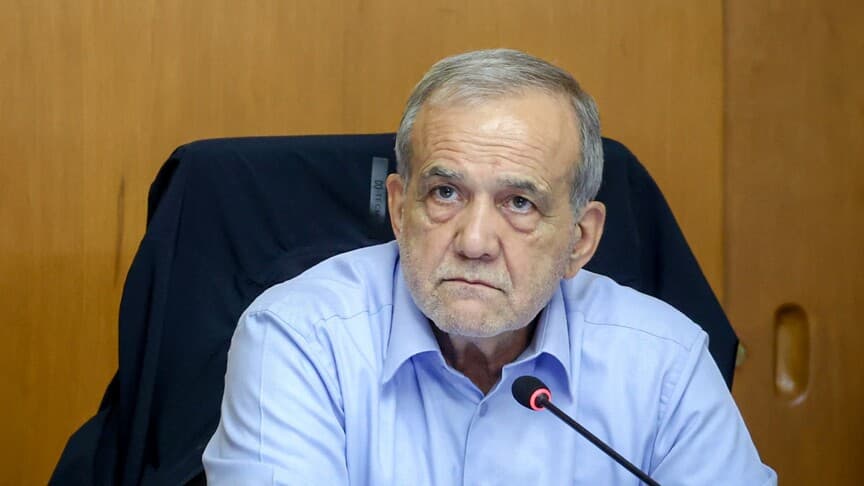
Iranian President Masoud Pezeshkian said Washington must recognize the rights of the Iranian people and stop 'pressure and aggression' before negotiations are possible. He accused the US of violating commitments. Tensions have persisted since the start of the US and Israel war against Iran on February 28; the June memorandum on freedom of navigation in the Strait of Hormuz is not being implemented due to disagreements over security.
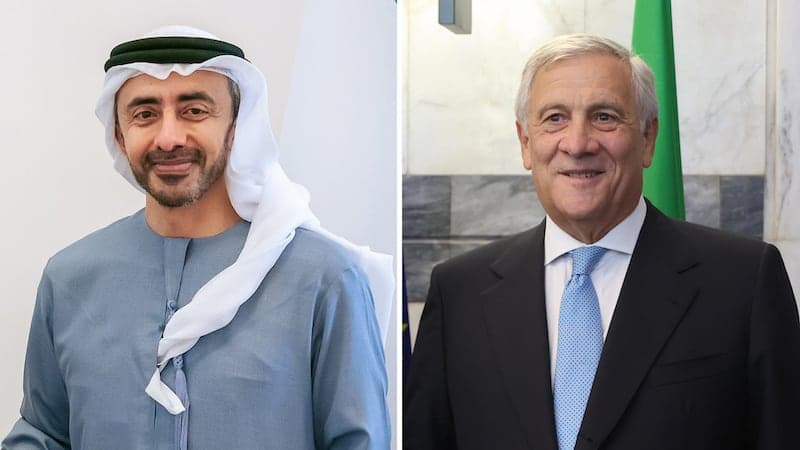
Deputy Prime Minister and Foreign Minister of the UAE Sheikh Abdullah bin Zayed held telephone talks with Italian Deputy Prime Minister and Foreign Minister Antonio Tajani. The parties discussed bilateral relations, strategic partnership and the situation in the Middle East, reaffirming their commitment to strengthening security and stability in the region.