The key facts
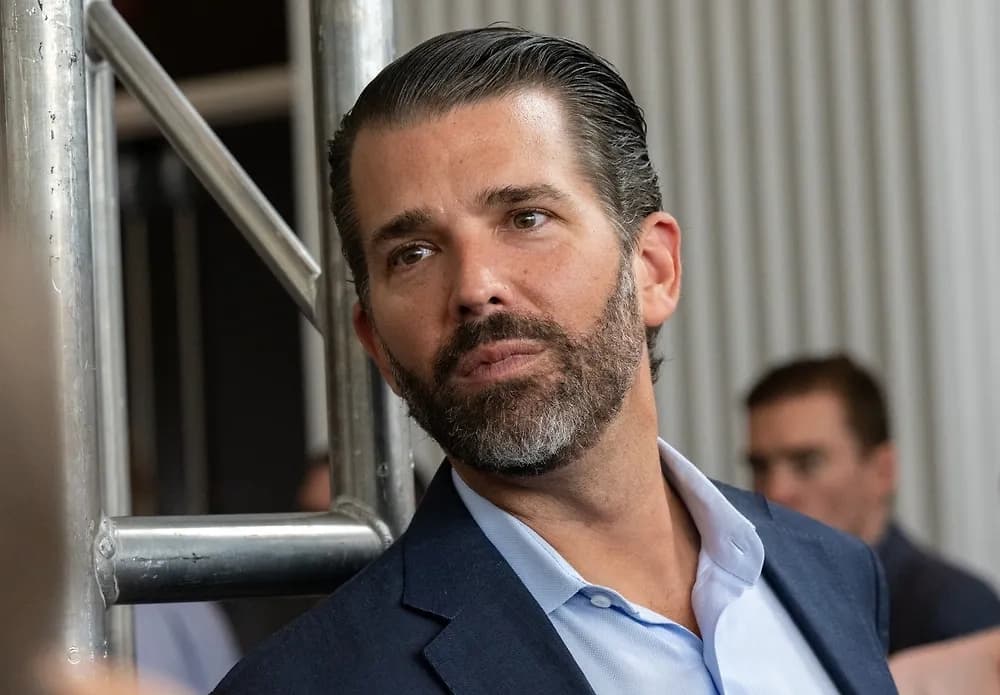
- Donald Trump Jr. opposes the war with Iran and voiced objections to his father in private conversations, The Atlantic reports.
- The military campaign was also viewed skeptically by Vice President JD Vance, CIA Director John Ratcliffe, and Secretary of State Marco Rubio.
- 65% of Americans disapprove of Trump's actions regarding Iran; 47% believe the campaign will last more than another year.
The President's Son's Objections
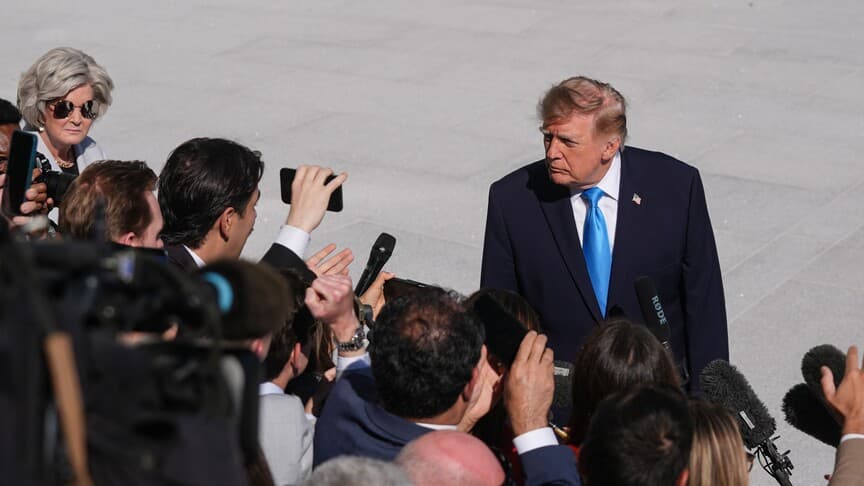
The eldest son of the US president, Donald Trump Jr., opposes the war with Iran and has already expressed his displeasure to his father, The Atlantic writes, citing informed sources. According to the magazine, he believes that Washington's involvement in the conflict contradicts the American leader's campaign promises not to drag the country into new wars in the Middle East. Trump Jr. did not support the military operation from the very beginning, but prefers to discuss his objections exclusively in private conversations and does not intend to publicly criticize his father's decisions. A representative of the president's son declined to comment on the publication, while the White House assured that the conflict with Iran would soon be over.
Skepticism Within the Administration
Opponents of the war also exist directly within the US administration. Vice President JD Vance expressed doubts as early as February about Washington joining Israel's military campaign. CIA Director John Ratcliffe and Secretary of State Marco Rubio also viewed skeptically the proposals of Israeli Prime Minister Benjamin Netanyahu about the possibility of changing the government in Iran through a military operation.
Public Opinion and Elections
Disagreements within the American leadership are intensifying against the backdrop of public dissatisfaction with the protracted hostilities. According to an October Pew Research Center poll, 65% of Americans disapprove of Trump's actions regarding Iran, and 47% believe the military campaign will last more than another year — initially the administration expected to complete it in four to six weeks. Additional pressure on the White House comes from rising fuel prices: with the November 3 midterm congressional elections approaching, Republicans have to defend the president's military policy before voters dissatisfied with rising expenses. The conflict increasingly diverges from Trump's promises to focus on America's domestic problems.
Context Around the Conflict
Earlier, Life.ru reported that Trump admitted the strikes on Iran's top leadership may have been a mistake, since after them it became harder for Washington to determine with whom to negotiate. Later, Axios reported on discussions between Trump and Netanyahu about new large-scale attacks, although the White House denied this information. Against the backdrop of talk of a possible escalation, the American president ruled out the use of nuclear weapons against Tehran.