The key facts
- The dollar index rose 3.3% since the end of last year, reaching its highest level since April 2025 — 102.9 — before stabilizing just above 101.5.
- Rising gasoline, housing and mortgage costs are squeezing American households in the first two years of Trump's second term.
- Analyst Zafer Ergen: after the elections, the US/Israel–Iran conflict situation may develop into a deal or escalation, and Trump's policy may shift in either direction.
The dollar defies the administration's expectations
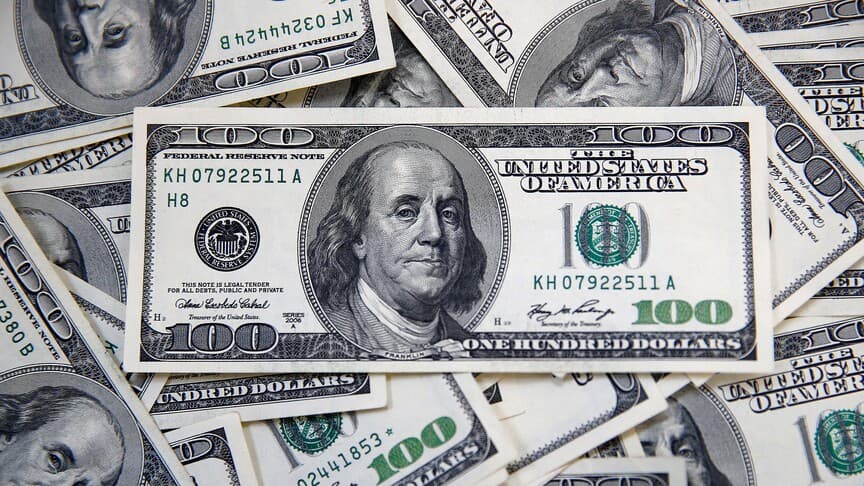
The US dollar retains persistent strength, moving in the opposite direction of what the current administration has sought, Anadolu reports. Ahead of the November 3 midterm elections, this creates an additional problem for President Donald Trump's standing, alongside rising energy prices driven by Middle East tensions.
Currency dynamics and pressure on households
The dollar rose to its highest level since April 2025 — 102.9 — amid the Middle East conflict threatening energy supplies and fueling inflation, before stabilizing just above 101.5. The dollar index, which measures the currency against the euro, Swiss franc, Japanese yen, Canadian dollar, British pound and Swedish krona, is up 3.3% compared with the end of last year. According to the outlet, American households are under pressure from rising expenses, long-term borrowing, energy prices, housing costs and interest rates in the first two years of Trump's second term.
Analyst's views
Futures and commodities analyst Zafer Ergen told Anadolu that American goods are losing competitiveness as the dollar strengthens. According to him, Trump over the past and current year has pushed for rate cuts and repeatedly criticized former Fed Chair Jerome Powell, even though economic data did not support lower rates. The president, in the analyst's view, wants a weaker dollar and greater liquidity in order to reduce the federal government's current account deficit to a more reasonable level and eventually achieve a trade surplus. Trump has also criticized rising imports from certain countries, especially China.
Assessment ahead of the elections
“The dollar is rising, rates are going up, inflation is accelerating ahead of the midterms — this is not what Trump wants, because mortgage costs and the prices of many goods are rising too, which is especially visible in gasoline prices,” Anadolu quotes Ergen as saying. In his view, after the elections, in the US/Israel war with Iran, “very serious events” are possible: depending on the outcomes, a durable agreement may be reached, or the conflict may escalate to an entirely different level, and subsequent steps may prompt Trump to act either aggressively or in the opposite direction from his current policy.