The key facts
- NYT: The US and Israel have prepared plans for a 'short but intense' operation against Iran's nuclear, energy and missile facilities
- Iran, per Reuters, is preparing for new attacks rather than a deal; a response against US bases and Persian Gulf facilities has been promised
- Talks have reached a deadlock; oil flows through the Strait of Hormuz are approaching pre-war levels (WSJ/Kpler)
Plans for a New Operation and the Political Context
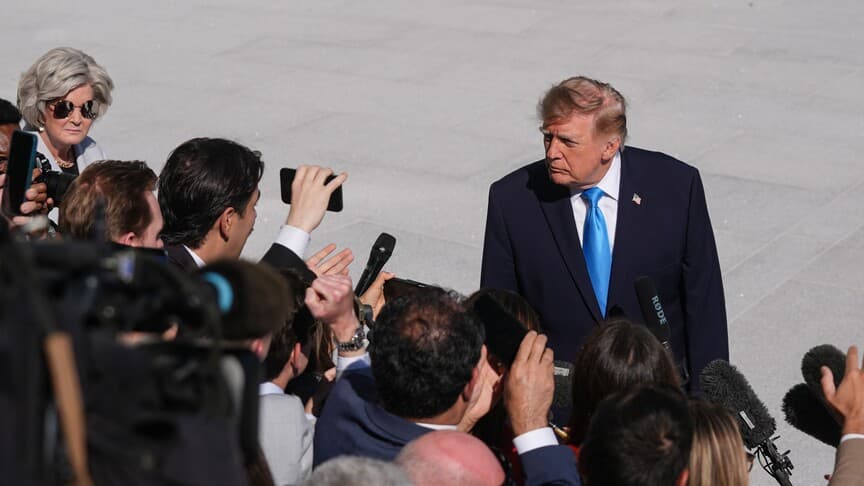
The prospect of a new major US strike is shaping calculations in Tehran, where the authorities are preparing for a resumption of attacks. According to US media reports, the US and Israel are studying new options for strikes against Iran. The conflict, which began in late February, has become intertwined with the electoral context: on November 3, midterm elections are held in the US, and next week — elections in Israel. Polls show that rising energy prices due to the war are hurting Trump's Republicans. On October 8, Trump stated on social media that the US would not attack Iran before the midterm elections, citing 'productive discussions' with Tehran. The last time the US struck Iran was in early September. Israeli Prime Minister Benjamin Netanyahu, for his part, is campaigning on a platform of regime change in Tehran.
'A Short but Intense Operation'
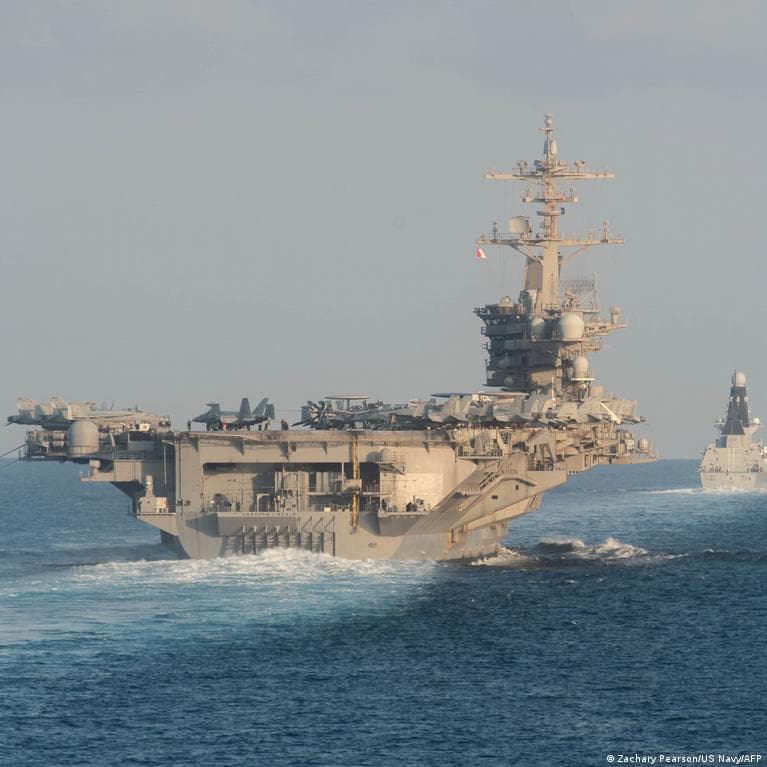
On Wednesday, the New York Times, citing senior US officials, reported that the US and Israel have 'developed concrete plans' for a 'short but intense operation' in Iran with targets including nuclear facilities, energy infrastructure and an arsenal of missiles and drones. One official told the newspaper that the goal is to force Iran into 'diplomatic concessions' through further weakening of the economy, since negotiations to end the conflict have reached a deadlock. The US is also maintaining a blockade of Iranian oil exports in the Strait of Hormuz, which is cutting Tehran's revenues. Earlier, in early October, Axios reported that the Pentagon had tasked Central Command with 'completing preparations for the resumption of major combat operations in Iran.' Two carrier strike groups are currently in the Arabian Sea, with a third expected by the end of November. On October 15, Trump told Newsmax that he was considering a strike on Pikaks Mountain near the Natanz nuclear complex, where, in the view of US officials, Iran may have moved sensitive nuclear materials underground. The next day, CNN reported that Trump is considering the use of a MOAB bomb; as DW notes, due to the above-ground nature of the explosion, its effectiveness against underground facilities is limited.
Tehran's Response and Preparations Inside the Country
Iranian officials declare readiness for a new American attack with a broad response, including regional US bases and energy facilities in the Persian Gulf. Media adviser to President Masoud Pezeshkian, Ali Asghar Shafieyan, told DW that although the US retains technological and military superiority, Tehran's strategy is based on preserving the regime's hold on power rather than on force parity. He pointed to the rapid replacement of senior officials killed in previous attacks and to the restoration of missile and drone capabilities damaged in the first weeks of the war. Reuters this week, citing Iranian officials, reported that Iran 'is preparing for a resumption of Israeli and American attacks, not for a deal with America,' and that Tehran is dragging out negotiations to weaken Trump ahead of the midterm elections. Tehran has warned regional governments that American bases and critical infrastructure could become targets if neighbors assist a new US or Israeli operation. Foreign Minister Abbas Araghchi stated that the involvement of regional states would receive a 'decisive and proportionate response,' and wrote on X: 'Iran is ready to give diplomacy another chance if we see weighty evidence of a sincere US desire to build trust and reach a fair solution. But if the US chooses war over diplomacy, it will certainly lead to an even greater strategic failure.' Tehran-based political analyst Rahman Ghahremanpur told DW that Iran's preparations go beyond missiles and drones and include a priority on internal security: countering armed opposition groups, readiness for possible protests, and plans to prevent external pressure from merging with internal unrest. New internet restrictions and the mobilization of regime supporters are possible. According to him, the goal of the asymmetric strategy is to convince the US that regime change by military means is impossible. Some factions in Iran support a return to negotiations, but American demands are now considered so extensive that even advocates of compromise cannot muster domestic support. 'Right now we are facing a deadlock,' he said.
Negotiating Deadlock and Oil Flows
Talks on Iran's nuclear program, which US officials call a priority on the agenda, continue to stall. Iran's latest proposal, conveyed through Qatari mediators, included an offer to reopen the Strait of Hormuz under Iranian control in exchange for lifting the naval blockade, unfreezing assets and ending military operations. Meanwhile, according to the Wall Street Journal, citing data from tracker Kpler, oil flows through the Strait of Hormuz are approaching pre-war levels: the US Navy is escorting tankers, and shipping companies are more willing to take risks for greater profits. This calls into question Tehran's weakening influence over oil flows. Trump, according to DW, threatened to 'destroy' Iran if no deal is reached.
Fear of a New War Among Iranians
For ordinary Iranians, a new confrontation would come amid severe economic pressure and growing political polarization. A doctor from Tehran, who spoke to DW anonymously because communicating with media in Iran remains very dangerous, said she fears a return of hostilities: 'The economic situation has become extremely bad. Even if you have a good income, you feel bad living among so many people struggling with poverty.' She expects new internet restrictions if fighting begins. Another Tehran resident described anger toward regime supporters and said that a new war combined with internal protests could raise the risk of street clashes. Asked about possible strikes on underground nuclear facilities, she replied that the topic is increasingly detached from her everyday problems: 'What do nuclear facilities have to do with us? They are inside mountains.'