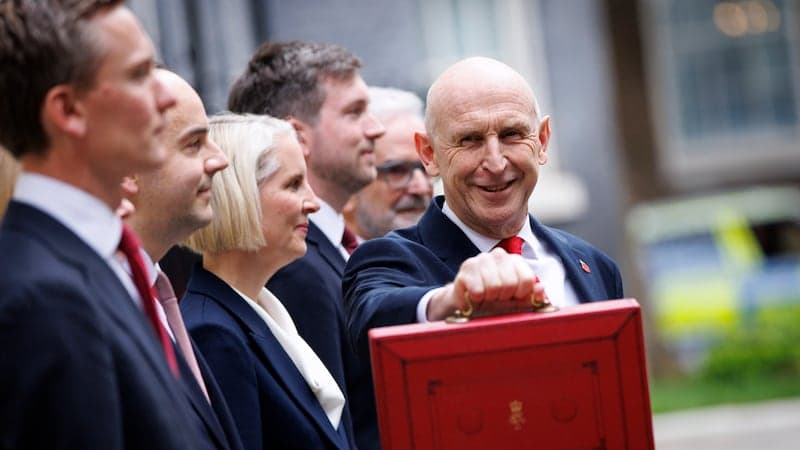
UK Finance Minister John Healey presented the first budget of Andy Burnham's government: tax breaks for entrepreneurs, payments to households, and funding through banks and the gambling industry. The main justification for the measures was the US–Iran war, which has driven up inflation.
Chancellor John Healey presented a budget with 'breathing space' measures for families amid a forecast rise in energy bills to £2,000 a year. One-off payments of £100, an extension of the VAT cut on electricity, the abolition of gas standing charges, higher minimum wage and pensions — and the abandonment of the plan to cut the cash Isa limit. Chancellor John Healey presented a budget with 'breathing space' measures for families against the backdrop of a forecast rise in energy bills to £2,000 a year. One-off payments of £100, an extension of the reduced VAT on electricity, the scrapping of gas standing charges, increases in the minimum wage and pensions — and the abandonment of a plan to cut the cash Isa limit.
British newspapers on Wednesday, 28 October 2026, discuss Chancellor John Healey's first Budget, which will be delivered at lunchtime on Wednesday. The publications differ in their assessments: some write about the scrapping of 'green levies' and help for low-income households, others about a record tax burden and the abandonment of welfare reform. British newspapers on Wednesday, 28 October 2026, discuss Chancellor John Healey's first Budget, which will be presented at midday on Wednesday. The publications differ in their assessments: some write about the scrapping of 'green levies' and support for low-income households, others about a record tax burden and the abandonment of welfare spending reform. British newspapers on Wednesday, 28 October 2026, discuss Chancellor John Healey's first Budget, which will be presented at midday on Wednesday. The publications differ in their assessments: some write about scrapping 'green levies' and support for low-income households, others about a record tax burden and the abandonment of welfare spending reform.
A day before the budget, UK Chancellor John Healey announced a package of 'everyday fixes': scrapping import tariffs on more than 100 products, reforming carer's allowance, making the mileage deduction rate permanent, and two weeks of paternity pay for the self-employed. The Conservatives criticised the initiative. Expected savings for households are up to £21 a year.
John Healey's first budget, to be presented on Wednesday, is expected to introduce a new tax allowance for pensioners on low incomes. The basic state pension will rise by 3.9% from April to £13,036.40 a year, exceeding the tax-free threshold of £12,570. The opposition has put forward alternative proposals.
Chancellor of the Exchequer John Healey is preparing a Budget he will present on Wednesday at around 13:00 in the House of Commons. Preparations are taking place amid unprecedented secrecy, even though the economy is growing faster than forecast: inflation stood at 3.5% in September, while borrowing costs are higher than expected. Key decisions concern borrowing, welfare spending and fiscal rules. Chancellor of the Exchequer John Healey is preparing a budget that he will present on Wednesday at around 13:00 in the House of Commons. The preparations are taking place amid unprecedented secrecy, even though the economy is growing faster than forecast: inflation stood at 3.5% in September, while borrowing costs are higher than expected. Key decisions concern borrowing, welfare spending and fiscal rules.
In Chancellor John Healey's first Budget, to be delivered on Wednesday, £7 million will be announced for a full-scale feasibility study of a bid to host the Olympic and Paralympic Games in northern England in the 2040s. The idea has been promoted by northern mayors and former Olympians, including Dame Laura Kenny and Dame Sarah Storey. Estimates of the cost and impact of the London 2012 Games differ, and the opposition is demanding scrutiny of the spending.
British Chancellor John Healey will present the first budget of Andy Burnham's government on 28 October. The BBC examines how small initiatives — from the Northern Games to fines for loud music — combine with postponed difficult decisions. British Chancellor John Healey will present the first budget of Andy Burnham's government on 28 October. The BBC examines how small initiatives — from the 'Northern Games' to fines for loud music — combine with postponed difficult decisions.
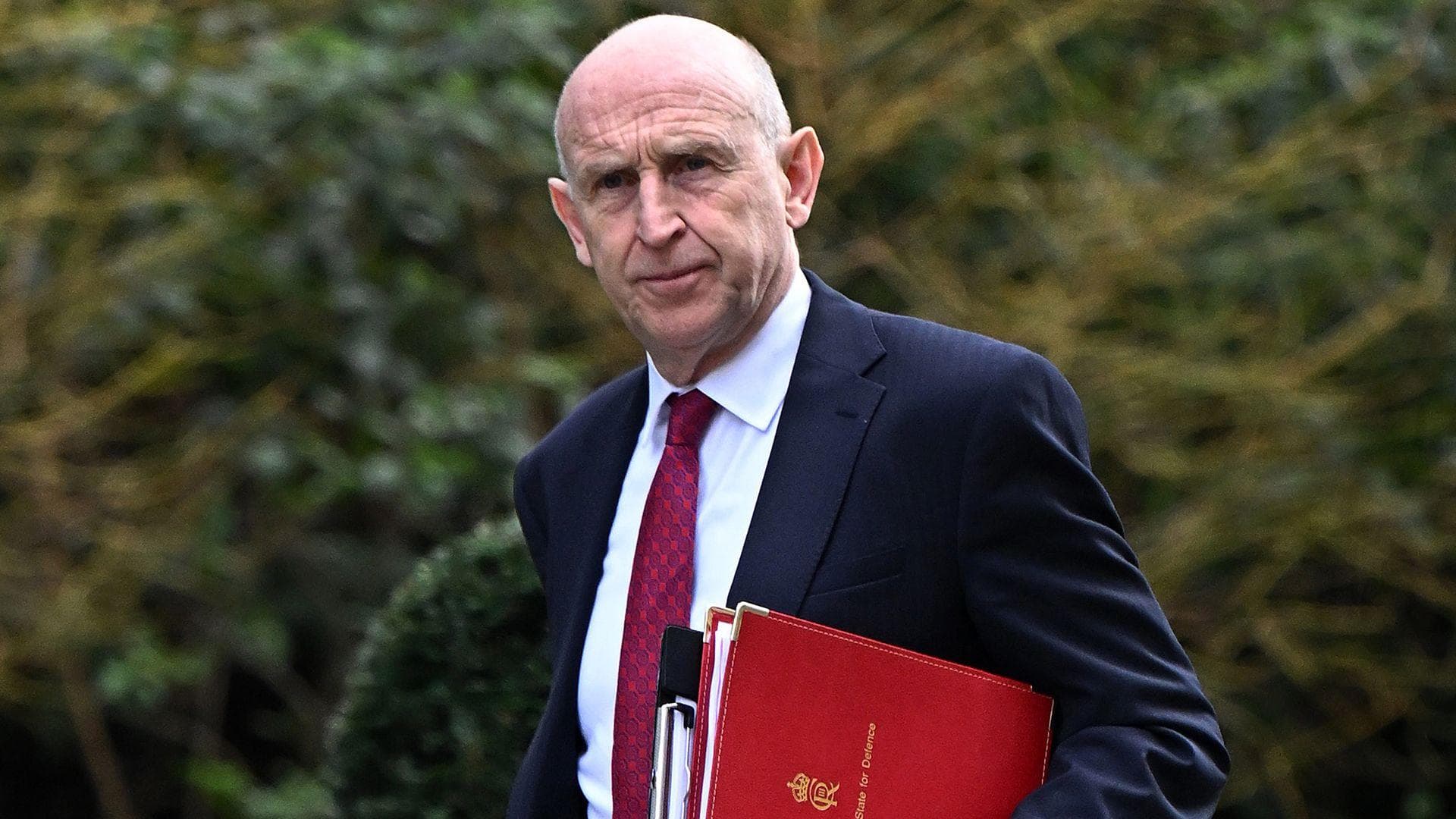
In an article for The Telegraph, UK Defence Secretary John Healey stated that by 2030 London's potential adversaries may have gathered enough strength to launch an attack, and set a preparation timeframe of about 1,000 days. He called for strengthening cooperation with NATO and the United States and rebuilding the defence industry.
Chancellor John Healey announced plans to simplify reporting and cut 'pointless paperwork' for businesses, which the Treasury estimates will save almost £800m. The announcement was made ahead of Healey's first budget on Wednesday. The Conservatives criticised the initiative, while the CBI urged waiting to see actual delivery.
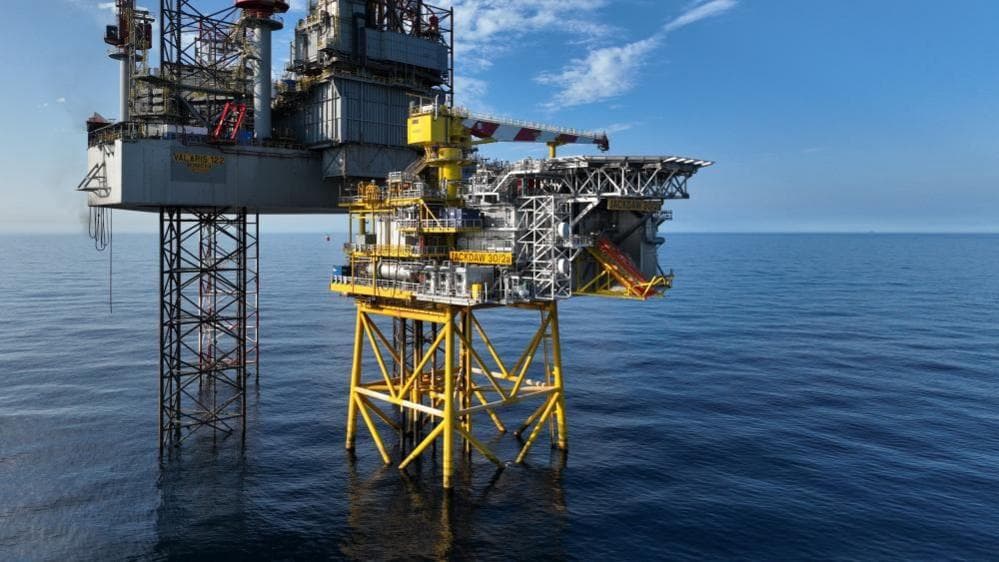
Chancellor John Healey announced the creation of the Energy Wealth Fund with initial capital of £2 billion, allocated from the National Wealth Fund. According to internal Treasury calculations, if British North Sea revenues (about £200 billion) had been invested since the 1980s on the Norwegian model, the fund could be worth around a trillion pounds.
New data showed inflation rising to 3.5%, record national debt above £3 trillion, and a budget deficit exceeding forecasts. Chancellor John Healey is preparing a budget statement next week amid rising prices and borrowing costs.
Chancellor John Healey, according to The Times, does not intend to raise capital gains tax (CGT) in the 28 October budget, fearing an outflow of investors and lost revenue. Earlier, Wes Streeting and Louise Haigh had backed a rise. The opposition and Liberal Democrats offered alternatives: spending cuts or a bank profits tax.
British newspapers on Tuesday discuss the unrest in France with the introduction of a curfew, £2 billion cuts to army spending, expectations for Chancellor John Healey's budget, the abolition of the two-child benefit limit, the fate of Thames Water and other topics.
According to the BBC, Chancellor John Healey is considering raising taxes on the banking sector ahead of the budget. Options under discussion include restoring the corporation tax surcharge from 3% to 8%, raising the bank levy, or a moratorium on loss relief. The four biggest banks earned about £15bn in six months; the industry warns of a threat to competitiveness.
UK GDP grew 0.1% in August against forecasts of a 0.1% decline. Chancellor John Healey called it a 'sign of resilience' ahead of the 28 October budget. Over three months growth was 0.7%, with computer programming the main contributor. The opposition and Liberal Democrats were sceptical about the data, and analysts warn of inflation risks.