The key facts
- John Healey announced the creation of the Energy Wealth Fund with £2 billion from the National Wealth Fund against the backdrop of the Jackdaw field's approval
- The Treasury calculated for the first time: had £200 billion of historical revenues been invested, the fund could have reached ~£1 trillion
- The Norwegian fund, which started in 1996 with 2 billion kroner, is now worth more than a thousand times as much
A fund created after half a century of debate
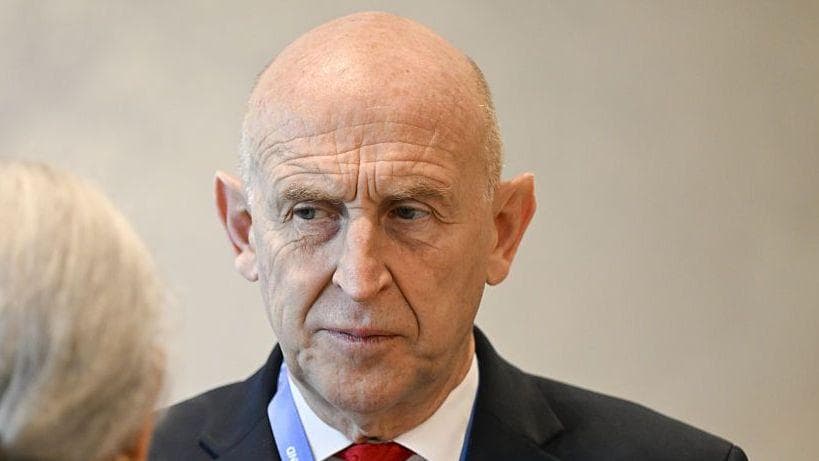
Chancellor John Healey announced the creation of the Energy Wealth Fund against the backdrop of the approval of the Jackdaw gas field in the North Sea, allocating £2 billion from the existing National Wealth Fund. 'The revenues from this oil and gas, coming ashore now, can be invested for future generations,' the chancellor said. According to him, if such a policy had begun with the discovery of North Sea oil in the 1980s, the British sovereign fund would be worth 'probably a trillion pounds.'
The Treasury's calculation
For the first time, Treasury officials calculated the value of the 'missed' fund. The model assumed that the UK's historical North Sea revenues of £200 billion would have been invested without withdrawals and grown at rates comparable to Norway's. A government source called it a 'missed opportunity': 'If we had systematically invested these revenues, we could have created an enormous national asset for future generations.' According to the BBC's source, the government wants to 'learn from this principle rather than copy the Norwegian model wholesale.'
A long-running dispute among economists
The question of the lost oil fund has long been raised by economists critical of the Margaret Thatcher era: in their view, peak oil revenues were squandered on pre-election tax cuts. Others believe that under subsequent governments the money went on ineffective spending; meanwhile, the Norwegian fund only began operating in earnest in 1996. The idea also featured in the arguments of supporters of Scottish independence and was proposed by some government advisers as early as the 1970s.
Differences from the Norwegian model and forecasts
The Norwegian fund is required to invest abroad and has grown substantially on investments in American technology companies; 3% of its value is spent annually, funding between a fifth and a quarter of the country's budget. The British plan envisages a fund investing domestically in green energy, which, as the BBC notes, may make achieving comparable returns difficult. Tax revenues from the UK's energy sector are forecast to decline as North Sea production falls, although the pace of the slowdown may be softened by Jackdaw and the expansion of existing fields. It is also critically important that the Norwegian state retains control over oil companies and a share of their profits. Norway's initial contribution 30 years ago — 2 billion Norwegian kroner — has grown more than a thousandfold; no one expects the UK's £2 billion to turn into £2 trillion by 2056.
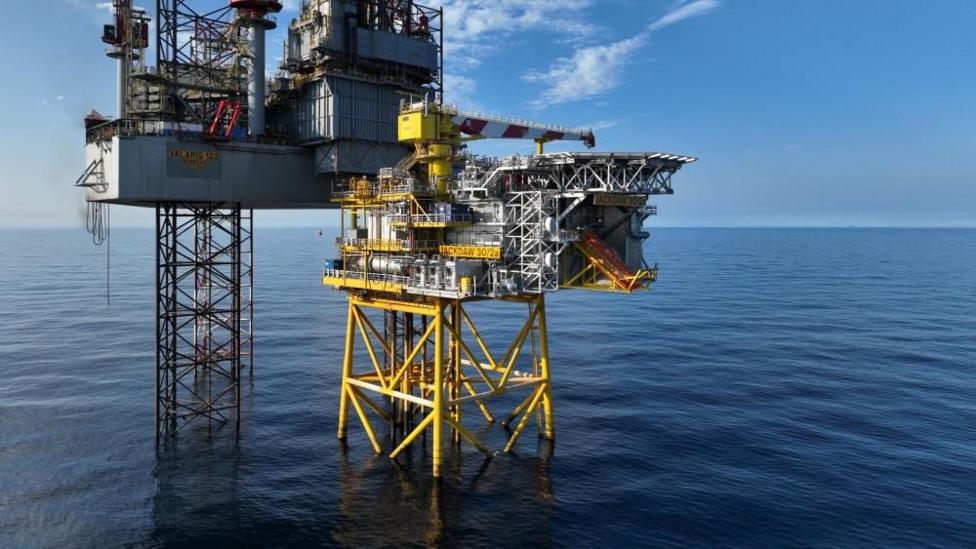
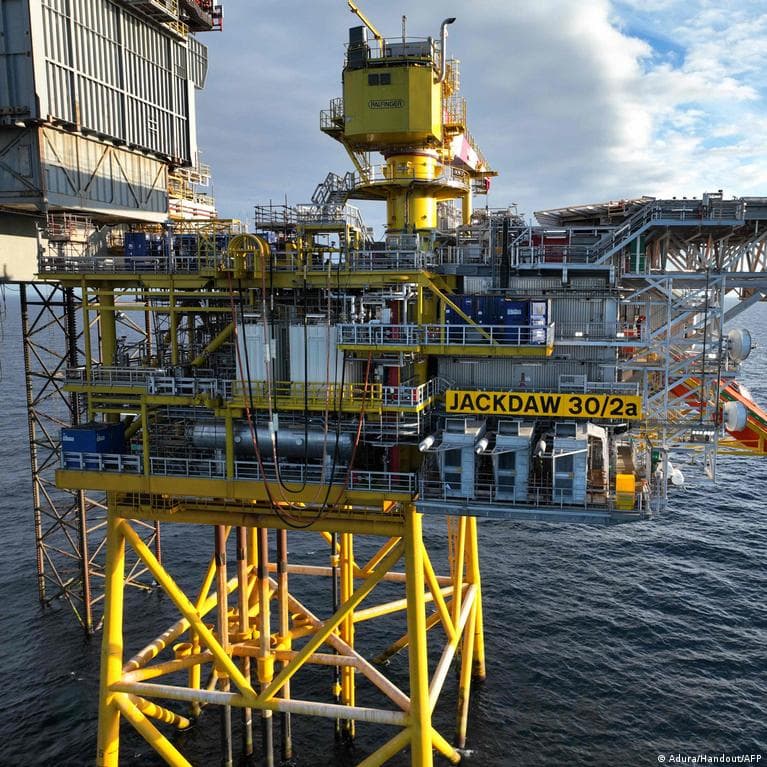
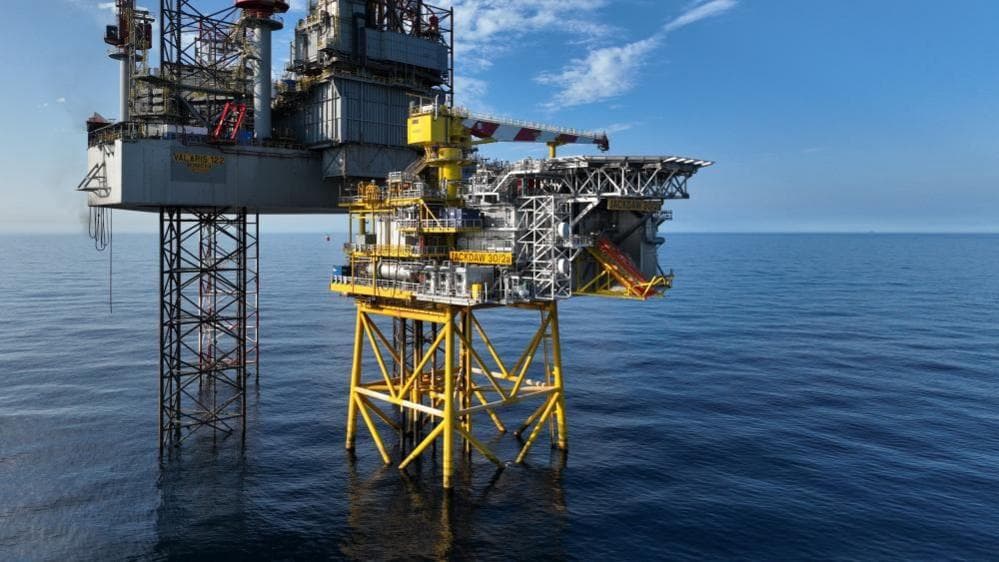
The Jackdaw gas platform and drilling rig in the North Sea.