The key facts
- UK inflation has reached 3.5%, and national debt has exceeded £3 trillion for the first time
- Borrowing is exceeding forecasts amid rising spending and interest payments
- The state pension will rise by 3.9% in April under the triple lock
Economic data complicates budget preparations
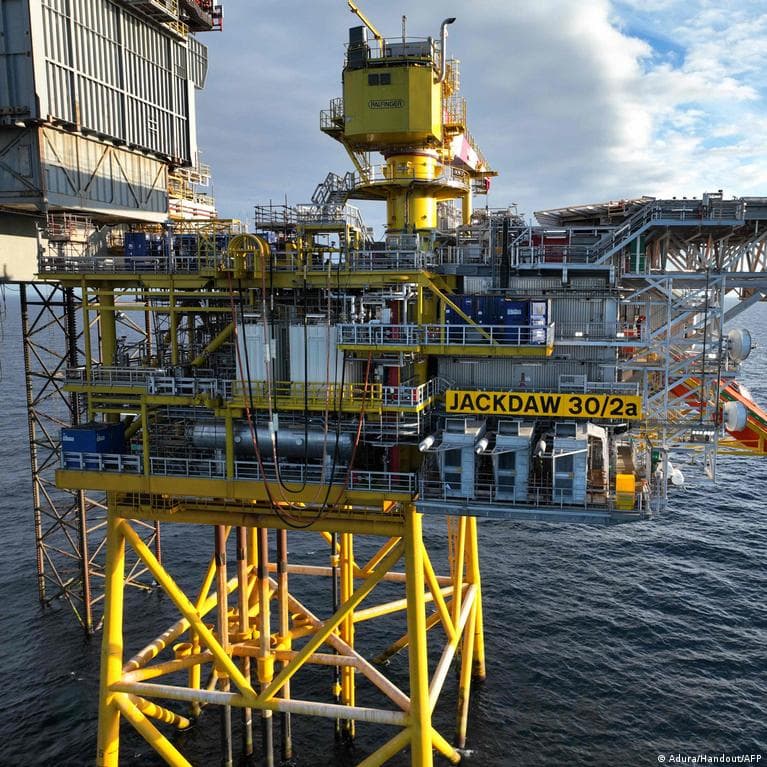
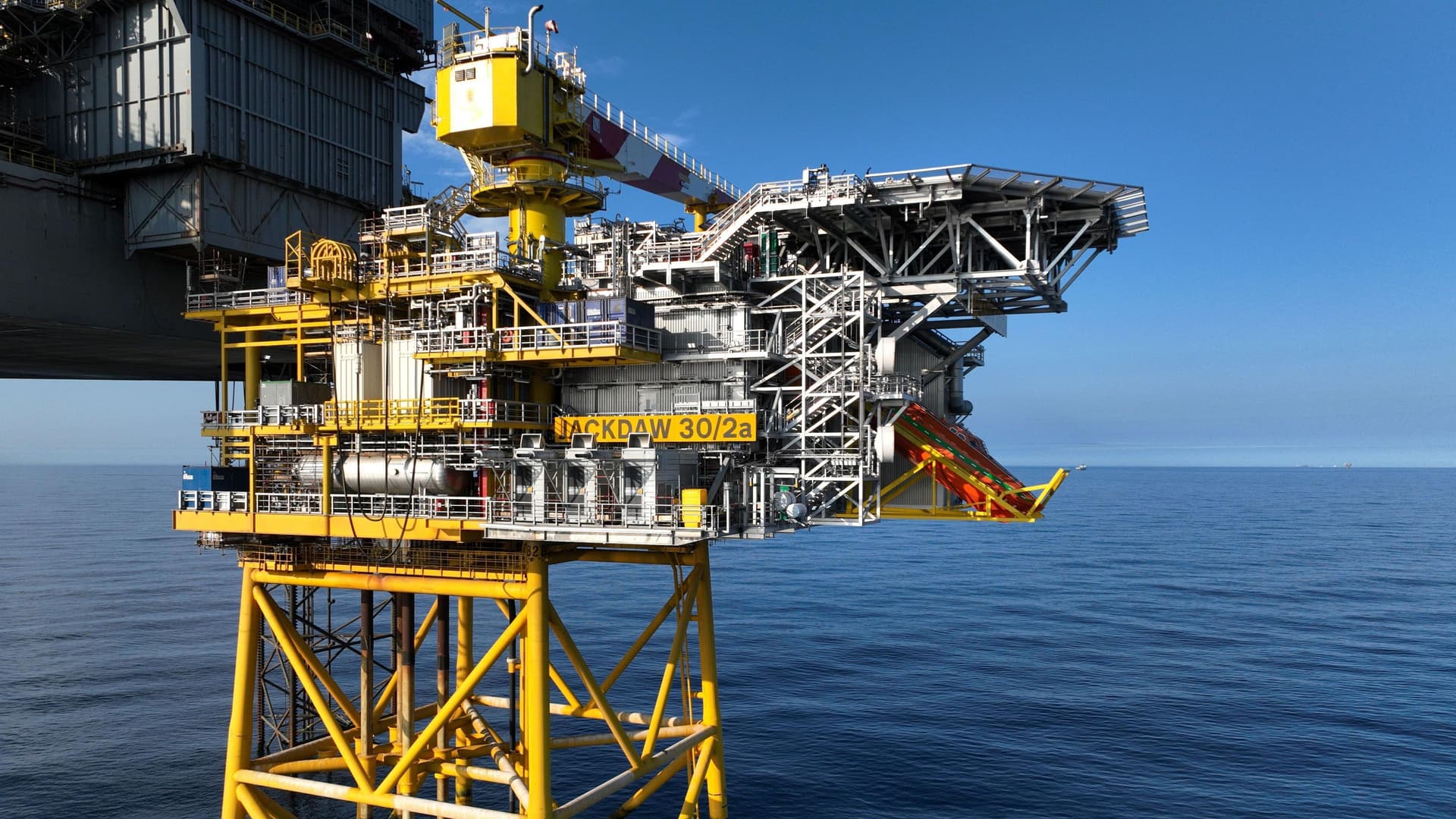
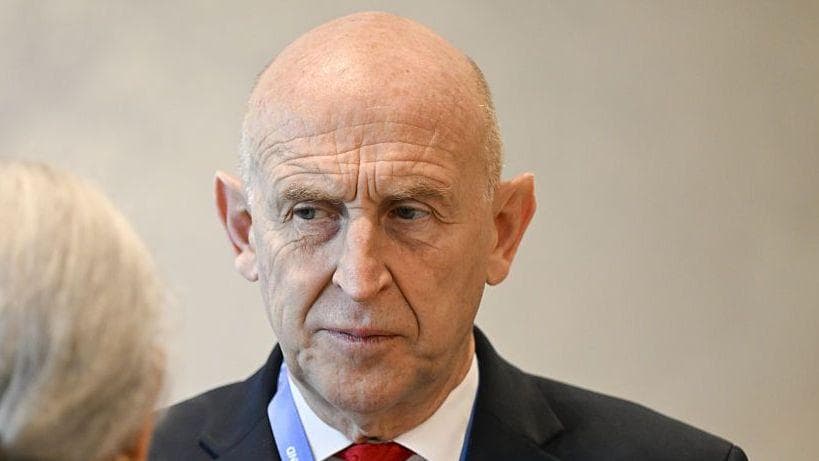
On the eve of Chancellor John Healey's budget statement, scheduled for next week, the latest major economic figures have been published. As BBC economics editor Faisal Islam notes, the Chancellor travelled to North-East Scotland on Wednesday to announce new approvals for energy projects in the North Sea just as the inflation and public finance data came out. National debt exceeded £3 trillion for the first time in official figures, inflation reached 3.5%, and borrowing is running above forecasts due to rising spending and interest payments.
Inflation could become persistent
The rise in inflation was expected due to higher petrol and diesel prices, in some cases reaching record levels, but core inflation measures also rose — from air fares to computer game downloads. According to the BBC, these are the first signs of more persistent price pressure, indicating that price rises are not temporary. Capital Economics now expects the core inflation measure to peak at 4.2% next year. The Bank of England is closely watching services inflation and core inflation, which, in the BBC's assessment, significantly raises the likelihood of an interest rate rise next month. The services sector — from law and banking to retail, hospitality and tourism — makes up the overwhelming part of the UK economy.
Benefit uprating and pressure on finances
The September CPI figure by law determines the uprating of tens of billions of pounds of social security payments in April, including personal independence payment (PIP) and carer's allowance. It also confirms that, under the 'triple lock', the state pension will rise by 3.9% in April. Food inflation, according to the BBC, remains largely unaffected by the energy shock. Higher inflation with frozen tax thresholds will bring more tax revenue in cash terms, but at the same time will increase the cost of public services, including, likely, union demands for pay rises.
Borrowing context and pre-budget announcements
The UK's borrowing costs rose alongside most developed countries amid the intensification of the US and Israel war against Iran. The approval of the Jackdaw gas field is seen as the start of a series of 'pro-growth' announcements ahead of the budget: it sets a direction but, in the BBC's assessment, will not fundamentally change the balance between 'breathing space' for consumers and a budget that is convincing for markets and investors. Some narrowing of the gap in borrowing costs with other G7 countries and IMF praise for the planned borrowing reduction measures created a platform for the Chancellor's budget, but the latest data clearly illustrate the difficulty of implementing them.
 Image source, Getty Images