The key facts
- John Heeley has ruled out a CGT rise and, according to the Financial Times, equalising its rates with income tax
- Wes Streeting and Louise Haigh previously supported raising the tax
- Lord Jim O'Neill warned that a rise would send 'the wrong signal to business'
Chancellor rules out tax rise
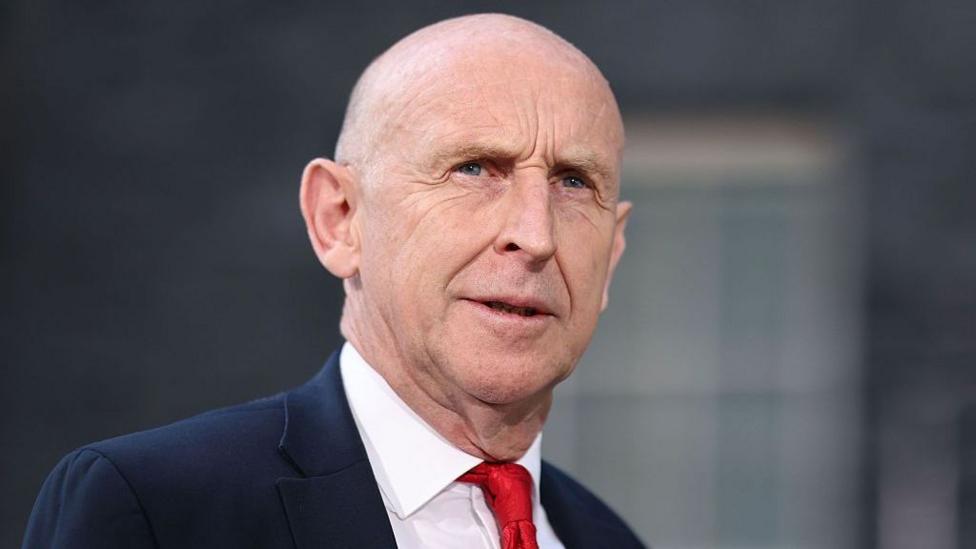
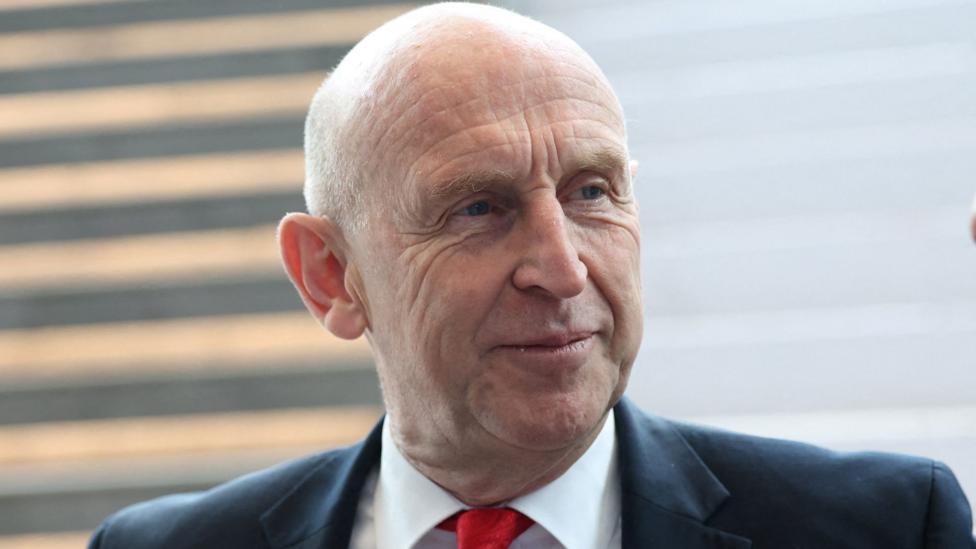
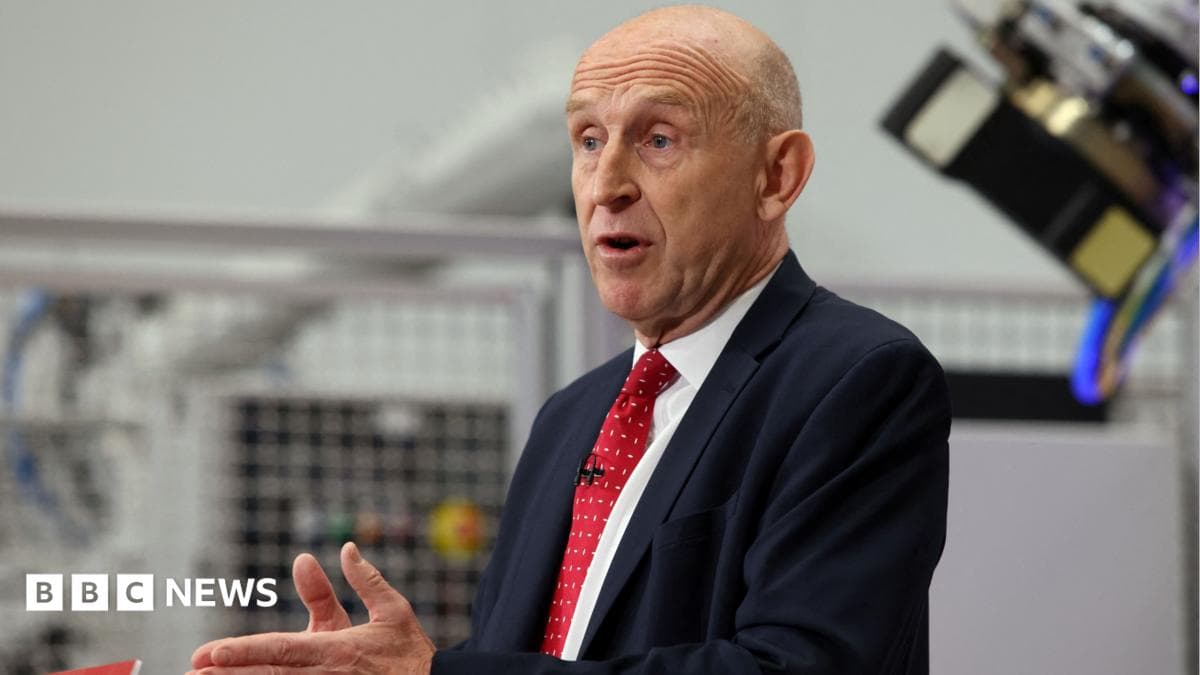
Chancellor of the Exchequer John Heeley has rejected calls from a number of Labour MPs to raise capital gains tax (CGT) when he presents his first budget next week. CGT is levied on profits from the sale of assets that have risen in value — for example, shares or property that is not one's main residence. As The Times reported, the decision followed warnings that raising the tax could end up costing the government more if wealthy people leave the country or delay selling assets. Heeley previously said he wants Britain to be a country of wealth creation and for government policy to boost confidence, investment and profit.
Split in the ruling party
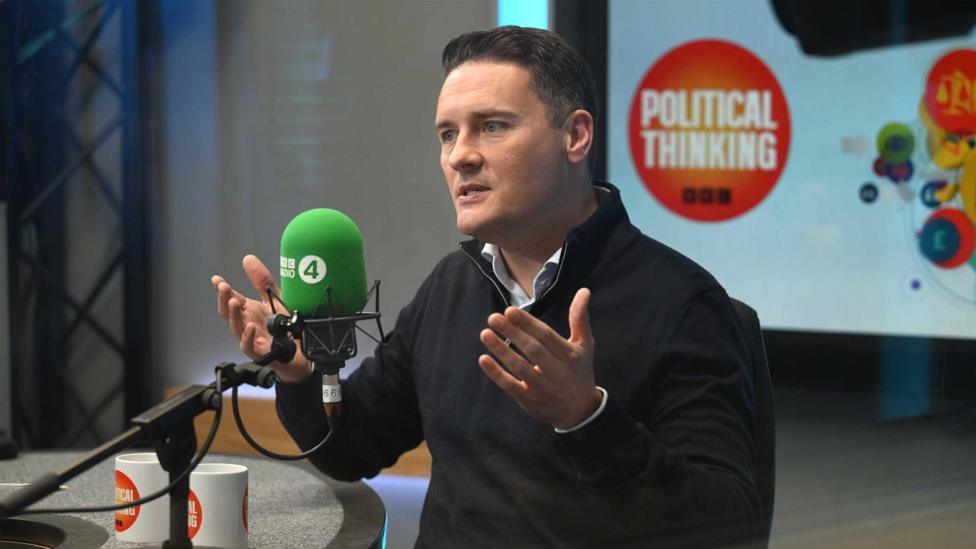
Before Andy Burnham became prime minister in July, cabinet ministers Wes Streeting and Louise Haigh had spoken in favour of raising CGT. Haigh, a close ally of the prime minister, had proposed bringing the capital gains tax rate closer to the income tax rate — before becoming the first secretary of state in Burnham's government. Streeting, now defence secretary, called in May for a 'wealth tax that works', shortly after former prime minister Sir Keir Starmer left the government. Influential figures in the Labour Party had pushed for equalising CGT and income tax, since the former is usually taxed at a lower rate.
Business warnings and the opposition's position
Burnham was also warned against raising the tax: his former adviser, Goldman Sachs chief economist Lord Jim O'Neill, believed it would send 'the wrong signal to business'. According to the Financial Times, Heeley has already ruled out aligning the rates of the two taxes. On Tuesday, Conservative leader Kemi Badenoch is expected, in a pre-budget speech, to call on the government to abandon its spending plans and reduce borrowing.
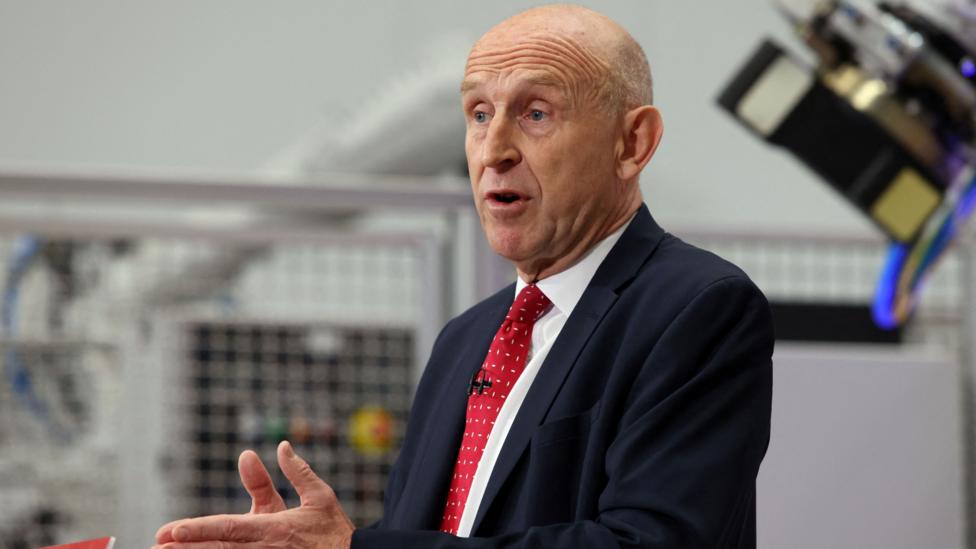 Image source, AFP via Getty Images
Chancellor John Healey says he wants to avoid an investor exodus from the UK