The key facts
- One-off £100 energy payment for homes in council tax bands A–D in England from January
- The minimum wage will rise by 3.9% in April: £13.21 an hour for workers aged 21+
- The plan to cut the cash Isa limit from £20,000 to £12,000 has been scrapped
A 'breathing space' amid rising energy bills
Chancellor John Healey has presented a budget which, he says, gives families a 'breathing space' amid rising prices: by forecast, annual energy bills in January could rise by around £300 and reach £2,000 or more for tariffs linked to the price cap set by regulator Ofgem. This is reported by BBC News.
Energy payments and the abolition of gas charges
Households in England in council tax bands A to D will receive a one-off 'Household Energy Payment' of £100 from January, funded by an additional tax on banks; the money will be paid directly into bank accounts. You can find out your band from your annual bill or on the government website, which after the announcement struggled to cope with the surge in traffic. The administrations of Scotland, Wales and Northern Ireland will receive equivalent funding and will decide for themselves whether to introduce a similar payment. The VAT reduction on electricity bills, introduced in October, is extended until July instead of April.
Standing charges and fuel
Fixed daily gas standing charges will be abolished in England, Scotland and Wales in 2027 'or as soon as possible thereafter', with their cost moved into the unit price of energy. According to Treasury calculations, 60% of households will gain an average of £45 a year, with the biggest gains for low consumers — but this will happen only after the forecast spike in bills in January. Heavy consumers, including large low-income families, will pay more than they do now. The 5p fuel duty cut, in force since 2022, is extended until July: the rate will remain 52p per litre. According to the BBC, diesel recently exceeded £2 per litre for the first time, and filling up a typical family car has become about £30 more expensive since late February.
Savings, wages and pensions
Healey scrapped his predecessor Rachel Reeves' plan to cut, from April 2027, the tax-advantaged cash Isa savings limit from £20,000 to £12,000 a year for people under 65; instead, a new 'Starter Isa' for beginner investors is planned. The minimum wage will rise by 3.9% from April: the National Living Wage for workers aged 21 and over will go up to £13.21 an hour (from £12.71), for 18–20-year-olds to £11.27, and for 16–17-year-olds and apprentices to £8.31. The BBC notes that this time the Labour manifesto promise to narrow the gap between rates for older and younger workers has not advanced. The state pension under the 'triple lock' will also rise by 3.9%: the new flat-rate pension will be £250.70 a week, the basic one £192.10. The previously introduced Pension Tax Allowance guarantees that pensioners with income up to the full new state pension will not pay income tax at least until 2030.
Housing, student loans and previously announced measures
For first-time buyers in England, the Your First Home scheme is confirmed: a loan of 20% of the value of a new-build home with a 2.5% deposit, while the First Time Buyer Isa is intended to replace the criticised Lifetime Isa. Student loan rates are unchanged — the repayment threshold for Plan 2 will remain at £29,385 for another three years, despite criticism of the freeze. Previously announced measures include the removal of tariffs on 100 products (savings of up to £21 a year), a 'taper' instead of full loss of benefits for carers (from 2030), two weeks of paternity leave for self-employed fathers, a permanent rate of 55p per mile for business trips, and the return of the £2 cap on bus fares in England from January for the whole of 2027.
 Image source, Getty Images
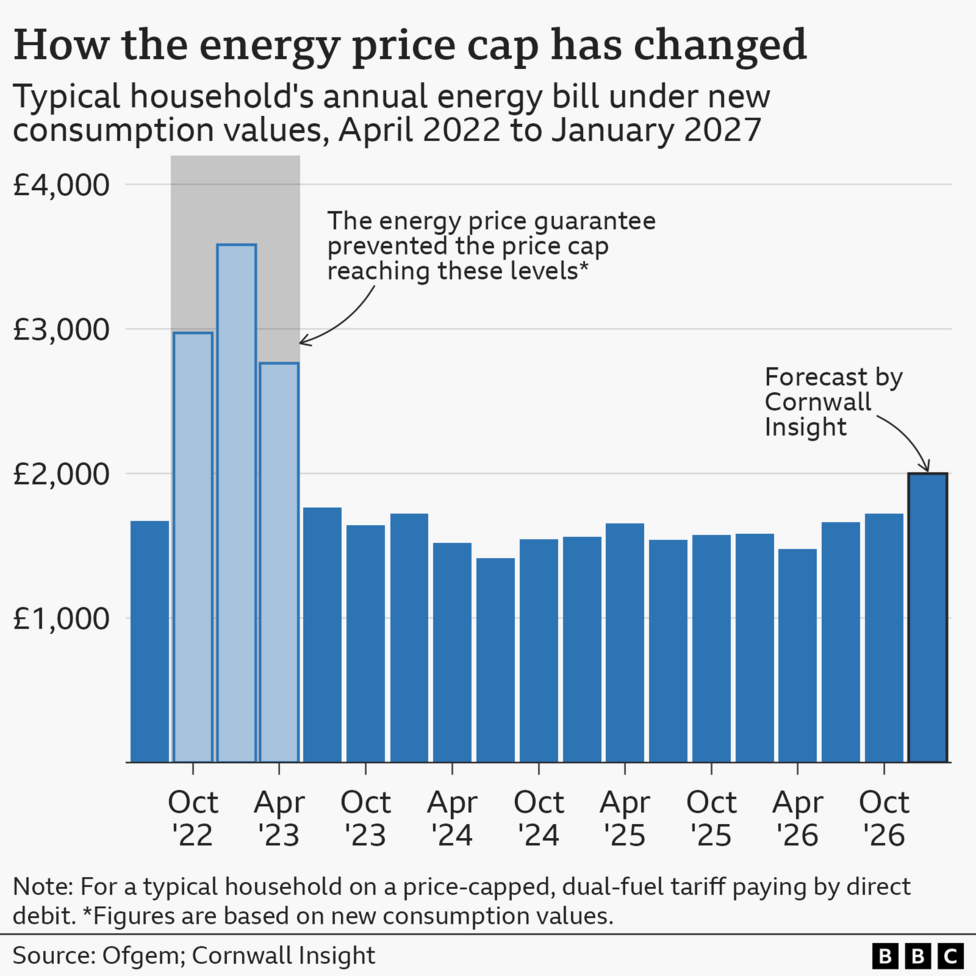
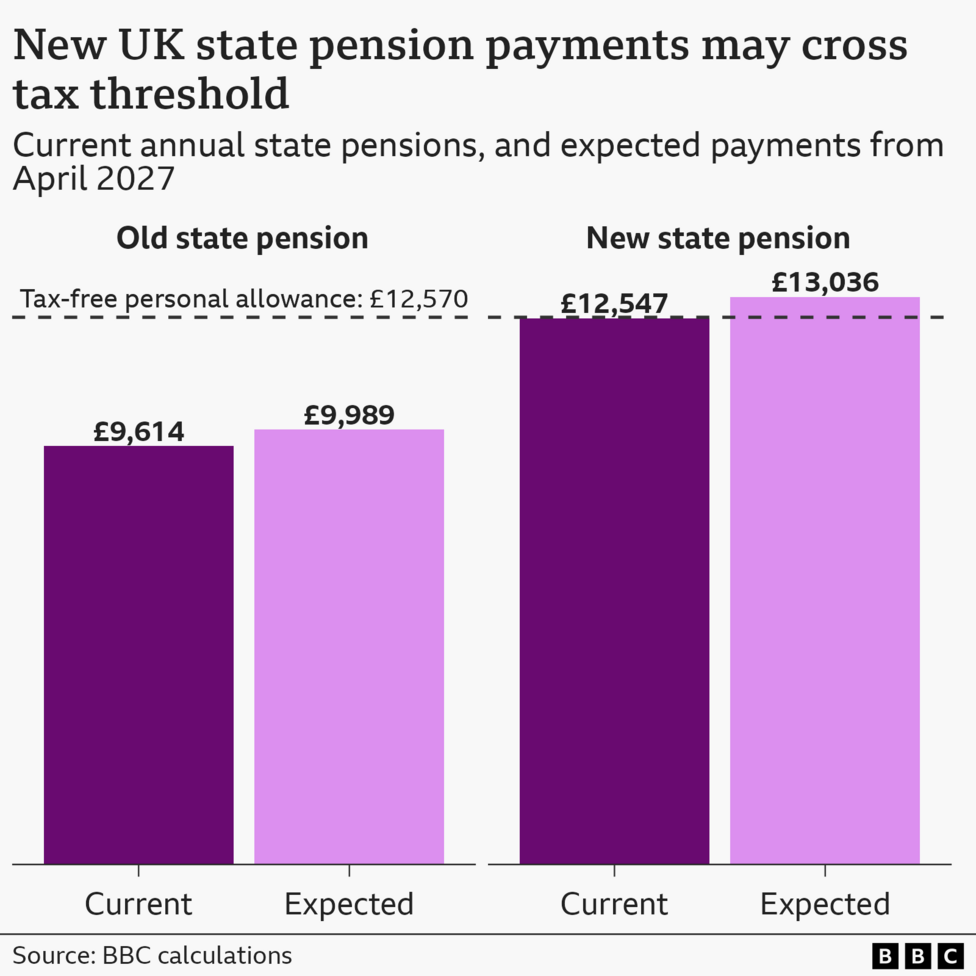
 Image source, Getty Images