The key facts
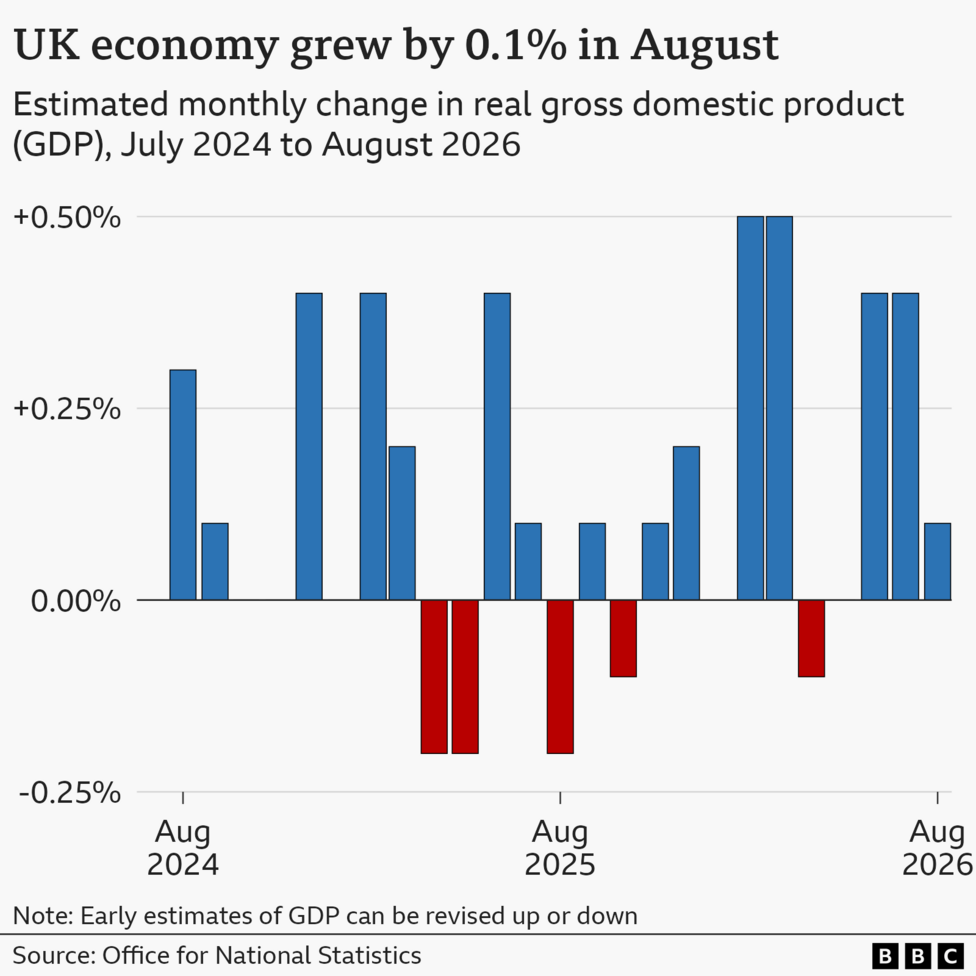
- UK GDP grew by 0.1% in August against a consensus forecast of a 0.1% fall; growth over the three months to August was 0.7%
- Chancellor John Healey called the figures a 'sign of resilience' and promised measures against the rising cost of living in the 28 October budget, without revealing details
- Assessments differ: the Conservatives point to construction shrinking for four months in a row, while the Liberal Democrats say 0.1% growth is 'nothing to celebrate'
Unexpected growth in August
The UK economy grew by 0.1% in August compared with the previous month, beating the analysts' consensus forecast of a 0.1% decline. The figure nevertheless slowed compared with growth of 0.4% in July. The ONS also raised its estimate of June growth from 0.3% to 0.4%. Over the three months ending in August, GDP grew by 0.7%. Liz McKeown, the ONS director of economic statistics, described growth over this period as 'solid' and noted that computer programming again made the largest contribution; manufacturing and construction, however, shrank over the three months. In August, the economy was supported by growth in the production sector, which includes manufacturing, oil and gas extraction, and energy supply; services, the largest part of the economy, remained flat, while construction contracted.
The government's reaction
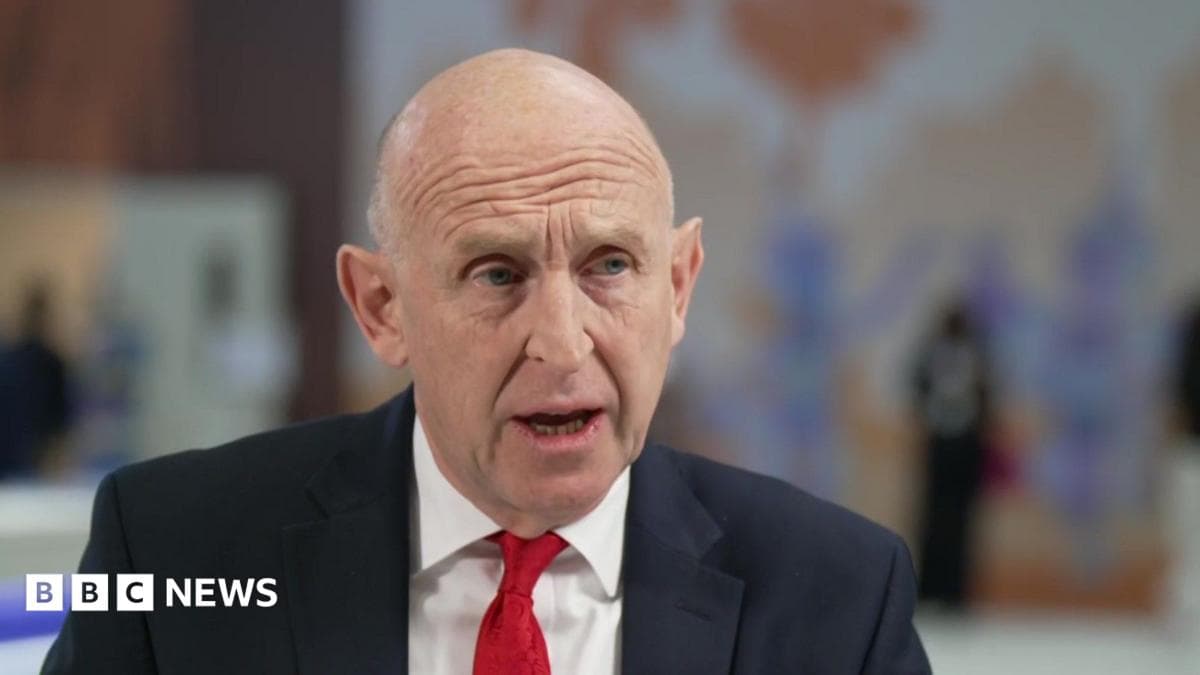
Chancellor John Healey called the figures 'a sign of resilience in the British economy that some did not expect' and linked the growth to the discipline that the IMF 'endorsed in the UK' this week in Bangkok. He told the BBC that 'in the face of global economic shocks, it is very hard' and promised to give people 'breathing room from the pressure of the cost of living and of doing business' in his first budget in two weeks, without revealing specific measures, but adding: 'where we can act, we will.' Healey stressed his commitment to fiscal discipline: spending must fit within the existing budget. He also said the budget would be tough and would not include inflation-indexed pay rises for public sector workers, despite calls from some experts and unions to give departments extra funds. In his words, the prime minister and he 'are acting in the same vein.' Earlier this week, the IMF raised its growth forecast for the UK, and managing director Kristalina Georgieva noted 'somewhat better growth prospects' than other G7 countries, praising the plans to reduce debt.
Analysts' views
Capital Economics chief economist Paul Dales said the economy had 'proved more resilient than we expected,' demonstrating 'remarkable resilience to high energy prices and borrowing costs,' but warned that expected inflation growth would restrain growth. PwC senior economist Jake Finney noted that AI infrastructure development supports the UK's relatively strong performance: the country lags the US in the scale of investment but is ahead of many European peers. Dales pointed to a 'divergence within the economy': business is feeling reasonably well, partly thanks to AI-related spending, while households are becoming more cautious. Samuel Edwards of Ebury noted in a client note that the IMF's gloomier 2027 forecast shows the UK is 'far from out of the danger zone,' and warned that rising energy prices due to the conflict around Iran could stoke inflation and force the Bank of England to raise rates, while the prospect of new taxes could make consumers cut spending and companies freeze investment.
Opposition criticism
The Conservatives said the growth figures 'hide worrying trends in key sectors' ahead of an important budget. Shadow chancellor Andrew Griffith said construction has been shrinking for the fourth month in a row, with private housebuilding falling fastest, and called on Healey to cut taxes and reduce bureaucracy. The Liberal Democrats: treasury spokesperson Daisy Cooper called the 0.1% growth 'nothing to celebrate,' saying the economy is 'stuck in first gear and barely crawling forward' while families struggle to make ends meet.
Budget context
Prime Minister Andy Burnham, who made easing the cost-of-living crisis a key priority of the Labour government, has set the stage for difficult decisions when presenting the budget on 28 October. Against the backdrop of accelerating inflation and government bond yields at multi-year highs, Healey promised strict budget discipline but did not specify whether new tax rises are planned to reduce debt. Analysts expect inflation to accelerate towards the end of the year as rising oil and gas prices are passed through into household bills amid the ongoing war in the Middle East. Healey also said that 'the impact of AI on the economy and productivity is only beginning to show,' calling the technology one with 'enormous potential as well as enormous risks,' and naming safe AI development with disclosure of its capabilities a priority.