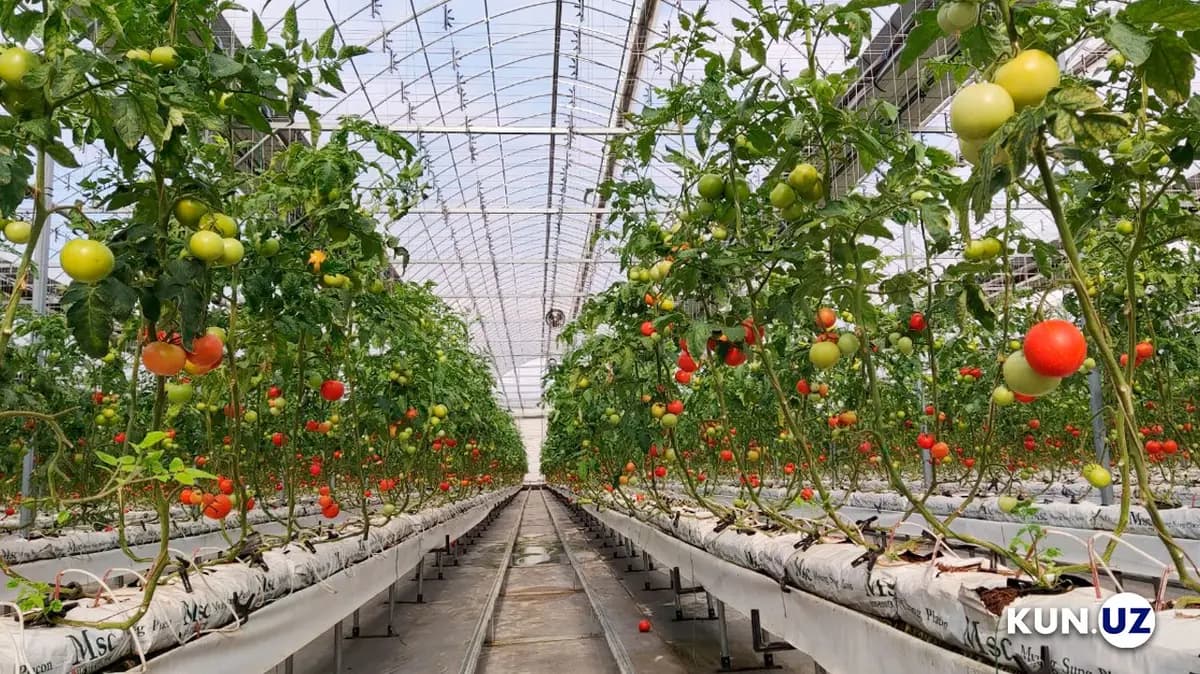
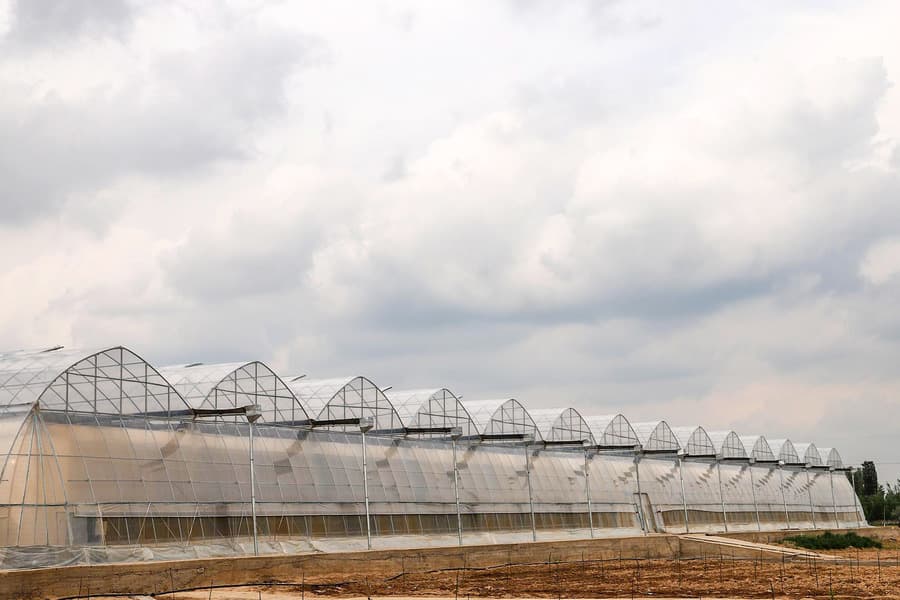
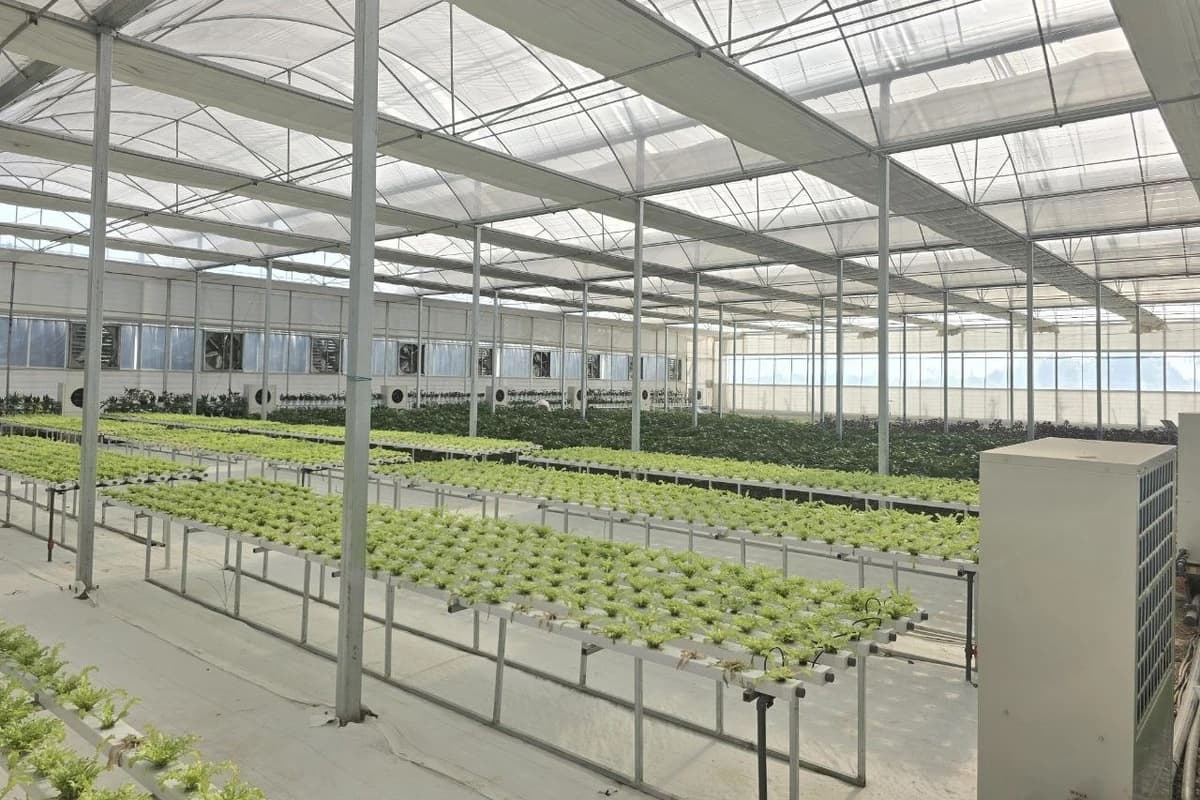
In Uzbekistan, starting November 1, a subsidy is being introduced for greenhouses that use the energy-saving «kyorpa» covering or efficient «green» heating systems. The support applies to electricity costs incurred from October to March.
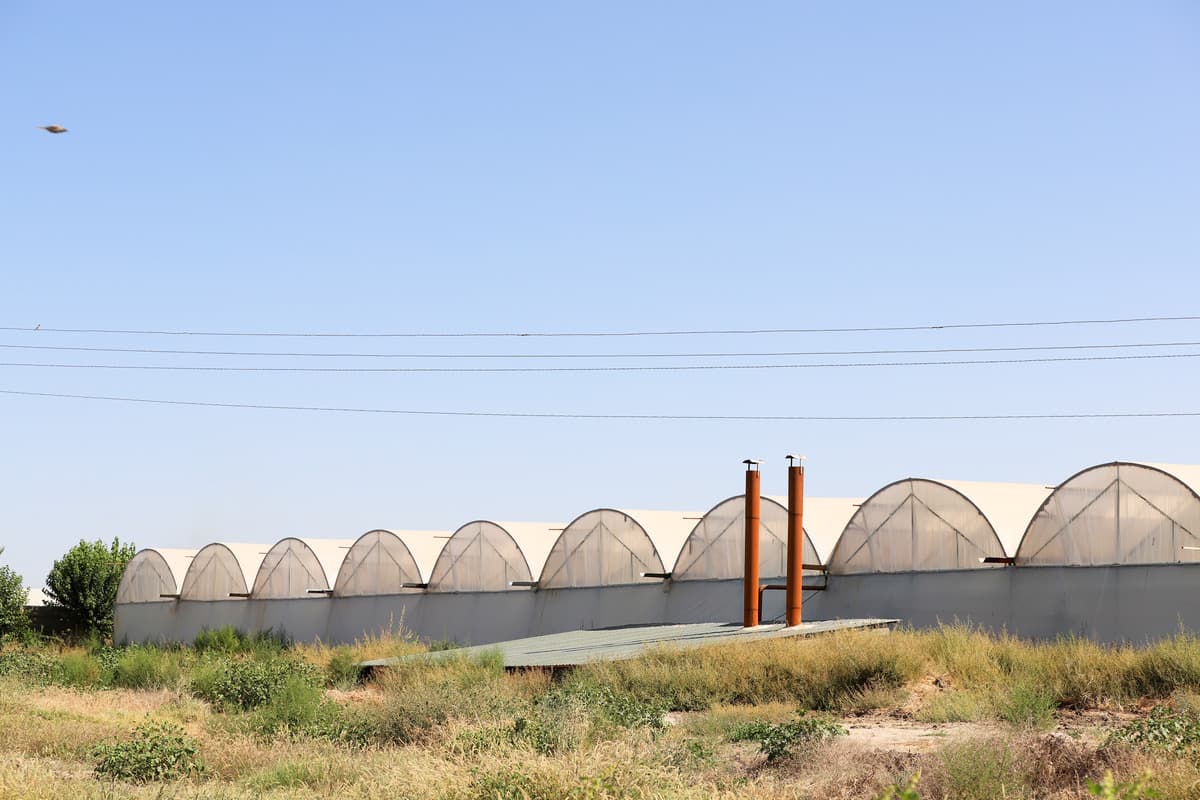
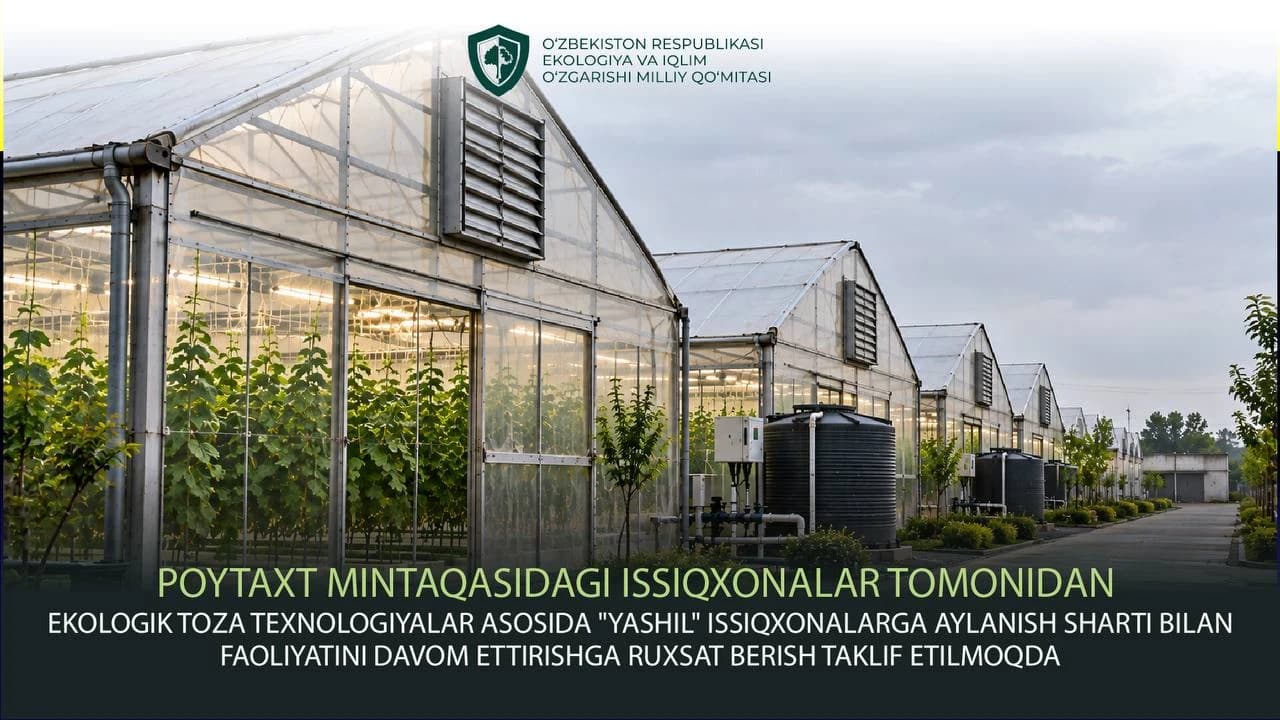
By Government Resolution No. 586 of October 22, 2026, Uzbekistan introduced a special ecological regime for greenhouse farms in Tashkent and five districts of Tashkent region. Heated greenhouses must use gas, electricity, geothermal and solar energy, or waste heat from thermal power plants; those operating on solid fuel must switch to these sources by December 1, 2026 or meet a number of strict requirements. Subsidies of up to 50 million soums per hectare, preferential loans and installment plans for CEMS stations are provided.
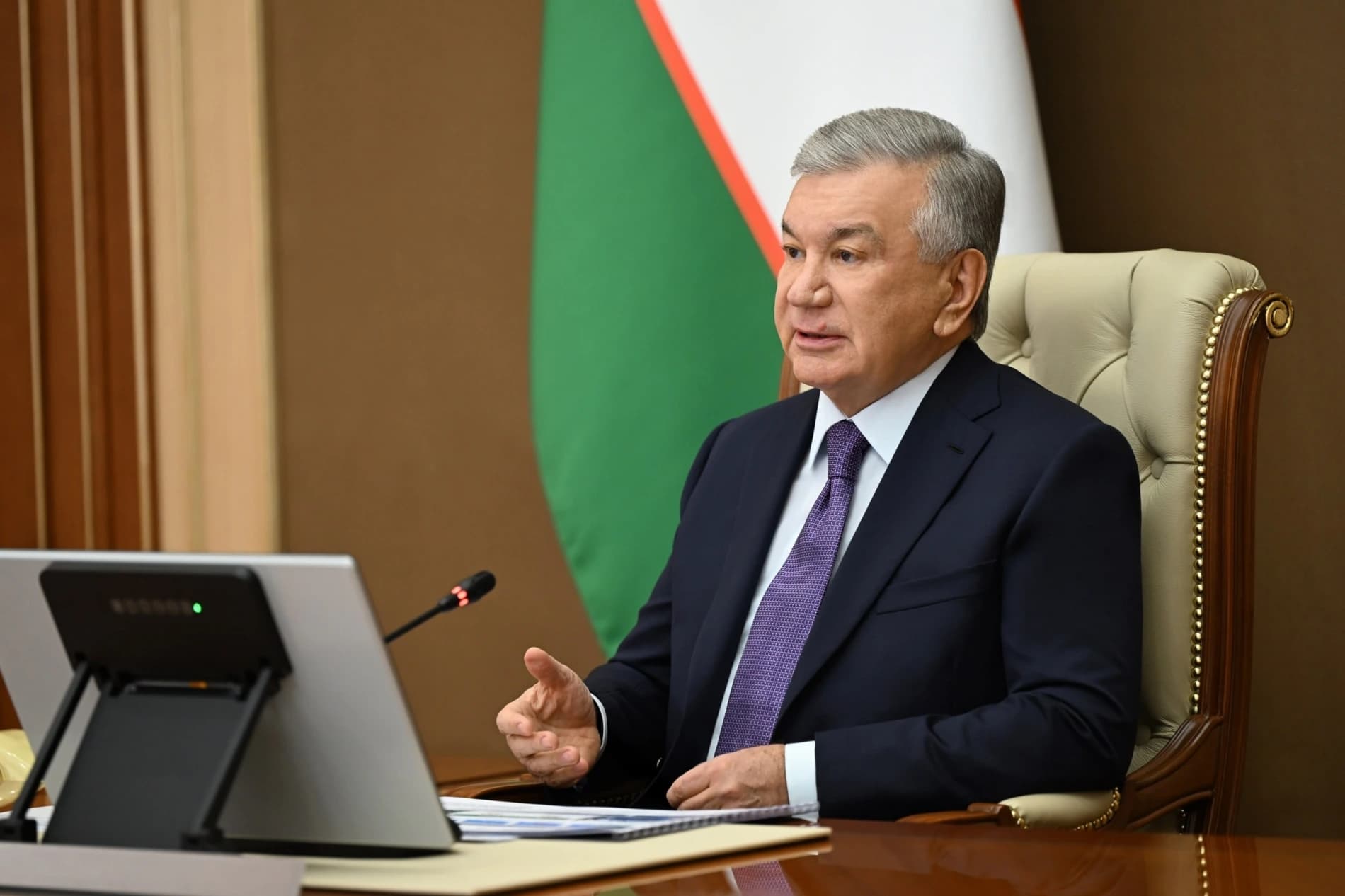
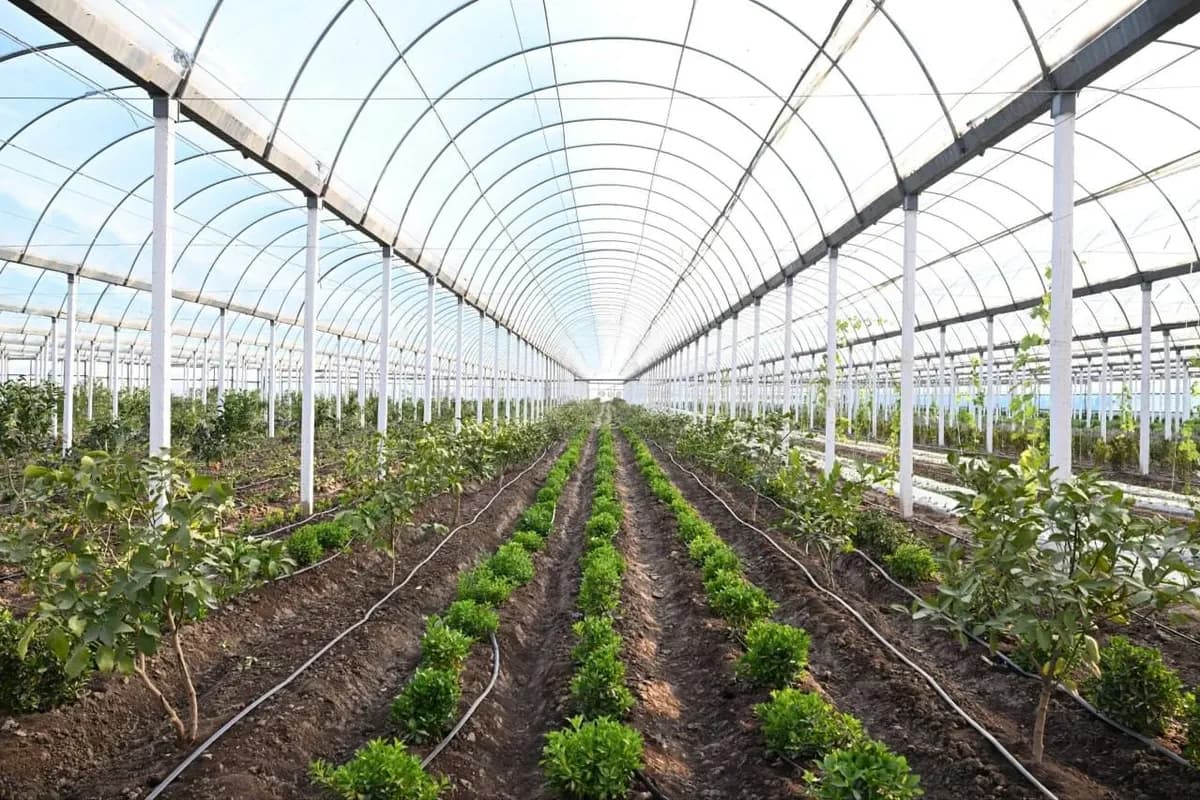
On October 20, President Shavkat Mirziyoyev reviewed a presentation on the development of intensive fish farming and the creation of energy-efficient lemon greenhouses. In the Balykchy district of the Andijan region, full-cycle fish farming complexes are planned to be created around 24 melioration wells, and greenhouses for growing lemons on 100 hectares near nine mahallas. By March 1, 2027, an inventory of more than 4,000 wells across the country has been ordered. Next year, greenhouse complexes are planned to be built in the regions
On October 13, the president of Uzbekistan signed resolution PQ-371 on the development of greenhouse farms based on “green” technologies. The document provides for zero VAT and profit tax rates, a reduced social tax, subsidies for electricity and equipment, as well as preferential loans for family entrepreneurship.
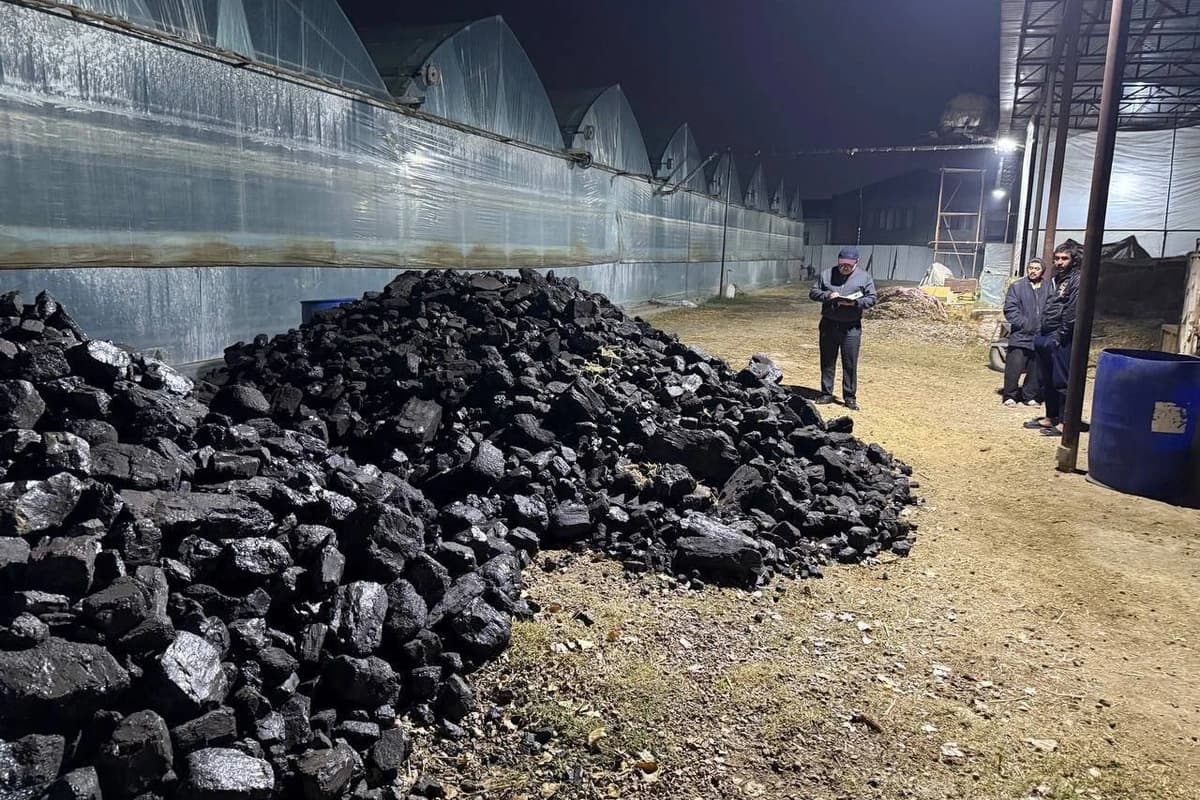
The Ecology Committee reported a rise in complaints from Tashkent residents about emissions from coal-fired greenhouses. Greenhouse owners declared their readiness to modernize their facilities and proposed switching to gas, electricity, geothermal and solar energy with online emissions monitoring.
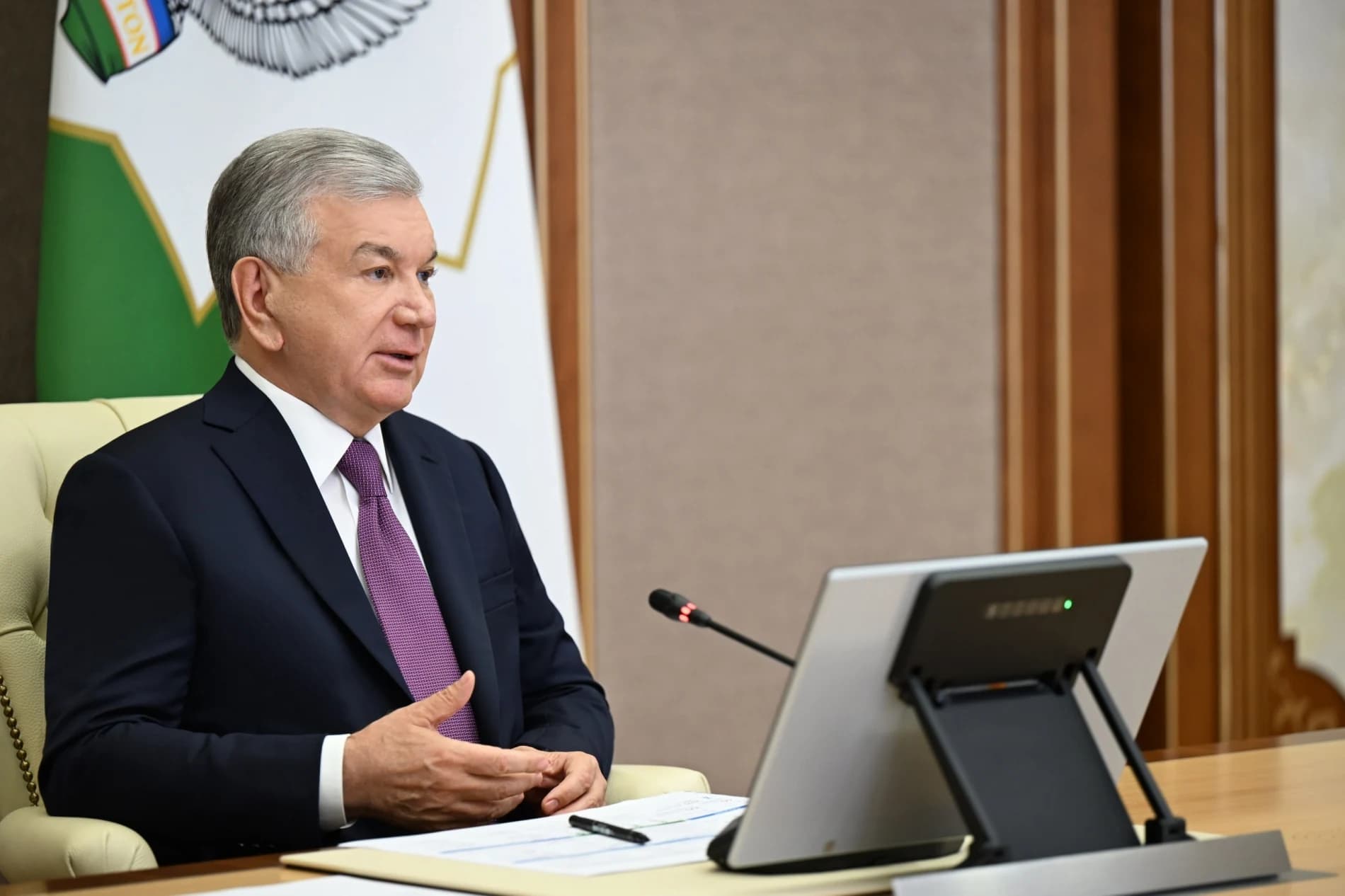
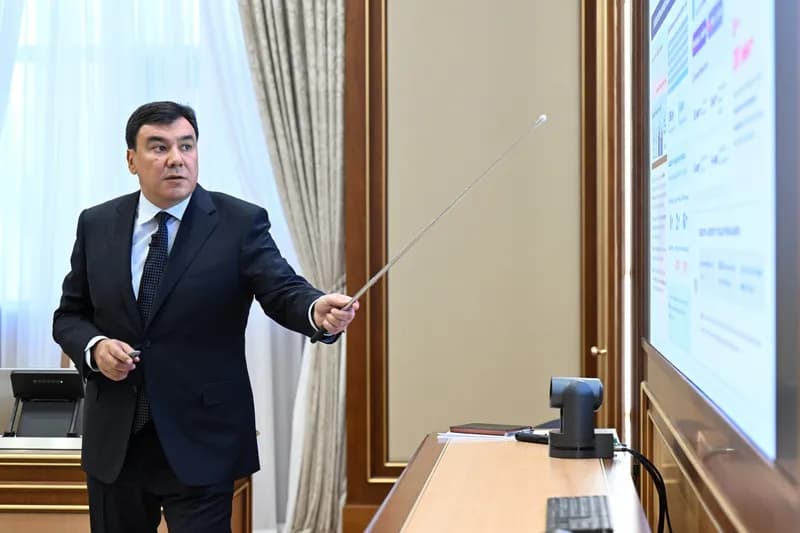
President Shavkat Mirziyoyev reviewed a presentation on introducing 'green' technologies in greenhouse farming. It is proposed that by 2030 land and property taxes for household greenhouses be reduced by 50%, they be exempt from turnover tax, half of electricity costs be compensated, and grants and preferential loans be allocated for modernization.
The National Committee on Ecology and Climate Change of Uzbekistan reported proposals from greenhouse operators in Tashkent and the Tashkent region to transition to 'greenhouses' using gas, electricity, and alternative energy sources; if not feasible, coal heating with filters would be permitted. Tests of filters based on Chinese technology conducted on September 30 and October 8 showed non-compliance with emission standards. Subsidies and tax incentives are being prepared for 'greenhouses,' while the ban on greenhouses without eco-friendly heating in the capital region will remain.
At a presentation to the President of Uzbekistan on 13 October, a proposal was made to introduce a special environmental regime for greenhouses in Tashkent and five adjacent districts: permitted heating sources, a transition away from solid fuel by 1 December, continuous emission monitoring from 15 October to 15 March, and financial support measures.
President Shavkat Mirziyoyev signed a resolution (PP-371) on October 13 on developing greenhouse farms based on “green” technologies. From November 1, 2026 to April 1, 2030, greenhouses with heat-saving coverings and energy-efficient heating will be subsidized 50% of the cost of electricity in October–March. Tax incentives, compensation for solar panels, and preferential Central Bank loans are also being introduced.
A special environmental regime for greenhouse farms has been proposed for Tashkent and five adjacent districts. Farms will be required to use cleaner energy sources, with emissions monitored including via drones. The measures were presented to President Shavkat Mirziyoyev. Burning tires, plastics, bitumen, fuel oil, used oils and waste is prohibited; solid-fuel greenhouses must switch to permitted energy sources by December 1. From October 15, 2026 to March 15, 2027, continuous environmental monitoring is planned, with data transmitted in real time to the National Ecology Committee. Subsidies of up to 50 million soums per hectare and preferential loans of up to 3 billion soums for seven years are proposed. A separate block concerns relocating greenhouses to Surkhandarya region, where 940 hectares have been allocated in the Surkhon-Agro free economic zone, with $100 million in investment targeted for 2027.