News

air quality

News about air quality: events, facts and developments on tafs uz.

18 stories

Abu Dhabi plant fined 15,000 dirhams for exceeding emission limits

The Environment Agency – Abu Dhabi (EAD) has fined a paper and plastics manufacturing company in the ICAD industrial zone 15,000 dirhams for worn-out silos, heavy emissions and failure to comply with air pollution control standards. The fine is a continuation of regular inspections under the emirate's strategy to improve air quality.

1 min read

Scientists explain why air quality deteriorates in Tashkent in winter

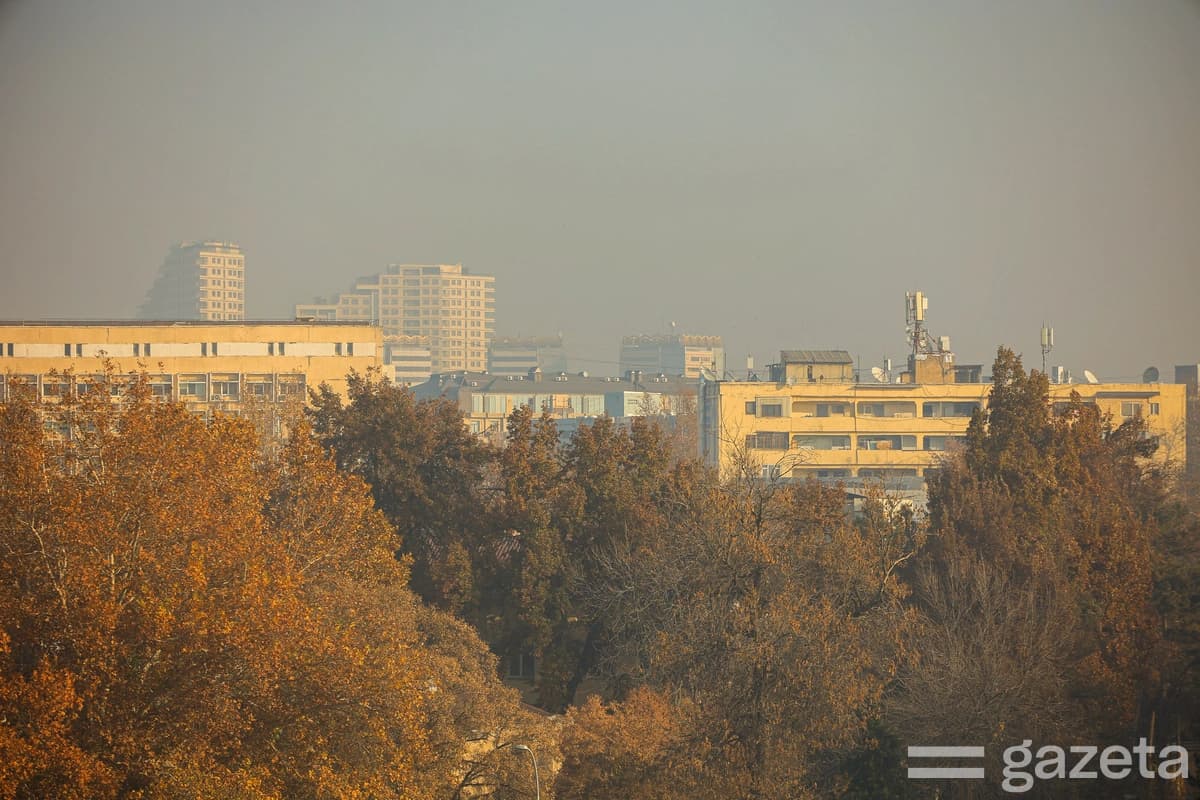
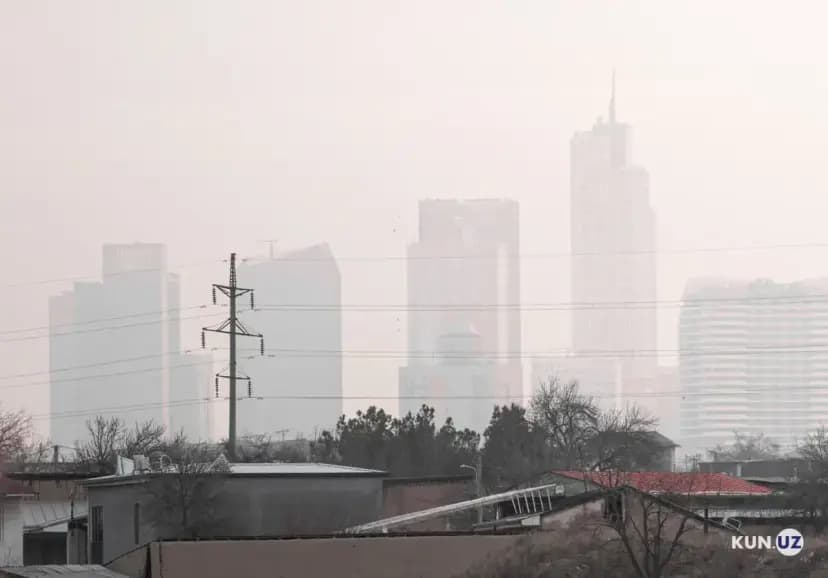
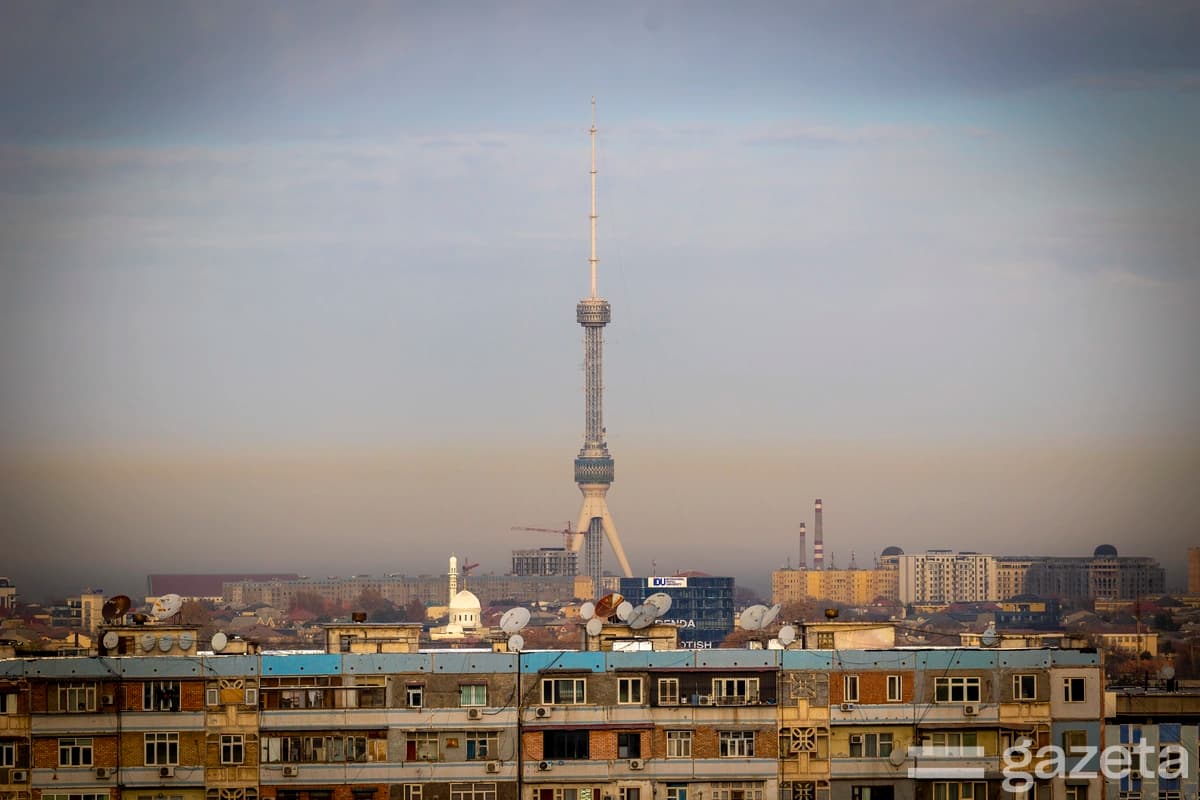
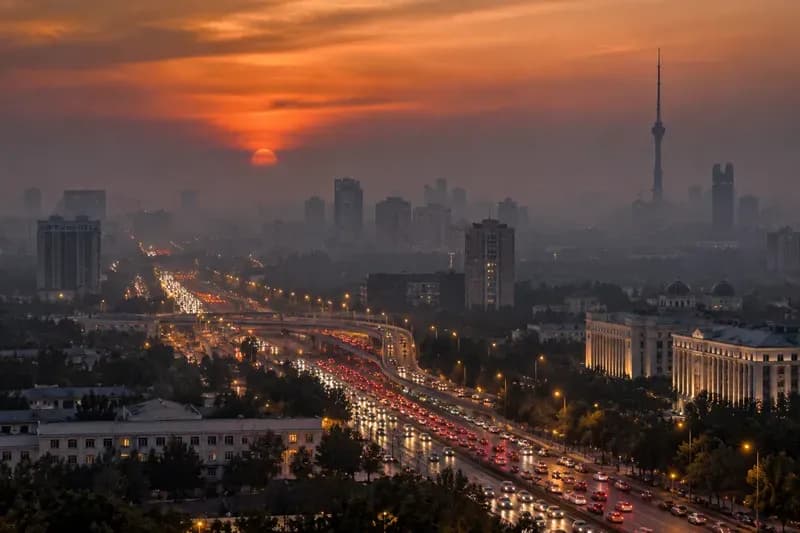
Specialists from the Hydrometeorological Research Institute and the National Committee for Ecology and Climate Change named the causes of seasonal air pollution in Tashkent: weakening winds, temperature inversions, anticyclones, and a precipitation deficit. A specialized atmospheric laboratory center has been established to identify pollution sources.

2 min read

Air quality sharply deteriorates in Tashkent and Central Asian cities: anticyclone, inversion and dust

On October 26, the air quality index exceeded 100 in six of the eight major cities of the region: Tashkent — 157, Bishkek — 160. Specialists of the Hydrometeorological Institute attribute the spike to a cold anticyclone, temperature inversion and natural dust, emphasizing that against the backdrop of annual dynamics this is a short-term phenomenon.

3 min read

Dust masses and lack of precipitation worsen air quality in Tashkent: what is known as of October 27

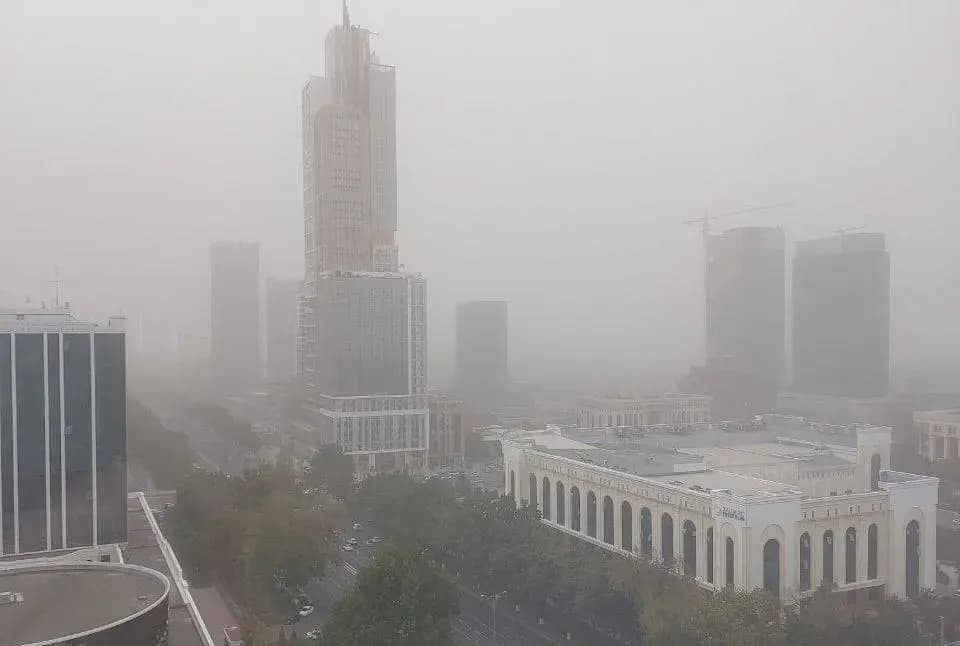
Authorities attribute the deterioration of air quality in Tashkent to large dust masses detected by satellites on October 25–26 and precipitation levels nearly six times below normal. On the evening of October 26, the AQI reached 155–195, indicating an ‘Unhealthy’ level. The Ecology Committee has issued warnings to construction organizations, industrial enterprises, and thermal power plants, while Uzhydromet anticipates elevated dust concentrations until November 1.

3 min read

In Tashkent, on the night of October 26, the air reached the 'unhealthy' and 'very unhealthy' levels on the AQI

On the night of October 25–26, air quality in Tashkent deteriorated due to a temperature inversion, a sharp cold snap, and weak wind: PM2.5 and PM10 concentrations rose, and at certain monitoring stations the international AQI reached the 'unhealthy' and 'very unhealthy' categories. The Meteosat satellite recorded dust suspended over the city from 00:00 to 08:00. Throughout Monday, the air is forecast to remain unhealthy.

3 min read

In Uzbekistan for the week of October 26 — November 1: first cold nights, then warming up to +22

According to a weekly review by climatologist Erkin Abdulakhatov for Gazeta, the start of the week in Uzbekistan will be under the influence of the southern edge of the Siberian anticyclone: nighttime frosts down to −2…−3 degrees in the north, daytime up to +20…+22. From Thursday the anticyclone will retreat, with precipitation possible in the mountains. Weakening winds may worsen air quality in Tashkent and the valley.

4 min read

Deterioration in air quality expected in Tashkent on the night of October 26

The National Committee for Ecology and Climate Change of Uzbekistan reported that on the night of October 25 to 26, due to unfavorable meteorological conditions, PM concentrations in Tashkent may rise: under the international AQI the air may become 'unhealthy', and under the national index — 'orange'. The causes cited are cooling, weak wind and a temperature inversion.

2 min read

On the night of October 24, air quality in Tashkent briefly deteriorated to the 'very unhealthy' level

On the night of October 23–24, air quality in Tashkent briefly deteriorated due to weather conditions — cooling, weak wind and a temperature inversion. According to the Special Commission, at most monitoring points the PM2.5 pollution level corresponded to the 'unhealthy' and 'very unhealthy' categories of the international AQI index, while the national index remained at the 'yellow' level. Improvement was expected during the day on October 24.

3 min read

Short-term deterioration of air quality expected in Tashkent on the night of October 24

According to the forecast of the National Committee for Ecology and Climate Change, on the night of October 24 in Tashkent, due to falling temperatures, weak wind and a strong temperature inversion, concentrations of PM2.5 and PM10 particles will rise. Under the international AQI index, the air may reach the 'unhealthy' level, while under the national index it is expected to remain at the 'yellow' level. Gradual improvement is expected from the morning.

2 min read

Deterioration of air quality expected in Tashkent on the night of October 21

Uzbekistan's National Committee for Ecology and Climate Change reported that in the evening of October 20, concentrations of PM2.5 and PM10 particles will rise in Tashkent. At night and in the morning, air quality is forecast at the level of 'unhealthy for sensitive groups' on the international AQI index and 'yellow' on the national one. The reasons cited are cooling to +9 degrees, weak wind and a strong temperature inversion. By the morning of October 21, as the inversion weakens, the air should return to the 'moderate' level.

1 min read

Air quality deteriorated in Tashkent overnight on October 16 due to temperature inversion

Overnight on October 16, air quality in Tashkent deteriorated due to unfavorable meteorological conditions and a temperature inversion: from 21:00 on October 15 the AQI index rose to a level unfavorable for sensitive groups, with the peak at 00:00. The temperature dropped to 11.8 degrees, and the wind was weak. On October 16 during the day, an average AQI level is expected, and the air is under constant monitoring by the Special Commission.

1 min read

Air quality in Tashkent may deteriorate to an unhealthy level in the evening

In Tashkent, air quality is expected to worsen on the evening of October 14. The pollution index may reach 100–150 points, which is considered an unhealthy level for sensitive groups of the population, according to the National Commission on Ecology and Climate Change. The highest concentration of pollutants is forecast between 22:00 and 23:00 in the northern and western parts of the city. The causes may be weak wind and temperature inversion, which cause pollutants to accumulate near the ground. People with respiratory illnesses and other sensitive groups are advised to limit prolonged outdoor stays and intense physical activity.

1 min read