The key facts
- On the night of October 30, air quality in Tashkent may be 'unhealthy' — the 'orange' level on the national index
- Cause: temperature inversion, weak wind, and cooling trap pollutants near the ground
- During the day, as temperature rises and vertical air exchange improves, the inversion will weaken and the air will become cleaner
Warning about the 'orange' level
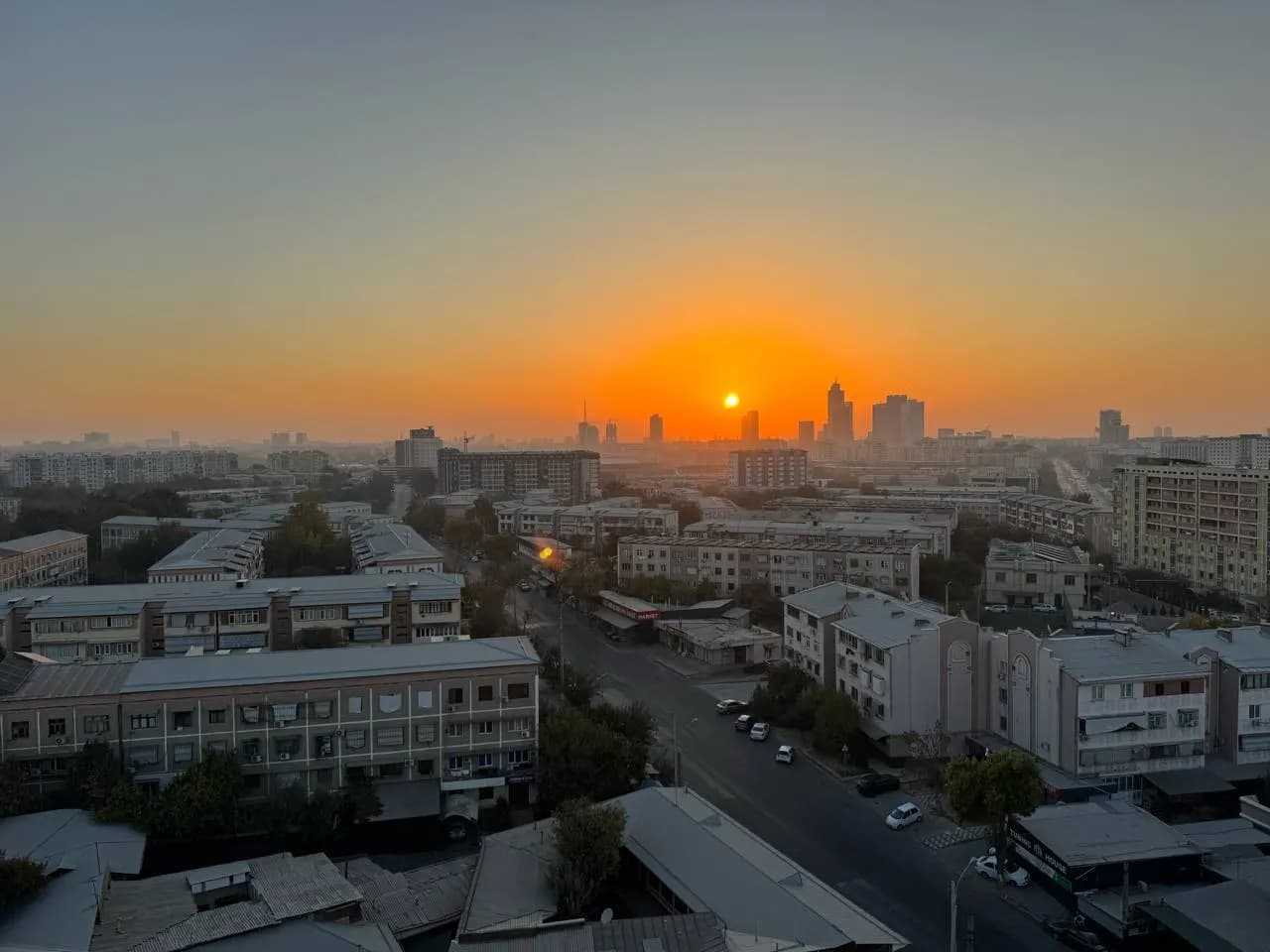
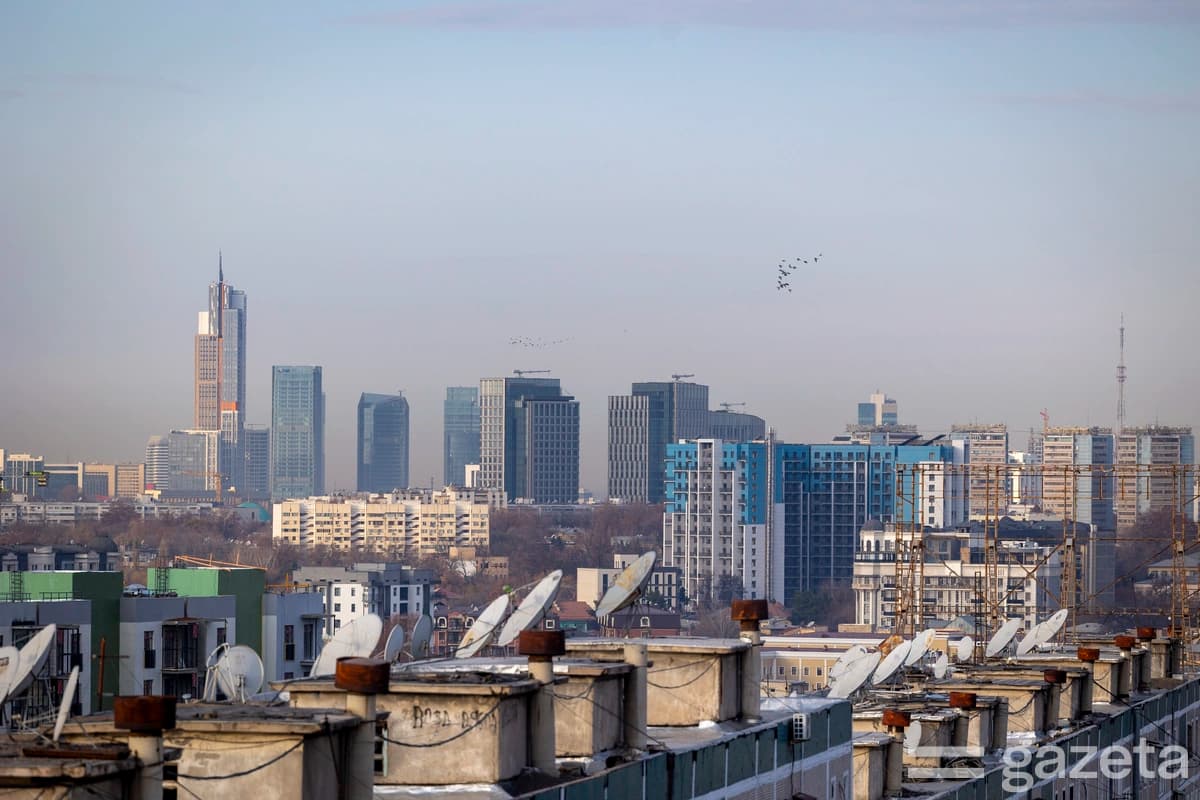
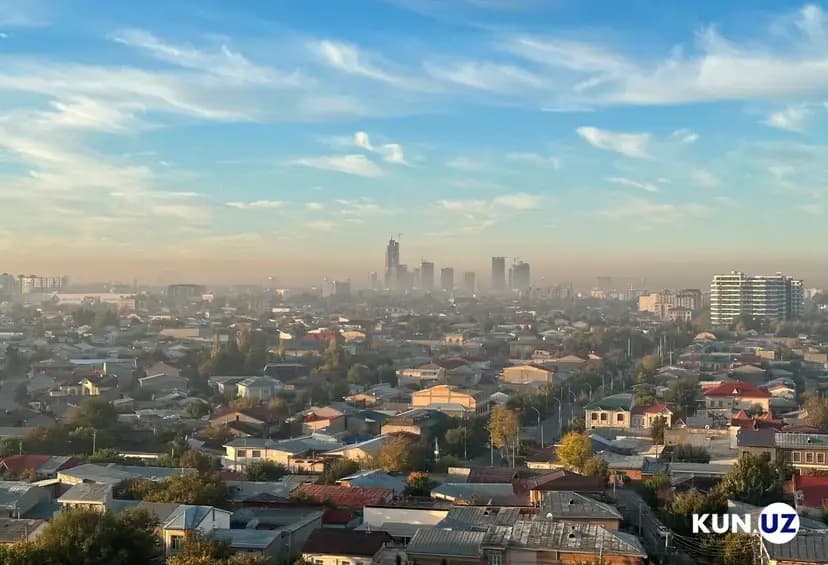
The Ecological Committee reported that on the night of October 29-30, air quality in Tashkent may change: during the night and morning hours it could become 'unhealthy' — at the 'orange' level on the national air quality index. Kun.uz reports this citing the committee's statement.
Why the air stagnates
According to the forecast, at night the air temperature drops, the wind is weak, and a strong temperature inversion restricts air exchange in the lower layers of the atmosphere. Under such conditions, weak winds slow the dispersion of emissions generated in neighboring districts and at local landfills, creating conditions for them to persist in the layer close to the ground surface. Prolonged retention of air masses around the city may further limit the spread of local pollutants.
Improvement expected during the day
During the day, according to the committee, as air temperature rises and vertical air exchange improves, the inversion will weaken and air quality should improve. Earlier, Uzhydromet warned that the atmospheric inversion in Tashkent may continue for another 10 days — meaning that deterioration during night and morning hours may recur even after October 30.