The key facts
- Atmospheric inversion is expected in Tashkent until November 1 amid warm weather without precipitation
- Uzhydromet admits a possible increase in the concentration of dust particles and other pollutants
- Actual air quality also depends on emission volumes and wind
The inversion will last until the end of the week
Uzhydromet reported on October 26 that relatively warm weather without precipitation is expected in Tashkent throughout the week: around +18…+20 degrees during the day and +8…+10 at night. According to the agency, due to the prevailing weather conditions, an atmospheric inversion will be observed in the city until November 1. This was reported by Gazeta and Kun.uz.
Risk of pollutant accumulation
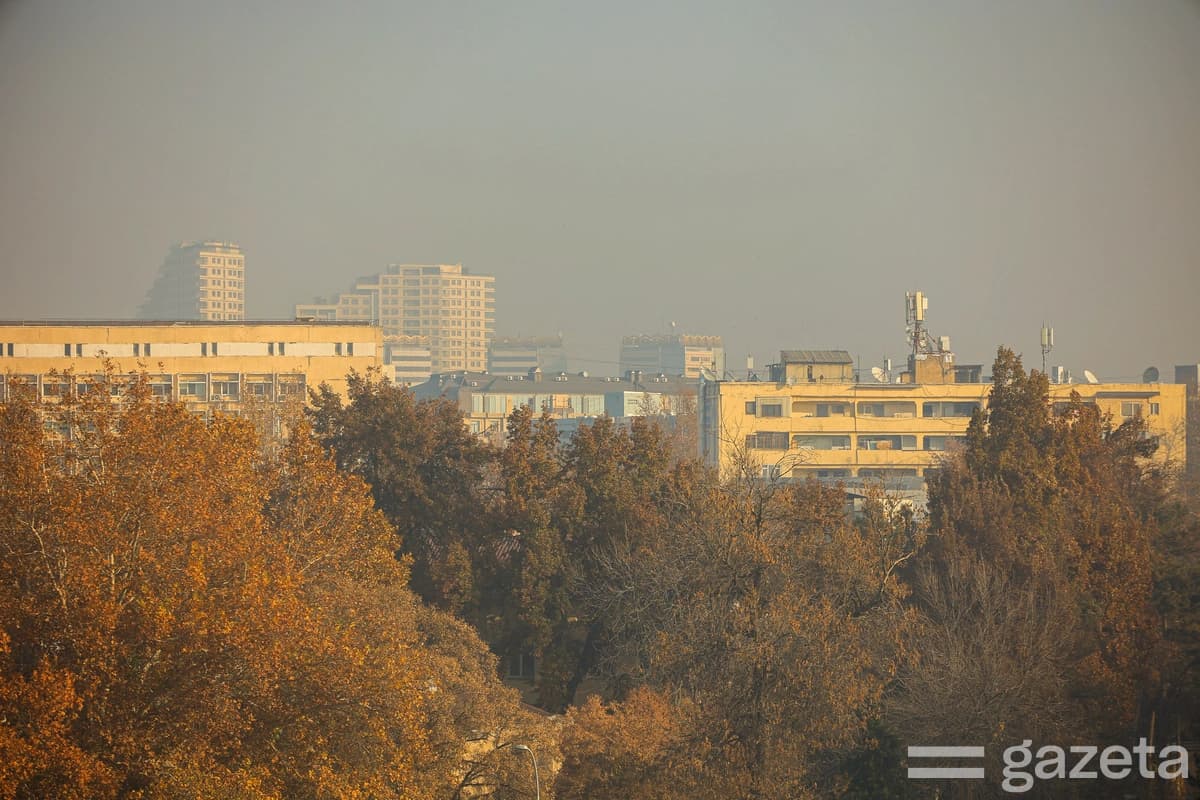
“The absence of precipitation, relatively weak wind, and inversion combined may slow down the process of natural self-purification of the atmosphere. As a result, until November 1 in Tashkent an increase in the concentration of dust particles and other pollutants is possible or their elevated levels may persist,” the Uzhydromet statement says, as quoted by Gazeta. Kun.uz cites the same information with reference to the Hydrometeorological Service.
What is atmospheric inversion
Atmospheric inversion is a meteorological phenomenon in which air temperature does not decrease with altitude, as is usually the case, but increases. A warmer layer forms above the cold surface layer, which limits the vertical mixing of air masses and can contribute to the accumulation of dust and other pollutants in the lower layers of the atmosphere. At the same time, Uzhydromet emphasized that the actual state of the air and its changes also depend on the volumes of pollutant emissions, as well as wind speed and direction.
Why this matters
The warning concerns all residents of Tashkent: during an inversion, pollutants accumulate precisely in the surface layer, where people breathe, so air quality may noticeably deteriorate in the coming days. In practical terms, this means that until November 1, city residents should rely on up-to-date air quality data, and the actual picture will be determined not only by the weather but also by the volume of emissions in the city, as Uzhydromet notes. The sources do not provide forecasts of specific pollution figures.