The key facts
- In the cold season, Tashkent more often experiences synoptic processes that weaken the wind — pollutants accumulate near the ground surface
- Temperature inversion and anticyclones hinder vertical mixing of the air
- As of October 26, Tashkent had received 3.9 mm of precipitation against a monthly norm of 23.7 mm — dust is washed away by rain less effectively
Why the cold season worsens the air
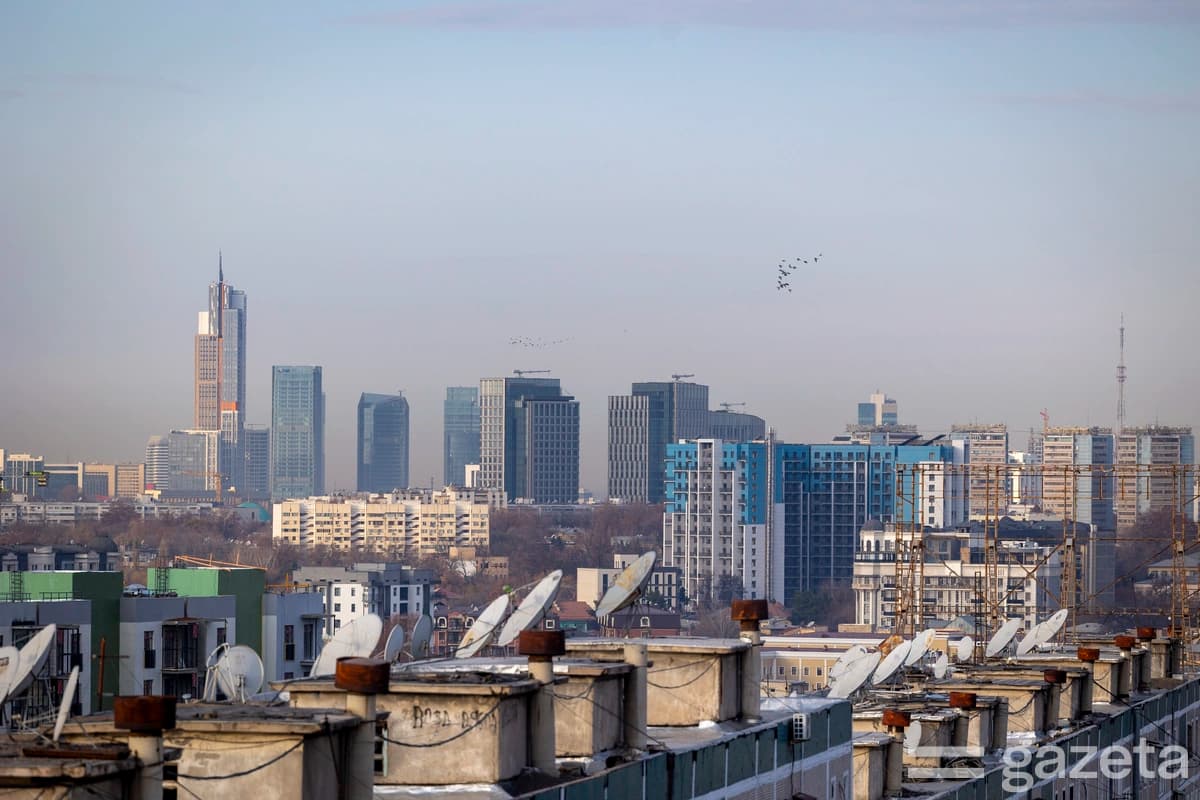
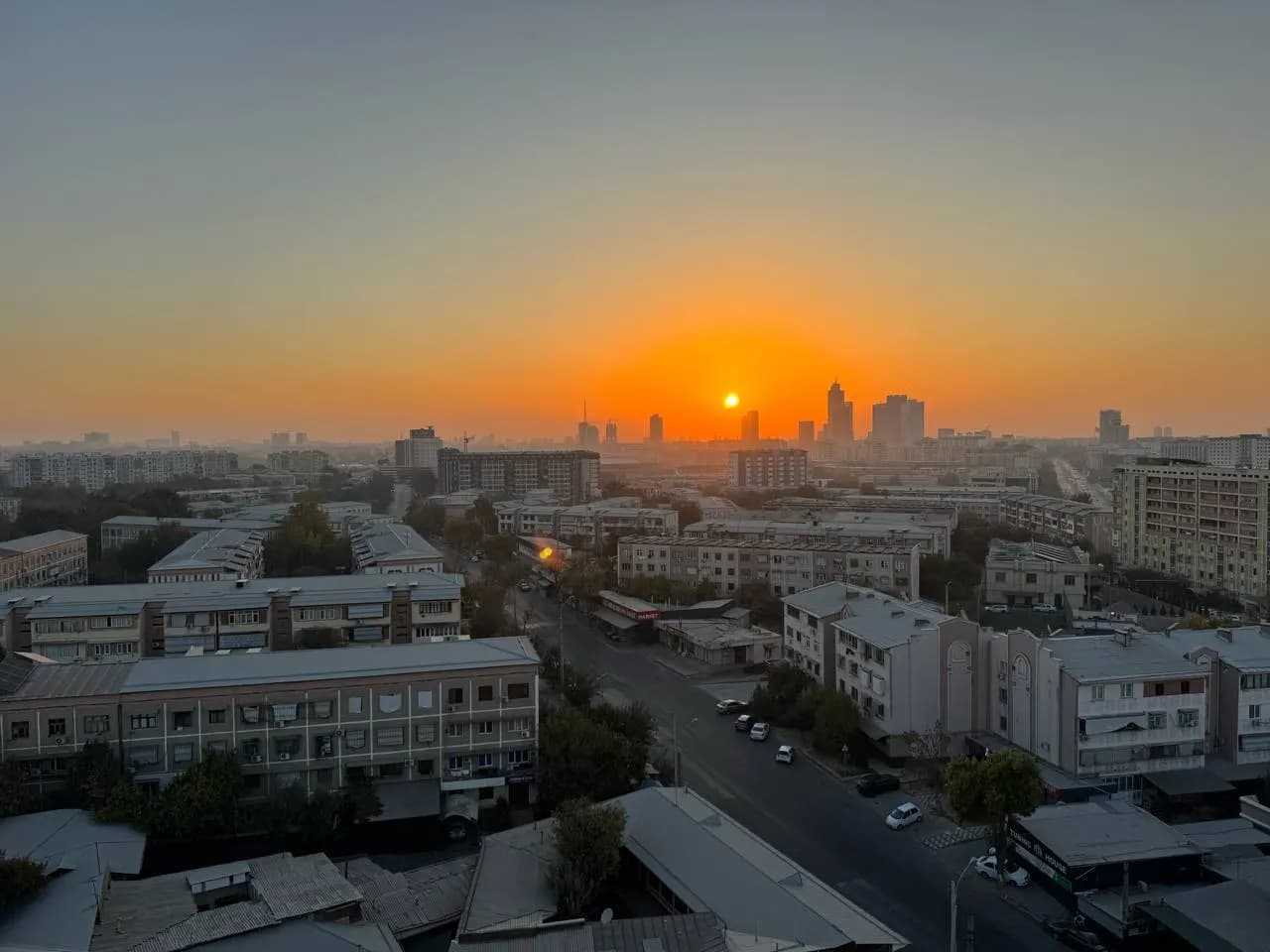
The deterioration of air quality in Tashkent during the cold season is primarily linked to meteorological conditions rather than only to emissions. As explained by the head of a department at the Hydrometeorological Research Institute, Doctor of Geographical Sciences, Professor Bakhtiyor Kholmatjonov, the intensity of pollution is affected by atmospheric circulation and the speed and direction of the wind. Tashkent is located in a foothill zone, so wind directions play an important role in the movement of air masses. In the cold half of the year, synoptic processes that weaken the wind are observed more often: as a result, pollutants do not have time to disperse quickly and accumulate in the layer close to the ground surface.
Inversion and anticyclones
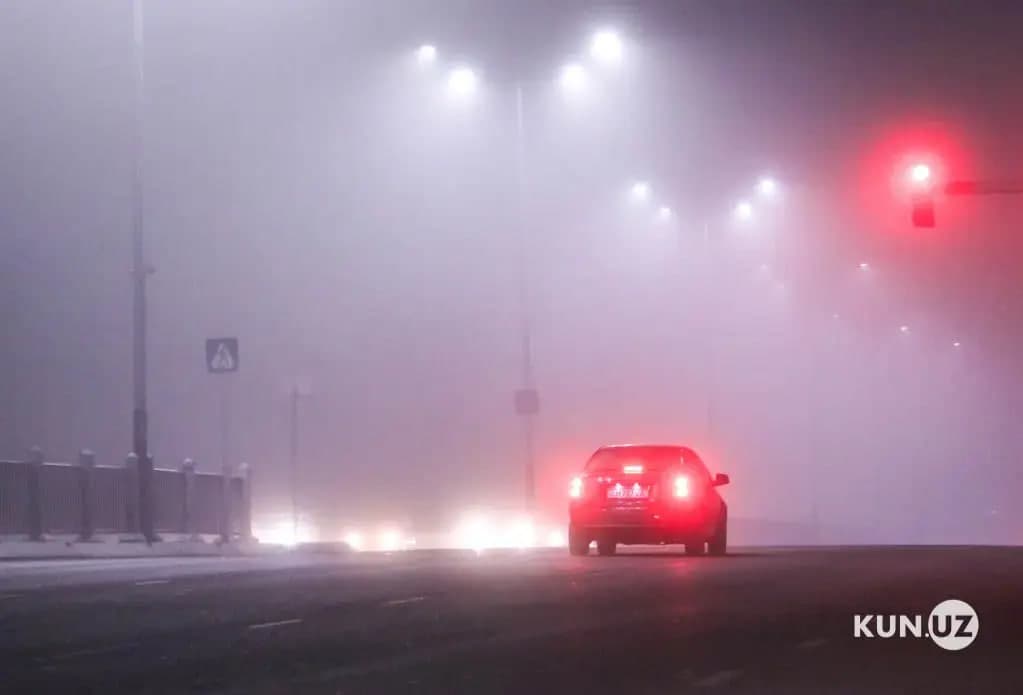
In winter, air purification is additionally hindered by temperature inversion: a cold layer of air near the ground surface ends up beneath a warmer one, which limits vertical mixing of the atmosphere. Anticyclonic processes and weak winds also slow the spread of pollutants.
Precipitation deficit
Natural factors and unfavorable weather conditions also affect air quality through a lack of precipitation. According to Farrukh Sattorov, Candidate of Technical Sciences and director of the National Center for Climate Change, as of October 26 of this year, 3.9 mm of precipitation had fallen in Tashkent, compared with a monthly norm of 23.7 mm. Due to the small amount of rain, dust particles are washed out of the air less effectively.
Studying pollution sources
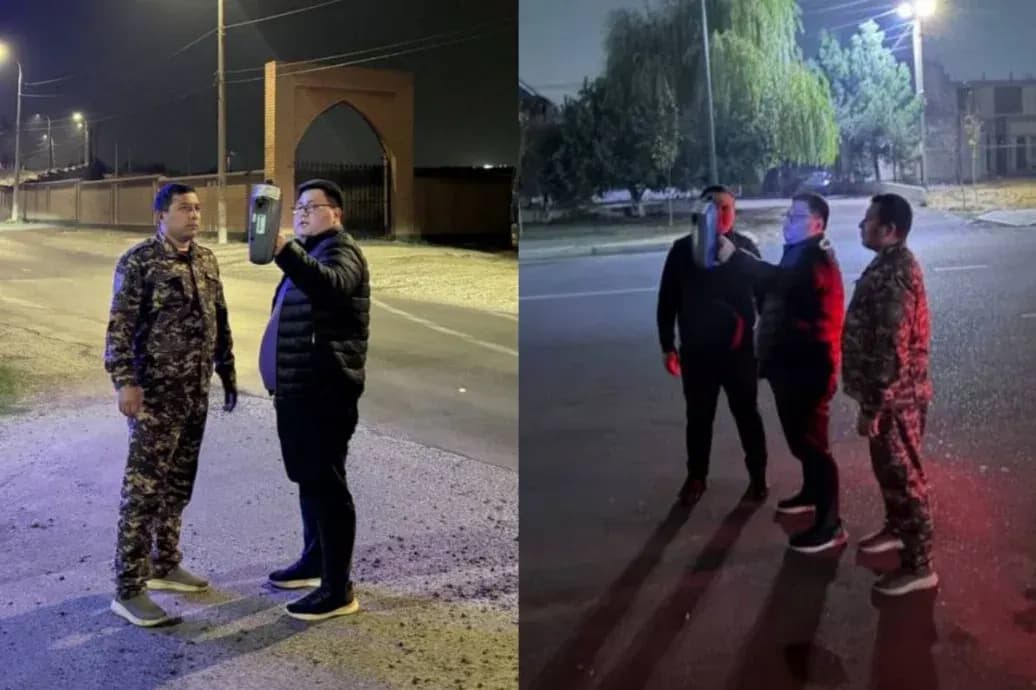
To determine the causes of air pollution, a specialized atmospheric laboratory center was established under the National Committee for Ecology and Climate Change by a presidential decree. Its head, Doctor of Technical Sciences Zikrilla Alimov, noted that modern equipment is being used to study the sources of pollutant emissions. Currently, air samples are being collected through special filters and analyzed in all districts of Tashkent; in the future, this practice is planned to be extended across the entire republic.