The key facts
- On October 26, the AQI exceeded 100 in 6 of 8 major Central Asian cities; in Tashkent the index rose from 93 to 164 in five days (+76%).
- According to laboratory data, about 40% of PM2.5 in Tashkent's air is natural dust, and 42.6% is combustion processes.
- From January to October 19, PM2.5 in Tashkent fell by 28% and PM10 by 32%: the spike is assessed as a short-term synoptic episode.
Simultaneous deterioration in six cities
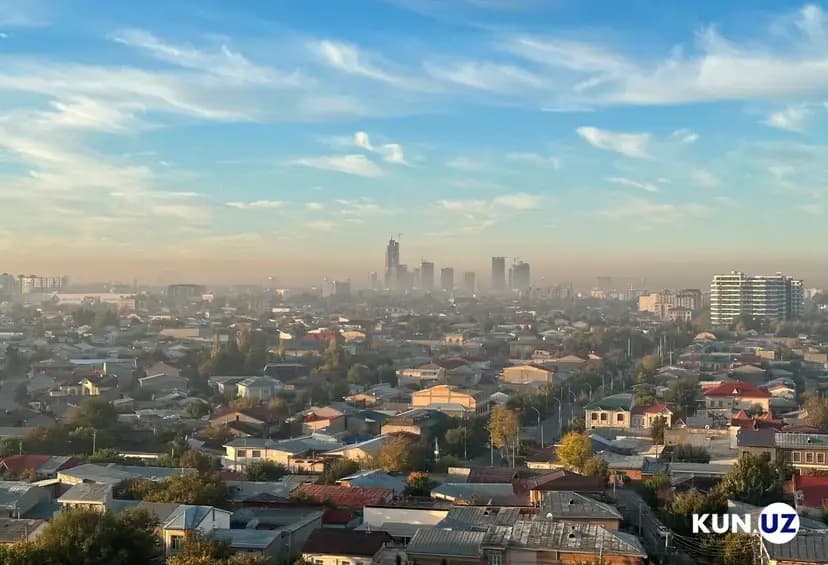
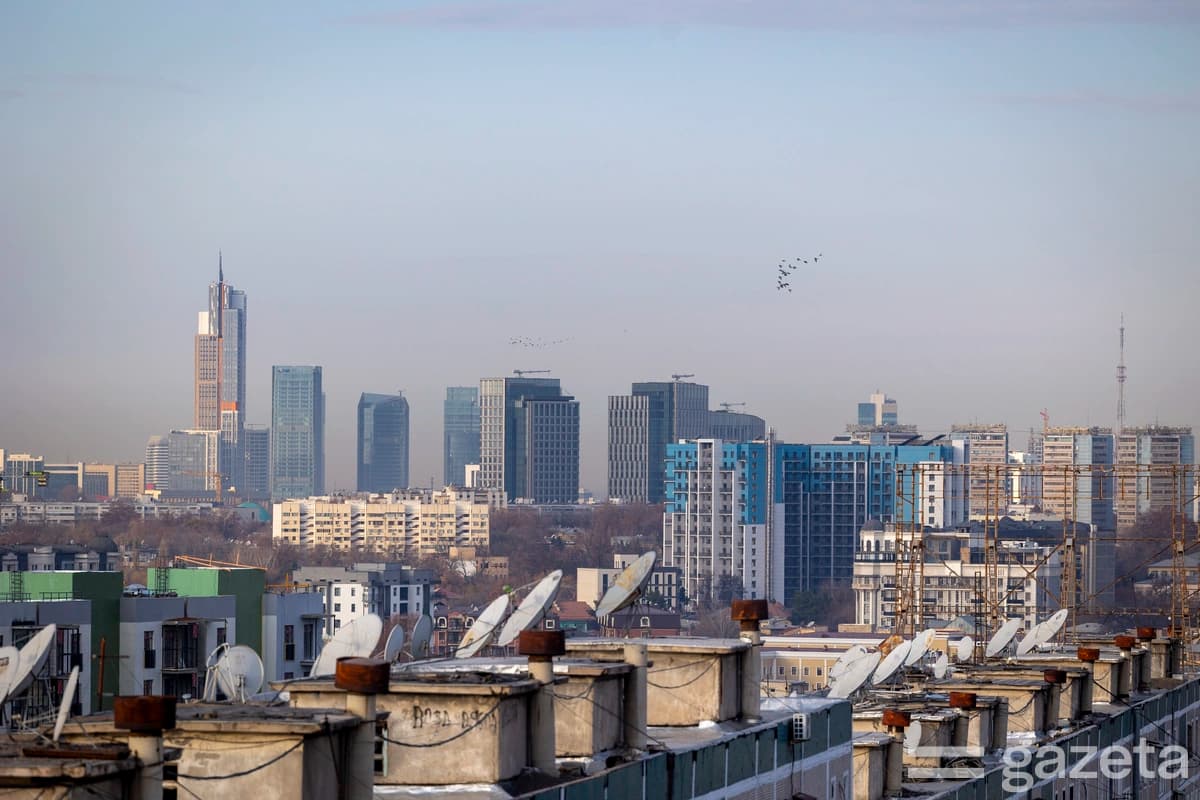
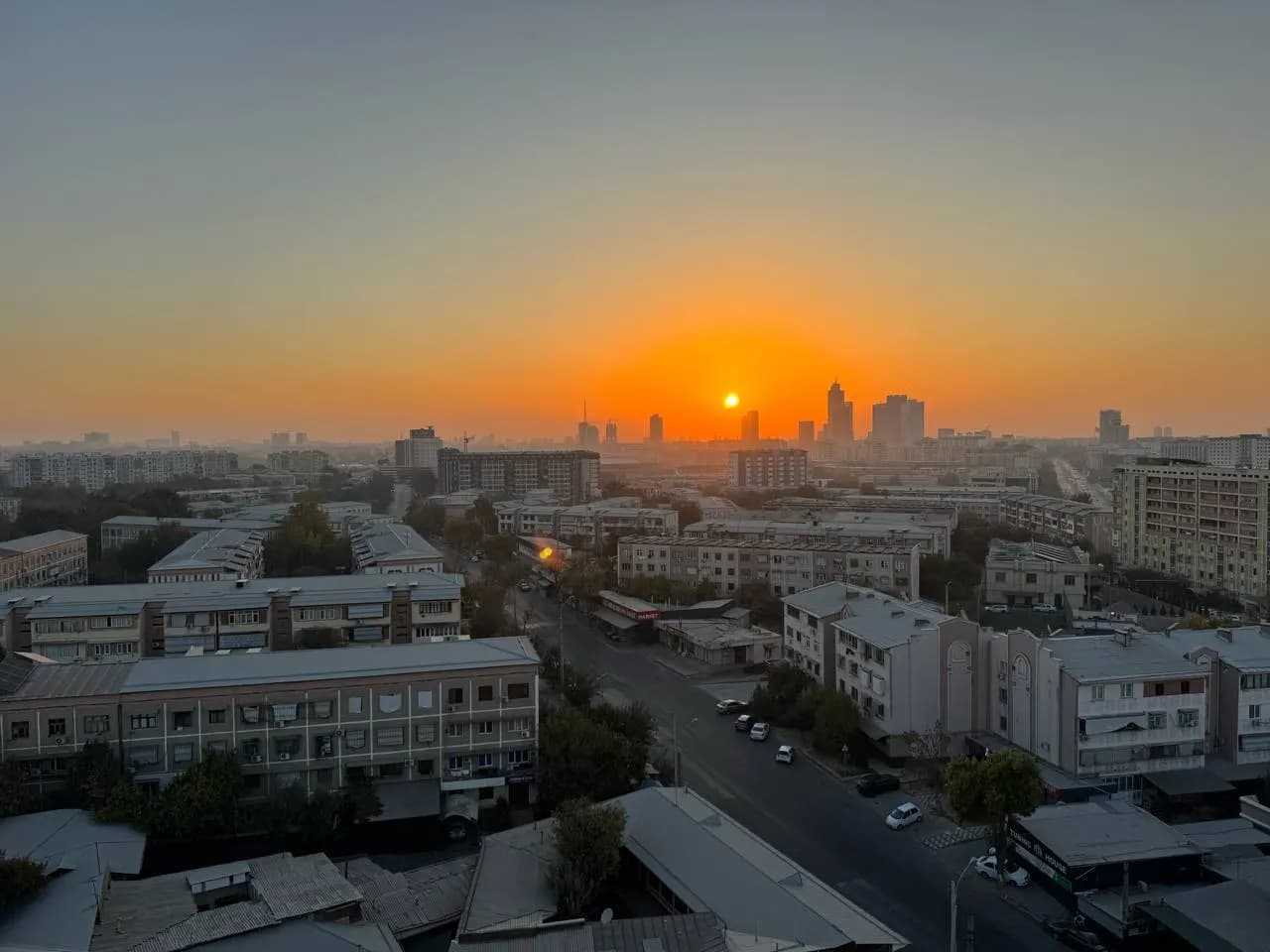
In recent days, air quality has sharply deteriorated in several major Central Asian cities at once, and Uzbek specialists have examined the situation in detail. According to the Hydrometeorological Research Institute under the National Committee for Ecology and Climate Change, on October 26 the air quality index (AQI) exceeded the threshold of 100 in six of the eight major cities in the region where monitoring is conducted: Bishkek — 160, Tashkent — 157, Shymkent — 149, Karaganda and Dushanbe — 134, Samarkand — 114. That same day, Bishkek ranked fourth in IQAir's global ranking of the most polluted cities. In Kazakhstan, the number of cities under adverse weather warnings grew from four on October 24 to ten by October 27.
Meteorology, not rising emissions
Erkin Abdullakhatov, a climatologist and head of a laboratory at the institute, explains the simultaneous deterioration in cities hundreds of kilometers apart by the regional nature of atmospheric processes rather than local sources alone. In the last ten days of October, a cold anticyclone with pressure up to 1045 hPa dominated the region; from October 19 to 25 there was no precipitation at all, and wind in Tashkent weakened at night to 0.6–1.2 m/s. On the Tashkent TV tower, a strong temperature inversion was recorded on the night of October 24–25: the upper layer was 4.2 °C warmer than the surface layer. The warm layer acts like a
What the sample analysis showed
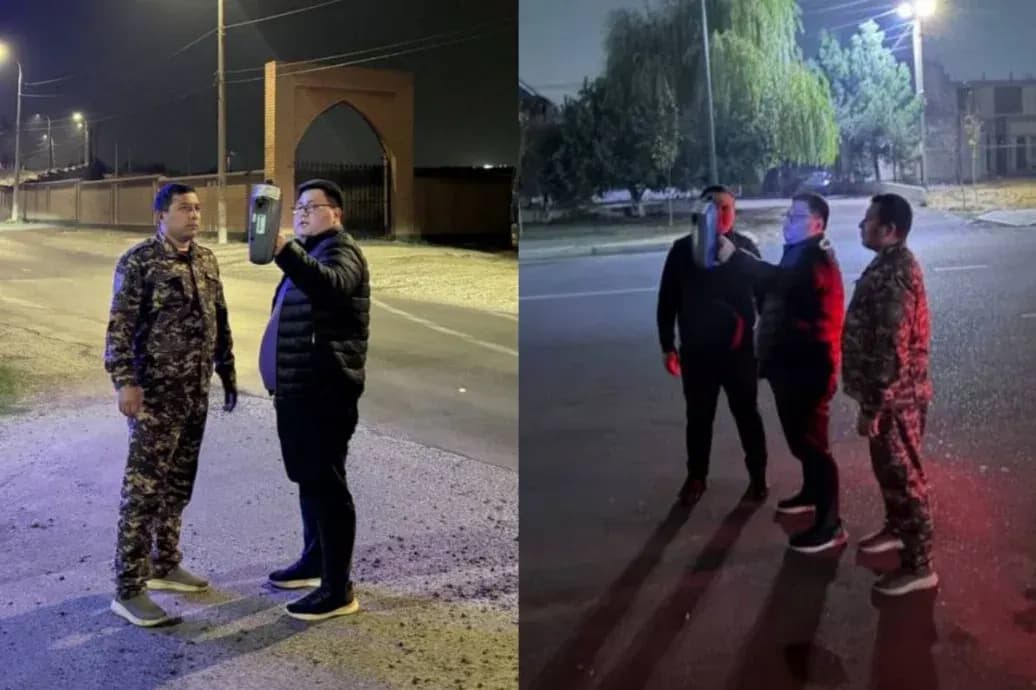
The index dynamics confirm the role of weather conditions: the daily average AQI in Tashkent rose from 93 on October 21 to 164 on October 26 — a 76% increase in five days, with the pollution peak occurring at night (an average of 119 at 23:00 versus 82 at 17:00 over the past month), which points to the inversion and a thinning mixing layer rather than daytime traffic. Laboratory analysis of PM2.5 samples taken October 12–16 from the Almazar, Yunusabad and Mirzo-Ulugbek districts showed that on average 39.7% of the composition was natural mineral dust (up to 52.2% on some days), 42.6% was combustion processes in transport, industry and energy, 6.8% was heavy metals from transport and metallurgy, and another 11.2% was components with an unidentified source. The share of natural dust in Tashkent's air is on average twice the global average for cities (about 40% versus 18%). HYSPLIT trajectory analysis showed that air masses arriving in Tashkent on the night of October 24 had traveled more than 1,000 km across desert territories of Kazakhstan and Uzbekistan.
A short-term episode against a backdrop of improvement
Both publications stress that the spike should be separated from the annual trend. From January to October 19, 2026, PM2.5 levels in Tashkent's air fell by 28% compared with the same period last year, and PM10 by 32%; the average October index improved from 124 to 104. The Committee for Ecology and Climate Change, whose analysis is cited by Zamon.uz, describes what is happening as a short-term synoptic episode against a backdrop of long-term improvement, not a sign that the problem has been solved. Specialists also link the increasing frequency of conditions for dust storms to climate change: rapid warming is being recorded in the region, and the Aralkum desert formed after the drying of the Aral Sea has increased annual dust emissions from 14 to 27 million tonnes. Proposed measures include regional data exchange between hydrometeorological services, early forecasting of inversions, reducing emissions from transport and boiler houses, controlling dust from construction sites, and greening; in Uzbekistan, 28 automatic monitoring stations with open data are already connected to the national platform.