
← Authors
Madina Usmonova
tafs uz · Science

Madina Usmonova

Madina Usmonova — tafs uz coverage of science. News, key facts and context in English, Uzbek and Russian.

Editorial pseudonym. These names are tafs uz editorial pseudonyms. Portraits are illustrations; profiles identify the publication’s topic bylines rather than individual journalists’ biographies. The tafs uz editorial desk is responsible for the publications.

Publisher · tafs uz →
News

Articles by this author

64 stories

Scientists Apply Transformer-Based AI to Assess Stroke Risk from DNA

A team from the University of Technology Sydney has created a transformer-based AI model — the technology underlying ChatGPT — that analyzes genetic variations and assesses the risk of ischemic stroke. The model identified 18 associated variants and, using data from more than 40,000 people, divided participants into risk levels: the high-risk group had a 21% higher risk of a first stroke than the low-risk group.

3 min read

Farmer Growing Cucumbers Helps Archaeologists Find Fragments of Giant Statues of Ramesses II in the Nile Delta

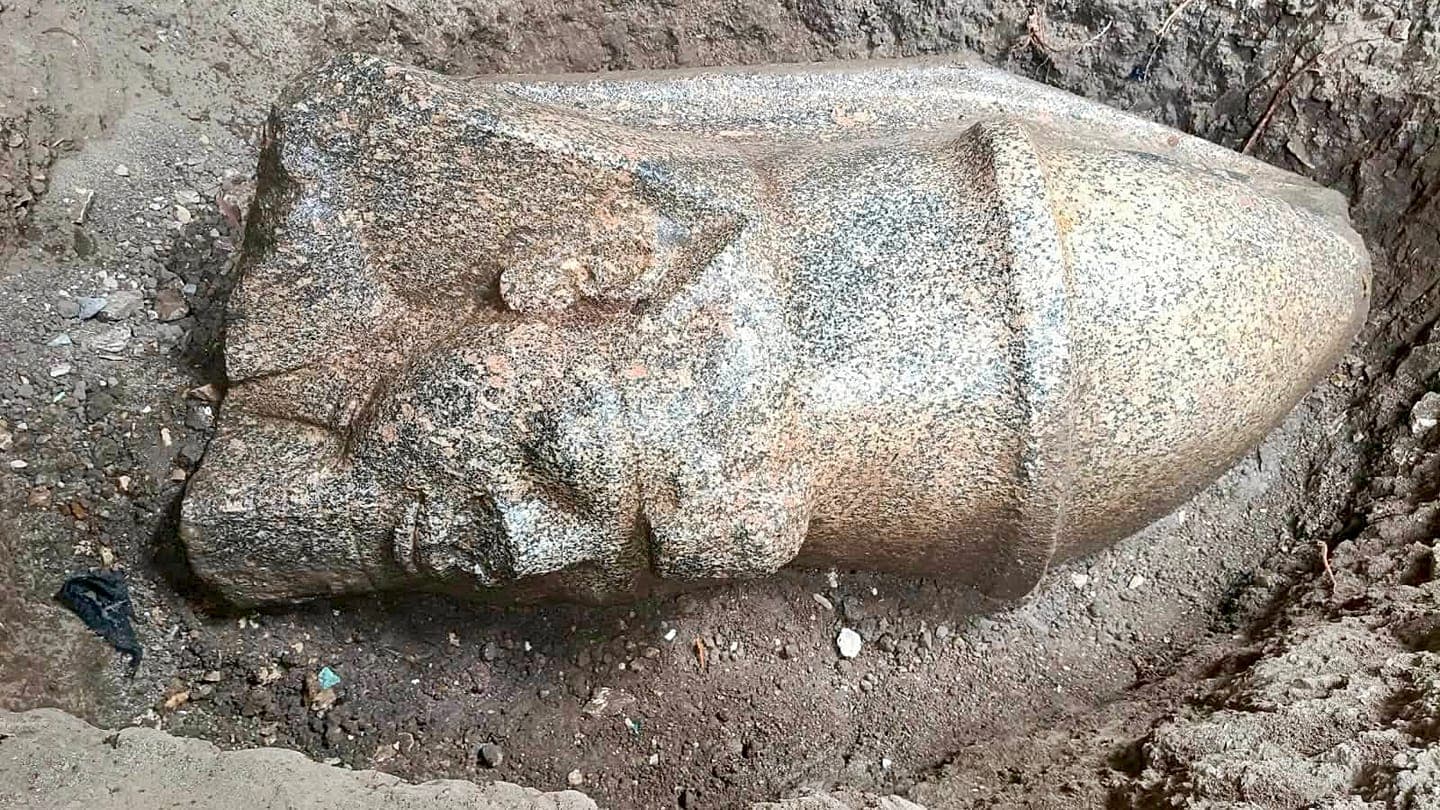
Egyptian farmer Khaled Khalil discovered a stone with ancient carvings on his plot in the village of Behbeit El-Hagar and reported it to the authorities. Rescue excavations by the Supreme Council of Antiquities uncovered a 1.6-meter-tall head of Ramesses II, a fragment of a second statue, and a granite block with hieroglyphs. The full height of the statue is estimated to have reached 8.5 meters.

3 min read

A 'Rain Garden' as Home Protection from Floods: Euronews Explains How It Works and How to Create One

After floods in Catalonia, Spain, that claimed at least two lives, Euronews explains 'rain gardens' — sunken flower beds with moisture-loving native plants that absorb surface runoff, filter pollutants, and protect basements and foundations. The outlet provides step-by-step recommendations on placement, construction, plant selection, and maintenance.

3 min read

Dissertation on the Role of Media in Implementing the State Language Law Defended at the University of Journalism of Uzbekistan

As part of State Language Week, a PhD dissertation by Shakhobiddin Musayev on the principles of media activity in implementing the law 'On the State Language' was defended at UzJMCU. The work analyzed the role of media in language policy and journalists' responsibility, and developed recommendations for raising the prestige of the Uzbek language.

1 min read

Skolkovo Opens a Longevity Research Laboratory

A longevity laboratory has been established at the Skolkovo management school's healthcare development center in Moscow. According to Vedomosti, it will study the impact of rising life expectancy on healthcare, markets, labor activity, and public policy. Maria Vorontsova spoke about the limits of science in extending life and mentioned a 30 million ruble grant, while the WSJ previously reported on a $26 billion anti-aging program.

2 min read

Nearly Half of the World's Reef-Building Corals Are Threatened with Extinction — Study in Nature

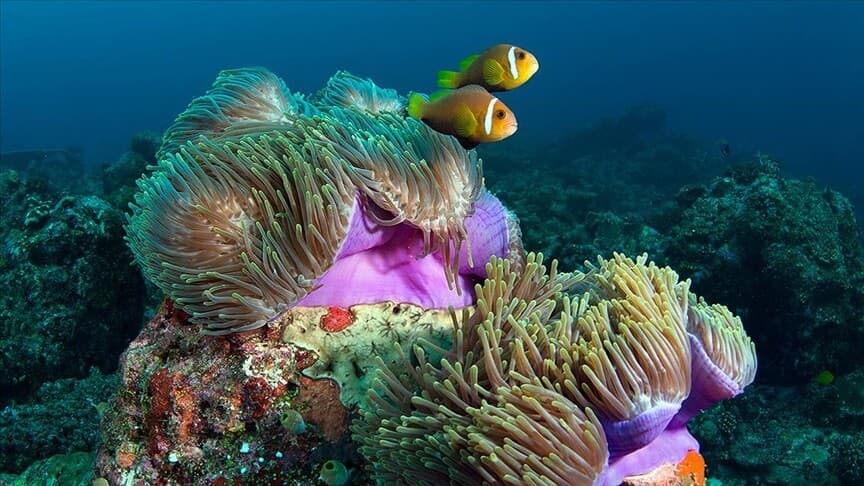
A new study published in the journal Nature has found that about 44% of reef-building coral species are at elevated risk of extinction. The main cause cited is climate-related thermal stress. Scientists warned that the assessment does not take into account the record ocean warming of 2023–2025, so the share of endangered species may be even higher.

2 min read

Experts of the 'Ta'lim 360' podcast: what matters in education governance is not the format, but the approach and trust in schools

In the fourth episode of Gazeta's 'Ta'lim 360' podcast, experts Komil Jalilov and Azamat Akbarov discussed how the education system should be governed: from the philosophy of goals and distribution of authority to the experience of Finland, Singapore, Turkey and other countries. Key points: education outcomes only appear years later, so classic KPIs do not always work; school and university autonomy correlates with education quality; structures matter less than intentions and governance style.

5 min read

Researchers: object on Nikumaroro island is likely not Amelia Earhart's plane but trees

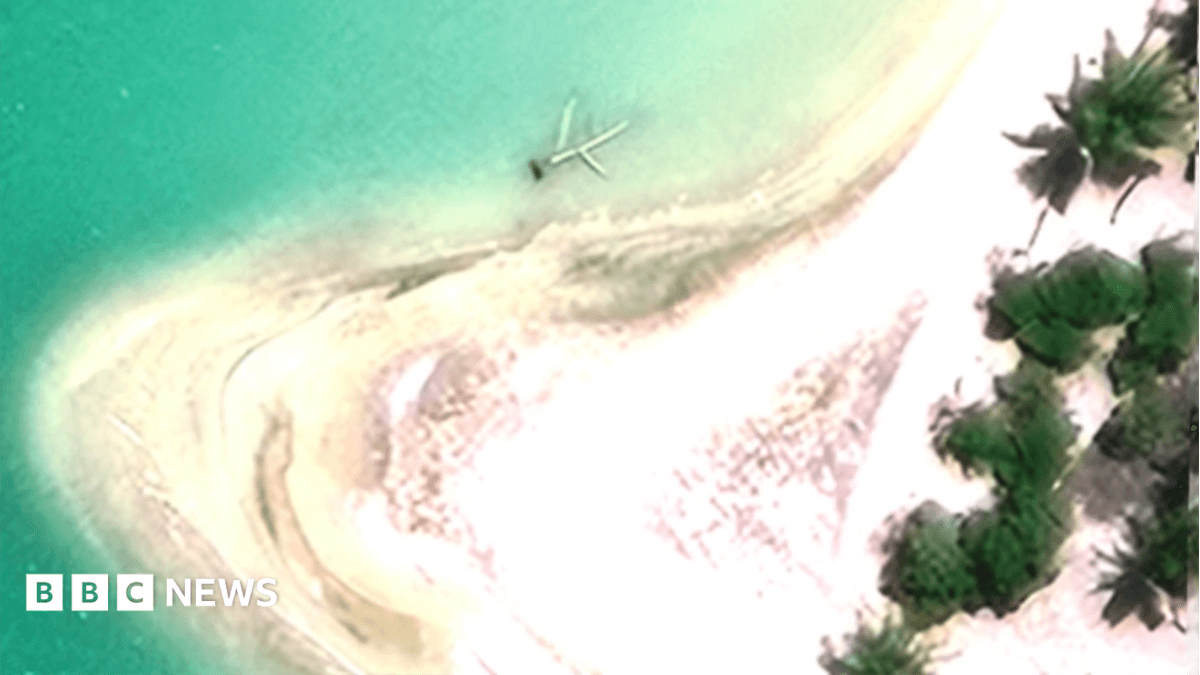
An expedition testing the hypothesis that the 'Taraia object' on Nikumaroro island (Kiribati) is wreckage of Amelia Earhart's plane, who disappeared in 1937, concluded that it is most likely a cluster of large trees washed up on a sandbar. Purdue University noted that by the time the team arrived, most of the object had collapsed and been washed away. The mystery of the aviator's disappearance remains unsolved.

2 min read

Scientists relocated beavers to Utah's arid rivers: 20 new dams appeared, but less than half survived

Utah State University scientists in 2019–2020 relocated beavers that had been trapped for damaging property or infrastructure to two arid rivers. Over eight weeks, survival of the relocated animals was below 40% versus 80% for a local control group of 24 beavers. Meanwhile, 17 new dams appeared on the Price River and three in San Rafael. The results were published in Animal Conservation.

2 min read

Greenpeace: A network of 'ocean sanctuaries' in the Atlantic could protect leatherback turtles

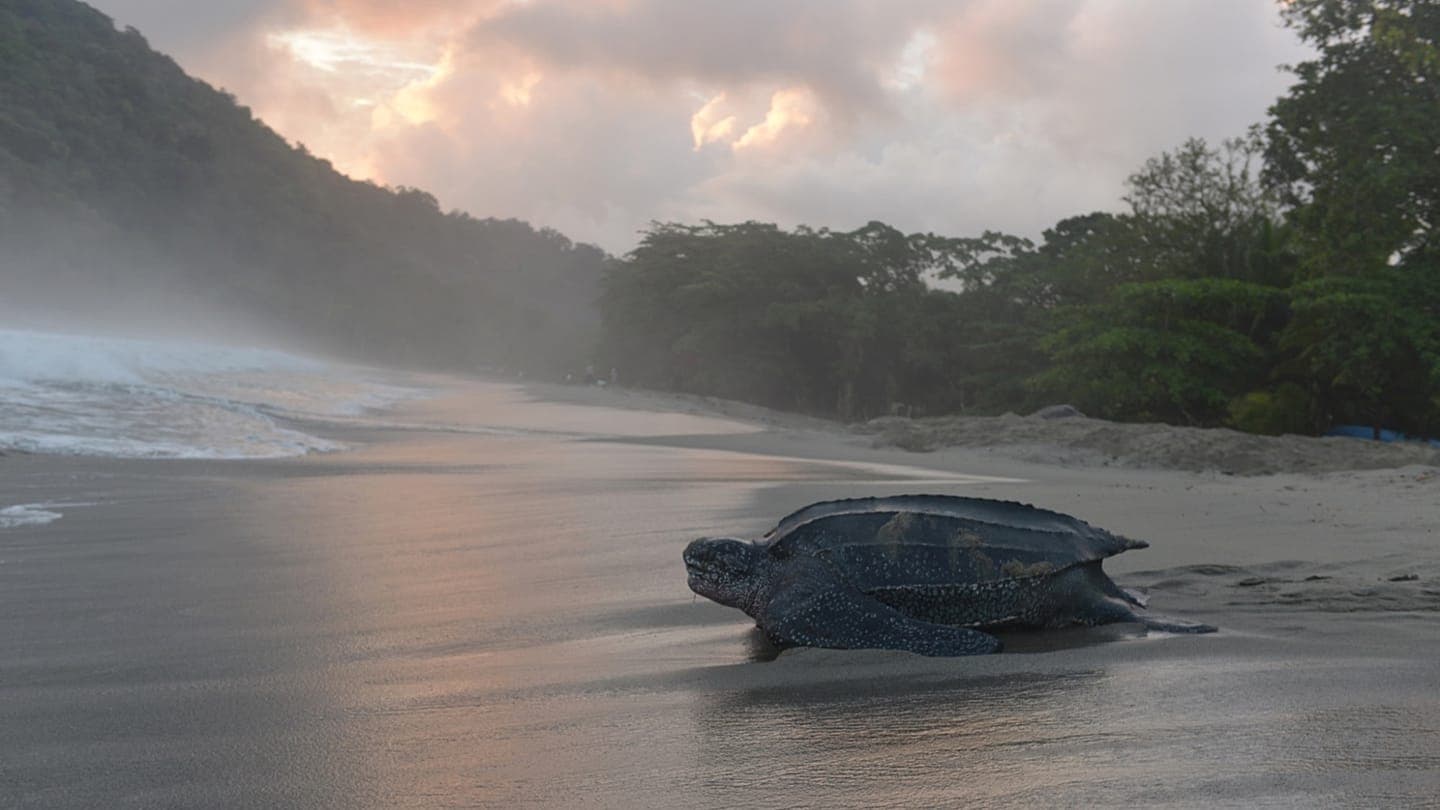
A Greenpeace International report titled 'Well Connected' states that creating a network of fully protected marine reserves in the open Atlantic would protect more than 35% of 'risk zones' for leatherback turtles, which face industrial fishing. The organization identified 17 areas covering more than 31% of the Atlantic's open waters. The report was published ahead of the UN biodiversity conference CBD COP17 in Armenia, where progress toward the goal of protecting 30% of the ocean by 2030 will be assessed for the first time.

2 min read

Strongest El Niño Ever? Weather Agencies Disagree Due to Different Measurement Methods

The UK Met Office calls the current El Niño unprecedented, the Japanese meteorological agency calls it the strongest since records began in 1949, while American forecasters believe it still falls short of the largest events in their archives. The discrepancies are explained by different assessment methods: absolute temperatures, anomalies in different zones of the Pacific Ocean, and different baseline periods.

3 min read

More Than a Million Birds of Prey Over Batumi: A Migration Spectacle Threatened by Poaching

Every autumn, more than a million birds of prey fly through the 'Batumi bottleneck' on Georgia's Black Sea coast, where the Black Sea and the Caucasus Mountains form a migration corridor. According to a 2013 study, around 9,000 birds die each year from illegal hunting. Volunteers of Batumi Raptor Count have been counting since 2008, while ecotourism gives local residents an economic incentive to protect the birds.

3 min read