The key facts
- Monitored vertebrate populations have declined by 73% over 52 years, freshwater ones by 85% (WWF)
- Around one million plant and animal species are threatened with extinction
- Examples of recovery: green sea turtles and sea otters show that losses are reversible
Nature in trouble: the scale of biodiversity loss
Biodiversity — the totality of all life on the planet — provides so-called ecosystem services: climate regulation, soil health, water purification and food production. As WWF chief scientist Rebecca Shaw stated, people use these services daily, barely thinking about it, as long as nature functions normally. According to the latest WWF Living Planet report, over the past 52 years the abundance of monitored vertebrate populations has declined by an average of 73%, while freshwater ecosystems have suffered the most — a drop of 85%. These data are consistent with other studies showing that around one million plant and animal species could disappear if humanity does not reduce pressure on nature. Shaw called the situation a 'very steep decline' and an early signal that the 'fabric of life', on which fresh water, food and clean air depend, is unraveling.
What humans lose along with ecosystems
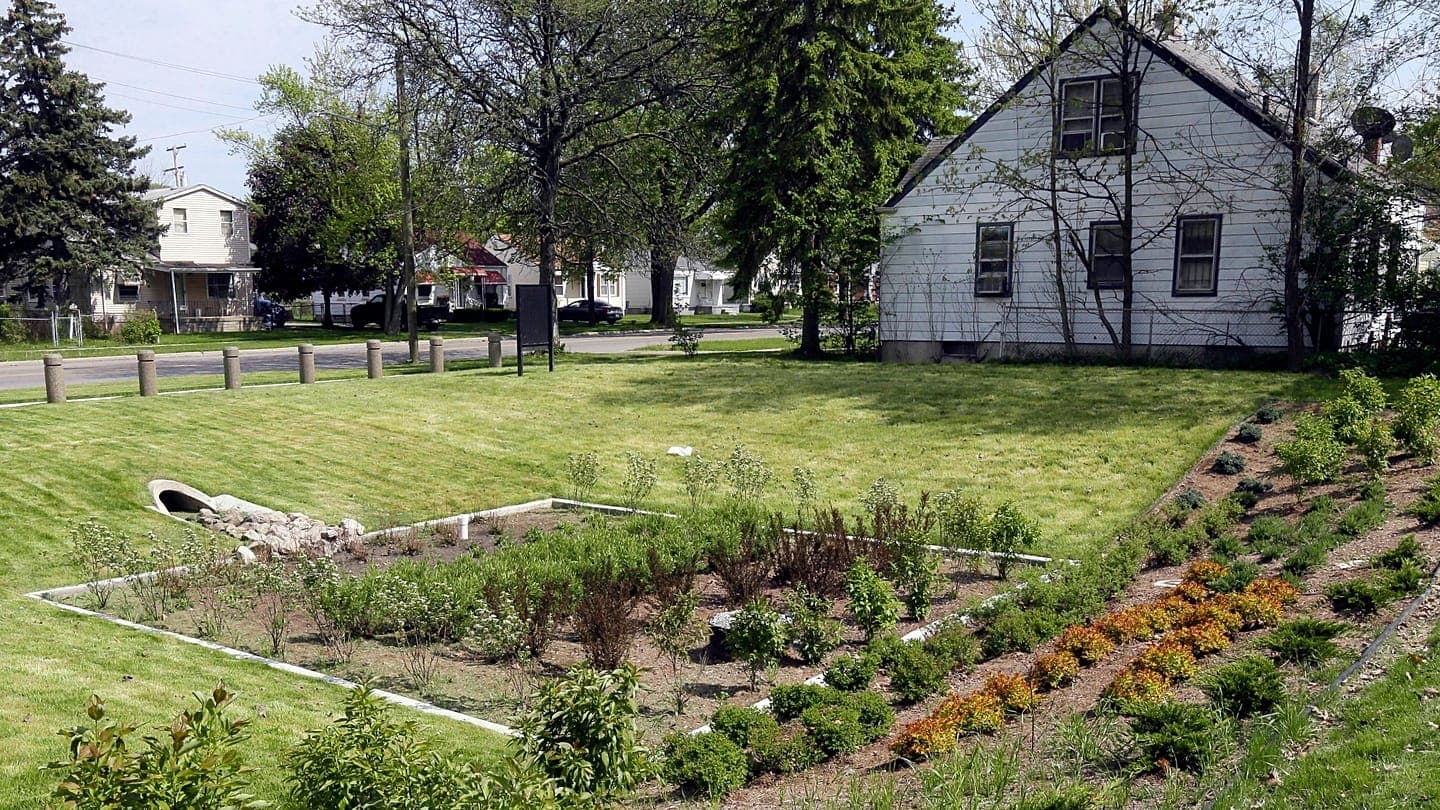
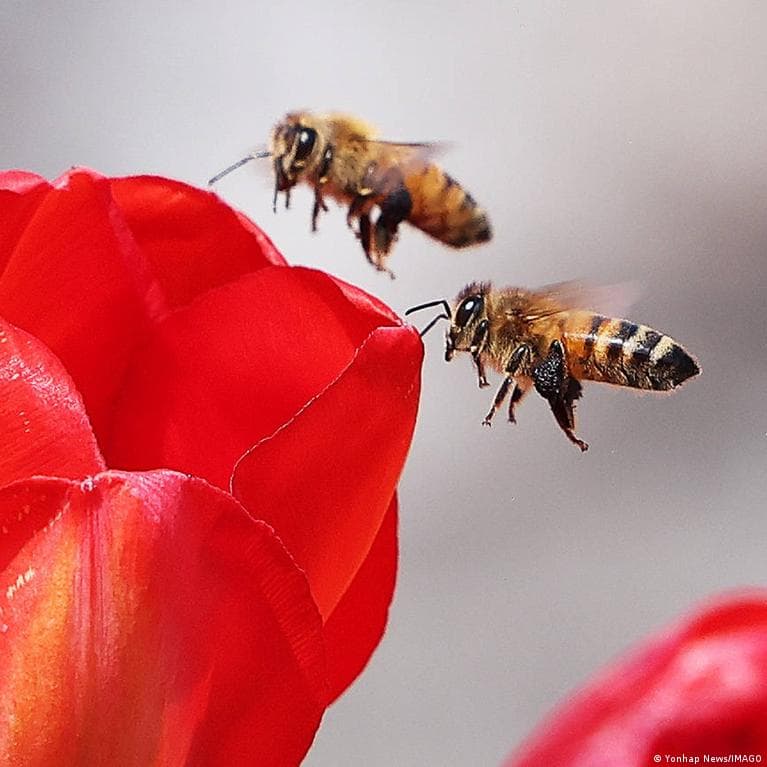
Scientists give concrete examples of nature's value. From 1700 to 2000, about 85% of wetlands disappeared. A study by the University of Waterloo (Canada) showed that the bogs and fens of southern Ontario annually provide water filtration services worth 4.2 billion Canadian dollars (about 2.63 billion euros), removing, in particular, phosphorus and keeping drinking water sources clean; their disappearance sharply raises the cost of water treatment. More than 75% of the world's food crop types partially depend on pollination by animals, including bees and bats. Soil degradation and climate-change-related storms and heat waves are already harming harvests. According to a recent UK government report, every critical ecosystem is 'on the path to collapse', and nature's degradation threatens global food supplies and geopolitical stability. Louise MacRae, a research fellow at the Zoological Society of London, noted that the UK, like many countries, depends on food imports and therefore on ecosystems around the world. In addition, about 50% of modern medicines are based on natural compounds: penicillin is estimated to have saved more than 500 million lives, and according to the WHO, about 70% of anti-cancer drugs are made from natural products or nature-inspired compounds.
Keystone species and the price of losing a single player
The disappearance of a species is sometimes compensated by others, but not always — especially when it comes to 'keystone species', which play a disproportionately large role in ecosystems. An example is oysters: 85% of their reefs have been lost worldwide, while an adult oyster filters up to 50 gallons of water a day. According to Shaw, the loss of oysters means the loss of water filtration, habitat for other species, and protection of coastal communities from storm surges. The loss of individual species can also affect human health: one study links the decline of the red fox population in North America to the spread of Lyme disease, carried by ticks.
The sixth mass extinction and turning it around
The planet has survived five mass extinctions. In scientists' view, the current rate of species extinction points to a sixth event, caused mainly by human activity. MacRae and Shaw call the situation extremely alarming but urge people not to despair. MacRae emphasizes that the statistics should 'motivate action, not cause panic'. The WWF report also cites success stories: green sea turtle numbers have recovered thanks to the protection of nesting sites and changes in fishing practices that reduce bycatch. Sea otters, nearly exterminated on the US Pacific coast in the 19th century for their fur, recovered after the hunt was banned — and kelp forests began to revive in their wake, providing habitat, protecting coastlines and absorbing carbon. 'Crucially, this can be reversed,' MacRae noted, adding that biodiversity loss and climate change reinforce each other but share common solutions. Shaw concluded: 'We are learning to turn things around at small scales. The real challenge is to do it at large scales, so that it shows up in global indicators.'
COP17 in Yerevan: the search for solutions
Over the next two weeks in Yerevan (Armenia), COP17 — the next UN biodiversity summit — is scheduled, where thousands of policymakers, business representatives and civil society will work on fulfilling commitments to halt nature loss by 2030. However, as noted in the publication, progress toward these goals remains insufficient, and funding and implementation are among the main problems.