The key facts
- Farmer Khaled Khalil found a stone with carvings in front of his house in Behbeit El-Hagar (Gharbia governorate) and reported it to the antiquities authority
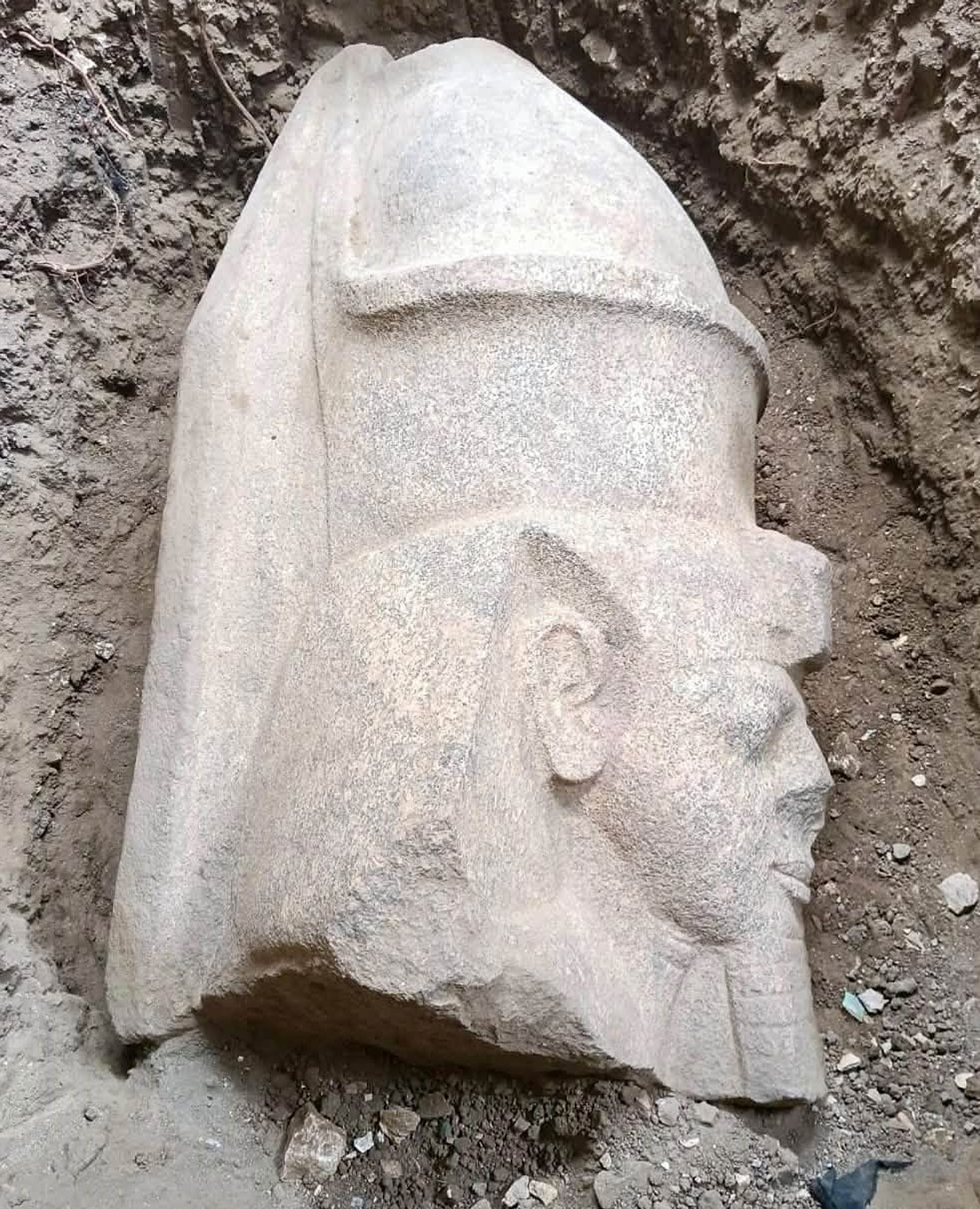
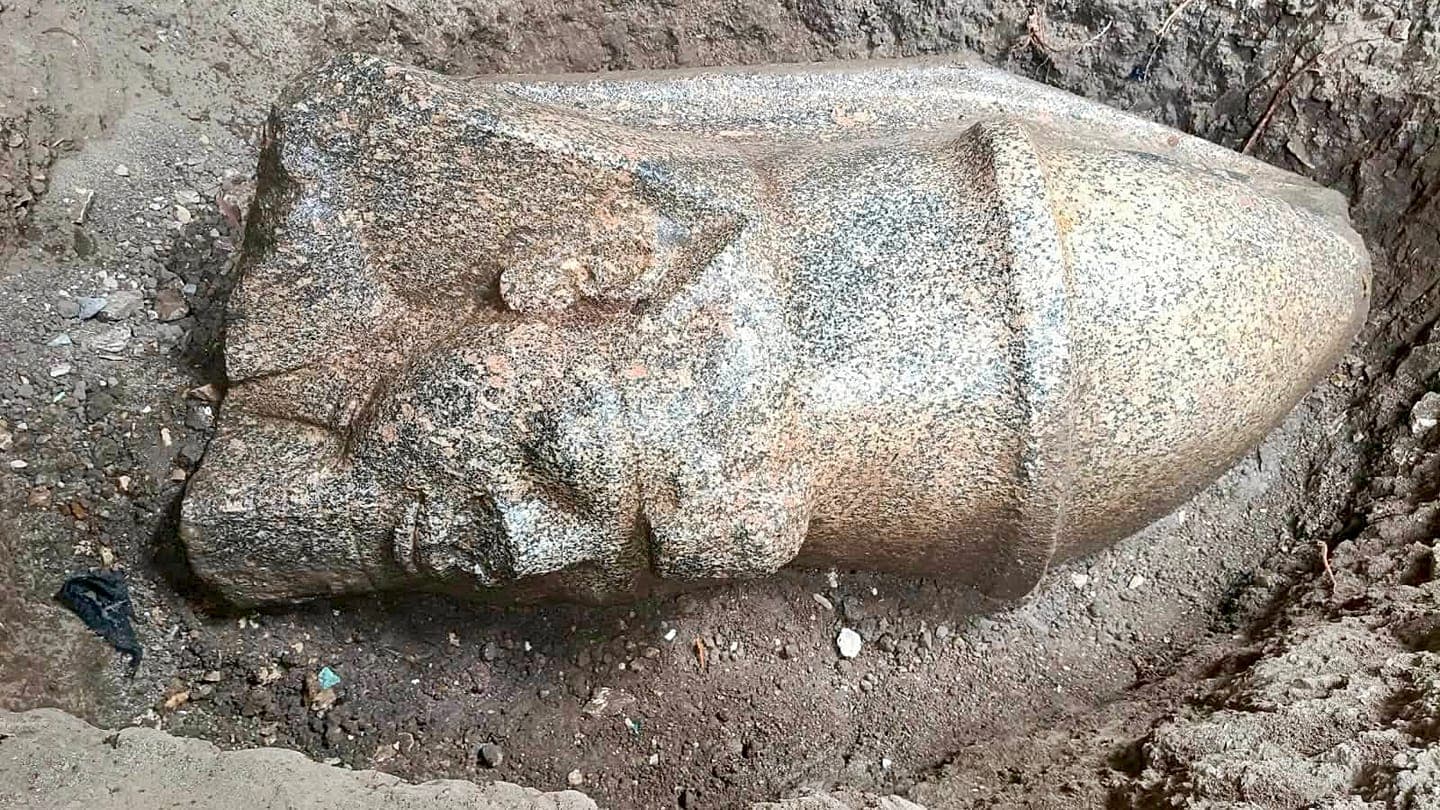
- A 1.6 m head of Ramesses II was found wearing the double crown; according to Hisham El-Leithy's estimate, the statue with its base could have reached 8.5 m
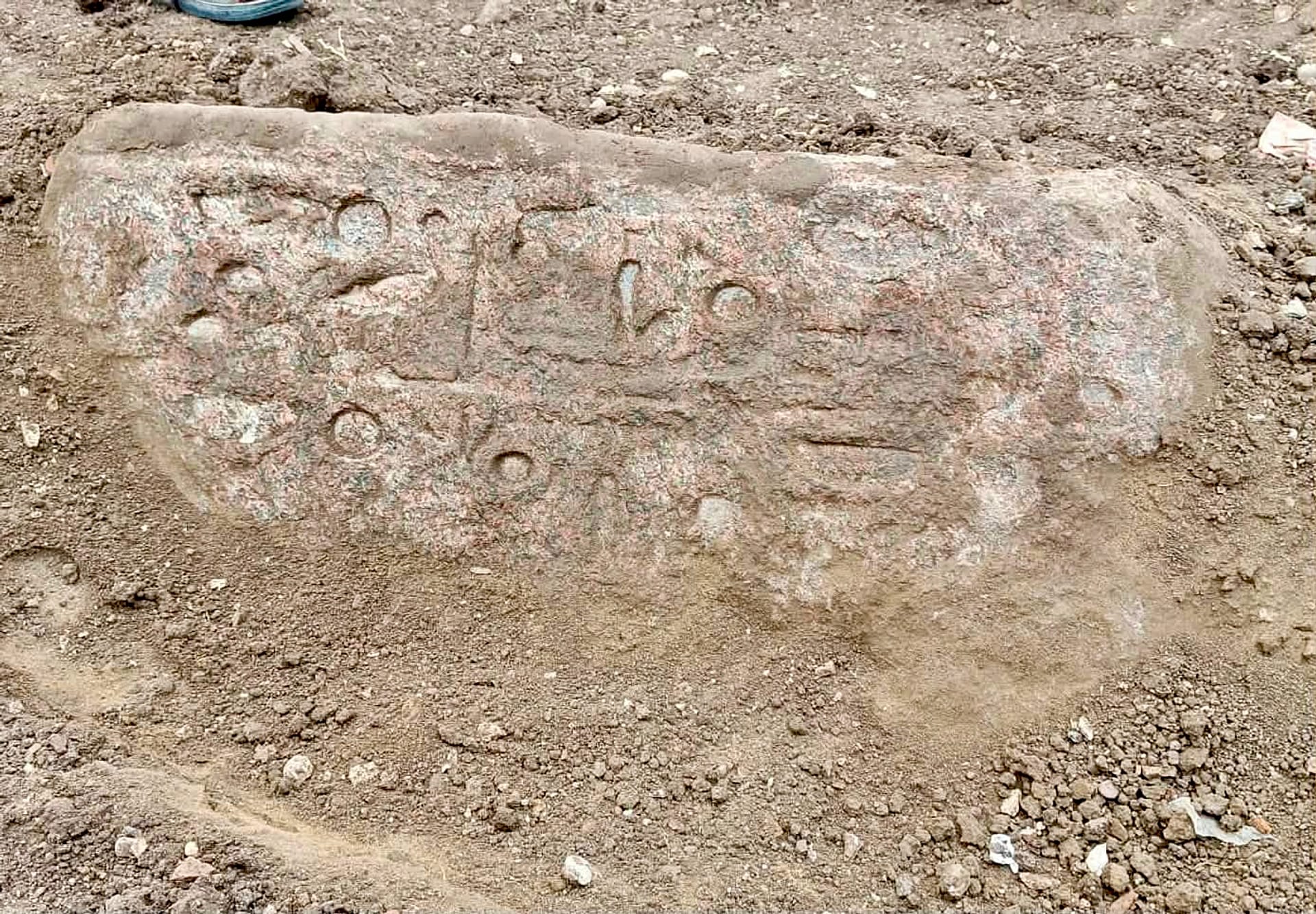
- A second statue (2.4 m, also presumed to be Ramesses II) and a granite block with the titles 'King of Upper and Lower Egypt' and 'Son of Ra'
An Accidental Find in a Cucumber Field
Egyptian farmer Khaled Khalil, who was growing cucumbers in a greenhouse on the plot in front of his house in the village of Behbeit El-Hagar in Gharbia governorate (Nile Delta), came across a stone with ancient carvings and reported it to the antiquities authority. According to the Ministry of Tourism and Antiquities, after inspecting the stone, an Egyptian team from the Supreme Council of Antiquities began rescue excavations. As reported by the Youm7 outlet, the farmer did not expect to find such a large ancient statue on his plot. Gharbia governor Alaa Abdel Moaty, during a visit to the farmer's house, reportedly joked: 'See? Cucumbers bring antiquities.'
What the Archaeologists Found
The discovered head depicts Ramesses II wearing the double crown of Upper and Lower Egypt; its height is 1.6 meters. Archaeologists also found part of the statue's rear pylon bearing the Horus name — one of the pharaoh's official royal names. Secretary-General of the Supreme Council of Antiquities Hisham El-Leithy stated that, based on the proportions of the head, the full height of the statue together with its base could have reached approximately 8.5 meters.
The Second Statue and the Granite Block
The surviving fragment of the second statue is about 2.4 meters tall. The legs and pedestal are lost, but the face is well preserved; the statue shows the royal nemes headdress, part of which is also missing. Archaeologists suggest it may depict Ramesses II, since the facial features resemble the first head, but this attribution has not yet been confirmed. A separate block of pink granite, about 1.3 meters long, bears hieroglyphic inscriptions, including the titles 'King of Upper and Lower Egypt' and 'Son of Ra'.
Context and Continued Work
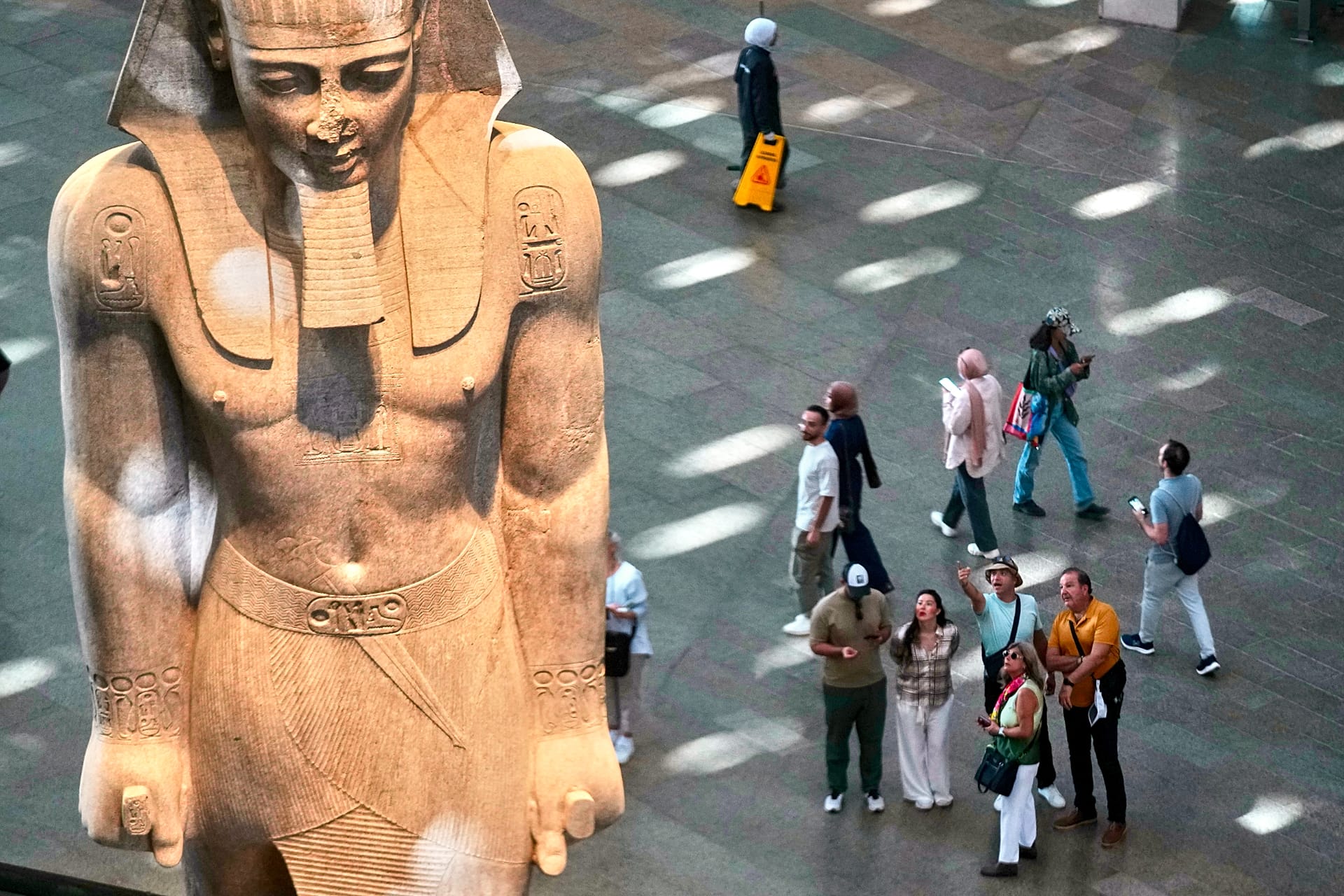
Ramesses II ruled Egypt for more than six decades — approximately from 1279 to 1213 BC, during the Nineteenth Dynasty; colossal statues of the pharaoh survive at Abu Simbel. Behbeit El-Hagar is known for the ruins of a large temple dedicated to the goddess Isis. Excavations and research continue: scholars are determining how the new finds relate to one another and to the surrounding complex.
A Reward for the Farmer
Minister of Tourism and Antiquities Sherif Fathy visited Khalil to thank him for reporting the find. The farmer and his wife received a trip to perform umrah — the Muslim pilgrimage to Mecca, which can be undertaken at any time of year — as a reward. During the visit, Khalil also asked the governor to help cover the remaining cost of an ambulance for the village; according to him, residents have already raised part of the required amount, local media report.