The key facts
- Leatherback turtles have been listed as 'vulnerable' on the IUCN Red List since 2013; there are no fully protected waters in the open Atlantic.
- Greenpeace proposes 17 fully protected reserves covering more than 31% of the Atlantic's open waters and protecting more than 35% of 'risk zones' for turtles.
- According to Greenpeace's estimate, at the current pace protecting 30% of the ocean would take 265 years; the CBD COP17 conference opened on October 19 in Armenia.
Industrial fishing threatens leatherback turtles
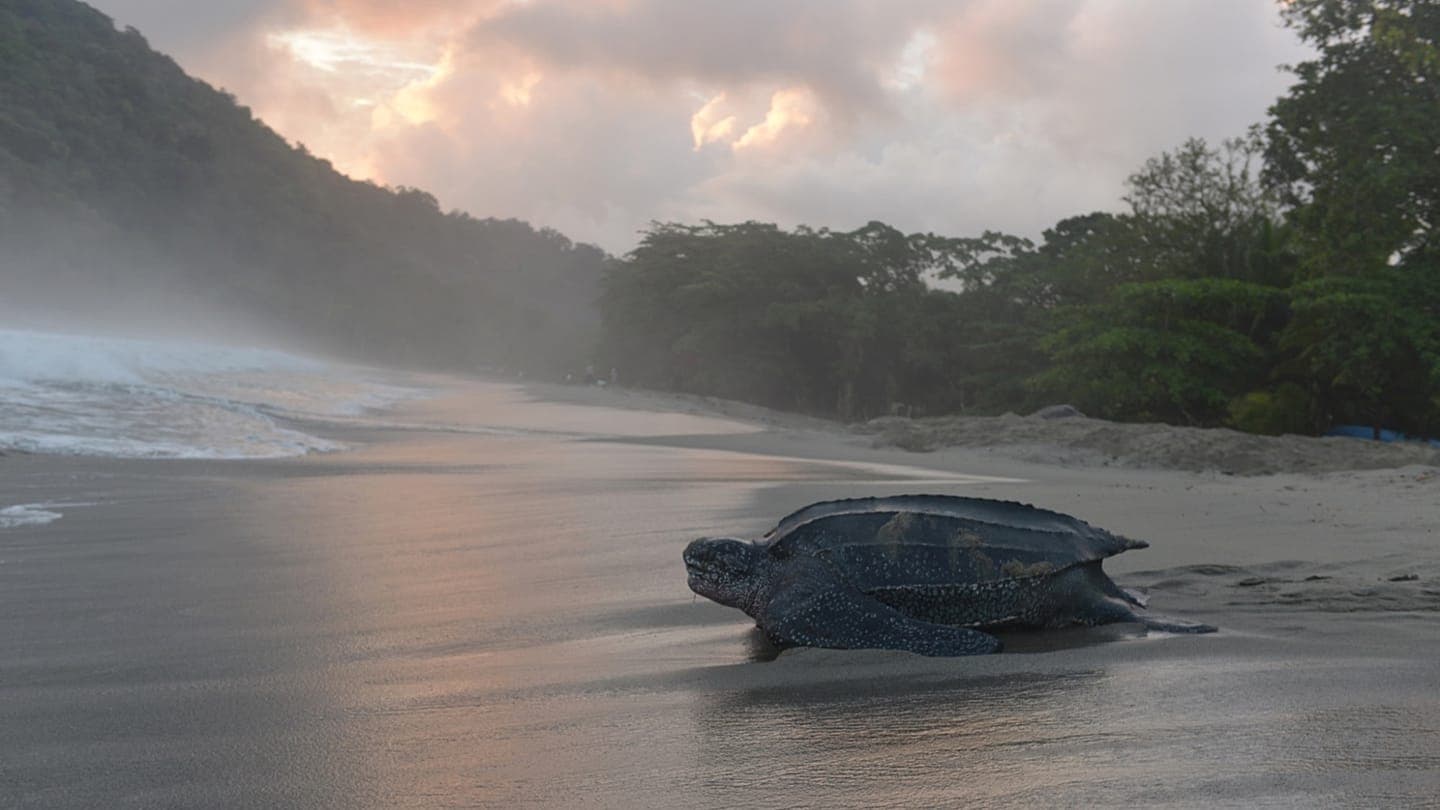
Leatherback turtles are among the most vulnerable marine vertebrates on the planet and have been included in the IUCN Red List in the 'vulnerable species' category since 2013. According to Euronews, industrial fishing has created 'high-risk zones' for them, and their numbers are rapidly declining in different parts of the world. In the open waters of the Atlantic, which play a key role in the species' migration, there are currently no fully or strictly protected areas — not a single zone remains free from the threat of fishing gear.
Greenpeace report: a network of reserves could reduce the risk of deaths
The NGO Greenpeace International published the 'Well Connected' report, which argues that creating a connected network of 'marine reserves' in the open waters of the Atlantic would protect more than 35% of the dangerous zones where leatherback turtles encounter industrial fishing and would reduce the risk of their deaths. The organization identified 17 areas that, under the Global Ocean Treaty, should receive the status of fully protected reserves. These include existing marine protected areas that need their status upgraded to fully closed to fishing, sites already under consideration by governments, and a number of new areas. Together they form a network covering more than 31% of the Atlantic's open waters.
'Turtle pace' of ocean protection and the conference in Armenia
The report's publication is timed to the opening of the UN biodiversity conference CBD COP17 in Armenia on Monday, October 19. For the first time, it will officially assess progress toward the global goals agreed in 2022, including the commitment to protect 30% of the world's ocean by 2030. According to scientists, this is the minimum needed to restore the ocean. Greenpeace argues that governments need to 'urgently close the glaring gap between promises and real action,' characterizing the current progress as 'moving at a turtle's pace': according to the organization's calculations, at the current rate it would take 265 years to protect 30% of the ocean.
Greenpeace's position
Loukas Meus, ocean campaign coordinator at Greenpeace International, said: 'A network of interconnected, fully protected marine reserves would ensure that such amazing migratory species as whales and sea turtles are protected along the entirety of their routes, free from the threat of being killed as a result of industrial fishing or collisions with cargo ships.' According to him, 'this is the only way to give them the opportunity to migrate, feed and breed safely,' and delegates in Armenia need to agree on 'large-scale and bold decisions.'