The key facts
- Ready-made borscht is recommended to be stored in the refrigerator at +2…+4 °C for no more than two to three days
- The pot should not be left at room temperature for longer than two hours; a large volume is better divided into small containers
- Re-boiling does not make stale soup safe, and experts do not advise tasting a suspicious dish
How long borscht stays safe
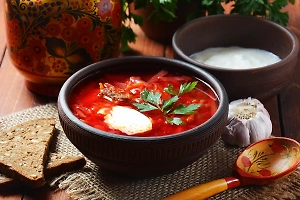
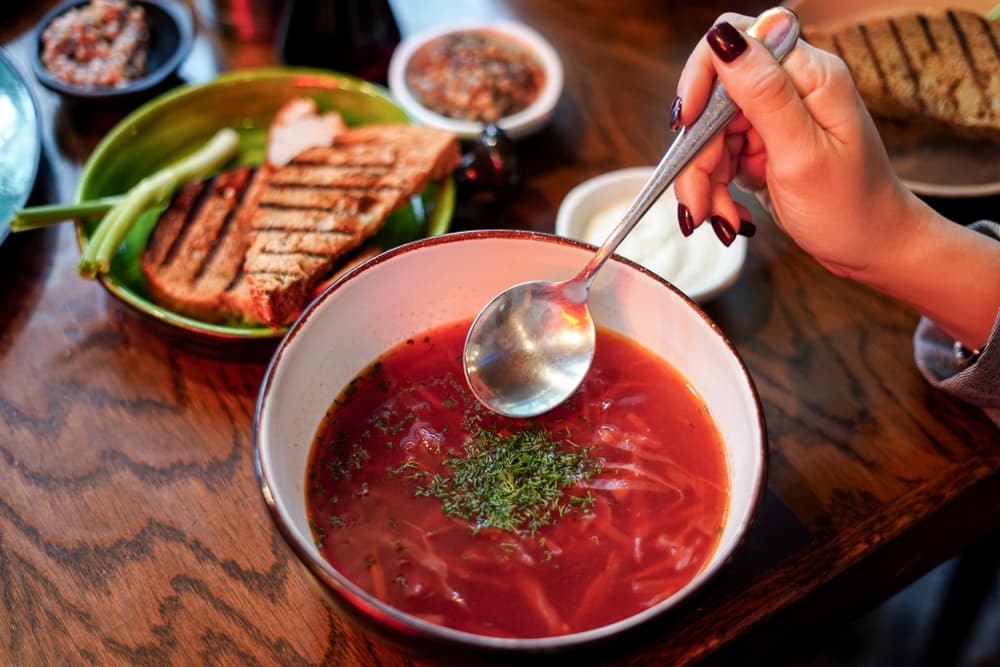
A large pot of borscht is often meant to last several days, but it is precisely this habit that can result in food poisoning. Ahead of Borscht Day, celebrated on November 10, experts from Roskachestvo told Life.ruhow to store soup properly. According to their recommendation, the finished first course should be kept in the refrigerator at a temperature of +2 to +4 degrees for no more than two to three days. After cooking, borscht should be cooled as quickly as possible: the pot should not be left at room temperature for longer than two hours.
How to cool it and what to do with the excess
If you end up with a lot of soup, Roskachestvo advises not to put the whole pot in the refrigerator, but to first divide the borscht into small portions and transfer it to clean containers with tightly closing lids — this way the dish will cool faster and the risk of microorganisms multiplying will decrease. If the soup cannot be eaten within the next few days, it is better to freeze it.
Why appearance can be deceiving
Checking a dish's freshness by appearance alone is dangerous. A sour or unusual smell, bubbles and foam on the surface, a change in consistency, cloudiness of the broth, or the appearance of slime or mold should raise concerns. However, as experts emphasize, even the absence of all these signs does not mean the borscht is safe: some pathogenic microorganisms multiply in food without changing its smell, taste, or appearance. Therefore, tasting suspicious soup to check its freshness is strongly discouraged.
The myth of re-boiling
A separate warning concerns the widespread belief that it is enough to bring borscht back to a boil to destroy dangerous microorganisms. According to Roskachestvo, such treatment does not always eliminate the risks associated with already spoiled food. «If the storage period has been exceeded or there are doubts about whether the temperature regime was observed, the dish should not be eaten,» the organization's press service emphasized.