The key facts
- Nutritionist Olga Burlakova recommends relying on local products in winter: pumpkin, cabbage, cereals, legumes, fish and seasonal berries
- According to her, uncontrolled intake of several supplements without identifying deficiencies can harm the body
- The specialist recommends deciding the question of additional vitamin D intake in the dark season with a doctor
Seasonal menu instead of exotic foods and supplements
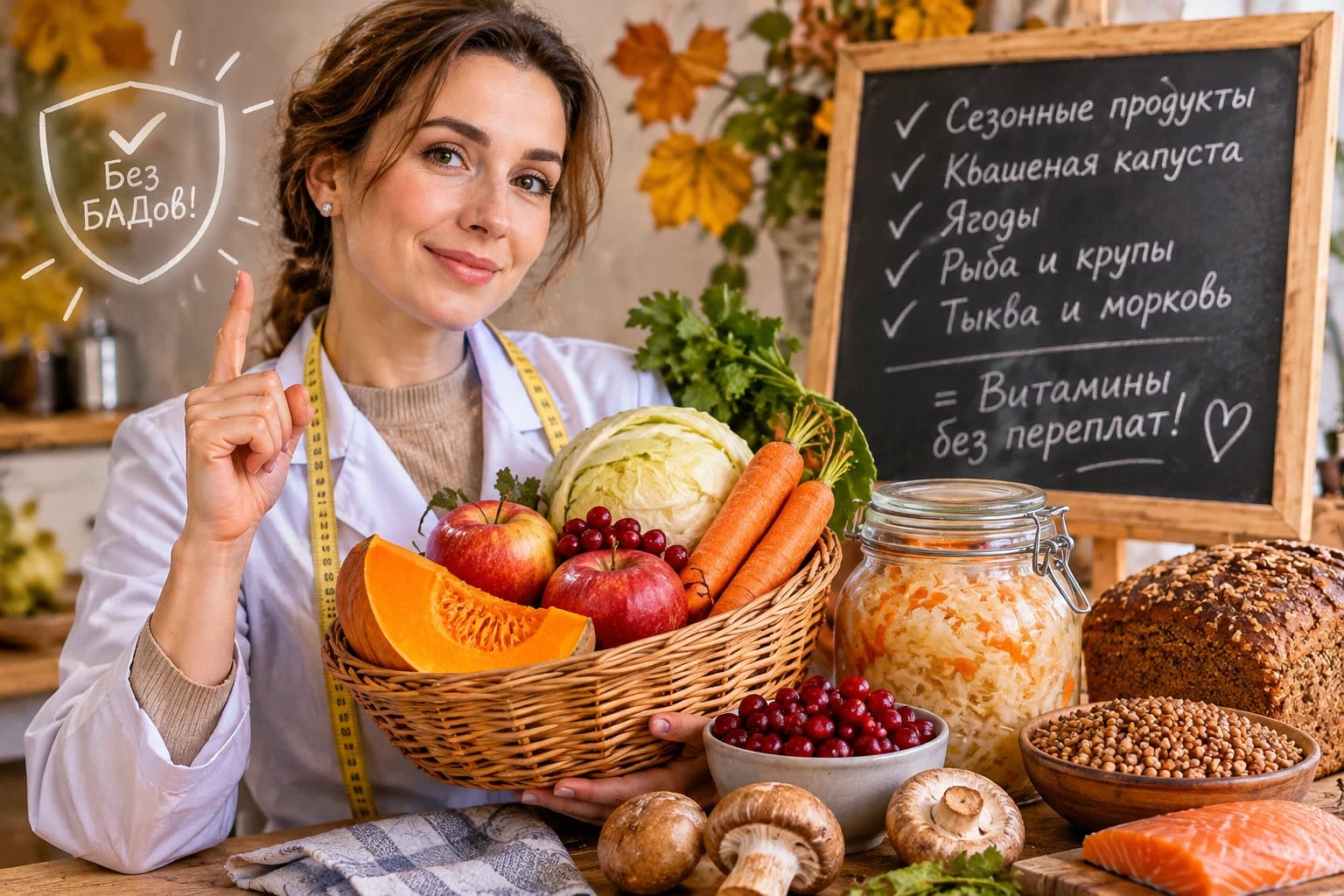
With the onset of cold weather, many people start spending money on vitamin complexes, exotic fruits and supplements. Nutritionist Olga Burlakova, in a conversation with Life.ru, explained why, in her view, a complete diet can be put together without big expenses — from familiar local products. The basis of the food basket, according to her, can consist of whole-grain bread, cereals, fish, mushrooms, potatoes, carrots, cabbage, pumpkin, turnip and seasonal berries, while avocado and other imports do not have to be on the shopping list if affordable alternatives are available.
A caution about supplements and vitamin D
The specialist noted that people often take several supplements at once — vitamin D, magnesium, collagen, omega-3 — without finding out which substances they actually lack. According to her warning, an excess of certain substances and the uncontrolled combination of preparations can harm the body. At the same time, she herself pointed out a limitation: in autumn and winter, especially in northern regions, sunlight may be insufficient for full vitamin D synthesis, so the need for additional intake is best discussed with a doctor, taking individual risk factors into account. If deficiencies are identified, Burlakova emphasized, nutrition should be complemented with treatment as recommended by a doctor.
What exactly the expert recommends
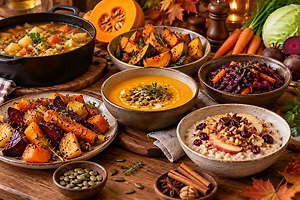
Among the affordable products of November, Burlakova highlighted late varieties of apples and pears, cranberries, lingonberries, sea buckthorn and blueberries; among vegetables — pumpkin, turnip and carrots, and among mushrooms — chanterelles. Sauerkraut, according to her, contains dietary fiber and vitamin C, although there is no need to give up fresh vegetables in favor of pickled ones. She named legumes as a separate source of nutrients: beans contain plant protein, fiber, B vitamins, potassium, magnesium, iron and zinc; the menu should also include lentils, chickpeas, peas and mung beans. Among dish options, the expert suggested pearl barley porridge with fried mushrooms, baked fish with potatoes, rice and millet porridge with pumpkin, mushroom soups, pumpkin soup with shrimp, sea buckthorn tea with honey, and pies with lingonberries or blueberries. She recommended putting together the food basket with the region in mind: somewhere fish and seafood are more accessible, somewhere meat or northern berries.
Addition: fermented foods for the gut
The Life.ru article echoes an earlier publication by the outlet: a gastroenterologist named four affordable products for supporting normal gut function — kefir, sauerkraut, kimchi and sourdough bread. At the time, the specialist explained that fermented foods can have a beneficial effect on digestion, while dietary fiber serves as food for beneficial gut bacteria. Sauerkraut thus appears in both articles — both as a source of vitamin C in winter and as a fermented food for digestion.