The key facts
- 325 transits through the strait from October 29 to November 4 versus 277 the week before — a 17% rise, but about 65% below the pre-war level (UKMTO, November 6)
- Crude oil exports from the Middle East have almost returned to pre-war levels, oil product exports have fallen roughly by half, LNG from Qatar and the UAE is about 10% below pre-war levels
- The average tanker freight rate on the Middle East–East Asia route rose from $3.18 to $37.13 per barrel (OPEC data)
Traffic is growing, but still far from normal
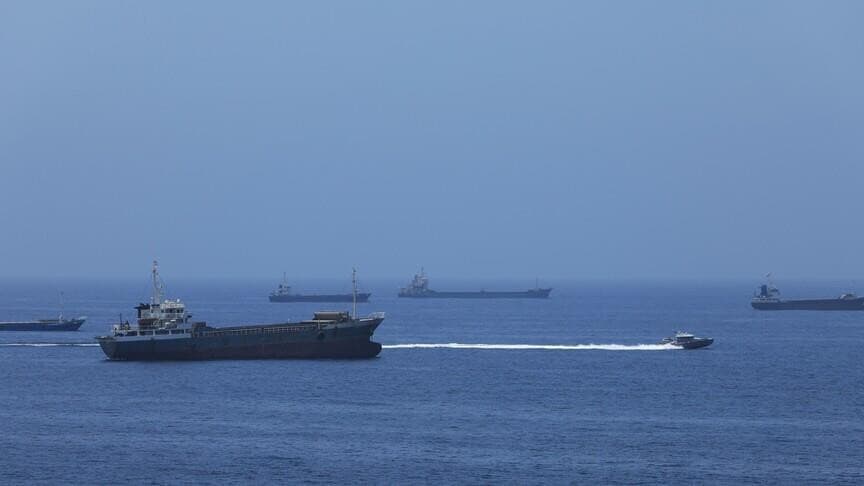
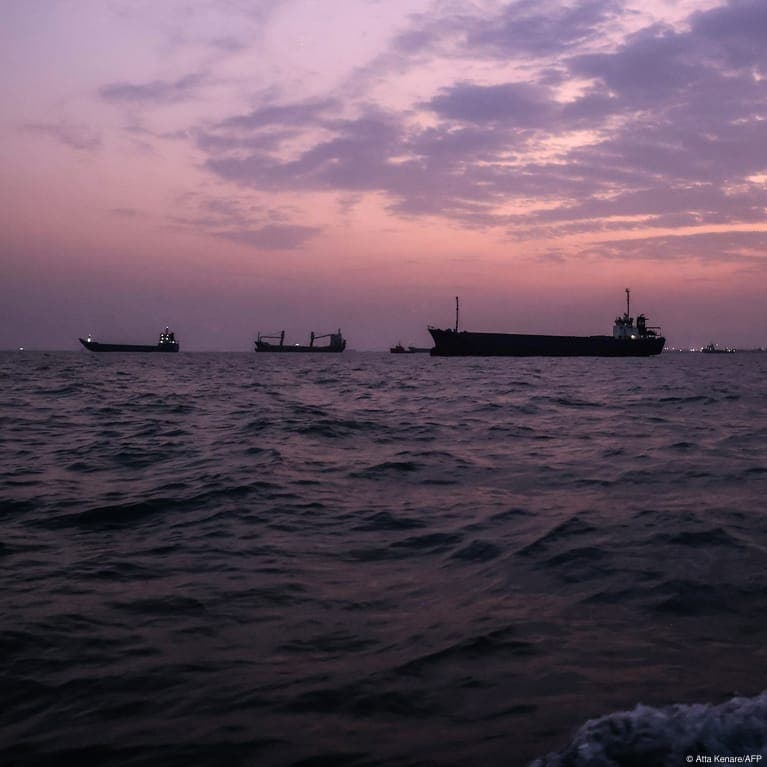
Attacks on commercial vessels in the Strait of Hormuz since the start of the Iran–US war continue to expose crews to the risk of death and injury, forcing shipping companies to choose between attempting passage and delaying cargo at rising costs. According to the weekly report of the United Kingdom Maritime Trade Operations (UKMTO) dated November 6, 325 passages through the strait were recorded from October 29 to November 4, compared with 277 the week before — an increase of roughly 17%. At the same time, according to UKMTO estimates, traffic remains about 65% below the pre-war level. This is reported by Deutsche Welle.
Energy supplies are recovering unevenly
The number of vessels alone does not explain the state of energy supplies, since cargo volumes and routes matter, notes Dalga Khatinoglu, an expert on Iran's energy sector and macroeconomy. According to him, if one looks only at crude oil, exports from the Middle East along all routes — from the Gulf of Oman and the Strait of Hormuz to the Red Sea — have largely returned to pre-war levels, and in some weeks of September and October even exceeded them. The picture is different for oil products: before the war the region exported about 6.2 million barrels per day; this figure has now fallen by roughly half. LNG exports from Qatar and the UAE in September were about 10% below pre-war levels and, despite some improvement, remain seriously disrupted.
The cost of passage has risen severalfold
The recovery of exports has not eliminated the costs of ongoing insecurity: freight and insurance expenses remain very high, Khatinoglu emphasizes. Citing recent OPEC data , he gives the figures: the average freight rate for a large tanker carrying crude oil from the Middle East to East Asia has risen roughly twelvefold — from $3.18 per barrel at the beginning of the year to $37.13 by the end of October. This means higher costs for Asian importers even when oil is available.
Iran's constraint is economic, not military
Iran affairs expert Ali Mohammadi believes that Iran's geography and equipment allow it to continue attacking vessels, but the main deterrent for Tehran is the economic burden of the war: “Iran's constraint in the Strait of Hormuz is more economic than military, because continuing the war significantly affects its economy.” How much longer Iran is able to sustain the attacks is unclear — there are no reliable data on its stockpiles of weapons or resupply capabilities. A complete closure of the strait, in his view, would be unsustainable because of the high political costs: “Iran cannot indefinitely disrupt its allies' access to the strait.” Threats to shipping allow Iran to raise the price of confrontation and seek leverage in negotiations, but they do not guarantee concessions.
Experts: the US military presence alone does not solve the problem
Reducing costs and restoring business confidence in the security of the strait require more than a US military presence, Mohammadi believes: “There is only one solution to the Strait of Hormuz problem — the end of the war accompanied by a durable agreement that ensures long-term security.” Khatinoglu holds a similar view: “One cannot expect oil prices to return to pre-war levels simply by relying on US protection for vessels in the Strait of Hormuz.” Thus, even with a partial recovery in traffic and crude oil exports, key indicators — oil product supplies, LNG and freight costs — remain significantly worse than pre-war levels as long as the conflict is unresolved.